
Home / Technologies / CRM
CRM for Aviation and MRO Companies
CRM for aviation brings every customer, contact, quote, contract and conversation into one place, so sales and service teams know exactly where each relationship stands. Win more long-term contracts, depend less on ad hoc work and focus on the customers who drive profit. We help MROs, distributors and operators find CRM platforms built for aviation selling.
- Vendor-neutral matching
- 600+ aviation-only providers
- Free 3-minute Solution Finder

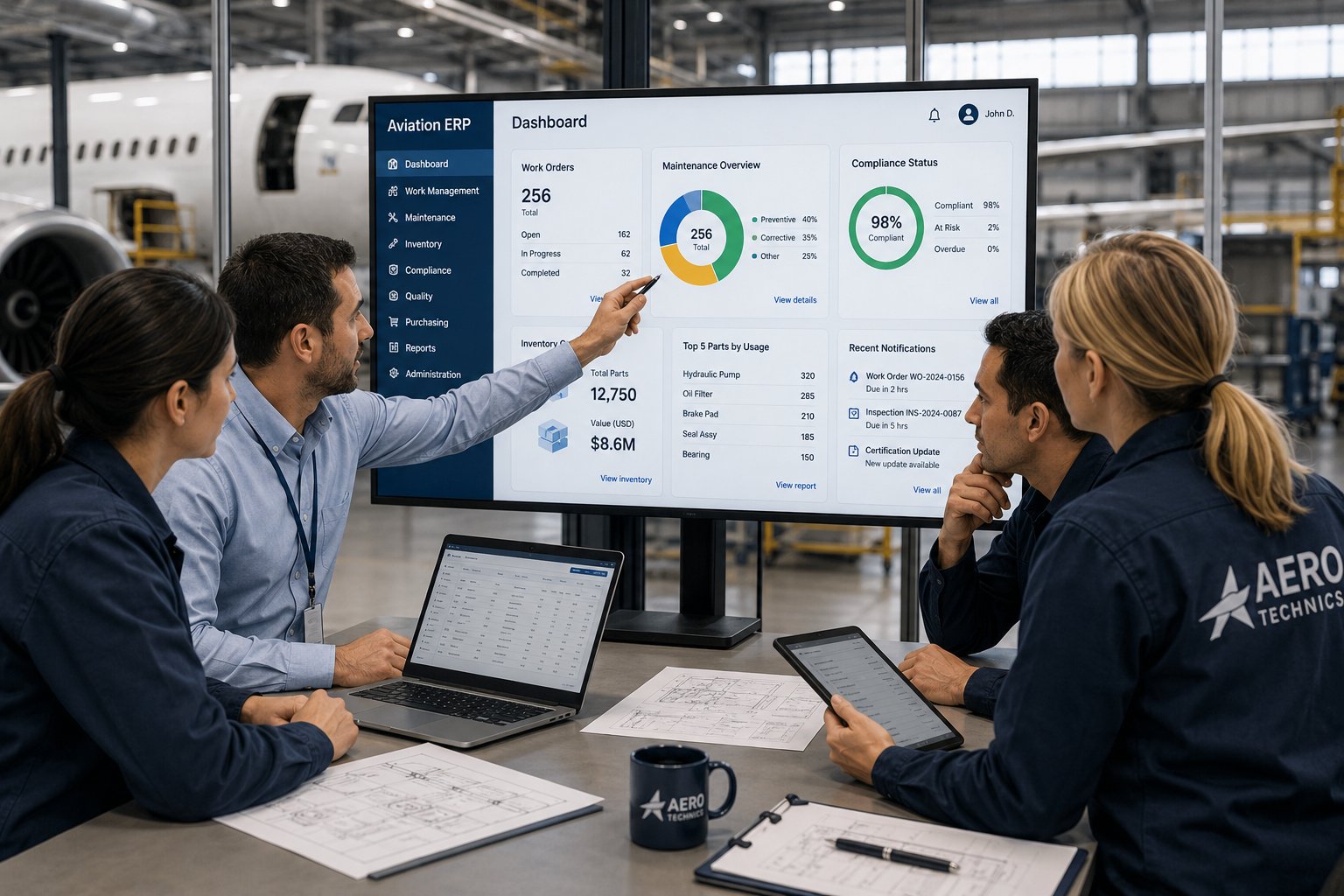
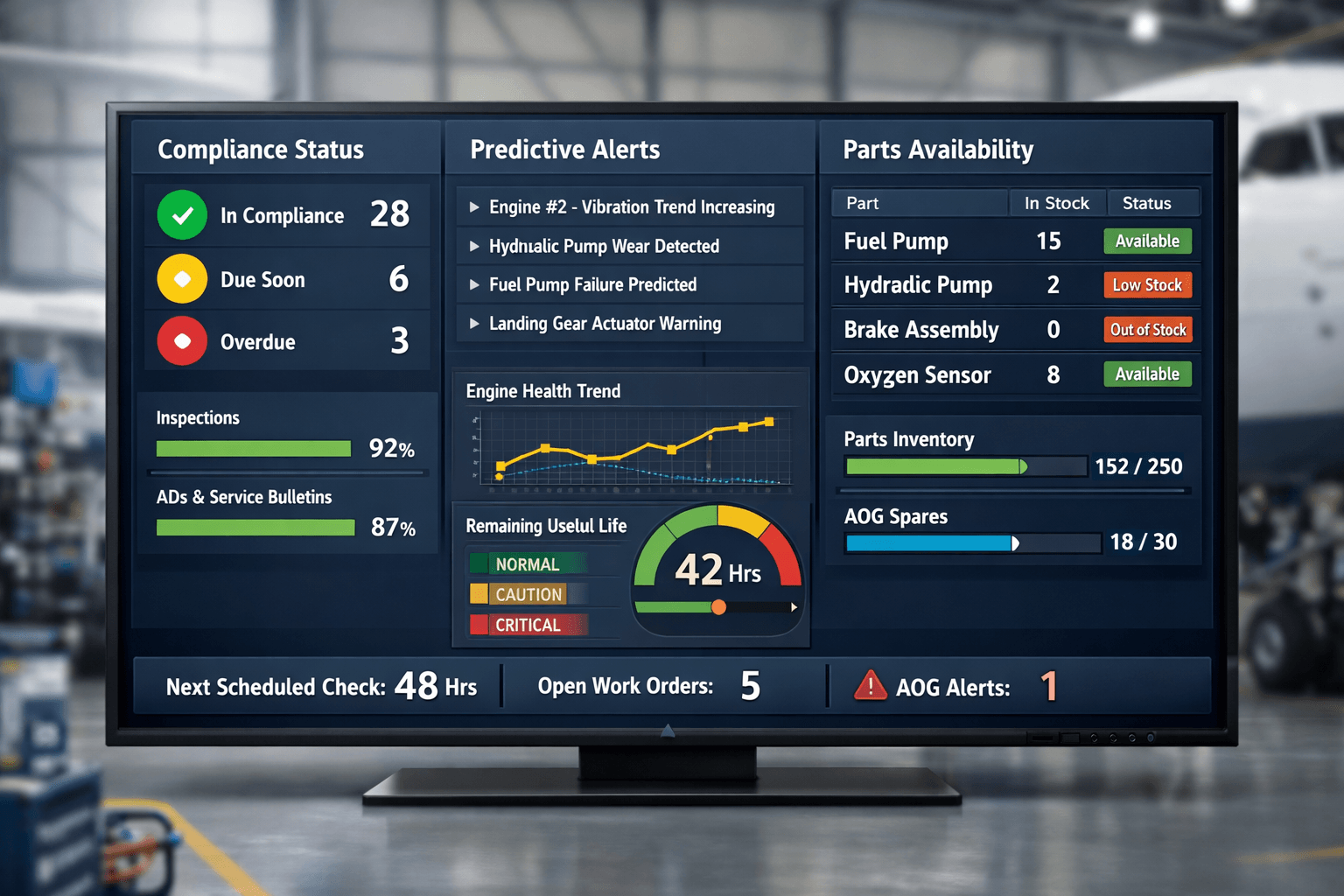
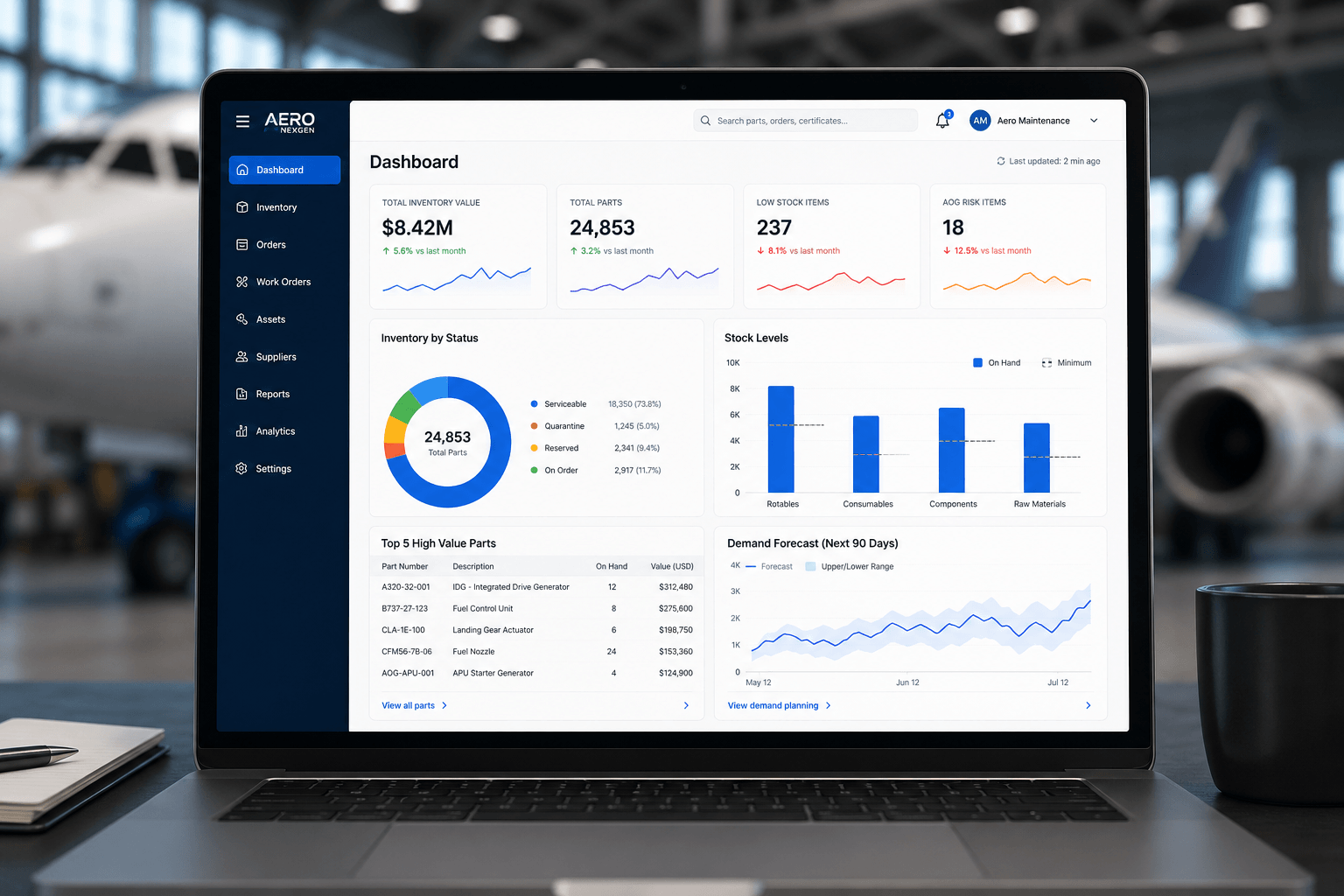
Illustrative dashboard, sample values
What is CRM for aviation?
CRM for aviation is customer relationship management software tailored to how airlines, MROs, parts distributors and service providers sell and support customers. It centralizes contacts and accounts, tracks opportunities, quotes and contracts, automates follow-up and marketing, and gives service teams the history they need to support each customer well.
Aviation relationships are long, technical and often personal. Deals depend on knowing who runs maintenance at a customer, which fleets they operate, when contracts expire and what was promised in the last conversation. In many companies that knowledge lives in individual inboxes and spreadsheets, and it leaves when a salesperson does.
A CRM puts it in one shared place. Every interaction, quote and contract is visible to the team. Pipeline reports show what is coming and what is at risk. Automation follows up on quotes and renewals. Service teams see the full history before they pick up the phone. And leadership finally sees which customers, capabilities and channels actually drive profit.
- It replaces scattered spreadsheets and inboxes with one shared customer record.
- It helps shift revenue from ad hoc work toward long-term contracts.
- It shows which customers and capabilities drive profit, using the 80/20 rule.
- It works best connected to your ERP, so quotes and orders stay in sync.
On this page
One shared view of every relationship: sales and service see the same history before every call.
What CRM for aviation includes
Aviation CRM brings sales, marketing and service together. These six capabilities are the core.
Contact and account management
Every customer, contact, fleet and site in one record, with full interaction history.
Opportunity and quote tracking
Track opportunities, quotes and conversions from first contact to signed contract.
Contract and renewal management
See contract terms and expiry dates, and get alerts well before renewals.
Targeted marketing
Run campaigns, emails, promotions and personalized communication to the right segments.
Multi-channel service
Support customers by email, phone, portal and chat with full context on every case.
Customer insight
Analyze behavior, preferences and profitability to guide business development.
Why aviation sales teams are investing in CRM now
Demand is strong, but the customers worth winning expect a partner, not a vendor.
The MRO and aftermarket market is growing, and so is competition for the best long-term contracts. Shops that rely on ad hoc work from brokers and one-off requests struggle to forecast inflow, manpower and inventory.
A CRM is how sales teams move from reactive quoting to deliberate account growth: knowing every customer’s fleet, contract dates and history, and reaching out at the right moment.
Global MRO demand in 2025, up 8% on the year before.
Commercial aircraft in service in early 2026, with roughly 41,000 forecast by 2036.
Unfilled aircraft orders at the start of 2026, more than 12 years of current production.
Six gains CRM for aviation delivers
These are the improvements commercial teams report most often once customer data lives in one place.
“Your best customers deserve a relationship, not a quote number.”
The Aero NextGen advisory principle
Stronger customer relationships
Personalized service and communication at every touchpoint, because everyone sees the full history.
Sharper sales and marketing
Targeted campaigns and tracked opportunities replace generic blasts and forgotten leads.
More efficient teams
Automated follow-ups, reminders and centralized data save hours every week for sales and service staff.
Data you can analyze
Insight into customer behavior, preferences and profitability guides where to invest time.
Better service and support
Multi-channel support with full context keeps clients satisfied and issues resolved faster.
Collaboration across teams
One shared view across sales, service and operations ends the "I did not know" moments with customers.
How CRM for aviation works for your side of aviation
Each part of aviation sells differently. Pick your operation to see where a CRM usually pays off first.

For MROs and repair stations
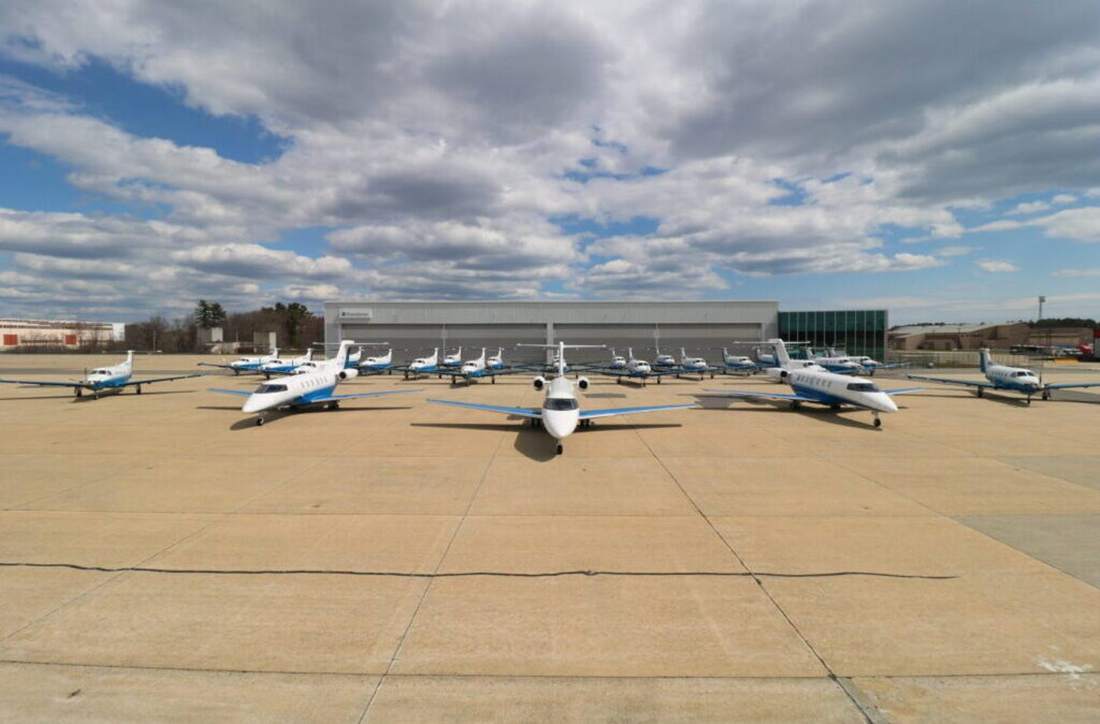
MROs use CRM to pursue long-term contracts with airlines, brokers, MROs and OEMs, track quotes and renewals and focus on the capabilities they are best known for.
- Contract pursuit and renewals
- Quote follow-up automation
- Capability-led account plans
- Ad hoc work turned into contracts
For airlines and operators
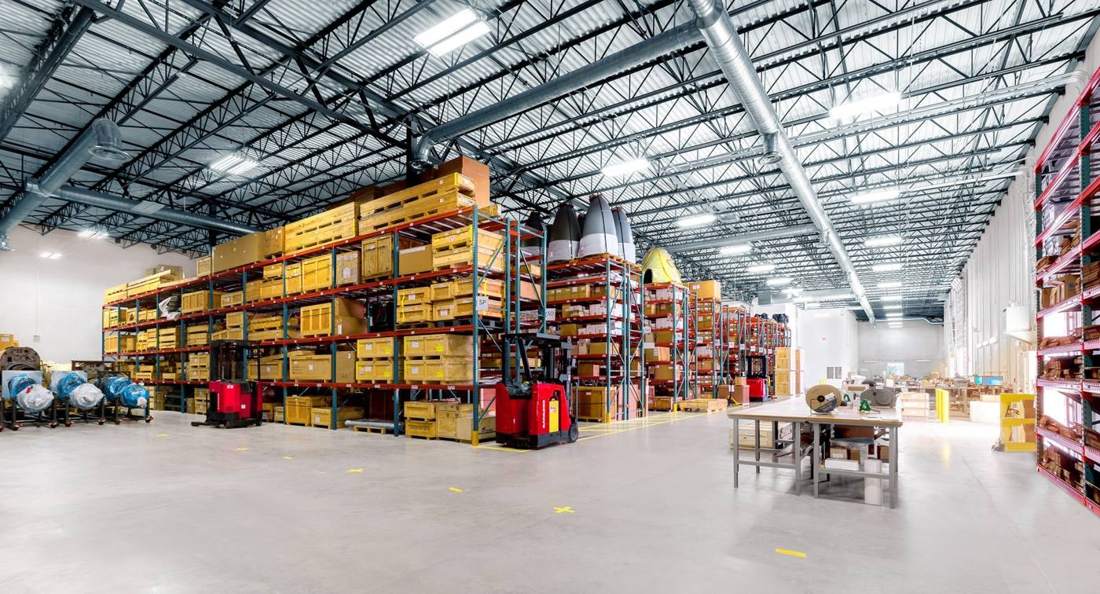
Airlines use CRM for passenger and corporate relationships, while charter and business aviation operators manage owners, brokers and repeat flyers in one place.
- Corporate and loyalty customer records
- Charter broker and owner relationships
- Trip and request history
- Personalized communication
For parts distributors and suppliers
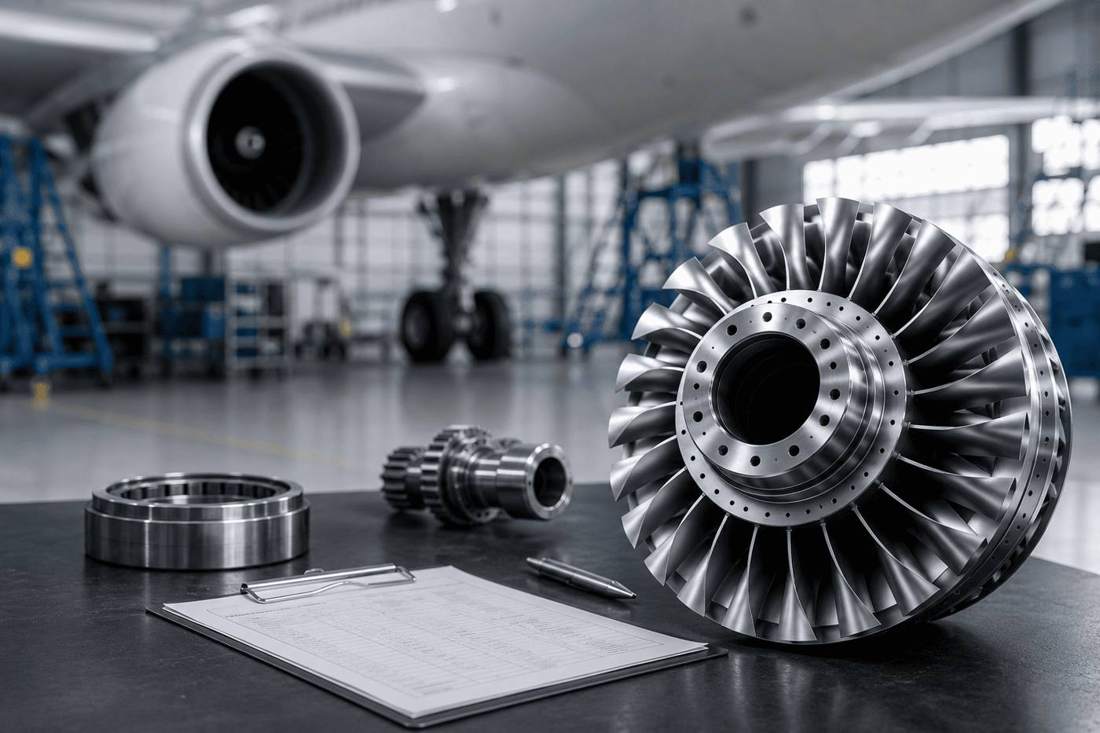
Distributors track RFQs, customer buying patterns and fleet data, so sales teams know who to call about which part numbers and when.
- RFQ and quote pipeline
- Buying patterns by customer
- Fleet-based targeting
- Lost quote follow-up
For OEMs and lessors
OEMs manage complex, multi-year aftermarket deals, while lessors track lessees, remarketing opportunities and transition timelines across the portfolio.
- Multi-year aftermarket deals
- Lessee relationship management
- Remarketing pipeline
- Contract and transition timelines
Spreadsheets and inboxes versus CRM for aviation
Many aviation sales teams still run on spreadsheets and personal inboxes. Here is what changes with a CRM.
| Area | Spreadsheets and inboxes | CRM for aviation |
|---|---|---|
| Customer history | ✕ In individual inboxes | ✓ Shared, complete record |
| Pipeline | ✕ Updated before meetings, if at all | ✓ Live and visible to the team |
| Quote follow-up | ✕ Depends on memory | ✓ Automated reminders |
| Contract renewals | ✕ Discovered late | ✓ Alerted months ahead |
| Marketing | ✕ Generic, untracked emails | ✓ Targeted, measured campaigns |
| Staff turnover | ✕ Relationships walk out the door | ✓ History stays with the company |
"We live on ad hoc work."
The fix: a sales and marketing strategy that pursues long-term contracts with airlines, MROs, brokers and OEMs, with tailored packages and analytics that turn ad hoc work into contracted inflow.
"Our capabilities list is out of date."
The fix: apply the 80/20 rule to the roadmap, focus on what you are known for in quality and turnaround and build centers of excellence that maximize profit per square foot.
"When a salesperson leaves, the account goes too."
The fix: a shared CRM keeps every contact, conversation and commitment with the company, not in one person’s inbox.
"Quotes go out and nobody follows up."
The fix: automated follow-ups and pipeline reports make sure every quote gets chased and every renewal is planned.
What CRM for aviation is worth
CRM pays back through more quotes won, more contracts renewed and less time lost.
- Higher quote win rates from consistent follow-up
- More revenue under long-term contracts
- Fewer missed renewals
- Hours saved on reporting and admin
A small improvement in win rate on the quotes you already send often pays for a CRM many times over. Use the calculator to see what a few extra points could be worth.
How to get started with CRM for aviation
CRM projects succeed when they start with how your team sells, not with the software’s feature list.
Map your sales process
Write down how leads become quotes, quotes become orders and orders become contracts.
Clean your customer data
Merge duplicate accounts and contacts from spreadsheets, inboxes and your ERP.
Connect to your ERP
Link quotes, orders and invoices so the CRM reflects what actually happened.
Launch with the sales team
Start with pipeline and follow-up, the features salespeople feel value from first.
Add marketing and insight
Layer in campaigns, service and profitability reporting once the basics are used daily.
Not sure which CRM fits your sales model? The Solution Finder scopes it in about three minutes and matches you with vetted vendors.
How to choose a CRM for aviation
Generic CRMs work for many industries. Aviation adds fleets, contracts, part numbers and long sales cycles. Use these criteria to compare.
Aviation data model
Ask whether the CRM can track fleets, aircraft types, capabilities and part numbers, not just contacts.
ERP integration
Quotes, orders and invoices should sync with your ERP to avoid double entry.
Contract management
Look for contract terms, renewal alerts and multi-year deal support.
Marketing tools
Check campaign, email and segmentation features, or a clean link to your marketing platform.
Mobile access
Salespeople at trade shows and customer sites need full access on a phone.
Total cost
Include licenses, configuration, integration and admin time.
Adoption support
A CRM nobody updates is worthless. Ask how the vendor drives adoption.
CRM providers in the Aero NextGen network
A sample of providers listed under customer relationship management, shown alphabetically. A listing is not an endorsement; the Solution Finder matches you on fit.





Monica Badra
Founder and CEO, Aero NextGen
Guidance from people who have run aviation operations
Aero NextGen was founded by Monica Badra, who has spent more than a decade inside aviation translating real business needs into the right technology. That experience shapes how we approach CRM for aviation: focus on the customers who drive profit, and make sure every relationship belongs to the company.
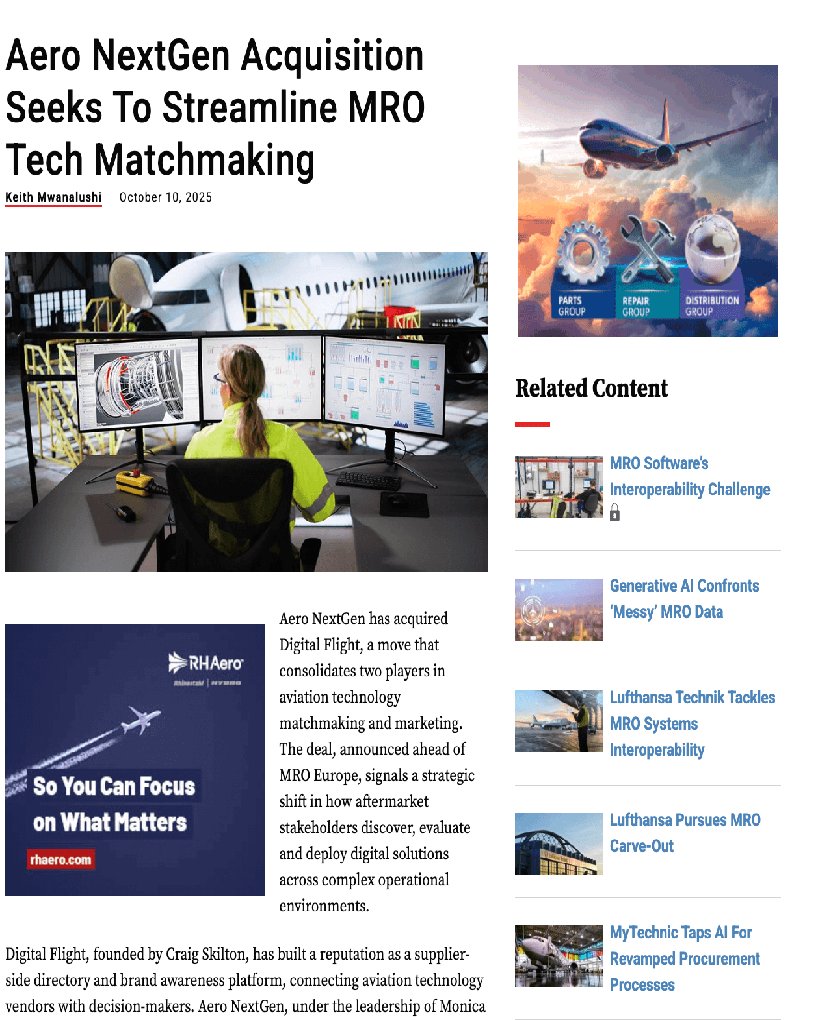
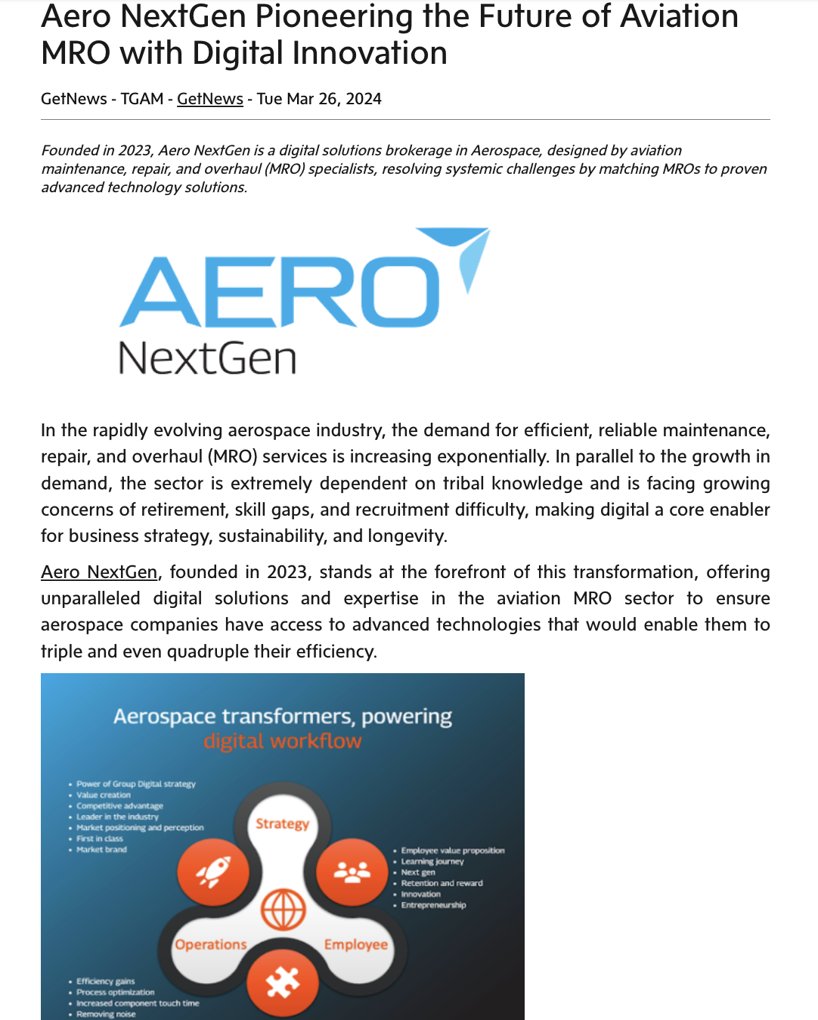
We are vendor-neutral. We do not resell software, and our matching is based on your operation, your systems and your budget. Our perspective on digital MRO and aviation technology has been featured across the industry press.
CRM for aviation FAQs
The questions aviation leaders ask us most before they start. Have one we did not cover? The Solution Finder routes it to the right expert.

What is CRM for aviation MRO?
CRM centralizes customer data and interactions, including contact management, sales automation, lead management and service, so MROs can personalize service and deepen relationships at every touchpoint.
How does a CRM help MROs win more business?
It tracks opportunities, quotes and conversions and powers targeted campaigns, helping MROs pursue long-term contracts and reduce reliance on ad hoc work.
What can MROs do with CRM data?
Centralize customer data, track interactions and analyze behavior and preferences to make better business development and service decisions.
Is a general CRM good enough for aviation?
Often yes, if it can be configured for fleets, capabilities and contracts and integrated with your ERP. Some aviation-specific CRMs come with this built in.
How does CRM connect to a customer portal?
The CRM holds the relationship; the customer portal gives customers self-service access. Together they give sales and customers the same picture.
How long does a CRM rollout take?
Core pipeline and contact management can launch in weeks. Marketing, service and integrations usually follow in phases.
What is the 80/20 rule in MRO sales?
A small share of customers and capabilities usually drive most of the profit. CRM data helps identify them so sales effort goes where it pays.
How do I get started with CRM?
Start with the free Solution Finder. It maps your customer, sales and service needs and matches you to the right CRM.
Technologies that work hand in hand with CRM
Give customers live repair status, quotes and invoices on demand.
Price RFPs and quotes with benchmarks and win-rate data.
Match sales forecasts to capacity, manpower and parts.
Turn maintenance, parts and finance data into live KPIs and forecasts.



Win the contracts that keep your shop full
Centralize customers, track every quote and renewal and focus your team on the accounts that drive profit. Start with the free Solution Finder to find the right CRM for aviation.