Home / Technologies / Training Management
Aviation training management brings course planning, scheduling, e-learning, assessments and qualification records into one system. Nobody is assigned without current training, expiries are caught months ahead and auditors get complete records in minutes. We help airlines, MROs, flight schools and training organizations find the right training platform.

Illustrative dashboard, sample values
Aviation training management is the system and process for planning, scheduling, delivering and recording training for pilots, cabin crew, technicians and ground staff. A training management system (TMS) or learning management system (LMS) tracks courses, instructors, devices and qualifications, and keeps an audit-ready record of who is current on what.
Training in aviation is relentless. Initial, recurrent, type ratings, authorizations, human factors, dangerous goods, company procedures: every role carries a matrix of requirements with different validity periods. Managing it in spreadsheets means expiries slip through, instructors and simulators are double-booked and audit preparation takes days.
A training management system replaces the spreadsheets with one source of truth. Requirements are defined per role. Expiries trigger automatic scheduling. E-learning and assessments are delivered and scored online. Instructors, classrooms and devices are booked without clashes. And when a regulator or customer asks, every record is a few clicks away.
Who is current on what, right now: one training record for every role and every station.
These six capabilities make up a complete training management platform.
Define training matrices for every position, with validity periods and regulatory references.
Book courses, instructors, classrooms and simulators without double-booking.
Deliver online courses, videos and assessments with completion tracked automatically.
Record practical assessments, check rides and competency evaluations digitally.
Automatic reminders and scheduling before recurrent training or authorizations lapse.
Complete, searchable training records and certificates for regulators and customers.
Aviation must train millions of new people over the next two decades.
Boeing forecasts demand for about 2.4 million new pilots, technicians and cabin crew through 2044. Every one of them needs initial training, and every existing employee needs recurrent training on top.
Training departments cannot scale that workload on spreadsheets. A training management system automates scheduling and records, so instructors spend their time teaching rather than administering.
New commercial pilots needed worldwide through 2044.
New commercial aviation technicians needed worldwide through 2044.
New cabin crew needed worldwide through 2044.
These are the improvements training managers report most often after moving off spreadsheets.

“Training is a safety system. Its records should be as reliable as the aircraft.”
The Aero NextGen advisory principle
Automatic alerts and scheduling keep everyone current, so no one works or flies outside their qualifications.
Instructors, rooms and simulators are used fully, without clashes or last-minute cancellations.
Online modules let people train at outstations and around shifts, cutting travel and time away from work.
Records are complete and searchable, so audits and customer reviews take minutes, not days.
Dashboards show completion, pass rates and upcoming demand, helping plan instructor capacity.
Structured initial training paths get new hires productive sooner, which matters during a workforce shortage.
Training needs vary across the industry. Pick your organization to see where a training system usually helps first.

Airlines manage training for pilots, cabin crew and ground staff across bases, with qualifications feeding directly into crew rostering.

MROs track type training, authorizations, human factors and company procedures for every technician and inspector.

Flight schools and approved training organizations schedule students, instructors and aircraft and track progress against syllabus requirements.

OEMs and service providers deliver customer training and track certification of field engineers and partner technicians.
Here is what changes when training moves from spreadsheets and paper files into a dedicated system.
| Area | Spreadsheets and paper | Training management system |
|---|---|---|
| Expiries | ✕ Caught late, if at all | ✓ Alerted and scheduled automatically |
| Scheduling | ✕ Clashes and double-booking | ✓ Resources booked without conflict |
| Delivery | ✕ Classroom only | ✓ Blended online and classroom |
| Records | ✕ Paper files across sites | ✓ Searchable digital records |
| Audits | ✕ Days of preparation | ✓ Minutes to pull records |
| Rostering link | ✕ Manual checks | ✓ Qualifications feed rosters |
The fix: requirements by role with automatic alerts and scheduling make sure recurrents are booked well before they expire.
The fix: resource scheduling books instructors, rooms and devices together, avoiding double-booking and wasted sessions.
The fix: complete, searchable digital records let quality teams answer regulators and customers in minutes.
The fix: online modules and assessments let people train where they are, around their shifts.
Training systems pay back through administration saved and risk avoided.
Administration is the easiest saving to measure. Count the hours your team spends scheduling, chasing and filing training records each week.
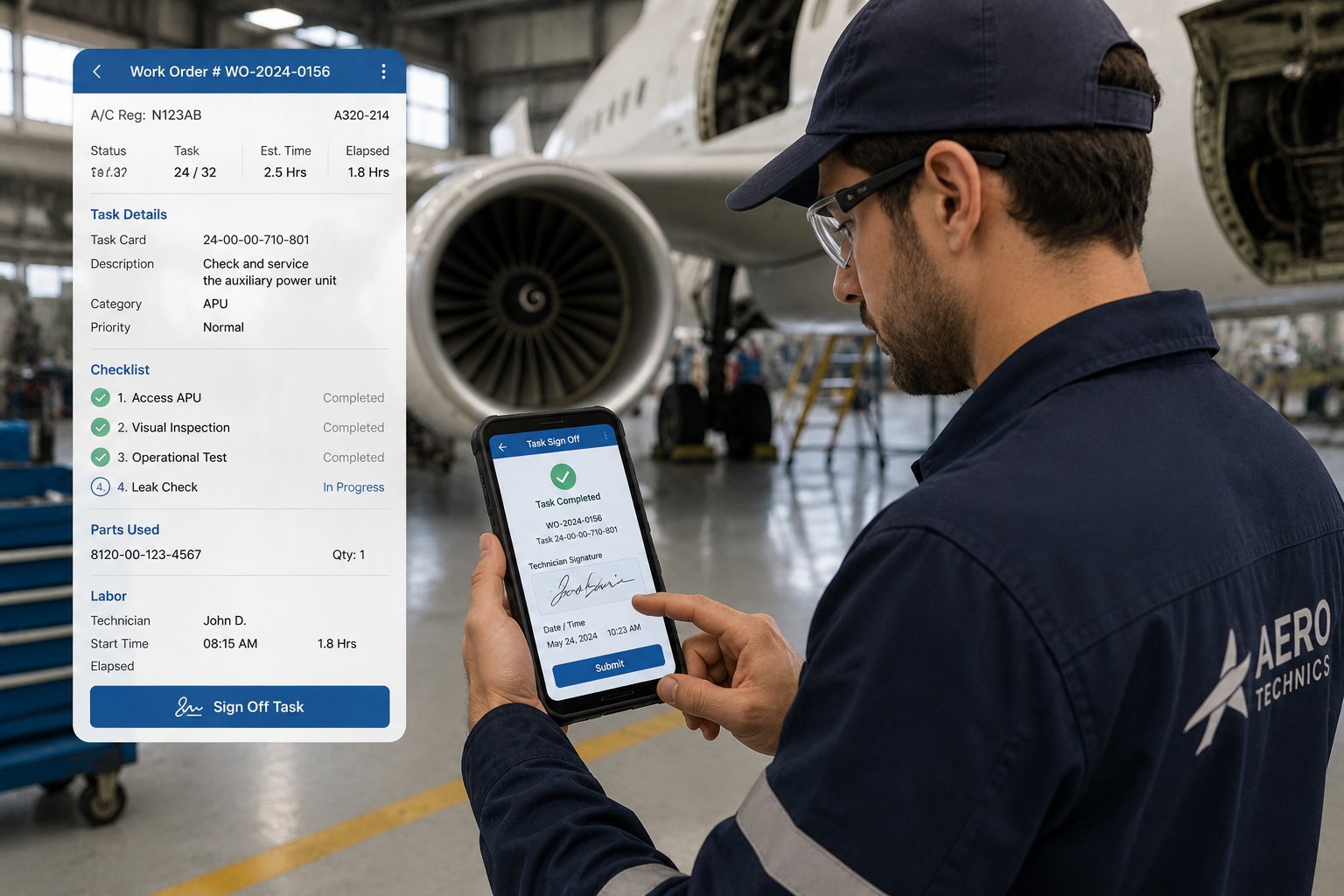
Training systems succeed when requirements are clear before records are migrated.
Build the training matrix for every position, with validity periods and references.
Collect and verify current qualifications and expiries before migration.
Match platforms to your organization: airline, MRO, flight school or OEM.
Link qualifications to crew rostering and technician authorizations.
Shift suitable modules to e-learning and track completion automatically.
Not sure which training system fits your organization? The Solution Finder scopes it in about three minutes and matches you with vetted vendors.
Corporate LMS tools track courses. Aviation needs qualifications, authorizations and regulatory records. Use these criteria to compare.
Confirm the system supports your authority's training and record keeping requirements.
Look for role-based matrices, validity periods and prerequisite rules.
Check scheduling of instructors, simulators, aircraft and rooms.
Qualifications should feed crew rostering, maintenance authorizations and HR.
Assess the LMS for e-learning, assessments and mobile access.
Include licenses, content migration and administrator training.
Ask how historic training records will be migrated and verified.
A sample of providers listed under training management, shown alphabetically. A listing is not an endorsement; the Solution Finder matches you on fit.

Monica Badra
Founder and CEO, Aero NextGen
Aero NextGen was founded by Monica Badra, who has spent more than a decade inside aviation translating real business needs into the right technology. That experience shapes how we approach aviation training management: define the requirement once, automate the reminders and keep the record bulletproof.
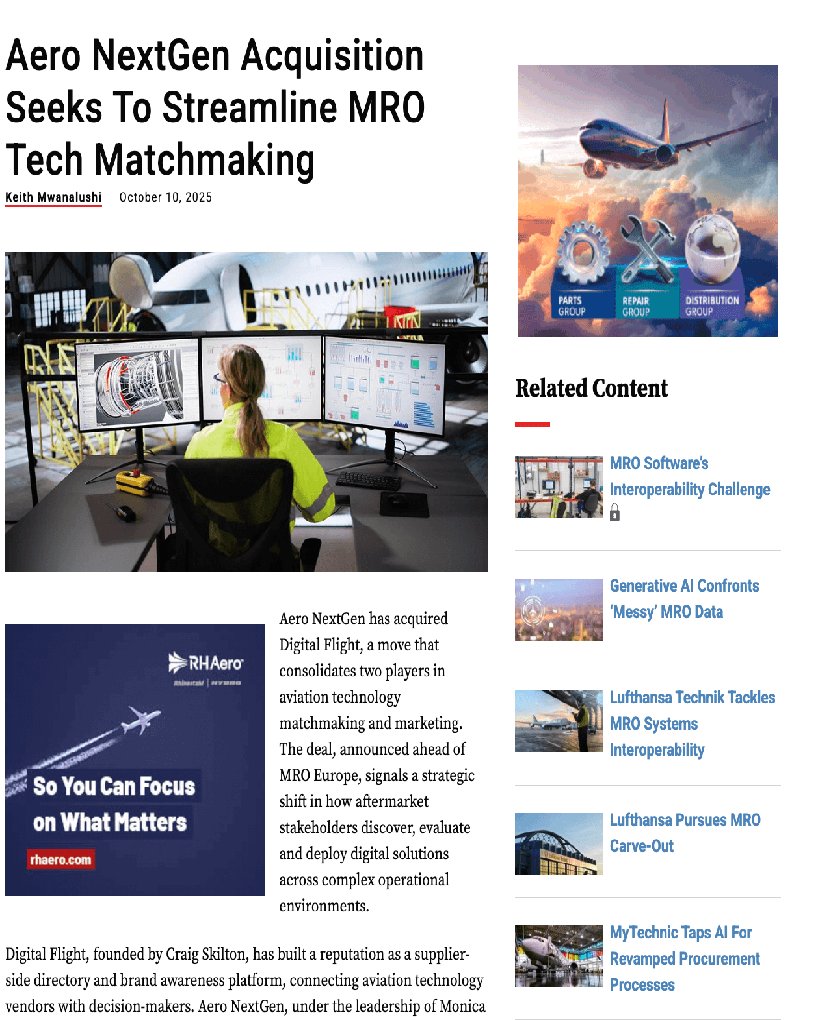
We are vendor-neutral. We do not resell software, and our matching is based on your operation, your systems and your budget. Our perspective on digital MRO and aviation technology has been featured across the industry press.
The questions aviation leaders ask us most before they start. Have one we did not cover? The Solution Finder routes it to the right expert.
It is the system and process for planning, scheduling, delivering and recording training for pilots, cabin crew, technicians and ground staff, with qualifications tracked by role.
An LMS delivers and tracks online learning. A training management system adds scheduling, resources, qualifications and regulatory records. Many aviation platforms combine both.
It tracks validity periods for every requirement and automatically alerts and schedules training before expiry.
Yes. Qualifications feed crew management systems so expired currency blocks assignments.
Yes. MRO-focused systems track authorizations, scopes and continuation training for every technician and inspector.
Many theory and recurrent modules can be, where regulations allow. Practical training and checks remain hands-on or in simulators.
Smaller organizations can go live in weeks. Large multi-base airlines usually take a few months, mostly for data migration.
Start with the free Solution Finder. It maps your training and compliance pain points and matches you to the right training management system.
Train technicians faster in realistic, risk-free 3D scenarios.
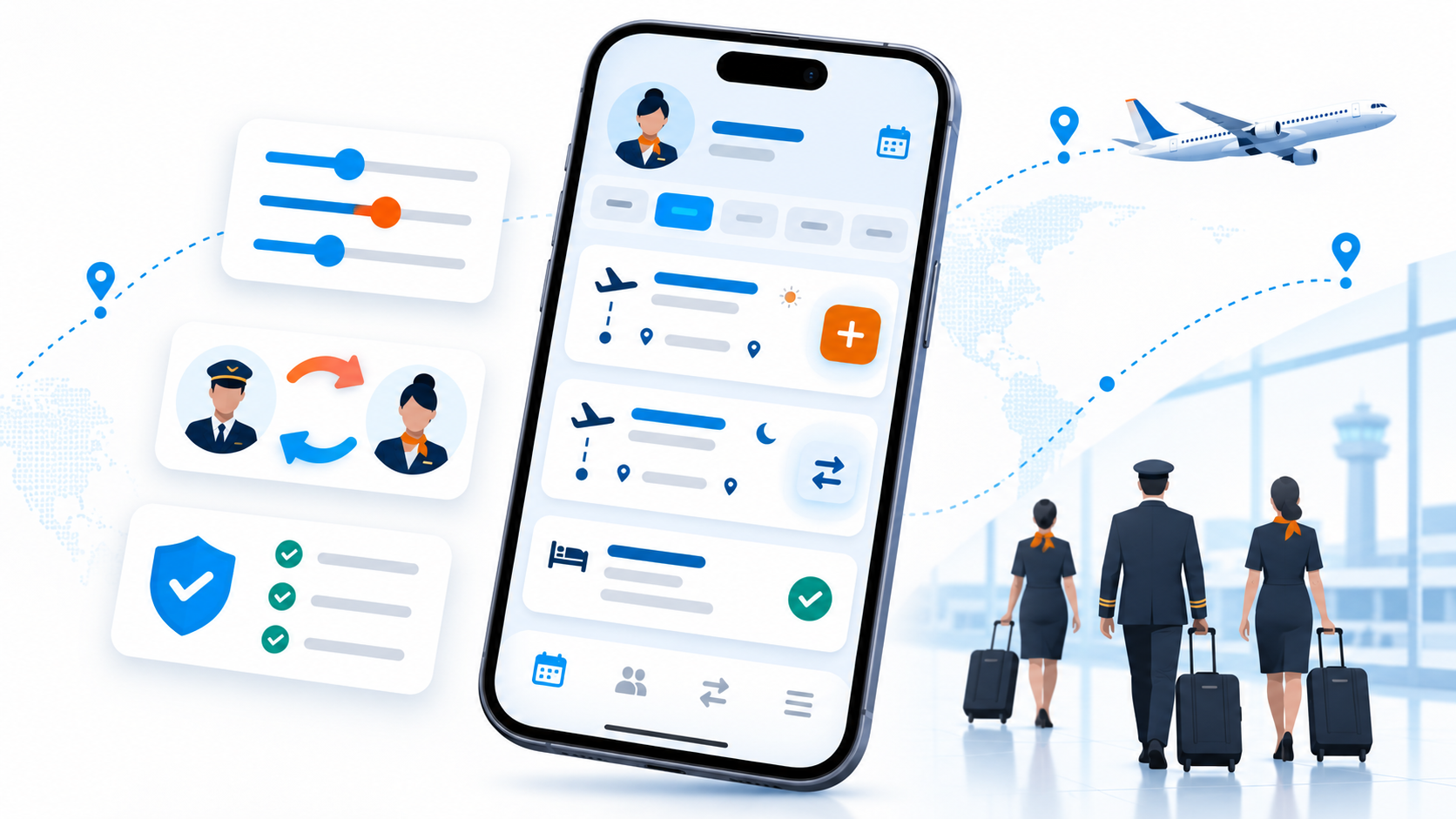
Rostering, qualifications and crew logistics without spreadsheet chaos.
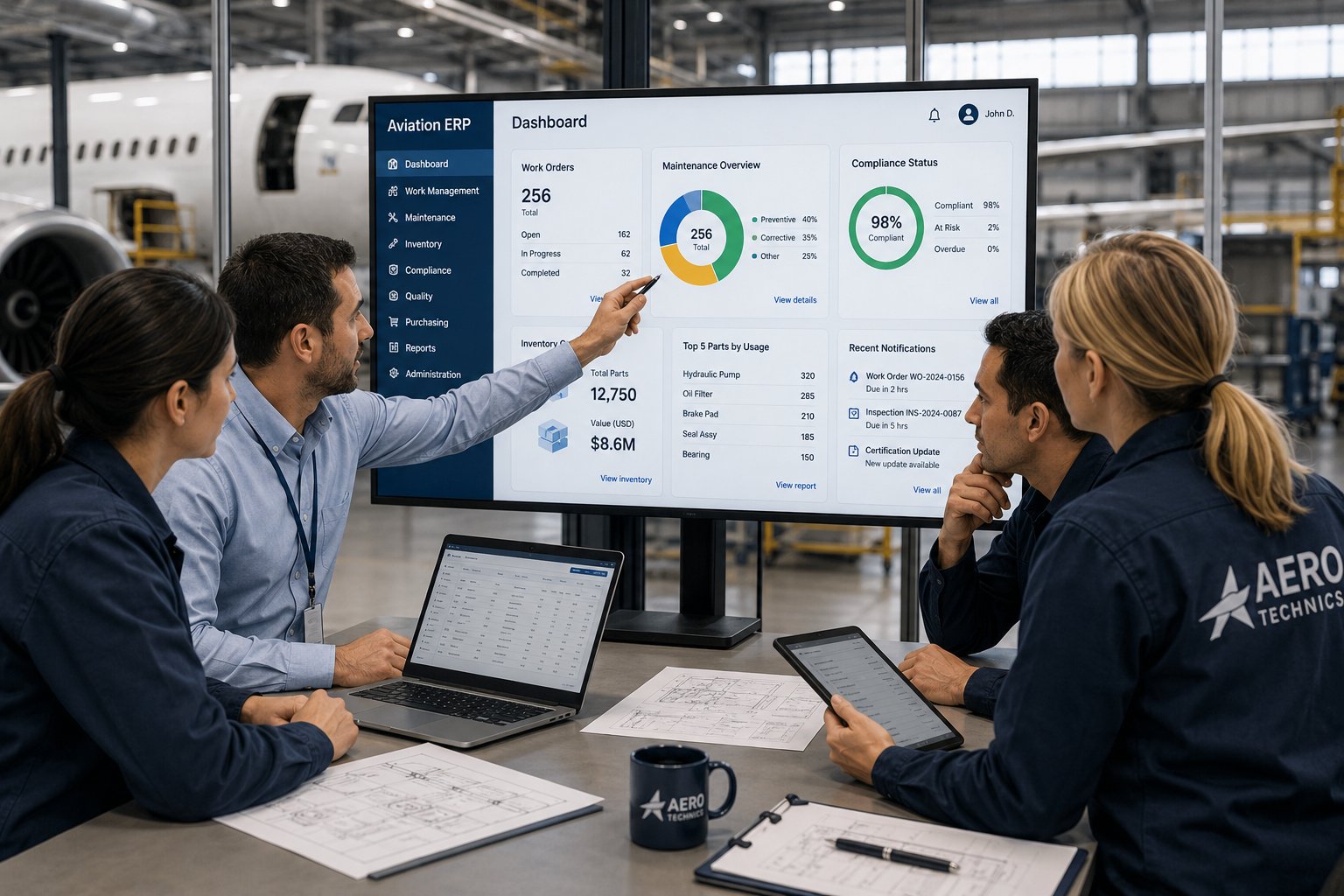
Build the leaders and culture that make transformation stick.
Report, assess and manage safety risk with ICAO-aligned workflows.
Plan, deliver and record training in one system so nobody lapses and every audit is simple. Start with the free Solution Finder to find the right aviation training management platform.