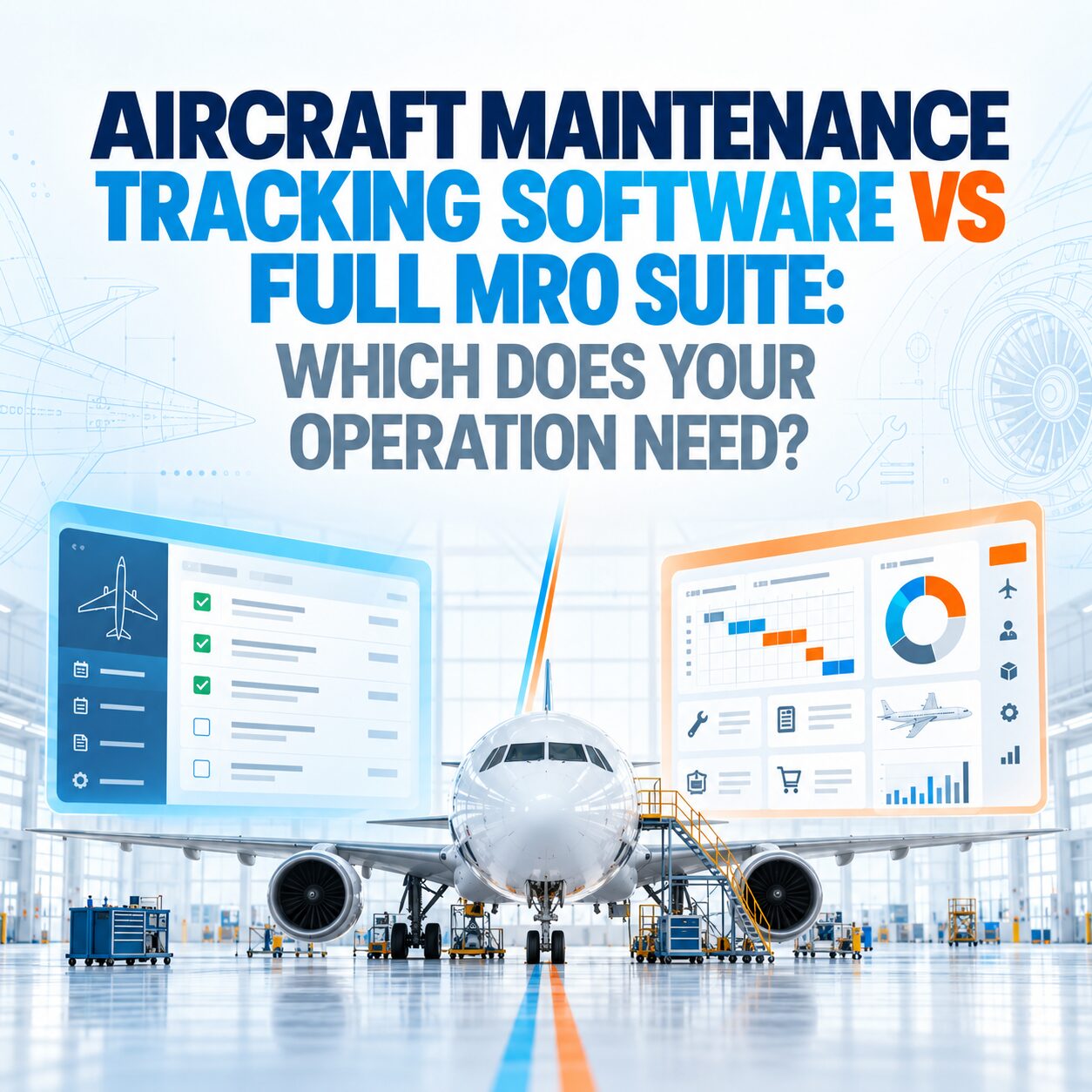
Aircraft need regular inspections, repairs, component work, and major maintenance throughout their operating lives. If you are asking what is aviation MRO, MRO stands for maintenance, repair, and overhaul. It covers the technical work, people, facilities, systems, and processes used to keep aircraft, engines, and components safe, airworthy, and available for operation.
Aviation MRO can include routine work between flights, major scheduled checks, engine overhauls, component repairs, structural work, technical records, parts management, and maintenance planning. Airlines may perform some work internally, while independent MRO organizations can provide maintenance services to several operators. Modern MRO operations also rely heavily on software and data to coordinate increasingly complex workloads.

Maintenance Forms the Foundation of MRO
Maintenance includes the inspections, servicing, adjustments, and scheduled tasks that help aircraft continue operating correctly. Technicians follow approved maintenance programs and technical information to inspect engines, structures, landing gear, avionics, flight controls, and other systems. Some tasks occur frequently, while larger inspections may take aircraft out of service for extended periods.
Maintenance planning plays an equally important role. Teams need to know when tasks become due and which technicians, tools, parts, and facilities they will require. Strong planning gives organizations time to prepare resources before the aircraft enters maintenance. This can reduce unnecessary downtime while ensuring teams complete required work correctly.
Repair Addresses Aircraft and Component Problems
Aircraft can develop defects through normal operation, wear, environmental exposure, or unexpected events. Repair work corrects these problems so the aircraft or component can return to an acceptable condition. Technicians may troubleshoot electrical faults, repair structural damage, replace failed components, or correct issues found during inspections.
Repairs can range from relatively small jobs to complex technical work. Some repairs take place directly on the aircraft, while organizations send specialized components to dedicated repair facilities. Accurate technical records matter because future technicians need to know what work occurred, which parts were installed, and whether additional inspections may become necessary.

Overhaul Involves More Extensive Maintenance
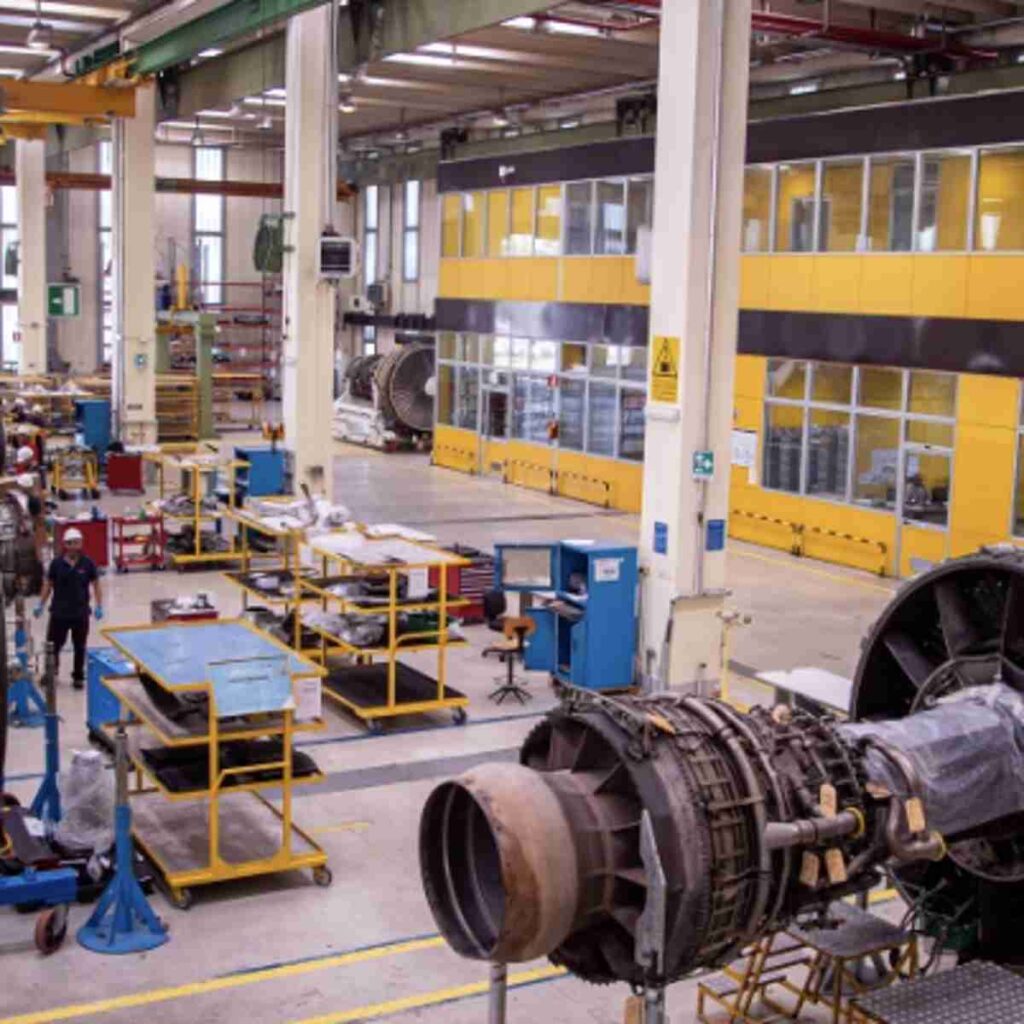
Overhaul usually involves deeper work than routine maintenance or repair. Technicians may remove an engine or component, disassemble it, inspect individual parts, replace worn items, rebuild the assembly, and complete testing before returning it to service. Engine, landing gear, and component shops commonly perform this type of specialized work.
Understanding what is aviation MRO also means recognizing that overhaul can require substantial planning. Organizations may need specialized tooling, trained technicians, test equipment, engineering support, and replacement parts. Turnaround time becomes important because every extra day an engine or component remains in the shop can affect aircraft availability.
Line Maintenance Supports Daily Flight Operations
Line maintenance takes place close to normal aircraft operations. Technicians may inspect an aircraft between flights, correct minor defects, replace smaller components, service fluids, or investigate problems reported by pilots. Teams often perform this work at airports where time matters because aircraft need to return to the schedule.
Speed does not remove the need for accuracy. Technicians still follow approved procedures and complete required documentation. Good communication between maintenance, operations, flight crews, and materials teams helps reduce avoidable delays. Access to accurate records and parts information can also make troubleshooting faster when an aircraft develops an unexpected problem.
Heavy Maintenance Requires Detailed Planning
Heavy maintenance takes aircraft out of normal service for more extensive inspections and work. Teams may open structural areas, inspect for corrosion or damage, replace components, complete modifications, and perform detailed system testing. These maintenance events can involve hundreds or thousands of individual tasks.
Planning teams need to coordinate hangar space, labor, technical documents, tooling, parts, and external services. Unexpected findings can add work after the aircraft enters the facility. This is one reason what is aviation MRO involves much more than technicians performing repairs. Successful MRO operations depend on planning, materials, engineering, records, quality, and operations working together.

MRO Organizations Can Specialize in Different Services
Some MRO providers work on complete aircraft, while others specialize in engines, avionics, landing gear, wheels, brakes, or other components. Large organizations may offer line maintenance, base maintenance, component repair, and engine services across several locations. Smaller facilities can focus on a narrow technical specialty.
In the United States, the FAA regulates certificated repair stations under 14 CFR Part 145. The FAA’s Part 145 repair station guidance explains that certificated repair stations perform approved maintenance, inspection, and alteration work on aircraft and aircraft products. Repair stations can only perform work within the ratings and capabilities for which they hold approval.
Parts and Supply Chain Management Affect MRO Performance
Aircraft maintenance depends on having the correct parts available when technicians need them. A maintenance team may identify a problem quickly but still face extended downtime if a required component is unavailable. MRO organizations therefore coordinate closely with purchasing, inventory, logistics, and suppliers.
Inventory management requires balance. Holding too many expensive aviation parts ties up capital, while carrying too little can delay maintenance. Organizations can use maintenance forecasts, repair history, supplier lead times, and fleet utilization to prepare for upcoming demand. Better supply chain visibility can reduce waiting time and improve maintenance planning.
Digital Technology Is Changing Aviation MRO
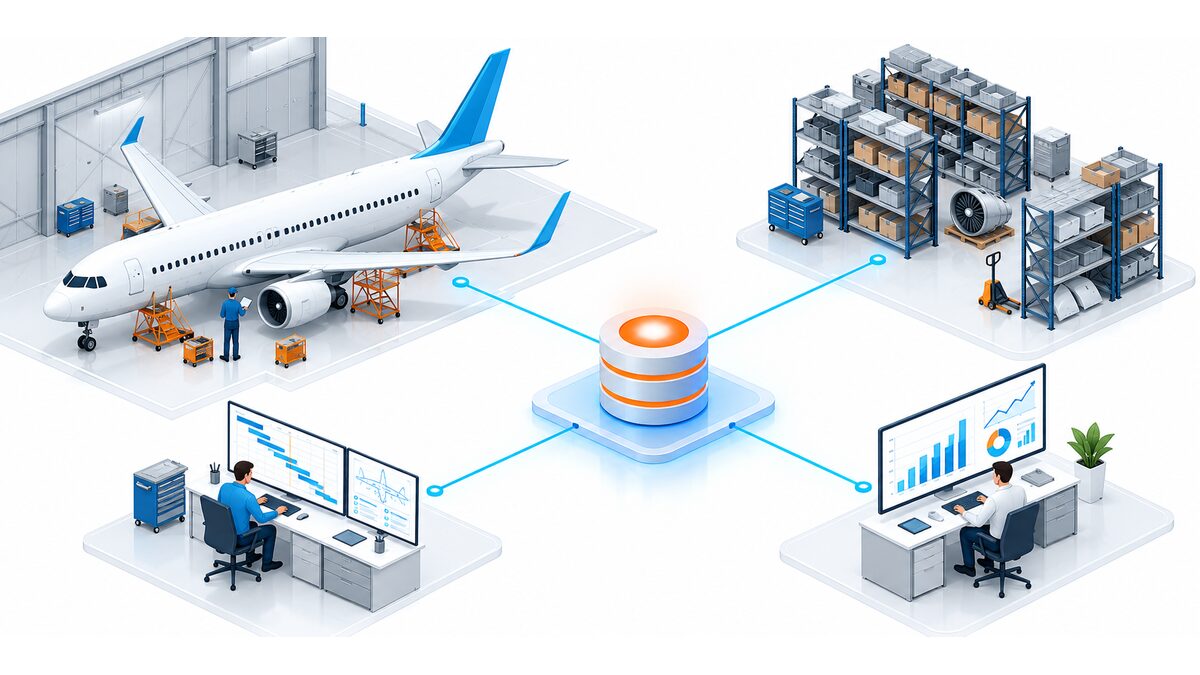
Modern MRO organizations manage large amounts of information. Teams track maintenance schedules, work orders, aircraft status, component histories, technical records, parts, labor, quality, and customer requirements. Disconnected spreadsheets and paper systems can make this information harder to manage as operations grow.
Aero Next Gen’s digital transformation in aviation MRO resource discusses how cloud-based maintenance platforms can improve access to records, maintenance schedules, and operational data. These systems can create a more centralized view of maintenance activity and reduce dependence on fragmented paper-based processes.
Predictive Maintenance Supports More Proactive Planning
Traditional maintenance programs rely heavily on scheduled tasks and inspections. Modern aircraft also generate operational and condition data that organizations can analyze for developing problems. Predictive maintenance uses historical and real-time information to identify patterns that may indicate potential equipment failures.
Aero Next Gen’s predictive maintenance for aviation and MRO resource explains how AI and machine learning can support earlier fault detection and maintenance scheduling. Predictive tools do not replace approved maintenance programs or technician judgment. Instead, they provide additional information that teams can use to plan maintenance more proactively.
MRO Software Connects Maintenance Operations
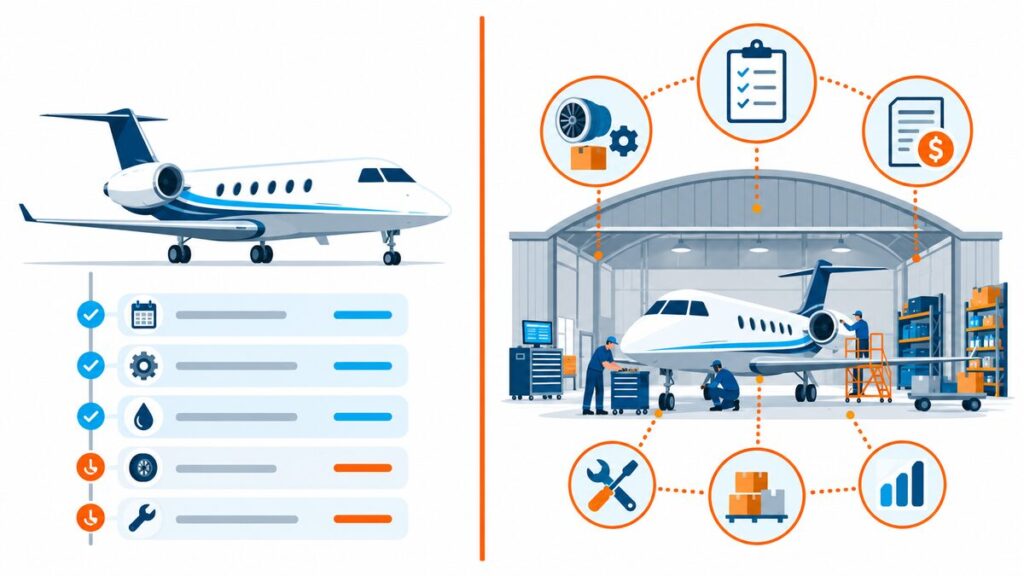
Software has become a central part of what is aviation MRO in modern organizations. MRO platforms can help manage work orders, maintenance planning, inventory, labor, technical records, component histories, quality processes, and reporting. Some systems focus heavily on maintenance, while broader aviation ERP platforms connect maintenance with finance, procurement, and customer management.
The value of software depends on how well it fits the operation. A component repair shop may need different workflows from an airline heavy-maintenance facility. Organizations should map their processes, integrations, compliance needs, and reporting requirements before selecting a platform. The strongest system is not always the one with the most features. It is the one that supports real maintenance workflows with reliable information.
Skilled People Remain Central to Aviation MRO
Technology can improve visibility, but aviation MRO still depends on trained professionals. Aircraft mechanics inspect and repair equipment, engineers support technical decisions, planners organize maintenance events, materials teams source parts, and quality personnel help ensure that processes meet applicable requirements.
These groups need strong communication because a single maintenance event can involve several departments. A technician may identify the repair, engineering may provide technical support, purchasing may locate a part, and planning may adjust the schedule. Effective teamwork helps keep maintenance moving without sacrificing technical standards.
Conclusion
So, what is aviation MRO? It is the complete maintenance, repair, and overhaul environment that helps keep aircraft, engines, and components safe, serviceable, and available. MRO includes line maintenance, heavy checks, repairs, overhauls, parts management, technical records, planning, quality, and the skilled professionals who perform and support the work.
Aero Next Gen helps airlines, MROs, fleet operators, OEMs, and distributors identify aviation-specific software and service providers. Its vendor-neutral solution ecosystem includes hundreds of vetted providers across maintenance, ERP, predictive analytics, inventory, and other aviation technologies. For organizations evaluating how to improve MRO operations, matching technology with actual maintenance workflows can support better visibility, planning, and operational efficiency.