Aviation shapes how people, goods, businesses, and governments move across the world. If you are asking what is aviation, the term refers to the operation, development, maintenance, and support of aircraft and flight. It covers much more than airplanes in the sky. Airlines, airports, maintenance organizations, air traffic control, aircraft manufacturers, flight schools, and technology providers all form part of the aviation industry.
Modern aviation depends on thousands of connected activities. Pilots operate aircraft, technicians maintain them, controllers organize air traffic, and engineers improve aircraft systems. Behind these visible roles are software platforms, supply chains, safety teams, fleet managers, and regulatory organizations. Together, they create the infrastructure that allows aircraft to operate safely and efficiently.
Aviation Covers More Than Flying Aircraft
People often associate aviation with pilots and passenger airplanes. Flight operations certainly form an important part of the industry, but aviation begins long before an aircraft takes off. Companies must purchase or lease aircraft, train crews, plan routes, arrange fuel, schedule maintenance, manage parts, and meet regulatory requirements. Airports also need facilities and ground services that support every arrival and departure.
This broader view helps explain what is aviation as an industry rather than simply an activity. An aircraft may spend only part of its day flying, but a large network works continuously behind it. Maintenance teams prepare equipment, dispatchers support flight planning, ground crews service aircraft, and operations teams manage schedules. Aviation depends on all of these functions working together.
Commercial Aviation Connects Global Markets
Commercial aviation includes airlines and other operators that transport passengers or cargo for business purposes. Passenger airlines connect cities through scheduled routes, while cargo operators move parcels, medical supplies, industrial equipment, food, and other goods. Charter companies provide another model by operating flights based on individual customer needs rather than fixed schedules.
Commercial operators manage complex fleets and schedules. They must coordinate crews, aircraft availability, maintenance, airports, fuel, weather, and passenger or cargo requirements. A problem in one area can affect several flights. For this reason, airlines increasingly depend on connected technology and real-time data to coordinate operations across departments.
General Aviation Serves a Wide Range of Missions
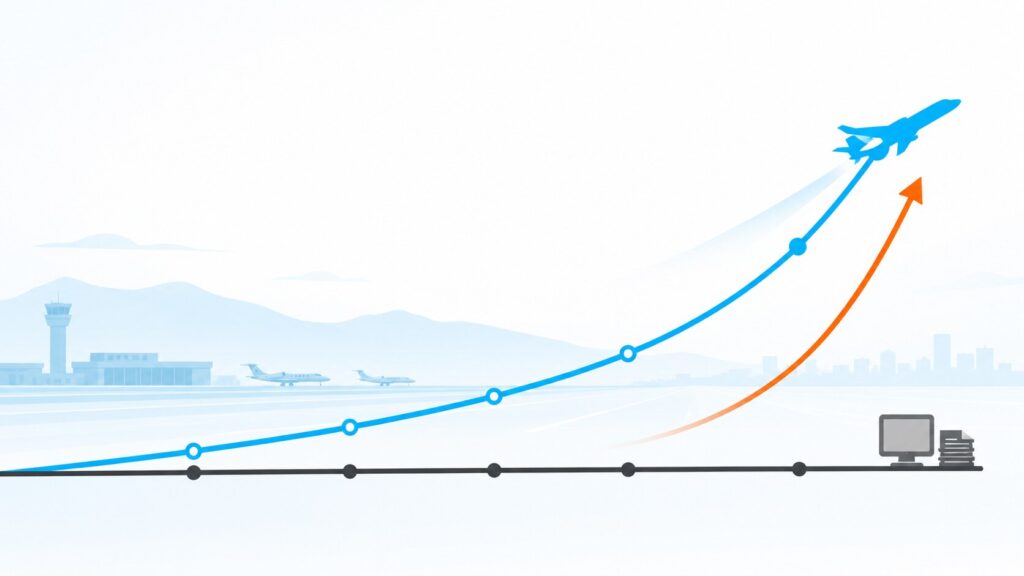
General aviation covers many civilian operations outside scheduled airline service. It includes personal flying, business aviation, flight training, agricultural work, aerial surveying, medical transportation, and many charter operations. Aircraft range from small single-engine airplanes to helicopters and sophisticated long-range business jets.
These operators may have smaller fleets than major airlines, but they still need maintenance, flight planning, safety procedures, records, and operational oversight. A corporate flight department, for example, must keep aircraft available while coordinating crews and maintenance. A flight school must manage aircraft utilization while ensuring that required inspections occur on schedule.
Aeronautics Provides the Science Behind Flight
Aviation and aeronautics are closely connected, but the words have different meanings. Aviation focuses broadly on aircraft operations and the industry that supports them. Aeronautics focuses more on the science, engineering, and technology of flight. It includes subjects such as aerodynamics, propulsion, aircraft structures, flight controls, and aircraft performance.
NASA’s aeronautics program researches technologies that can improve air travel, aircraft efficiency, high-speed flight, air traffic systems, and future aircraft designs. Advances in aeronautics eventually influence aviation operations. Better propulsion systems can reduce fuel use, while improved aircraft designs can increase efficiency or expand the types of missions an aircraft can perform.
Maintenance Keeps Aircraft Ready for Operation
Aircraft require regular inspections and maintenance throughout their operating lives. Technicians inspect structures, engines, landing gear, flight controls, electrical systems, and many other components. They also troubleshoot defects, replace parts, perform repairs, and document completed work. Larger maintenance events can involve hundreds of tasks and require careful planning.
Maintenance has therefore become an important part of what is aviation in modern operations. Operators increasingly use digital systems to manage work orders, aircraft status, parts, inspections, and maintenance records. Aero Next Gen’s predictive maintenance resource also shows how historical and real-time aircraft data can support earlier fault detection and more proactive maintenance planning.
Air Traffic Management Organizes Aircraft Movement
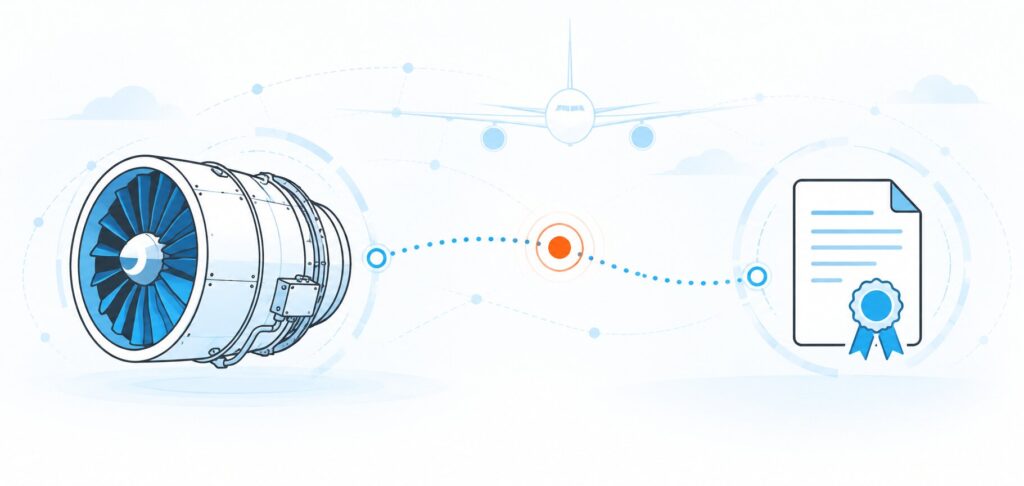
Aircraft share busy airspace with thousands of other flights. Air traffic control helps organize these movements and maintain safe separation. Controllers coordinate departures, arrivals, routes, and altitude changes while communicating with pilots. Airports and air traffic facilities also use navigation, surveillance, communication, and weather systems to support these operations.
The Federal Aviation Administration operates the U.S. air traffic control and navigation system while also regulating civil aviation safety. Its responsibilities include standards for aircraft manufacturing, operation, and maintenance. This combination of oversight and infrastructure shows how aviation depends on coordinated systems rather than individual aircraft operating independently.
Safety Shapes Every Part of Aviation
Aviation organizations use detailed procedures because small mistakes can create serious consequences. Pilots follow operating procedures, maintenance technicians use approved technical information, and air traffic controllers work within defined standards. Airlines and other operators also establish safety management processes to identify hazards and control risks before they lead to larger problems.
Safety requires more than regulatory compliance. Organizations need effective communication, training, accurate records, reliable equipment, and a culture that encourages people to report concerns. Managers also need information that helps them understand trends and recurring problems. Strong safety performance comes from combining trained people with clear procedures and reliable operational data.
Technology Is Transforming Aviation Operations
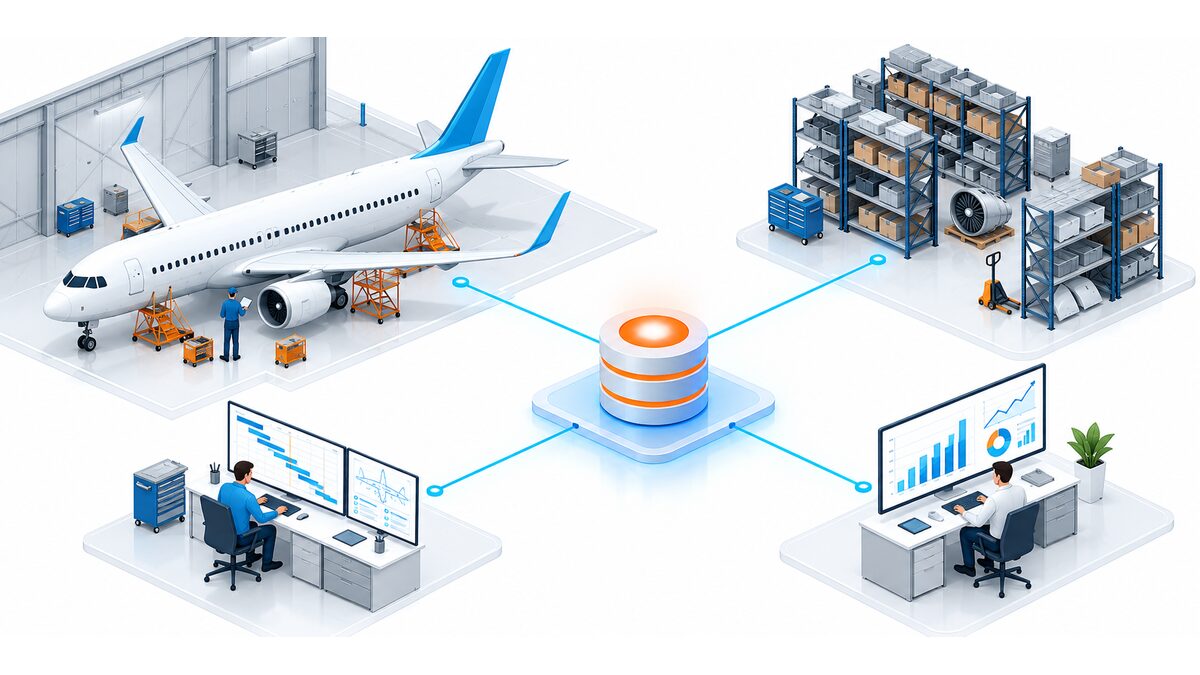
Technology now influences almost every part of aviation. Airlines use software for maintenance, fleet planning, crew management, finance, scheduling, and customer operations. MRO organizations use digital work orders and inventory systems. Other operators rely on analytics, electronic records, tracking platforms, and cloud technology to improve visibility across their businesses.
Aero Next Gen’s aviation and MRO technology overview includes ERP systems, predictive maintenance, RFID tracking, data analytics, cybersecurity, automation, and other solutions used across modern aviation operations. This digital transformation adds another layer to what is aviation today. Aircraft remain at the center of the industry, but software increasingly connects the people and processes around them.
Aviation Supports a Diverse Workforce
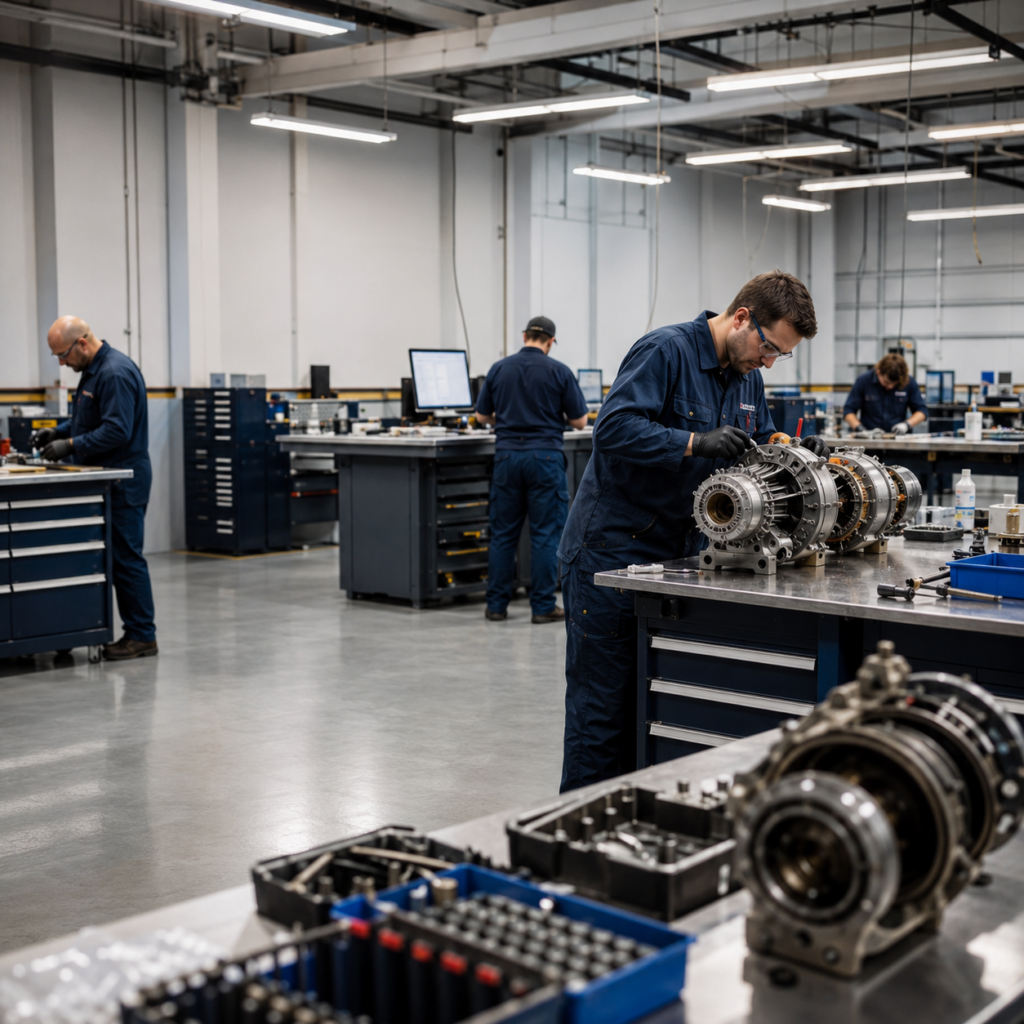
Aviation creates careers far beyond the cockpit. Aircraft mechanics maintain equipment, aerospace engineers design systems, dispatchers support flight planning, and air traffic controllers organize airspace. Airports employ operations staff, ground crews, security professionals, and customer service teams. Supply chain specialists also help ensure that maintenance organizations receive the correct parts and materials.
Digital operations have created additional roles in data analytics, cybersecurity, software implementation, systems integration, and technology management. These jobs combine aviation knowledge with modern technical skills. As the industry adopts more connected systems, professionals who understand both aircraft operations and digital technology can play an increasingly important role.
The Future of Aviation Will Become More Connected
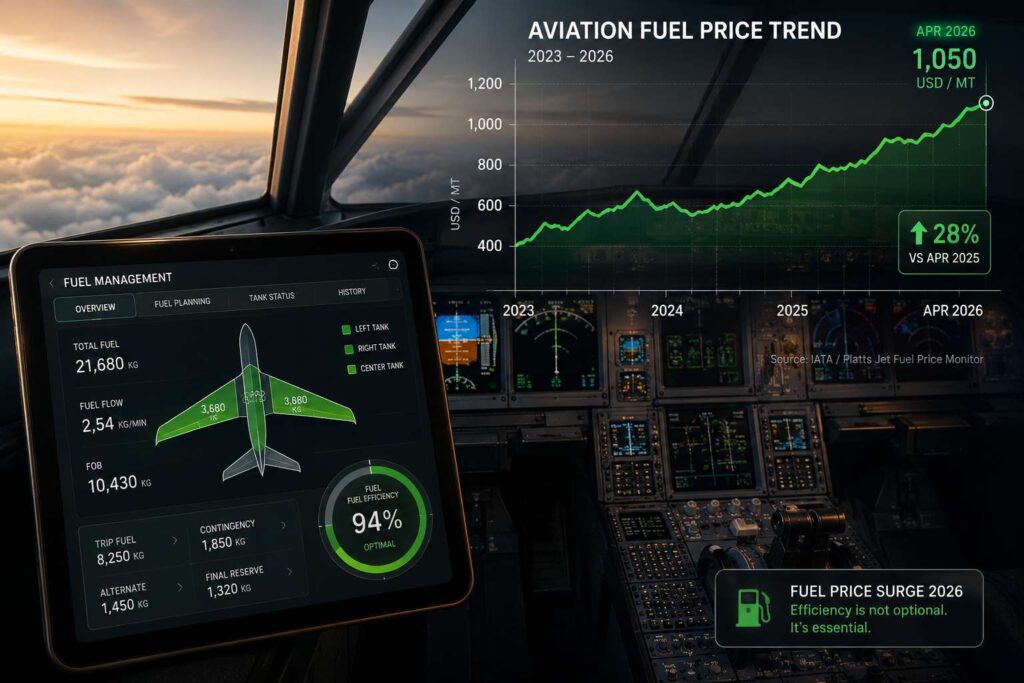
Aviation continues to change as companies adopt new aircraft designs, alternative propulsion concepts, automation, artificial intelligence, and more advanced data systems. NASA continues to research areas such as ultra-efficient aircraft, high-speed flight, and advanced air traffic management. Operators are also looking for ways to reduce fuel use, improve maintenance planning, and increase aircraft availability.
These changes will not remove the industry’s basic needs. Aviation will still require skilled people, reliable aircraft, effective maintenance, safe operations, and strong coordination. Technology can make those activities more efficient, but organizations must choose systems that fit their actual workflows. The strongest improvements connect operational experience with useful technology rather than adding digital tools without a clear purpose.
Conclusion
What is aviation? It is the complete ecosystem surrounding aircraft and flight. It includes commercial airlines, general aviation, airports, maintenance, air traffic management, engineering, safety, manufacturing, training, and technology. Each area contributes to keeping aircraft moving while supporting safe and reliable operations.
Aero Next Gen helps aviation organizations identify and compare technology solutions for MRO, fleet management, ERP, tracking, analytics, safety, and other operational needs. Its vendor-neutral approach focuses on matching companies with technology that fits their actual challenges. As aviation becomes more connected and data-driven, choosing the right systems can help operators improve visibility, maintenance, and operational performance.