Aircraft connect cities, move cargo, support emergency services, transport business travelers, and perform missions that would be difficult through other forms of transportation. If you are asking what’s aviation, the term refers to the activities, systems, people, and technologies involved in operating and supporting aircraft. Aviation includes far more than airplanes in the sky. It also covers airports, maintenance organizations, air traffic control, manufacturers, flight schools, regulators, and technology providers.
Modern aviation depends on thousands of connected activities working together. Pilots operate aircraft, technicians maintain them, controllers organize air traffic, and ground teams support departures and arrivals. Engineers, dispatchers, fleet managers, safety professionals, software specialists, and supply chain teams also play important roles. Together, these people and systems create the infrastructure that keeps aircraft moving safely and efficiently.
Aviation Includes More Than Aircraft
Aircraft may be the most visible part of aviation, but every flight depends on a much larger network. Pilots need flight plans, weather information, navigation systems, fuel, maintenance support, and airport services before an aircraft can leave the ground. After landing, ground crews, maintenance teams, and operations staff prepare the aircraft for its next flight.
This wider view helps explain what’s aviation as an industry. Aviation includes the complete operating environment around aircraft. Airlines, airports, maintenance facilities, manufacturers, training organizations, regulators, and technology companies all support flight. Each part connects with another, which makes aviation one of the most coordinated transportation industries in the world.
Commercial Aviation Moves Passengers and Cargo
Commercial aviation includes airlines and other operators that provide air transportation as a business. Passenger airlines connect domestic and international destinations through scheduled routes. Cargo operators move packages, medical supplies, industrial equipment, food, and other goods across large distances much faster than surface transportation.
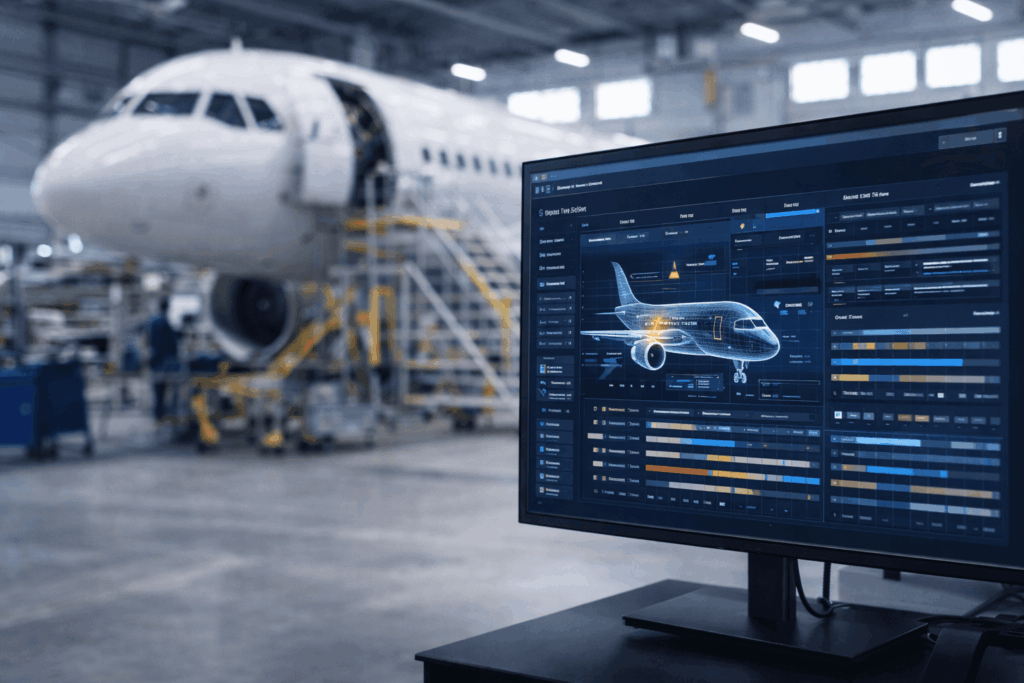
Running a commercial aviation operation requires careful coordination. Airlines must manage aircraft schedules, crews, maintenance, fuel, airports, passengers, cargo, and regulatory requirements. A maintenance delay can affect several later flights, while weather can force changes across an entire route network. This complexity explains why commercial aviation increasingly depends on accurate data and connected operational systems.
General Aviation Covers Many Types of Flying
General aviation includes many civilian operations outside scheduled airline service. Private flying, business aviation, flight training, agricultural work, medical transport, charter services, and aerial surveying can all fall within this category. Aircraft range from small piston airplanes to helicopters and advanced business jets.
These operators may use smaller fleets, but they still need maintenance, trained crews, safety procedures, records, scheduling, and operational oversight. A flight school may focus heavily on aircraft utilization and inspections, while a corporate flight department may prioritize aircraft availability and trip planning. Both remain part of the larger aviation ecosystem.
Aeronautics Provides the Science Behind Aviation
Aviation and aeronautics are closely connected, but they do not mean the same thing. Aviation generally refers to aircraft operations and the industry supporting them. Aeronautics focuses more heavily on the science and engineering of flight, including aerodynamics, aircraft structures, propulsion, flight controls, and aircraft performance.
NASA’s aeronautics program researches aircraft efficiency, high-speed flight, air traffic technologies, propulsion, and future aircraft concepts. These advances can later influence everyday aviation by improving aircraft performance, reducing fuel consumption, increasing safety, or changing how aircraft move through controlled airspace.
Aircraft Maintenance Keeps Aviation Moving
Aircraft require inspections, servicing, repairs, and component replacements throughout their operating lives. Maintenance technicians work on engines, structures, landing gear, electrical systems, flight controls, avionics, and many other components. Maintenance teams also create records so operators can track completed work and upcoming requirements.
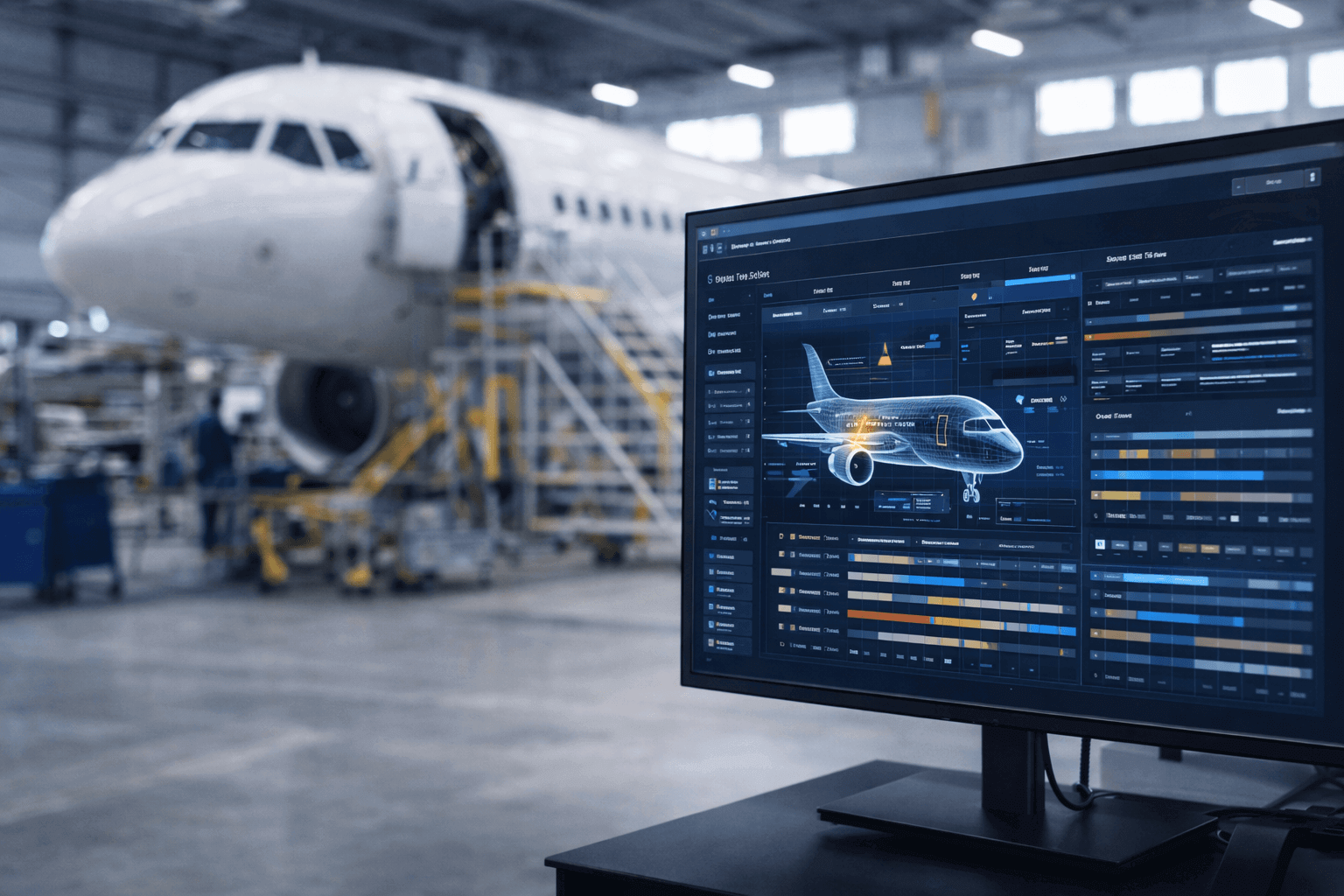
Technology increasingly supports these activities. Aero Next Gen’s aviation and MRO technology solutions include predictive maintenance, electronic techlogs, mobile applications, technical records digitization, ERP systems, analytics, and other tools designed for aviation operations. These systems can help organizations manage information around the physical maintenance work.
Air Traffic Management Organizes Aircraft Movement
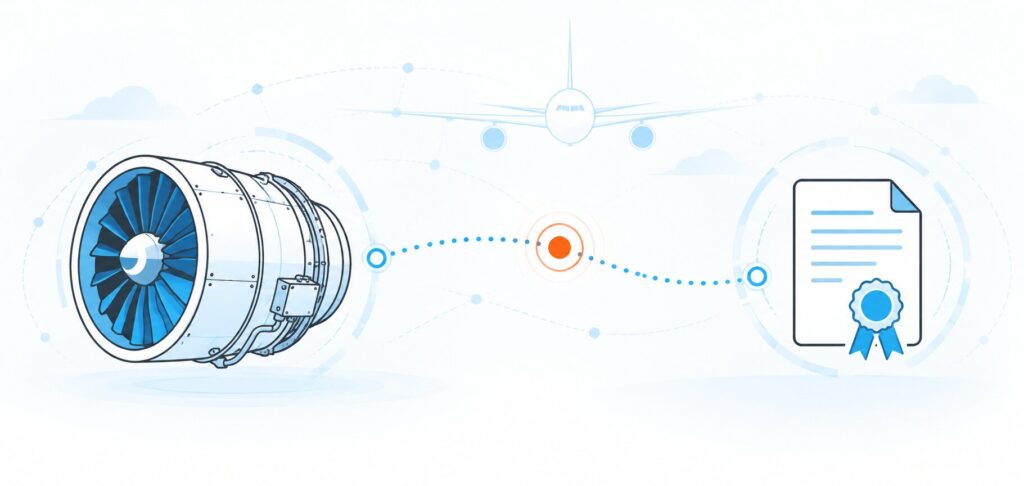
Thousands of aircraft can share the same national airspace during busy periods. Air traffic controllers help organize this movement by managing routes, departures, arrivals, altitude changes, and aircraft separation. Pilots communicate with controllers while navigation, surveillance, weather, and communication systems support the wider air traffic network.
The Federal Aviation Administration operates the U.S. air traffic control and navigation system while also regulating major areas of civil aviation. Its responsibilities include aircraft operations, maintenance standards, airspace management, certification, and aviation safety. This shows how aviation depends on coordinated infrastructure as much as individual aircraft.
Safety Shapes Every Part of Aviation
Safe aviation requires procedures, training, maintenance, communication, and effective oversight. Pilots follow operating procedures, maintenance technicians use approved technical information, and controllers work within established standards. Airlines and other operators also use safety management processes to identify hazards and reduce operational risks.
Safety is not the responsibility of one department. Decisions involving maintenance, scheduling, staffing, training, and technology can all affect operational performance. Strong aviation organizations create systems that allow employees to report concerns, managers to review trends, and teams to correct issues before they develop into larger problems.
Technology Is Changing Modern Aviation
Another important part of what’s aviation today is digital technology. Airlines and MROs use software for maintenance planning, flight operations, fleet management, crew scheduling, finance, inventory, safety, and customer services. Connected systems can move information faster between departments and give managers a clearer view of daily operations.
Aero Next Gen’s aviation technology ecosystem covers areas such as cloud ERP, predictive maintenance, flight operations, crew management, real-time tracking, cybersecurity, analytics, automation, and technical records. Technology does not replace aviation professionals. Instead, it can give them better information and reduce repetitive manual work.
Aviation Supports a Wide Range of Careers
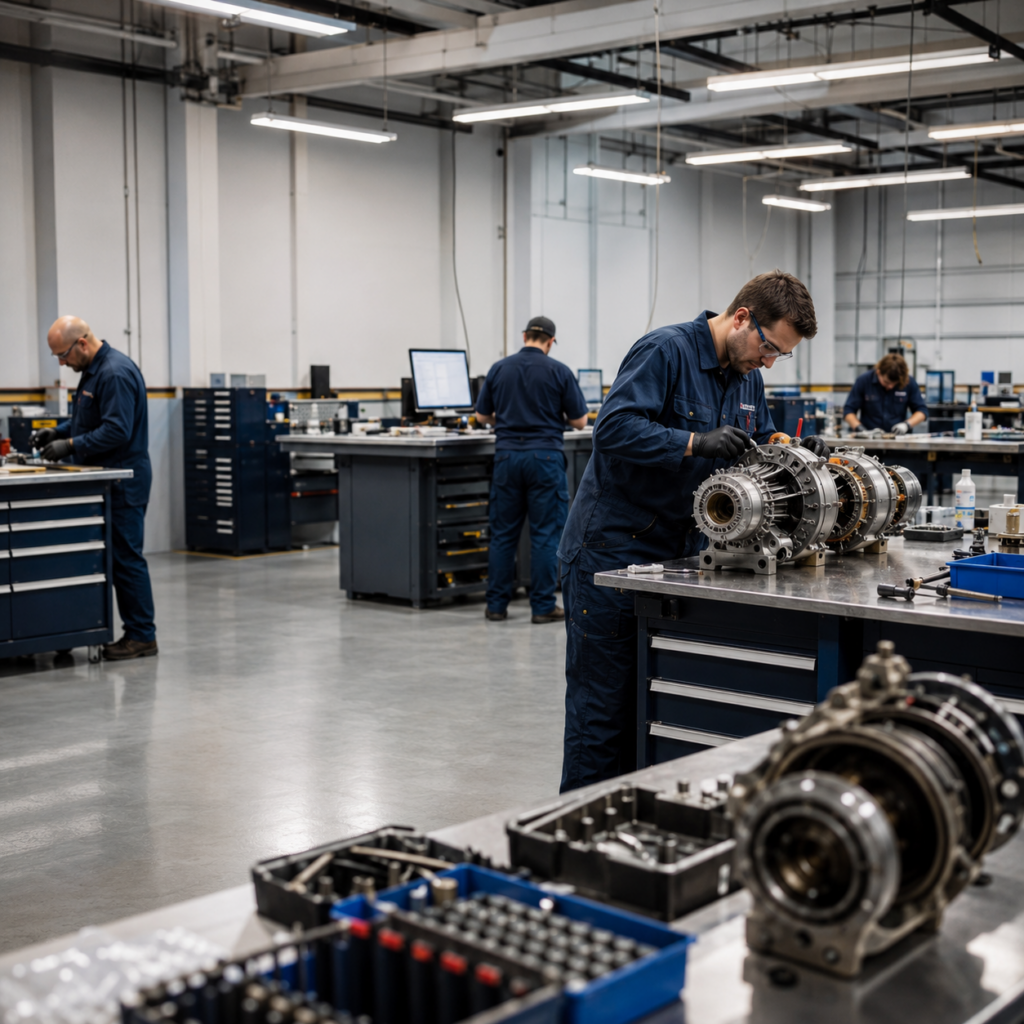
Pilots represent only one part of the aviation workforce. Aircraft mechanics maintain equipment, engineers develop aircraft and systems, controllers manage airspace, and dispatchers support flight planning. Airports also employ ground crews, operations staff, security professionals, managers, and customer service teams.
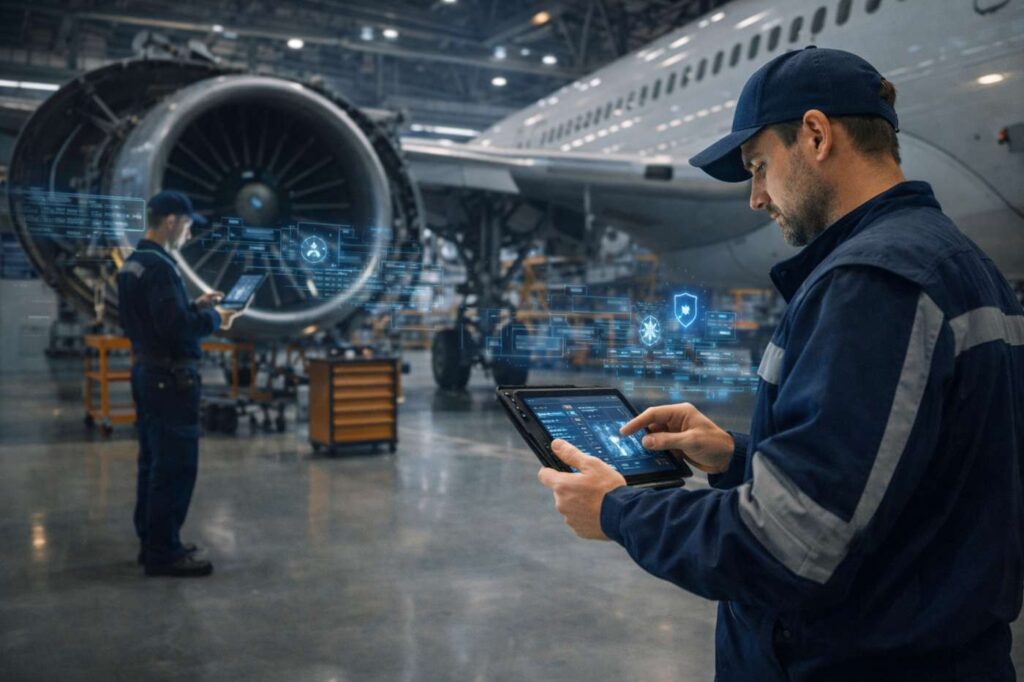
Modern aviation increasingly needs software specialists, cybersecurity professionals, data analysts, quality managers, supply chain teams, and technology consultants. As aircraft operations become more connected, the industry needs people who understand both aviation processes and digital systems. This creates career opportunities far beyond traditional flying roles.
Aviation Depends on Fleet and Operational Management
Aircraft operators need to understand where their aircraft are, when maintenance becomes due, how much each aircraft flies, and which assets remain available for upcoming missions. Fleet management brings this information together. Strong fleet planning helps organizations balance aircraft utilization with maintenance requirements and operating costs.
Software can improve this visibility by connecting maintenance schedules, aircraft status, utilization, costs, and operational information. For organizations asking what’s aviation from a business perspective, fleet and operational management provide a major part of the answer. Aircraft need skilled people, but they also need strong planning and reliable information.
The Future of Aviation Will Be More Connected
Aviation continues to change as operators adopt advanced aircraft designs, predictive analytics, artificial intelligence, automation, cloud platforms, and more digital records. Aircraft themselves also generate increasing amounts of operational and maintenance data. Organizations can use this information to improve aircraft availability, maintenance planning, fuel performance, and decision-making.
The basic purpose of aviation will remain the same: moving people, goods, and aircraft safely and efficiently. However, the tools supporting that mission will continue to evolve. When companies ask what’s aviation in the future, the answer will increasingly include connected aircraft, digital maintenance, real-time information, and integrated operational systems.
Conclusion
So, what’s aviation? It is the complete ecosystem built around aircraft and flight. Aviation includes commercial airlines, general aviation, airports, maintenance, air traffic control, engineering, safety, regulation, manufacturing, training, fleet management, and technology. Each area supports the others and helps aircraft operate safely and efficiently.
Aero Next Gen helps aviation organizations evaluate technology solutions across MRO, maintenance, fleet management, ERP, operations, safety, analytics, and other areas. Its vendor-neutral approach helps companies identify systems that fit their operational requirements. As aviation becomes more connected and data-driven, choosing technology that supports the right processes can improve visibility, coordination, and long-term performance.