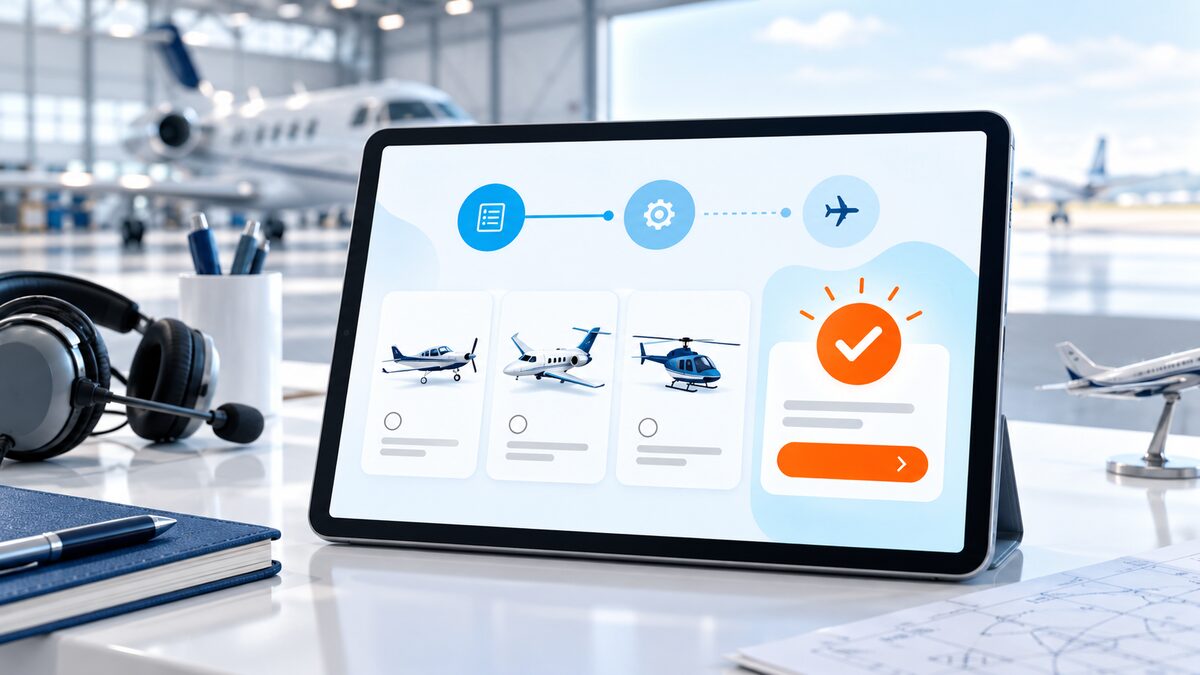
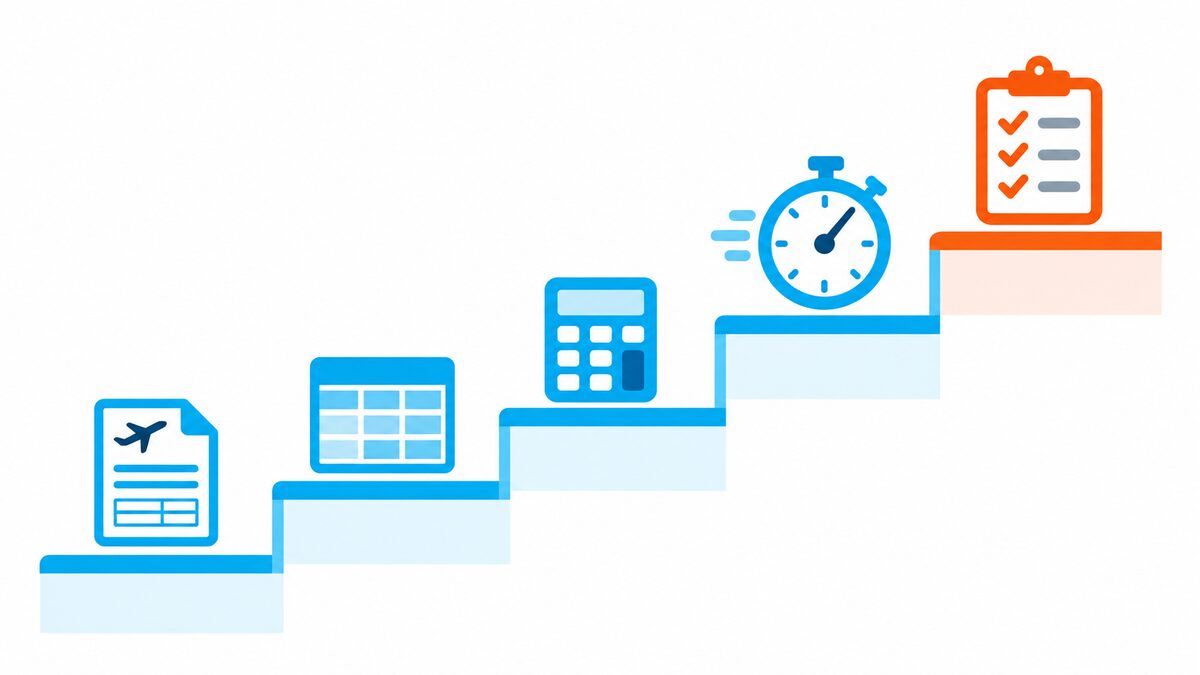
Aviation organizations need accurate visibility into where aircraft, vehicles, tools, and other operational assets are located and how they are being used. If you are asking what is fleet tracking, it is the process of monitoring the location, movement, status, utilization, and other operational information of assets within a fleet. Tracking systems can combine GPS, ADS-B, telematics, RFID, sensors, and software to create a clearer view of fleet activity.
In aviation, what is fleet tracking goes beyond simply showing an aircraft on a map. Airlines, MROs, fleet operators, airports, and ground service providers can use tracking data to monitor aircraft movement, utilization, maintenance requirements, ground equipment, and asset availability. Better visibility can support operational planning while reducing time spent searching for information across disconnected systems.
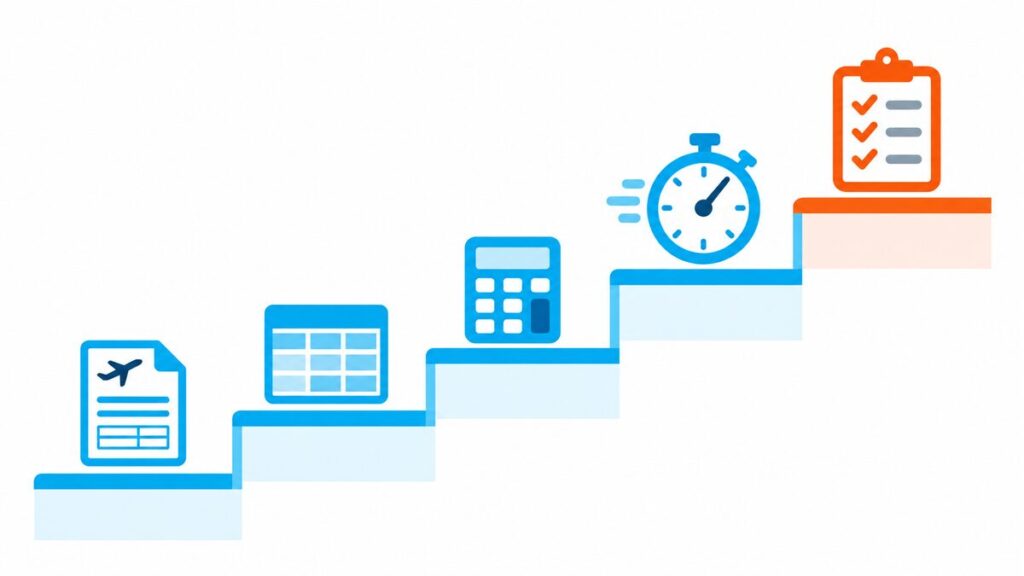
Fleet Tracking Creates Real-Time Visibility
A fleet may include aircraft, vehicles, ground support equipment, or other assets that operate across different locations. Without centralized tracking, managers may rely on phone calls, spreadsheets, manual updates, or several separate systems to determine where those assets are and whether they are available.
Understanding what is fleet tracking starts with visibility. A tracking platform can bring location and status information into one system. Instead of manually checking several sources, operations teams can quickly identify active assets, available equipment, aircraft movements, and potential exceptions that require attention.
Aircraft Location Is Only One Part Of Tracking
Aircraft tracking is one of the most recognizable uses of fleet technology. Operators can monitor aircraft positions, routes, movement history, and arrival or departure activity. This information can help operations teams understand where aircraft are and whether actual movements match the planned schedule.
However, what is fleet tracking in aviation also includes information beyond location. Operators may combine position data with aircraft status, utilization, scheduled maintenance, flight activity, and operational records. A location marker becomes more useful when managers can connect it with the condition and availability of the aircraft.
Tracking Can Support Maintenance Planning
Maintenance planning depends heavily on aircraft utilization. Flight hours, cycles, calendar limits, and component requirements can determine when maintenance becomes due. When operations and maintenance data remain disconnected, planning teams may spend more time collecting information before they can make scheduling decisions.
This is where what is fleet tracking becomes valuable for maintenance teams. Tracking and utilization information can help planners understand how quickly an aircraft is approaching a maintenance requirement. They can then prepare hangar space, technicians, tooling, and parts before the aircraft reaches its planned maintenance window.

Utilization Data Helps Balance The Fleet
Two aircraft in the same fleet may accumulate hours and cycles at very different rates. One aircraft may operate continuously while another remains underused. Over time, uneven utilization can influence maintenance schedules, operating costs, component life, and aircraft availability.
A strong answer to what is fleet tracking therefore includes utilization monitoring. Managers can compare activity across the fleet and identify assets that are being used too heavily or too little. Better utilization visibility can support aircraft assignment, maintenance planning, capacity decisions, and long-term fleet management.
Ground Assets Also Need Tracking
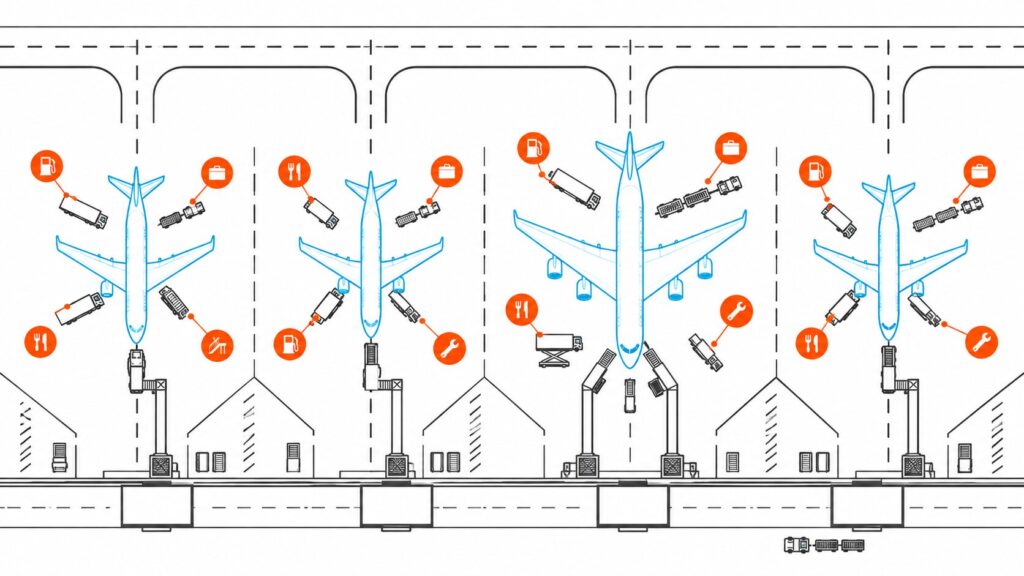
Airlines and MROs depend on more than aircraft. Tools, maintenance equipment, service vehicles, tugs, carts, test equipment, and other ground assets can move frequently across large facilities. Time spent searching for these resources can create unnecessary delays, especially during time-sensitive maintenance work.
Aero Next Gen’s RFID and real-time tracking technology shows how what is fleet tracking can extend to tools, parts, materials, and operational assets. Technologies such as RFID, Bluetooth, GPS, and ultra-wideband can help organizations locate equipment while improving visibility across maintenance and ground operations.
Different Technologies Provide Tracking Data
Fleet tracking systems can collect information from several technologies. GPS is widely used for vehicles and mobile equipment. Aircraft tracking can use surveillance and positioning technologies, while RFID and Bluetooth can help identify tools, parts, or assets inside maintenance and warehouse environments.
The FAA’s ADS-B overview provides a clear aviation example. ADS-B allows equipped aircraft to broadcast position and other flight information. When discussing what is fleet tracking, technologies such as ADS-B demonstrate how accurate location data can support visibility across active aircraft operations.
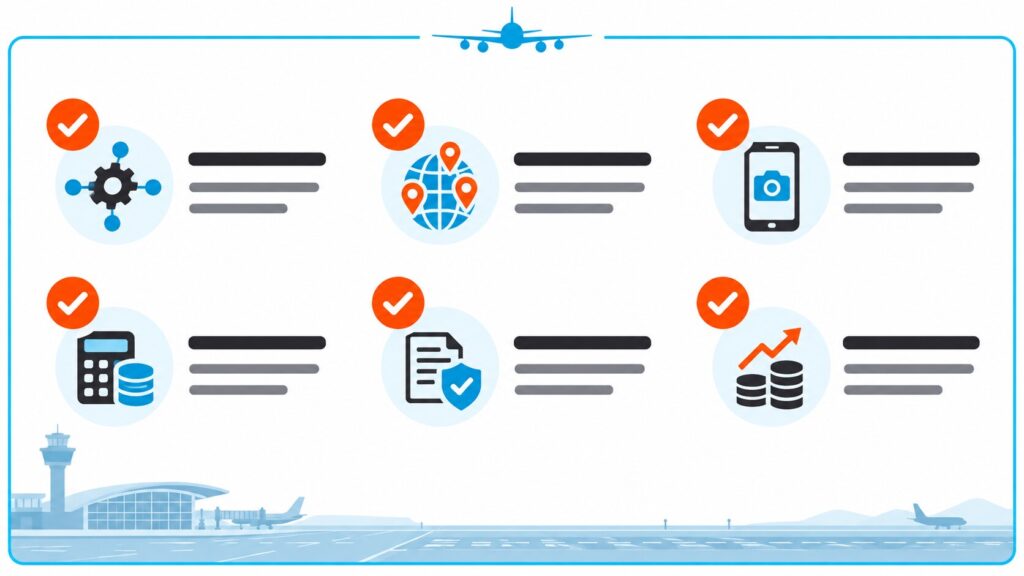
Fleet Tracking Software Connects The Information
Raw tracking signals have limited value if teams cannot use the information efficiently. Fleet tracking software can organize location, status, utilization, alerts, movement history, and other data into dashboards or operational views. Managers can then monitor multiple assets without working through separate records.
This software layer is an important part of what is fleet tracking because it turns data into useful operational information. Integration with maintenance, ERP, flight operations, or inventory systems can provide additional context. Managers can see not only where an asset is located but also whether it is available, due for service, or assigned to another task.
Tracking Can Improve Operational Decisions
Operations teams regularly need to answer questions about availability. They may need to know which aircraft can accept another flight, whether a ground vehicle is available, or where a maintenance tool is located. Reliable tracking data can shorten the time required to answer these questions.
For this reason, what is fleet tracking should also be viewed as a decision-support process. Managers can use current and historical information to identify delays, improve asset allocation, reduce unnecessary searching, and detect unusual patterns. Better information does not make decisions automatically, but it gives teams a stronger foundation for making them.
Historical Tracking Data Reveals Patterns
Real-time information shows what is happening now, while historical records show what has happened over time. Organizations can review movement patterns, aircraft utilization, asset downtime, turnaround activity, or repeated operational delays. These patterns may reveal problems that are difficult to see during daily operations.
Historical analysis adds another dimension to what is fleet tracking. Managers can compare current performance with previous periods and identify recurring issues. They may find an aircraft that consistently experiences low utilization or equipment that spends too much time unavailable. These insights can support maintenance, replacement, and capacity decisions.

Tracking Works Best With Accurate Data
A tracking platform cannot create reliable decisions from poor information. Incorrect aircraft identifiers, duplicate assets, outdated records, or incomplete integrations can reduce confidence in the system. Organizations need clear data ownership and processes for keeping fleet information accurate.
This matters when evaluating what is fleet tracking because technology alone does not guarantee visibility. Operators should consider how tracking information connects with their existing maintenance, operational, and business systems. Consistent data allows different departments to work from the same information instead of maintaining conflicting records.
Fleet Tracking Supports A Connected Aviation Operation
Aviation organizations increasingly use digital platforms to connect maintenance, flight operations, inventory, finance, safety, and asset management. Tracking can become part of this wider environment by providing current information about the physical assets involved in daily operations.
When companies understand what is fleet tracking in this broader way, it becomes more than a map-based tool. Tracking can connect physical movement with maintenance status, utilization, asset availability, and operational planning. This creates a more complete view of how the fleet is performing.
Conclusion
So, what is fleet tracking? It is the process of monitoring fleet location, movement, utilization, status, and related operational information. In aviation, it can apply to aircraft, service vehicles, tools, ground support equipment, and other assets. Tracking technologies help organizations improve visibility while supporting maintenance, utilization, planning, and asset management.
As aviation operations become more connected, what is fleet tracking will increasingly involve combining location information with maintenance and operational data. Aero Next Gen helps aviation organizations evaluate tracking, MRO, ERP, analytics, maintenance, and other technologies that can support better fleet visibility and more informed operational decisions.