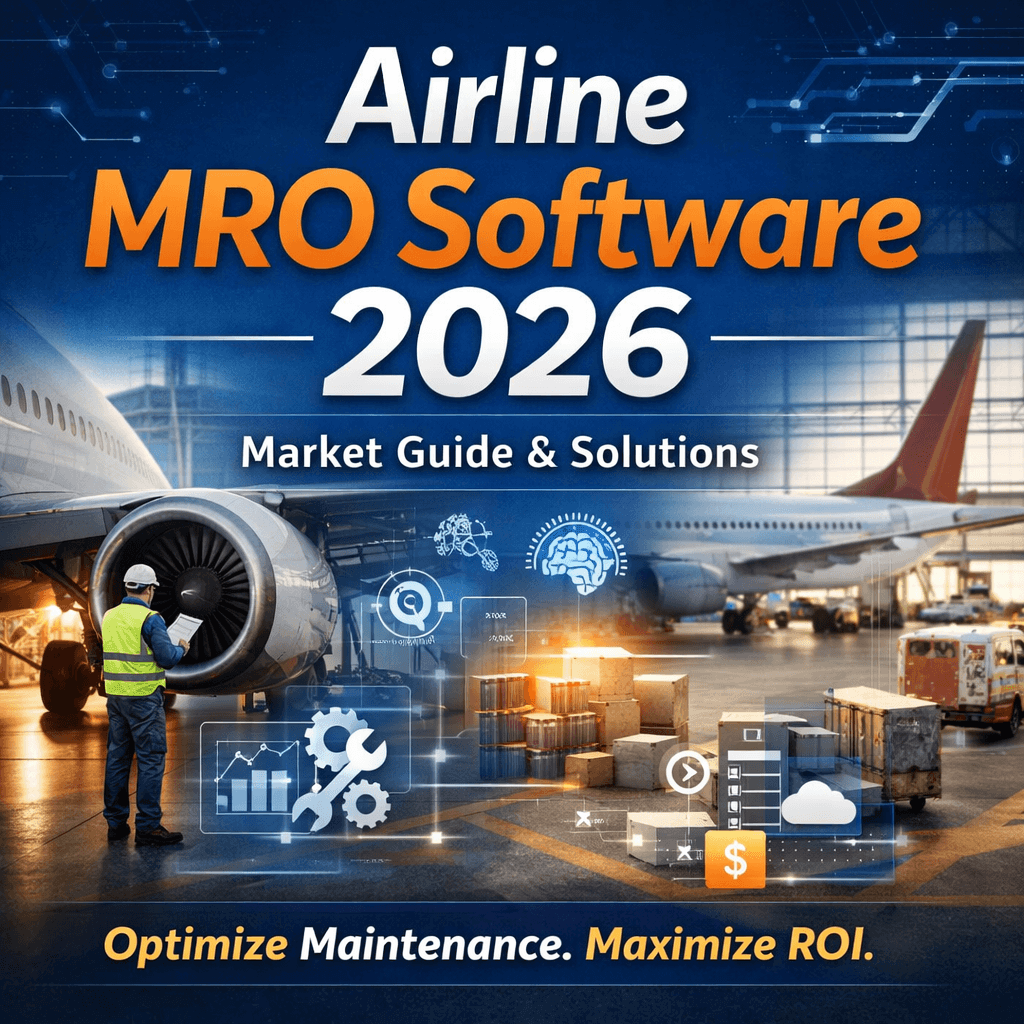
The global MRO market reached $91.7 billion in 2025, yet most airlines still struggle with fragmented maintenance systems that hemorrhage money through unplanned downtime and compliance failures. After decades of legacy systems and manual processes, airline MRO software has finally reached a maturity point where digital transformation isn’t just buzzword theater, it’s operational survival.
The reality? Airlines operating without integrated airline MRO software face 23% higher maintenance costs and significantly longer aircraft-on-ground (AOG) times. We’re past the point of debating whether to digitize. The only question is which solution architecture actually delivers measurable ROI.

The Legacy Problem: Why Airline MRO Software Migration Is Unavoidable
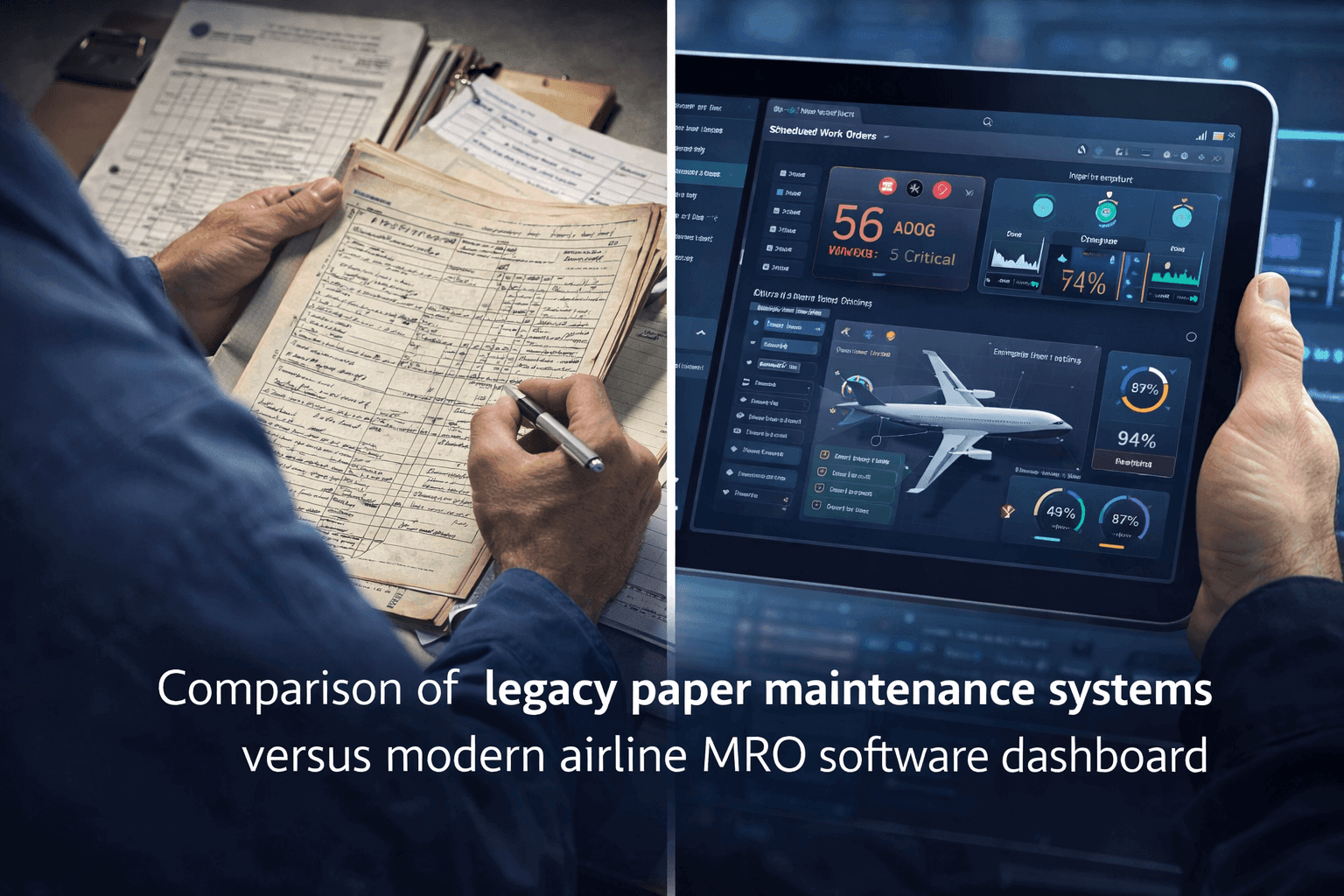
Most carriers inherited maintenance systems designed during the MD-80 era, now Frankensteined together with middleware that breaks every software update. These systems can’t handle the data complexity of modern composite aircraft, predictive analytics requirements, or real-time supply chain integration that 2026 operations demand.
Monica Badra, founder of Aero NextGen, observes a critical pattern: “Airlines treat MRO software selection like buying enterprise CRM, but aircraft don’t behave like sales pipelines. The failure to understand MRO-specific workflows, particularly around airworthiness compliance and supply chain volatility, explains why 60% of implementations fail to meet performance targets.”
The historical context matters. First-generation CAMO systems emerged in the 1990s as glorified spreadsheets. Second-generation platforms added workflow automation around 2010. We’re now in the third generation where airline MRO software must integrate IoT sensor data, AI-driven prognostics, blockchain parts tracking, and dynamic regulatory compliance across multiple jurisdictions simultaneously.
What Modern Airline MRO Software Actually Needs to Do in 2026
Forget the vendor brochures promising “end-to-end solutions.” Here’s what actually separates functional platforms from expensive shelfware:
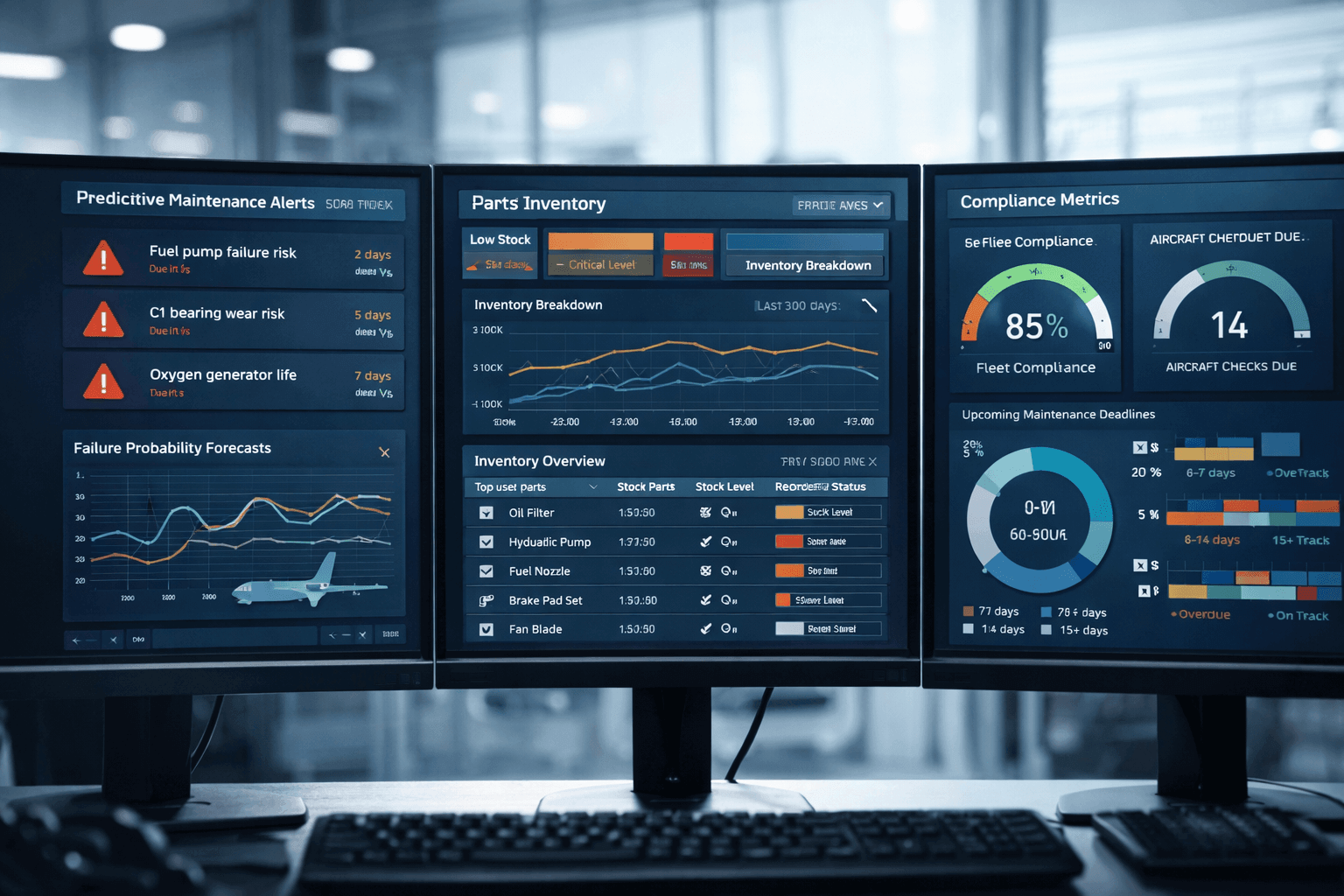
Predictive maintenance integration that consumes ACARS, engine telemetry, and APU data in real-time, not batch uploads analyzed three days later. The shift from scheduled to condition-based maintenance isn’t optional anymore; it’s embedded in manufacturer warranty requirements for new-generation powerplants.
Supply chain transparency across your entire logistics network. With average AOG costs exceeding $150,000 daily for narrowbody aircraft, knowing that a critical LRU is stuck in customs or misidentified in your Singapore warehouse three hours faster directly impacts your balance sheet.
Regulatory compliance automation that actually understands the difference between FAA, EASA, CAAC, and DGCA airworthiness directives. Software that requires manual interpretation of regulatory changes creates liability exposure most airlines drastically underestimate.
Mobile-first technician interfaces that work in hangars with spotty connectivity. If your mechanics need to walk back to an office desktop to close work orders, your digital transformation failed before it started.
Evaluating Airline MRO Software: The Integration Architecture Question
The market has consolidated around several established platforms, each with distinct architectural philosophies. Solutions available through the Aero NextGen marketplace demonstrate the spectrum from monolithic suites to best-of-breed modular approaches.
The monolithic argument promises single-vendor accountability and unified data models. The modularity argument delivers faster innovation cycles and specialized depth. Both camps have legitimate technical merit, your decision depends entirely on your IT infrastructure maturity, fleet complexity, and whether you operate your own heavy maintenance facilities or outsource to third parties.
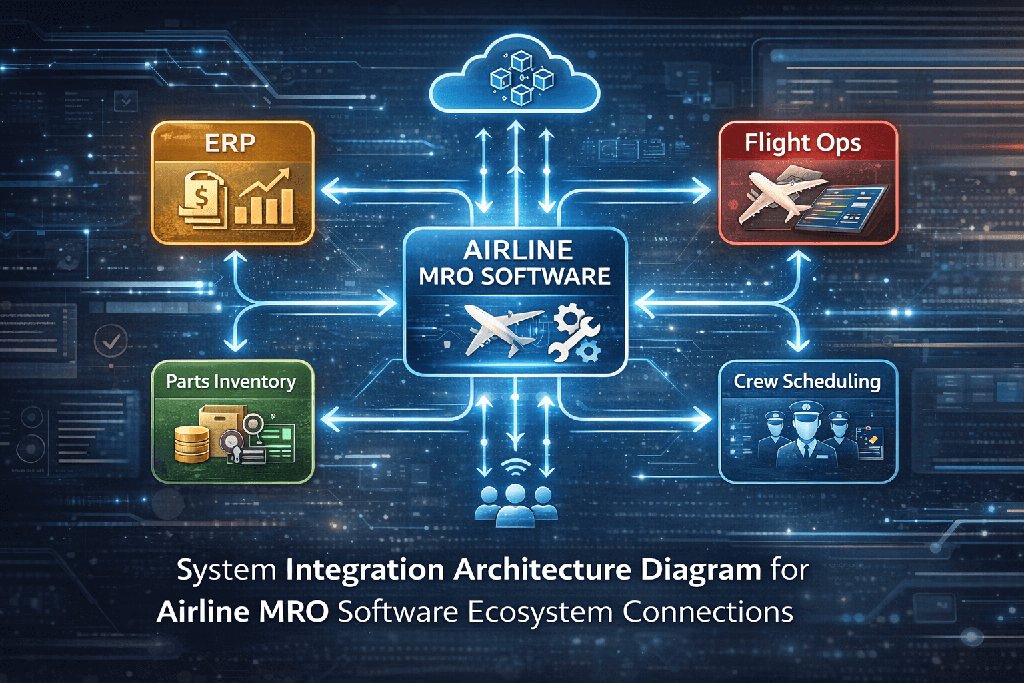
Integration capability matters more than feature checklists. Can your chosen airline MRO software bidirectionally sync with flight ops systems, finance ERPs, and crew scheduling platforms without custom middleware that breaks every update cycle? If vendor demos can’t show live API documentation and pre-built connectors, assume integration will consume 40% of your implementation budget.
The 2026 Reality: Software Selection Is Strategic, Not Procurement
Choosing airline MRO software impacts operational capabilities for the next decade minimum. Your maintenance platform influences which aircraft you can efficiently operate, which routes become economically viable, and whether you can meet sustainability reporting requirements emerging across regulatory frameworks globally.
The airlines winning the efficiency battle aren’t running the most expensive software, they’re running the platforms that match their specific operational profile, integrated properly, with change management that actually trained their workforce.
Make Your Decision With Data, Not Sales Pitches
The MRO software market will continue consolidating, with AI capabilities and sustainability tracking emerging as table stakes by 2027. Selecting the wrong platform doesn’t just waste implementation costs, it locks you into operational disadvantages that compound across every flight cycle.
Overwhelmed by options? Aero NextGen’s Solution Finder Quiz matches you with the perfect aviation software for your specific needs in under 2 minutes. Take the quiz at aeronextgen.com/solution-finder and discover your ideal solution today.