
Home / Technologies / Digital Twin
Digital Twin in Aviation and MRO
A digital twin in aviation is a live virtual model of an aircraft, a component or an entire MRO workflow. It shows how things really run today and lets you test changes before they touch the shopfloor or the fleet. We help MROs, airlines, OEMs and lessors find digital twin and process improvement partners that fit their goals.
- Vendor-neutral matching
- 600+ aviation-only providers
- Free 3-minute Solution Finder
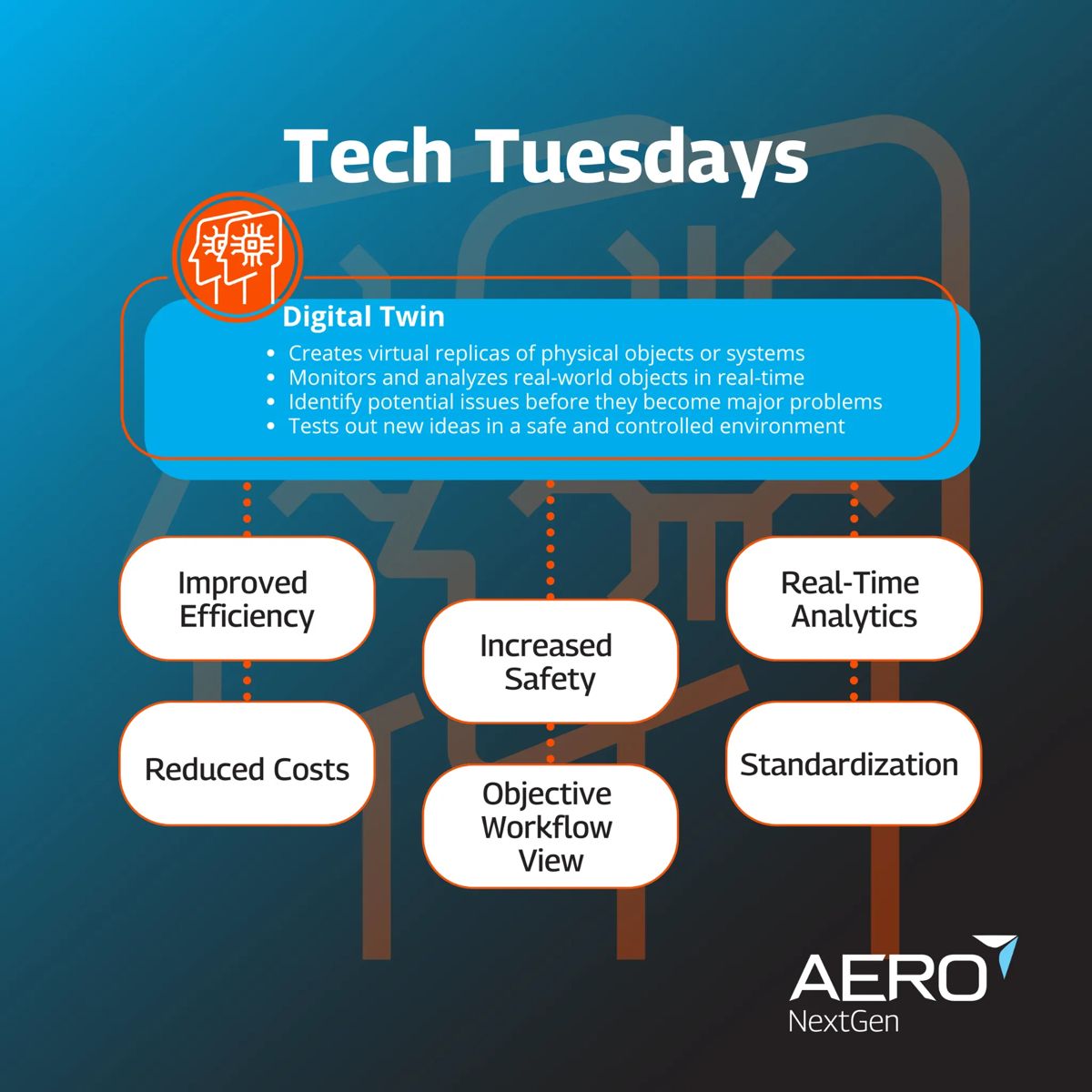
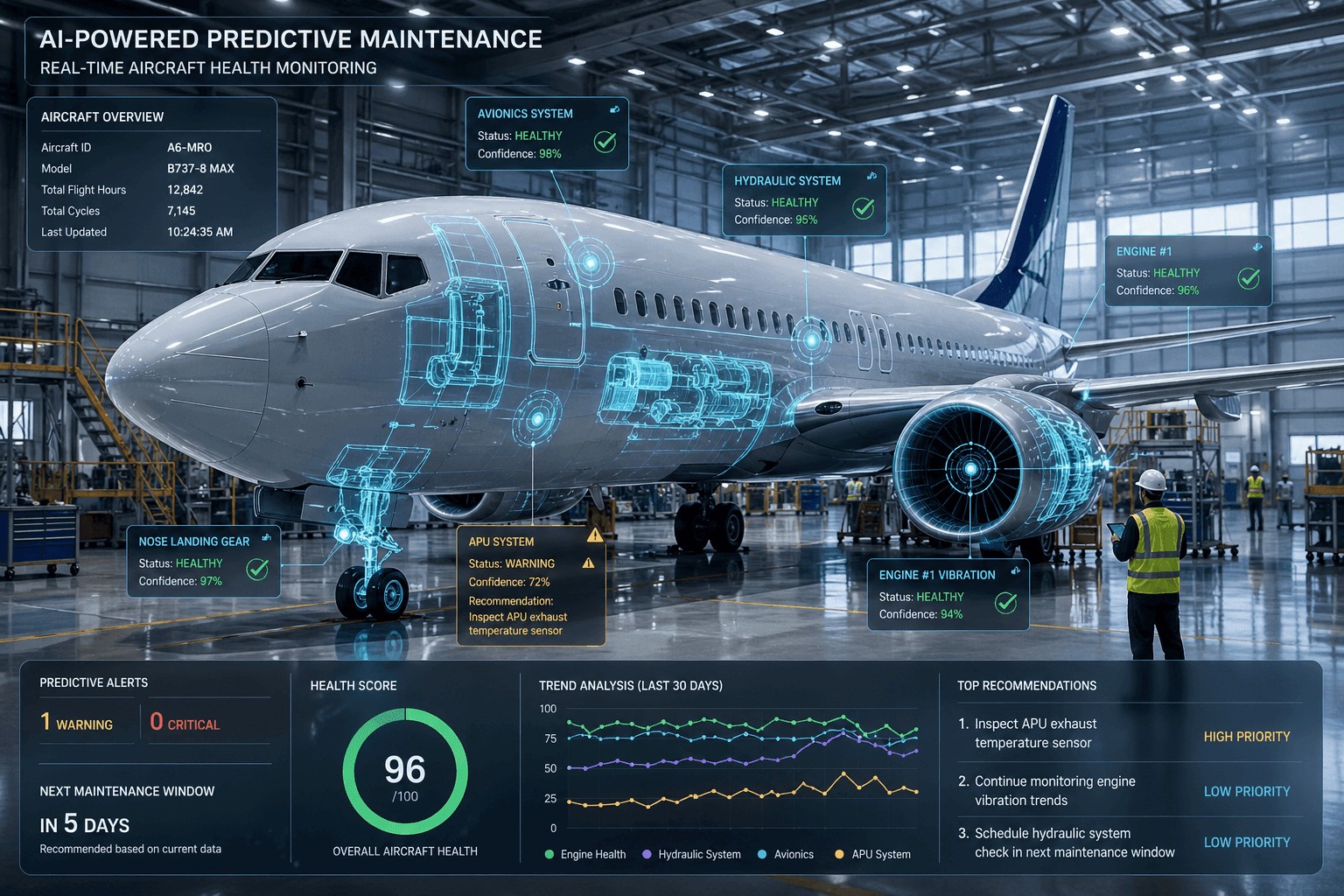
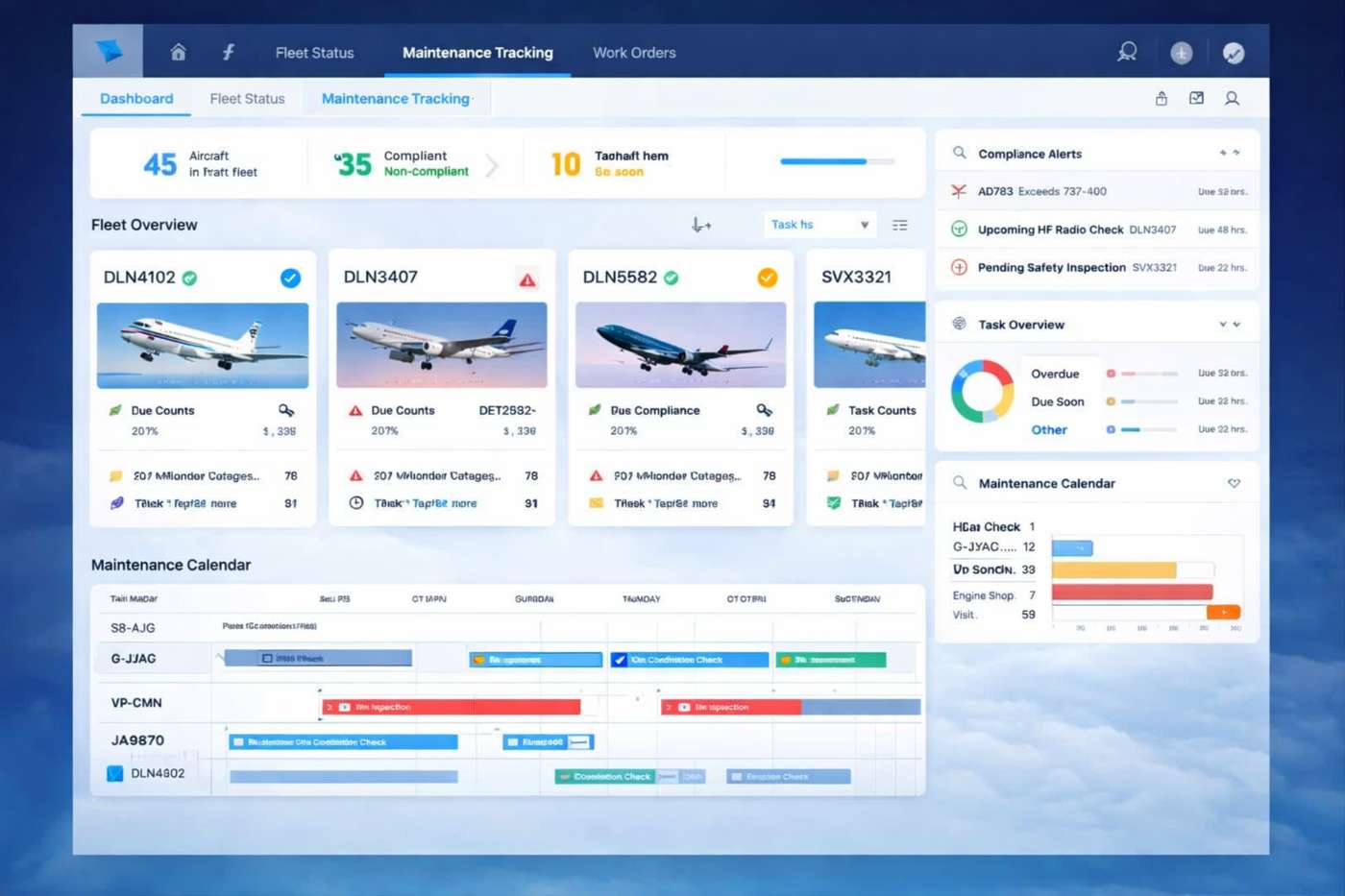
Illustrative dashboard, sample values
What is a digital twin in aviation?
A digital twin in aviation is a virtual replica of a physical asset, system or process, such as an engine, an aircraft or an MRO shop, that is kept current with real-world data. It lets teams monitor performance in real time, identify problems early and simulate changes in a safe, controlled environment before applying them for real.
Most process improvement in aviation happens by trial and error. A shop moves a bench, changes a routing or adds a shift and waits to see what happens. If it does not work, the cost is lost turnaround time and frustrated customers. Asset decisions are no different: maintenance and lease choices are made on partial pictures of a component’s real condition.
A digital twin changes that. For processes, it models your workflow from goods-in to goods-out, shows where units wait and lets you test new layouts, staffing and routings virtually. For assets, it combines design data, utilization and maintenance history to show the true state of a component or aircraft. Paired with business process management and continuous improvement, it keeps operations getting better instead of improving once and drifting back.
- Process twins model workflows; asset twins model aircraft, engines and components.
- The first value usually comes from finding the real bottleneck in a shop.
- Twins rely on good data from ERP, tracking and maintenance systems.
- Continuous improvement turns a one-off model into lasting gains.
On this page
Test it in the twin first: layout, staffing and routing changes simulated before anyone moves a bench.
What a digital twin program includes
A digital twin is part model, part data pipeline and part improvement process. These are the core elements.
Virtual process model
A model of your workflow from goods-in to goods-out, including queues, routings, resources and constraints.
Real-time data feeds
Live data from your ERP, tracking and shopfloor systems that keeps the twin aligned with reality.
Simulation and what-if testing
Test new layouts, staffing, shifts or routings virtually and see the effect before changing anything.
Root cause analysis
Find the systemic causes of delays and rework, not just the symptoms on the shopfloor.
Asset twins
Models of engines, components or aircraft that combine design, utilization and maintenance history.
Continuous improvement
Business process management routines that keep optimizing, using the twin to measure every change.
Why digital twins are gaining ground in aviation
When capacity is tight, you cannot afford to experiment on the live operation.
MRO demand is at record levels and the fleet is older and busier than ever. Shops are full, and every change to layout or process carries the risk of disrupting work already promised to customers. A digital twin lets teams find capacity hidden in their existing footprint without that risk.
For operators and lessors, the case is similar at the asset level. Engines account for around half of MRO spend, and decisions about when and how to maintain them are among the most expensive any aviation business makes. Twins bring more evidence to those decisions.
Global MRO demand in 2025, up 8% on the year before.
Approximate share of 2026 MRO spending that goes to engines.
Average age of the global fleet in 2025, about a year and a half older than in 2024.
Six gains a digital twin in aviation delivers
These are the improvements we see most often once a twin is used to run, test and improve operations.
“Simulate the change, prove the gain, then move the bench.”
The Aero NextGen advisory principle
Smoother workflows
Seeing the whole flow from goods-in to goods-out exposes where units wait. Fixing the right step improves turnaround across the shop.
Lower cost of change
Testing virtually removes most of the trial and error in physical processes, which saves money and protects customer commitments.
Safer experimentation
New layouts, procedures or equipment can be evaluated without exposing people or aircraft to the risks of a live trial.
Better decisions
Data-driven insight into how processes really run replaces assumptions and opinions in improvement meetings.
Better customer experience
Faster, more reliable turnaround times and better delivery promises follow from a process that is understood and controlled.
Room to innovate
Ideas that would be too disruptive to try on the shopfloor can be tested in the twin first, and only the winners go live.
How a digital twin works for your side of aviation
Twins solve different problems for different parts of the industry. Pick your operation to see where they usually help first.
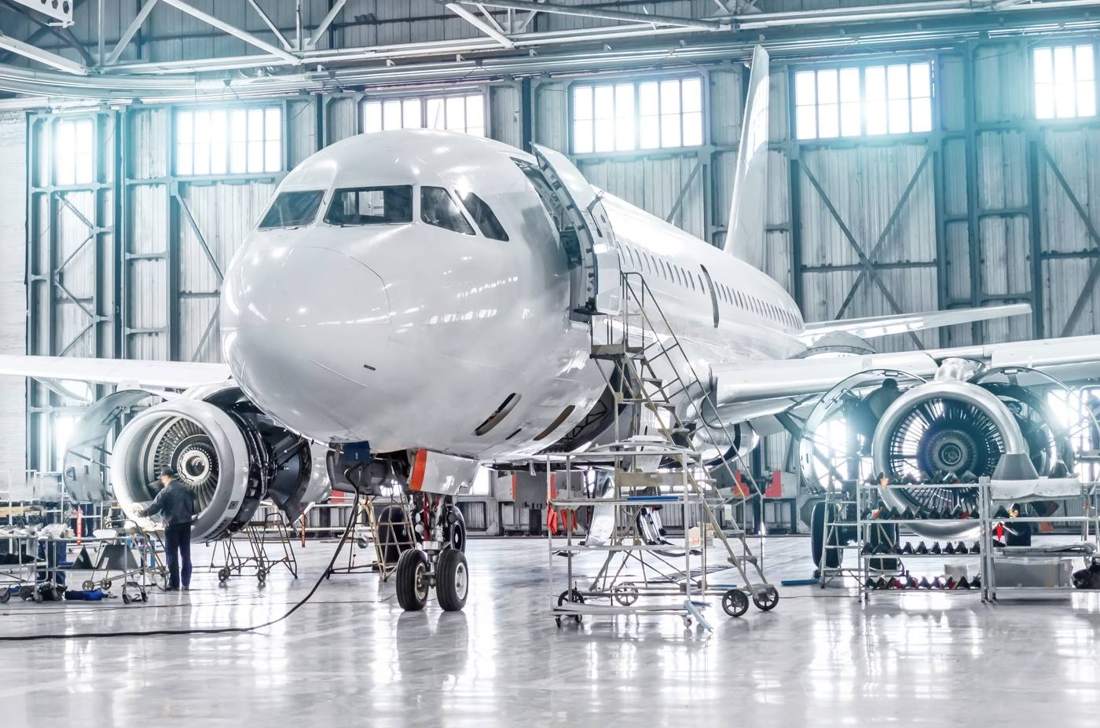
For MROs and repair stations
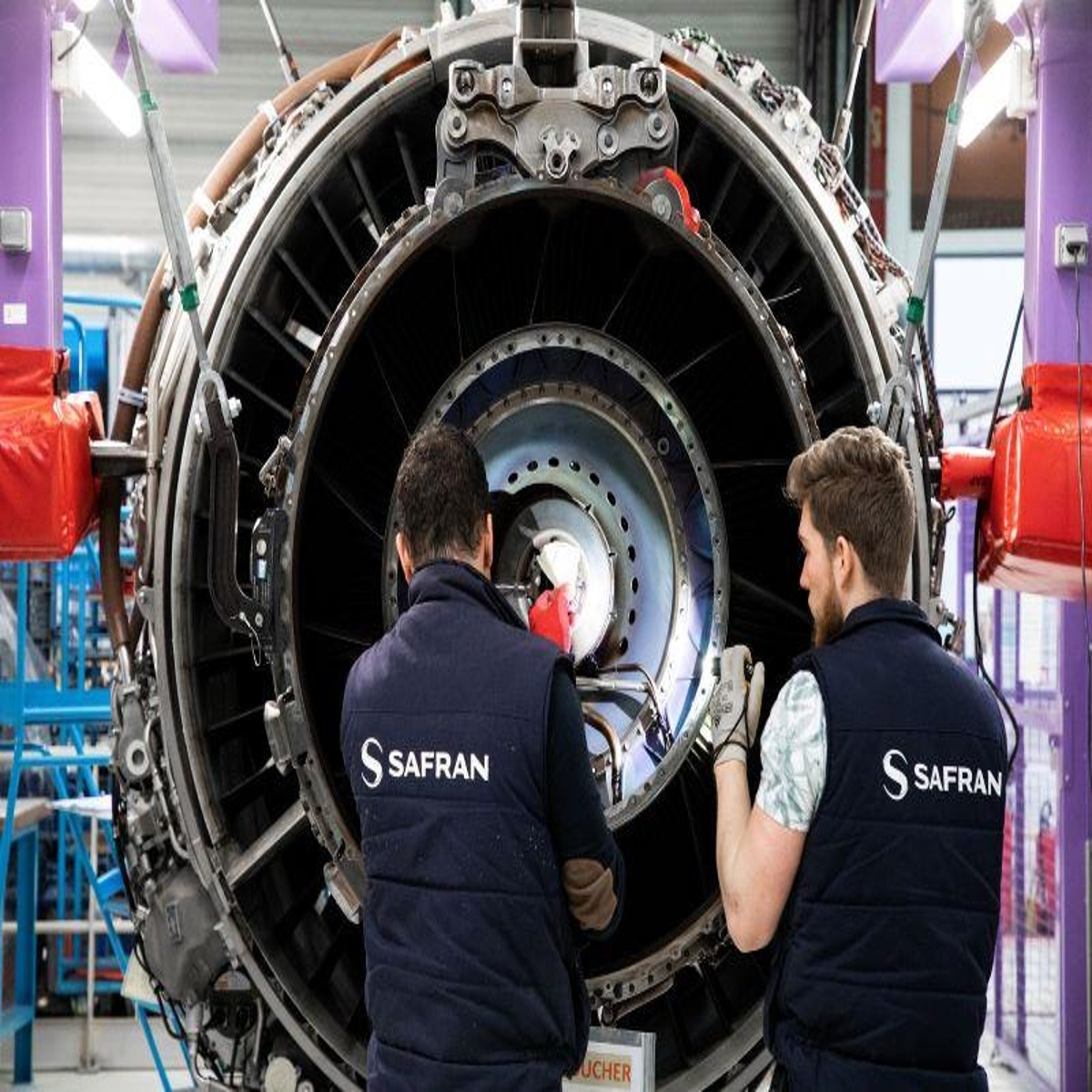
MROs use process twins to methodize the repair workflow, find bottlenecks and test layout and staffing changes, often pairing them with tool tracking and automated data capture.
- Goods-in to goods-out flow models
- Bottleneck and queue analysis
- Layout and staffing simulations
- Continuous improvement tracking
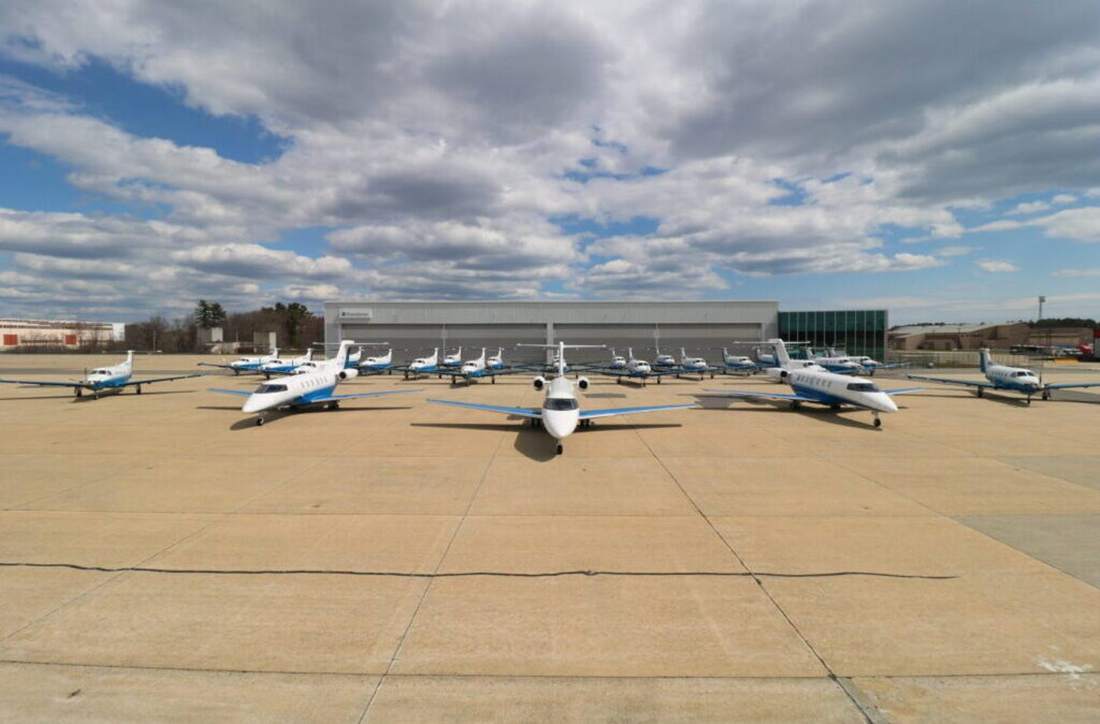
For airlines and operators
Operators use asset twins of aircraft and engines to understand condition and utilization, and operational twins to test schedules, maintenance slots and spare positioning.
- Aircraft and engine condition models
- Maintenance slot and hangar simulation
- Spares positioning scenarios
- Link to predictive maintenance alerts
For parts distributors and suppliers
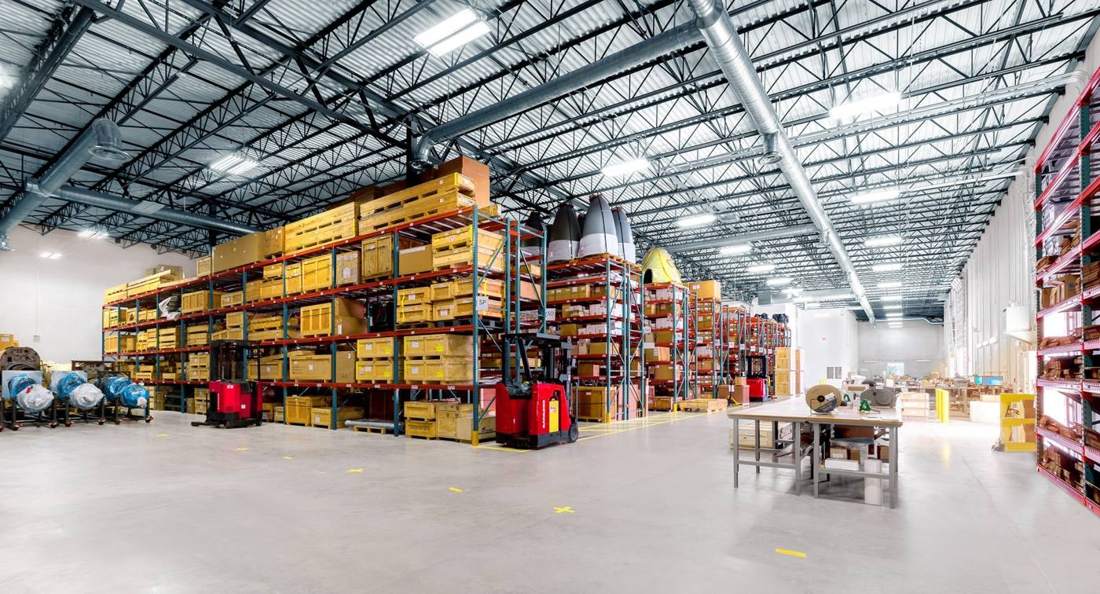
Distributors model warehouse flows and supply networks to test stocking strategies, slotting and fulfillment changes before committing capital.
- Warehouse flow and slotting models
- Network and stocking scenarios
- Fulfillment time simulation
- Capacity planning for growth
For OEMs and lessors
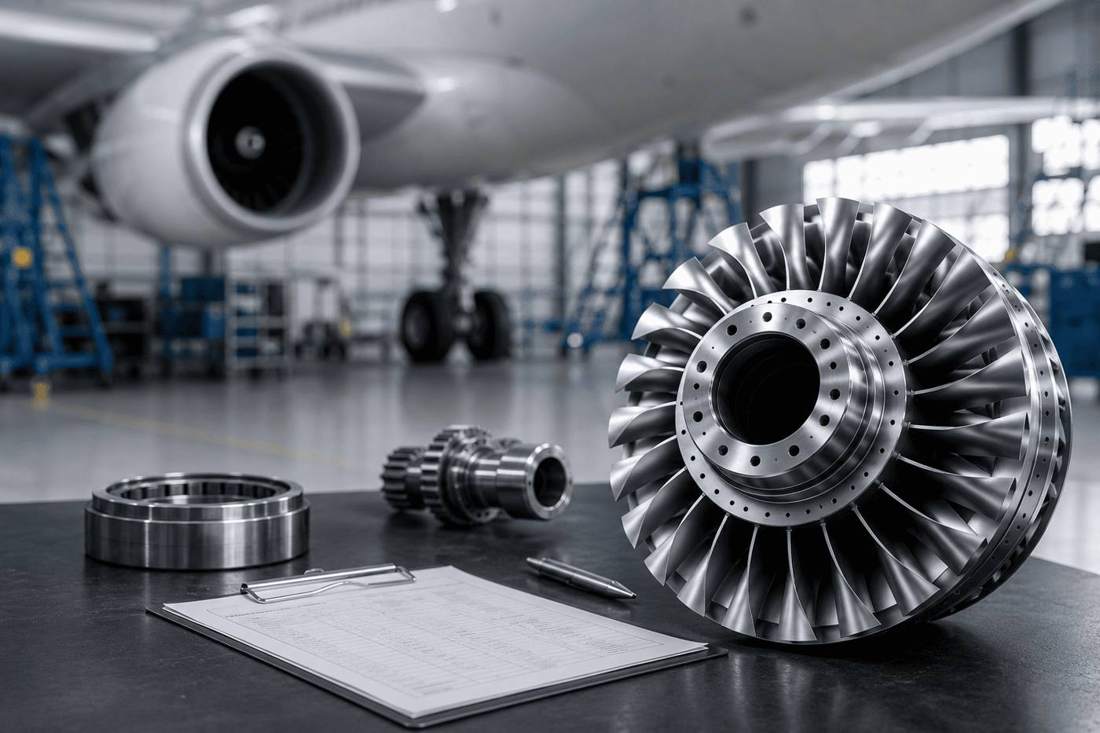
OEMs use engineering and production twins to design and build better, while lessors use financial and asset twins to understand value, maintenance reserves and transitions.
- Engineering and production twins
- Asset value and condition models
- Maintenance reserve forecasting
- Transition planning
Trial and error versus a digital twin
Most operational change in aviation is still tested on the live operation. Here is what changes with a twin.
| Area | Trial and error | With a digital twin |
|---|---|---|
| Finding bottlenecks | ✕ Opinions and walk-throughs | ✓ Measured from real flow data |
| Testing changes | ✕ On the live shopfloor | ✓ In a virtual model first |
| Risk | ✕ Disruption to customer work | ✓ No impact on live work |
| Root causes | ✕ Symptoms get fixed | ✓ Systemic causes identified |
| Improvement | ✕ One-off projects that fade | ✓ Continuous, measured cycles |
| Asset decisions | ✕ Partial view of condition | ✓ Combined design and history data |
"Our repair workflow is not methodized."
The fix: develop a standardized, methodized repair workflow to raise efficiency, cut costs and waste and improve repair effectiveness.
"Technicians lose time finding tools."
The fix: digital tool tracking with RFID and real-time location lets technicians find tools quickly and keeps maintenance streamlined.
"Shipping and receiving is manual entry."
The fix: automated data capture with barcode or RFID removes manual entry, auto-populates repair orders and improves accuracy.
"Improvements never stick."
The fix: pair the twin with business process management and a continuous improvement routine so gains are measured and kept.
What a digital twin in aviation is worth
Twins pay back through capacity found in your existing footprint and faster, safer change.
- Turnaround days removed by fixing the real bottleneck
- Capacity gained without new space or headcount
- Fewer failed process changes
- Better asset maintenance decisions
For a shop, the quickest estimate is the value of the turnaround days a twin could remove. Use the calculator to size it; the real figure comes from modeling your flow.
How to get started with a digital twin
Start with a clear question, model only what you need to answer it, then expand.
Define the question
Choose one problem, such as turnaround on a product line or hangar slot planning, for the first twin to answer.
Gather process data
Collect timestamps, routings, resources and constraints from your ERP, tracking and shopfloor systems.
Build and validate the model
Model the current state and check it reproduces real performance before testing changes.
Simulate improvements
Test layouts, staffing, shifts and routings, and pick the change with the best result for the least disruption.
Implement and keep improving
Make the change, measure it against the twin and run regular improvement cycles.
Not sure which digital twin approach fits your goal? The Solution Finder scopes it in about three minutes and matches you with vetted vendors.
How to choose a digital twin vendor for aviation
Digital twin is a broad label. Make sure your partner models the thing you care about, whether that is a shop, a fleet or a component.
Right type of twin
Process, asset, engineering or financial twins solve different problems. Confirm the vendor's focus matches yours.
Aviation experience
Ask for aviation examples: MRO flows, engine condition, fleet planning or lease portfolios.
Data integration
The twin is only as good as its data. Check connections to your ERP, tracking and maintenance systems.
Usable simulation
Planners and managers should be able to run what-if scenarios without a data scientist.
Measured outcomes
Agree how improvements will be measured against the twin's baseline.
Total cost
Include modeling effort, data work, licenses and ongoing updates.
Improvement support
The best partners bring process improvement expertise alongside the technology.
Digital twin and simulation providers in the Aero NextGen network
A sample of providers listed under digital twin technology, shown alphabetically. A listing is not an endorsement; the Solution Finder matches you on fit.









Monica Badra
Founder and CEO, Aero NextGen
Guidance from people who have run aviation operations
Aero NextGen was founded by Monica Badra, who has spent more than a decade inside aviation translating real business needs into the right technology. That experience shapes how we approach the digital twin in aviation: answer one real operational question first, then let the model grow with your ambitions.
We are vendor-neutral. We do not resell software, and our matching is based on your operation, your systems and your budget. Our perspective on digital MRO and aviation technology has been featured across the industry press.
Digital twin in aviation FAQs
The questions aviation leaders ask us most before they start. Have one we did not cover? The Solution Finder routes it to the right expert.
What is a digital twin for aviation MRO?
It is a virtual replica of your operation that monitors and analyzes the real world in real time, letting you simulate workflows, catch issues early and test ideas before changing the physical shopfloor.
How does a digital twin improve MRO operations?
By simulating workflows it reduces trial and error, identifies root causes from goods-in to goods-out and drives continuous, data-driven improvement in efficiency, safety and turnaround.
How does this relate to BPM and continuous improvement?
The digital twin pairs with business process management and a continuous improvement program to methodize workflows and keep optimizing them over time, not just once.
What is the difference between a process twin and an asset twin?
A process twin models how work flows through a shop or operation. An asset twin models a specific aircraft, engine or component and its condition over time.
What data does a digital twin need?
Timestamps and routings from your ERP, location data from tracking systems and, for assets, design, utilization and maintenance history. Clean data matters, so many projects start with data cleansing.
Is a digital twin only for large organizations?
No. A focused process twin of one product line can be built for a mid-size shop and often pays back through turnaround improvements alone.
How long does it take to build one?
A focused process twin can be modeled and validated in weeks. Asset twins across a fleet take longer and grow over time.
How do I get started with a digital twin?
Start with the free Solution Finder. It maps your workflow and process pain points and matches you to the right digital twin and BPM tools.
Technologies that work hand in hand with digital twins
Fix components before they fail instead of after.
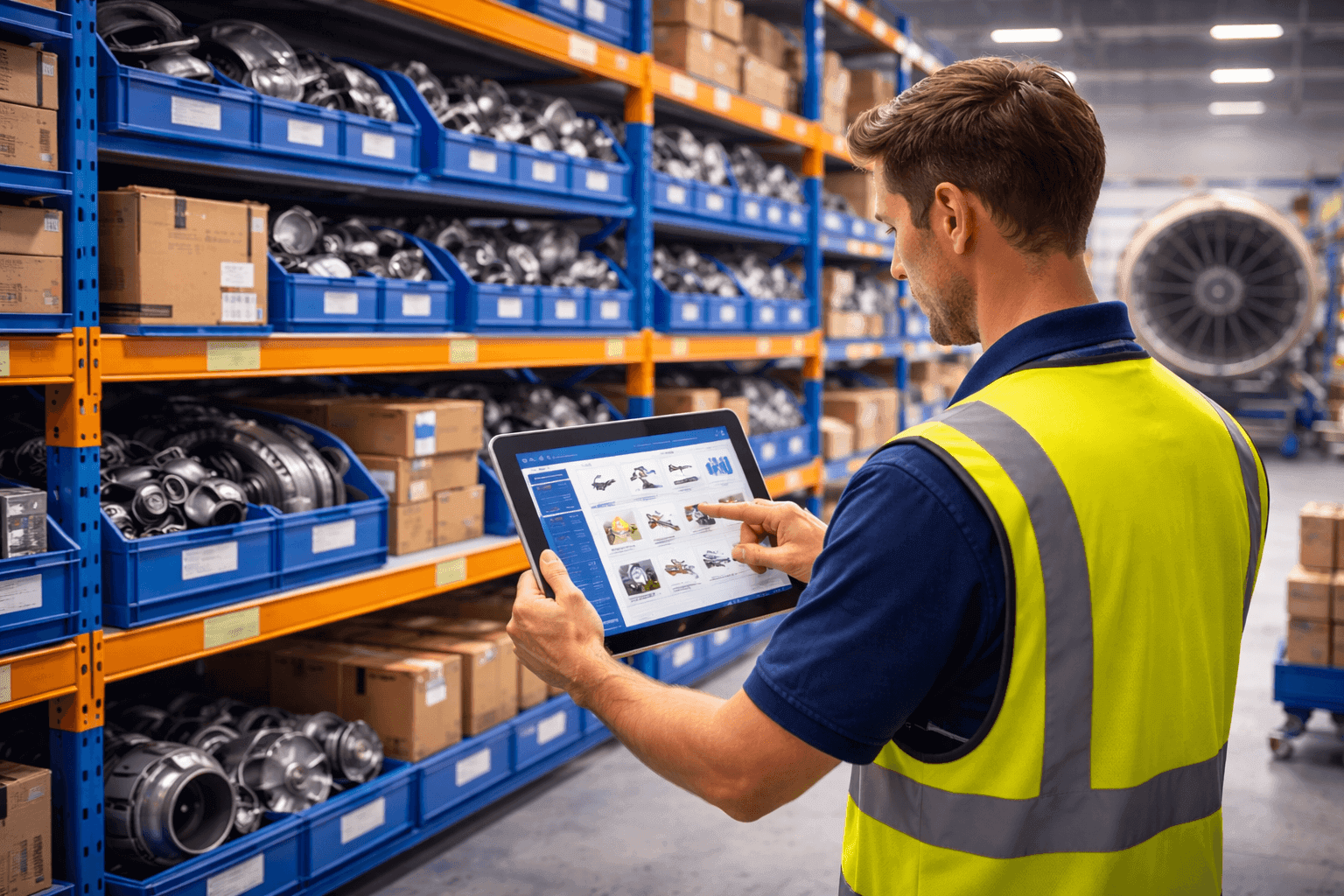
Find every tool, part and asset on the shopfloor in seconds.
Turn maintenance, parts and finance data into live KPIs and forecasts.
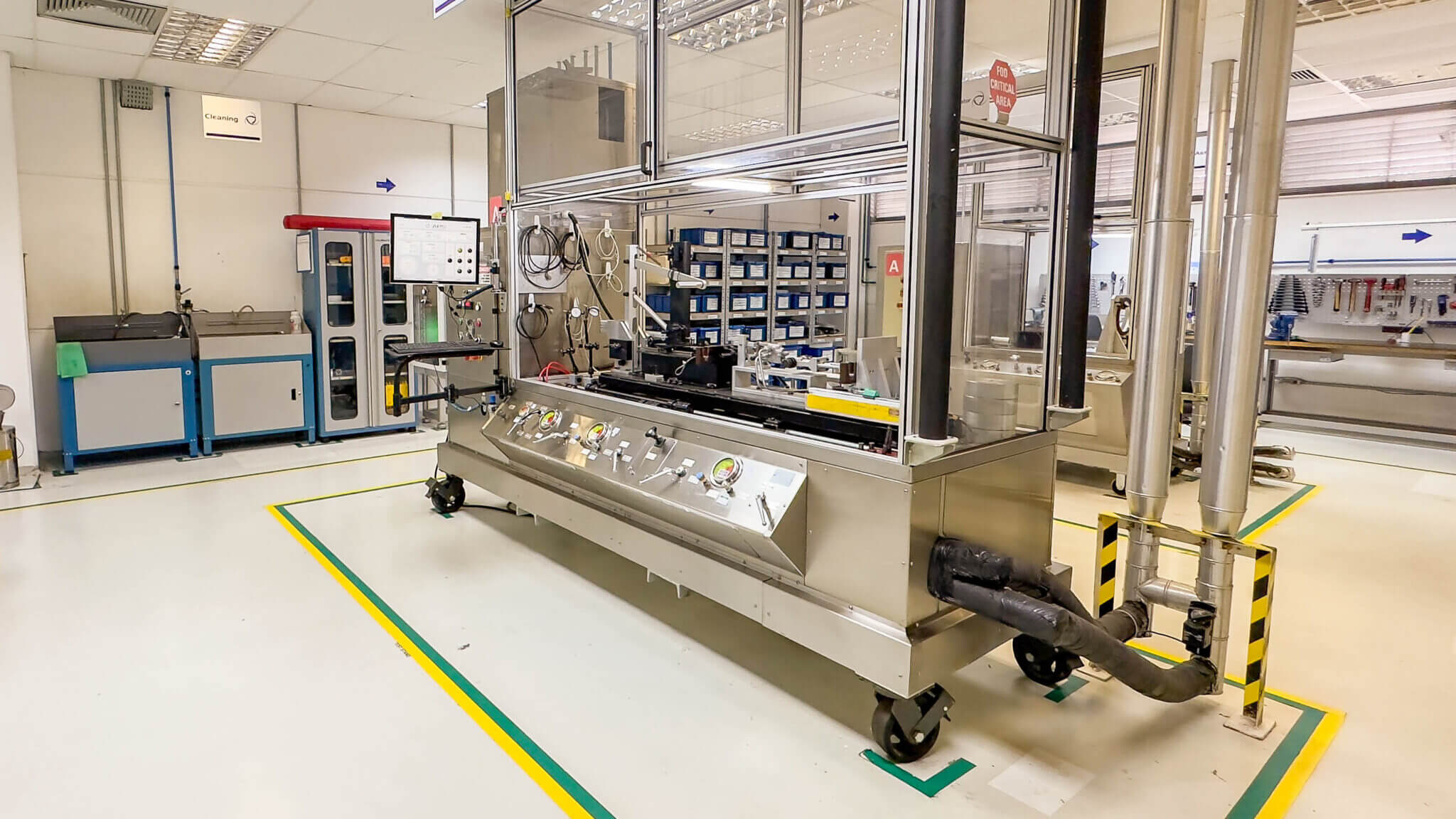
Take repetitive data entry and inspection work off your technicians.



Find the capacity hiding in your operation
Model your workflow, find the real bottleneck and test every change before it touches the shopfloor. Start with the free Solution Finder to scope the right digital twin for your operation.