
Home / Technologies / Data Cleansing and Management
Aviation Data Cleansing and Data Management
Aviation data cleansing turns duplicate, inconsistent and incomplete records into a clean, governed foundation that every system can trust. It is phase one of any ERP rollout, analytics program or AI project, and the step most often skipped. We help MROs, airlines and parts businesses find data partners who understand part numbers, records and aviation systems.
- Vendor-neutral matching
- 600+ aviation-only providers
- Free 3-minute Solution Finder

Illustrative dashboard, sample values
What is aviation data cleansing?
Aviation data cleansing is the process of finding and fixing duplicate, incorrect, inconsistent and missing records in maintenance, inventory, customer and financial data. Data management then governs that data across its lifecycle, with rules, ownership and controls that keep it clean. Together they create the reliable foundation that ERP, analytics, automation and AI depend on.
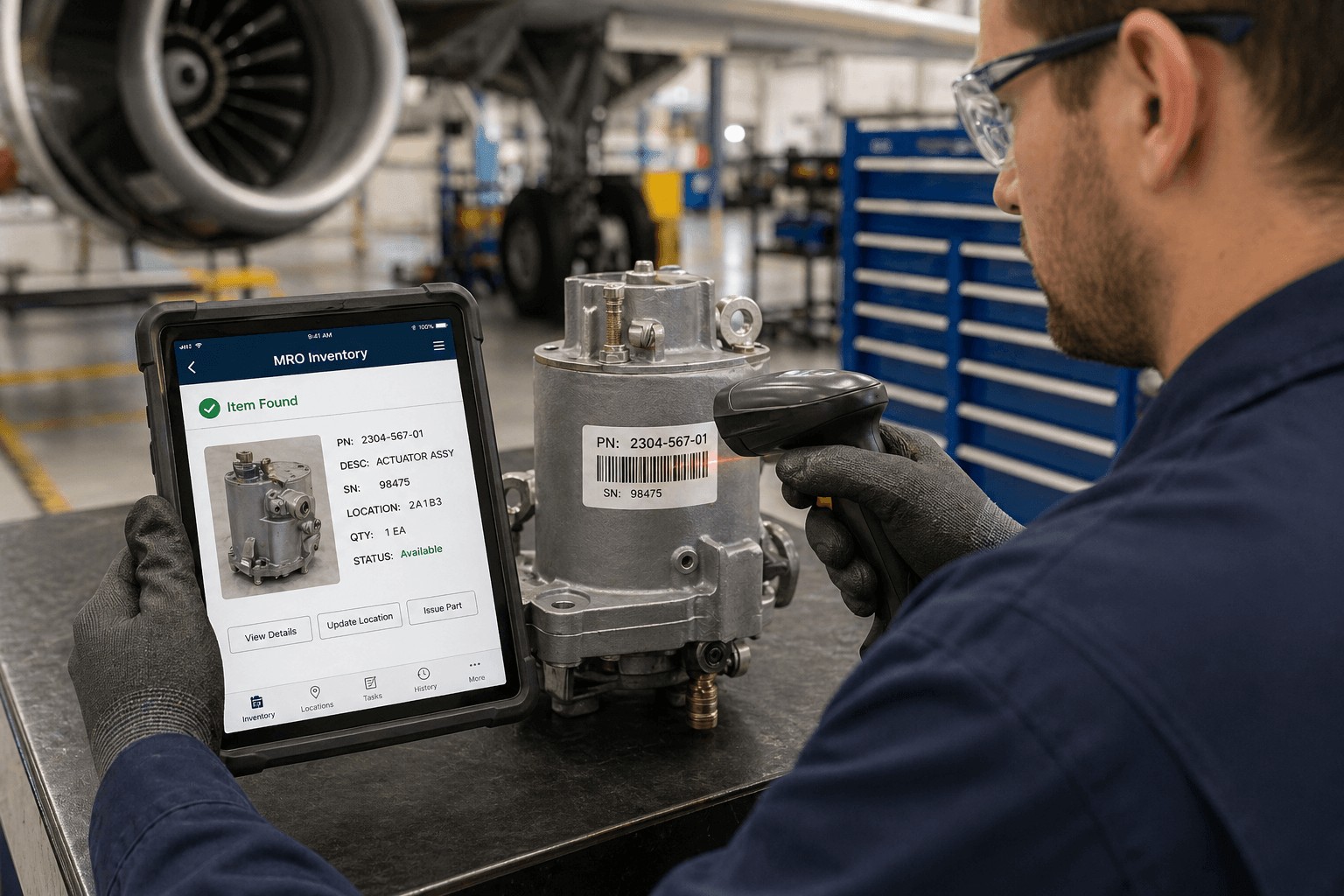
“Garbage in, garbage out” is a cliche because it is true. When the same customer exists three times with different spellings, when a part number is stored with and without dashes, or when alternate part numbers are buried in a component maintenance manual instead of the database, every report and every system built on top inherits the mess.
Data cleansing fixes the records. It removes duplicates, corrects spelling and formatting, validates values against rules and fills gaps. Data management keeps them fixed with ownership, standards and integration rules so systems talk to each other cleanly. It is unglamorous work, but it is the difference between dashboards people trust and dashboards people ignore.
- It is phase one of every digital transformation and system implementation.
- Part numbers, customers and alternates are usually the highest-value cleanup targets.
- Integration rules stop clean data from being polluted again by other systems.
- Governance assigns owners, so data quality does not decay after the project ends.
On this page
One version of the truth: clean part, customer and records data that every system can rely on.
What aviation data cleansing and management include
These six capabilities take data from messy to governed, and keep it there.
De-duplication
Find and merge duplicate customers, vendors, parts and stocklines across one or many systems.
Standardization
Correct spelling and formatting errors and apply consistent conventions to part numbers, names and units.
Validation rules
Check data against rules and reference sources, flagging values that cannot be right.
Gap filling and enrichment
Fill missing or incomplete fields, including alternate and PMA part number links.
Integration and mapping
Middleware, APIs and mapping rules that give disconnected systems one source of truth.
Data governance
Owners, standards and controls that govern data across its lifecycle so quality lasts.
Why data quality is now a priority
Every new system, dashboard and AI tool depends on the data underneath it.
Aviation businesses are investing in cloud ERP, analytics and AI at record pace. Each of those projects runs into the same wall: data that is duplicated, inconsistent or incomplete. Projects slip, budgets grow and users lose faith in the new system on day one.
Poor data quality is also expensive on its own. Research from Gartner puts the average cost to an organization in the millions each year, and in aviation it shows up as wrong parts ordered, delayed repairs and records that fail audits.
Average yearly cost of poor data quality to an organization, per Gartner research.
Global MRO demand in 2025, up 8% on the year before.
Commercial aircraft in service in early 2026, with roughly 41,000 forecast by 2036.
Six gains aviation data cleansing delivers
These are the benefits teams report most often once their core data is cleaned and governed.
“Clean data first. Every system you buy afterwards will thank you.”
The Aero NextGen advisory principle
Decisions on reliable data
Leaders stop debating whose numbers are right and start acting on them, because the numbers come from one trusted source.
Streamlined operations
Removing duplicates and errors eliminates rework, wrong orders and the manual workarounds that grow around bad data.
Stronger compliance
Standardized data practices make records easier to audit and reduce the risk of findings tied to inconsistent information.
Faster system implementations
ERP, analytics and AI projects go live sooner and with fewer surprises when data is clean before migration.
Faster alternate part sourcing
Linking OEM, alternate and PMA part numbers in the database means engineers stop searching manuals for every substitution.
Dashboards people trust
KPI reporting on clean data finally reflects reality, so dashboards get used instead of quietly ignored.
How aviation data cleansing works for your side of aviation
Every business has its own data mess. Pick your operation to see where cleansing usually pays off first.

For MROs and repair stations
MROs clean part numbers, capabilities, customers and BOM history, and link alternate and PMA numbers so engineering checks and sourcing move faster.
- Part number and capability cleanup
- Alternate and PMA part number links
- Customer and vendor de-duplication
- BOM and repair history standardization

For airlines and operators
Operators clean maintenance records, component histories and reliability data so tracking systems, predictive tools and lease transitions all work from accurate history.
- Component and removal history cleanup
- Maintenance program data validation
- Reliability data standardization
- Records ready for transitions

For parts distributors and suppliers
Distributors clean inventory, certificates and pricing data, so stock is searchable, quotes are accurate and listings on marketplaces match what is on the shelf.
- Inventory and stockline cleanup
- Certificate and trace data linking
- Pricing and cost data standardization
- Marketplace listing accuracy
For OEMs and lessors
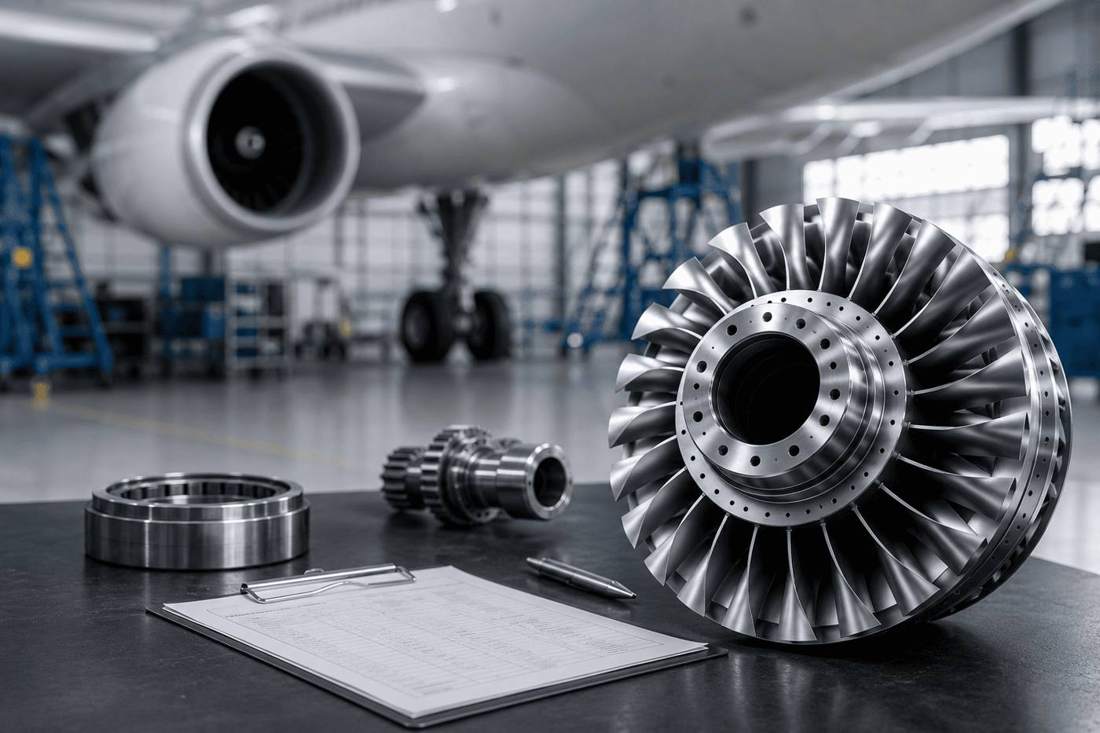
OEMs and lessors clean asset, configuration and records data that comes from many operators, so asset value and condition are understood accurately.
- Configuration and records data cleanup
- Data from many operators standardized
- Asset status and history validation
- AI-ready historical archives
Messy data versus clean, governed data
Most aviation businesses live with data problems they no longer notice. Here is what changes once data is cleaned and governed.
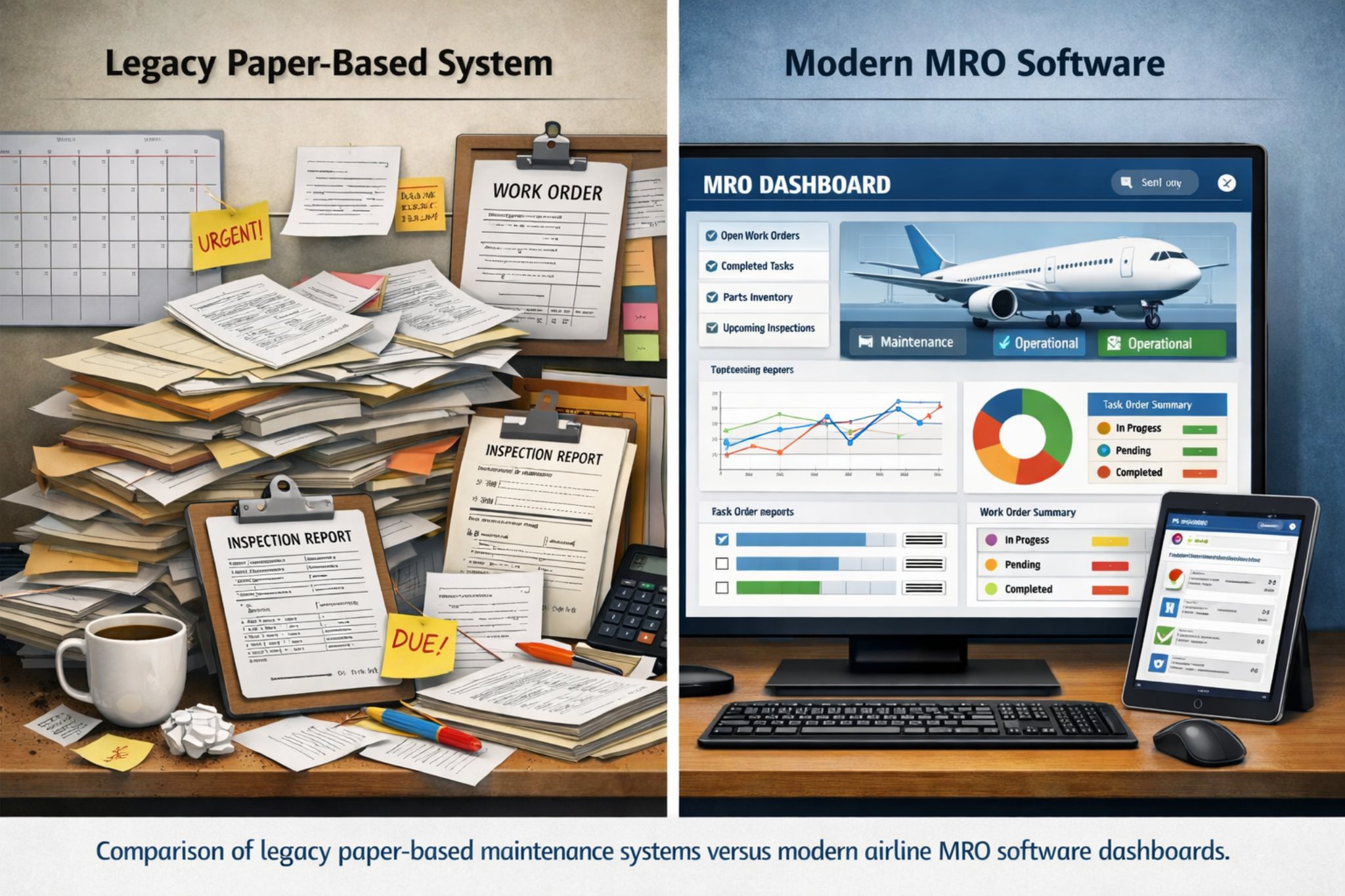
| Area | Messy data | Clean, governed data |
|---|---|---|
| Customers and vendors | ✕ Duplicates with different spellings | ✓ One record each |
| Part numbers | ✕ Inconsistent formats | ✓ Standardized and validated |
| Alternates and PMA | ✕ Buried in manuals | ✓ Linked in the database |
| Systems | ✕ Disconnected, manual rekeying | ✓ Integrated, one source of truth |
| Reporting | ✕ Numbers nobody trusts | ✓ KPIs people act on |
| New implementations | ✕ Delayed by migration problems | ✓ Faster, cleaner go-lives |
"Our dashboards cannot be trusted."
The fix: cleanse and manage the data for accuracy and consistency, then use KPI reporting tools to turn it into meaningful insight on clear dashboards.
"Our systems do not talk to each other."
The fix: a system integration strategy using middleware, APIs and data integration platforms creates a seamless flow of data between systems.
"Engineers hunt manuals for alternates."
The fix: clean-sheet internal data to match OEM parts with alternate and PMA numbers and build a part number database that speeds sourcing.
"Our ERP migration keeps slipping."
The fix: cleanse and map data before migration, so the new system goes live with records people trust.
What aviation data cleansing is worth
Clean data pays back through rework avoided, faster projects and decisions you can trust.
- Hours of manual rework and reconciliation removed
- Faster, lower-risk system implementations
- Fewer wrong orders and shipping errors
- Analytics and AI that deliver on their promise
The hidden cost of bad data is the time people spend fixing it by hand. Use the calculator to estimate it, then consider what a delayed ERP or analytics project would cost on top.
How to get started with aviation data cleansing
Data projects succeed when they are scoped to business outcomes, not to “clean everything”.
Tie it to an outcome
Pick the project the clean data will support: an ERP migration, a dashboard, a pricing model or an AI tool.
Profile the data
Measure duplicates, gaps and errors in the records that outcome depends on.
Cleanse and standardize
Merge duplicates, fix formats, validate values and link alternates, prioritizing the highest-impact fields.
Connect the systems
Set integration and mapping rules so clean data flows between systems without being re-polluted.
Govern it for good
Assign data owners, set standards and monitor quality so the gains last.
Not sure where your data stands? The Solution Finder scopes it in about three minutes and matches you with vetted data partners.
How to choose an aviation data cleansing partner
General data tools do not know what a dash-number or an 8130 is. Use these criteria to find a partner who understands aviation data.
Aviation data knowledge
Ask whether the partner understands part numbers, alternates, serialized components and maintenance records.
Experience with your systems
Look for proven work with your ERP or MRO system and the one you may be migrating to.
Automation and AI
Modern tools use AI to classify and match records at scale; check how errors are reviewed.
Measurable quality
Agree data quality metrics upfront and measure them before and after.
Security
Records and customer data must be handled securely, with clear access controls.
Total cost
Compare project fees, tool licenses and the internal time required.
Governance handover
The partner should leave you with owners, standards and monitoring, not just a cleaned file.
Data cleansing and integration providers in the Aero NextGen network
A sample of providers listed under data cleansing, standardization and business data mapping, shown alphabetically. A listing is not an endorsement; the Solution Finder matches you on fit.







Monica Badra
Founder and CEO, Aero NextGen
Guidance from people who have run aviation operations
Aero NextGen was founded by Monica Badra, who has spent more than a decade inside aviation translating real business needs into the right technology. That experience shapes how we approach aviation data cleansing: it is phase one of every transformation, and it decides whether everything after it succeeds.
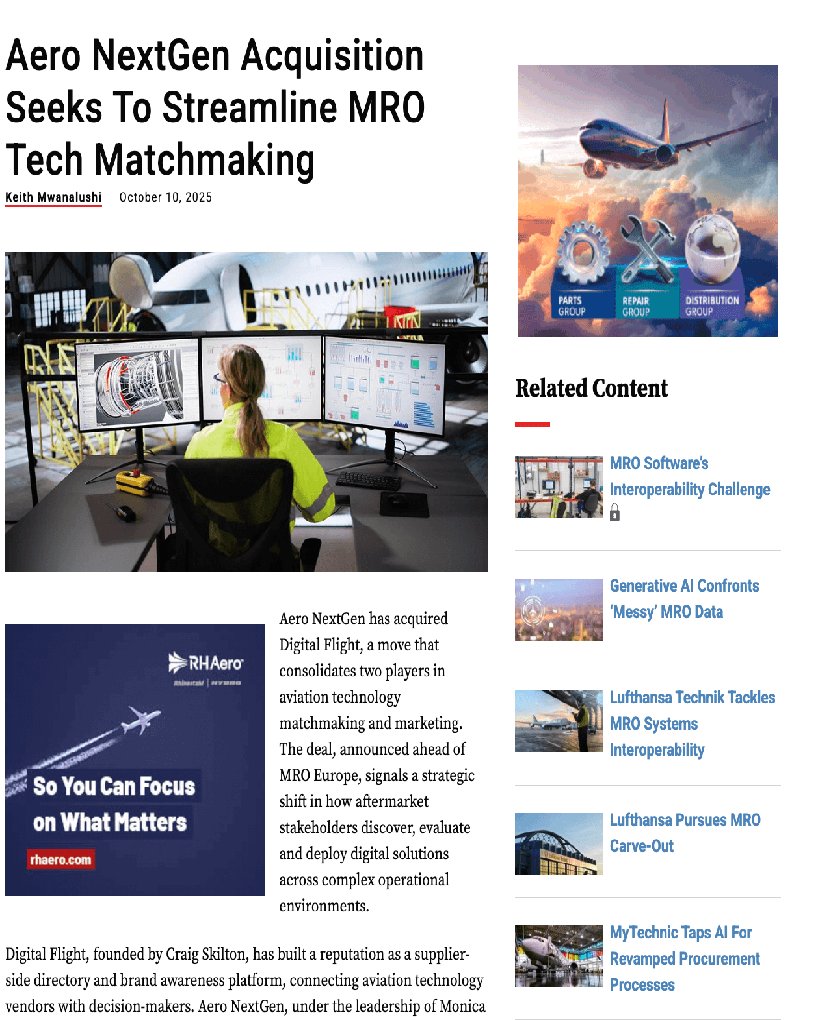
We are vendor-neutral. We do not resell software, and our matching is based on your operation, your systems and your budget. Our perspective on digital MRO and aviation technology has been featured across the industry press.
Aviation data cleansing FAQs
The questions aviation leaders ask us most before they start. Have one we did not cover? The Solution Finder routes it to the right expert.
What is data cleansing and management for aviation MRO?
It is the process of removing duplicates, errors and gaps from your data and governing it across its lifecycle, creating a clean, reliable foundation for KPIs, analytics and every downstream system.
Why is data quality important for MROs?
Poor data means unreliable dashboards, manual rework and weak decisions. Clean data is the prerequisite for analytics, ERP and digital transformation.
What problems does poor data cause in MRO?
Impaired insights and KPI reporting, painful system integrations with no single source of truth and delays sourcing alternate or PMA part numbers.
Should we clean data before or after an ERP migration?
Before. Migrating bad data into a new system carries the problems forward and undermines trust from day one. Clean, map and validate first.
Can AI clean our data for us?
AI speeds up classification and matching dramatically, but people should review exceptions and set the rules. The best results combine both.
How long does a cleansing project take?
Focused cleanups of part or customer masters often take weeks. Full programs across records and history run in phases over months.
What comes after cleansing?
Usually the project it was meant to support, such as cloud ERP or big data analytics, plus ongoing governance.
How do I get started with data cleansing?
Start with the free Solution Finder. It maps your data quality and integration gaps and matches you to the right cleansing and management partners.
Technologies that build on clean data
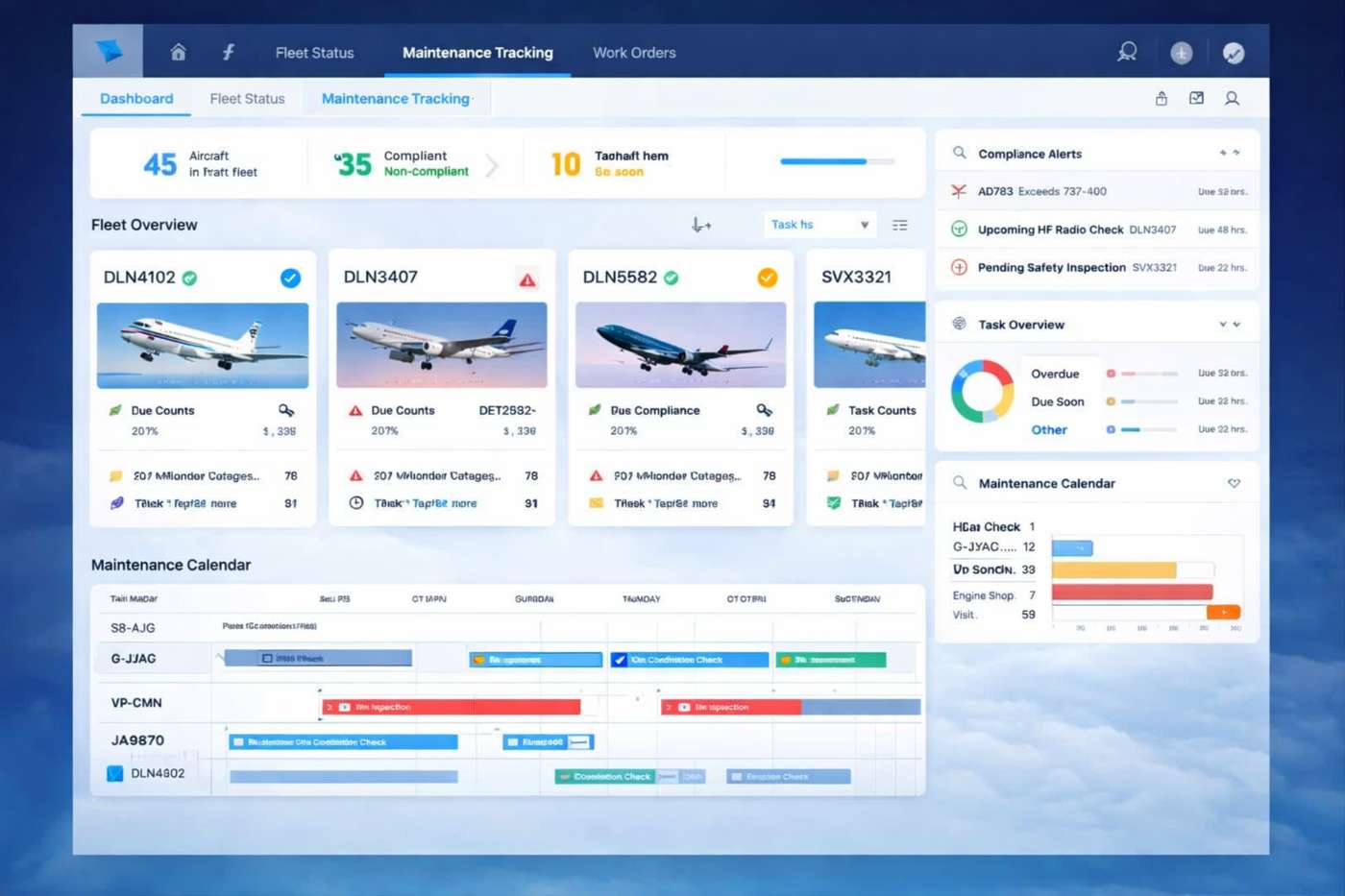
Turn maintenance, parts and finance data into live KPIs and forecasts.
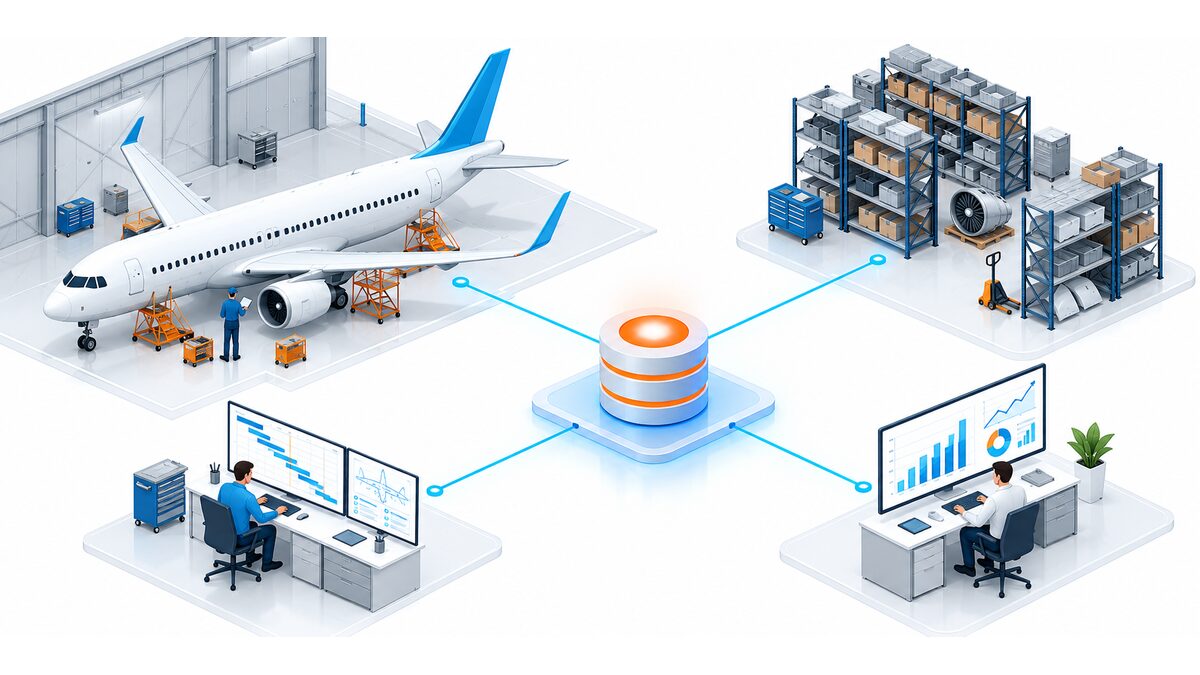
Run finance, maintenance, inventory and HR on one connected core system.

Fix components before they fail instead of after.
Scan, index and search aircraft records for audit-ready retrieval.



Build on data you can trust
Remove duplicates, fix errors, link alternates and govern your data so every system and dashboard after it works. Start with the free Solution Finder to scope your aviation data cleansing project.