Flight safety depends on more than technical flying skills. Pilots also need to communicate clearly, manage workload, share information, make decisions, and recognize developing risks. If you are asking what is crew resource management, it is a structured approach that helps flight crews use people, information, equipment, and procedures effectively to improve safety and operational performance.
Crew Resource Management, usually called CRM, focuses on human factors rather than aircraft handling itself. It develops communication, teamwork, situational awareness, leadership, decision-making, workload management, and error management. Airlines and other operators use CRM training to help crews work as coordinated teams during normal flights, unexpected situations, and emergencies.

The Purpose Of Crew Resource Management
CRM developed from the recognition that aviation accidents do not always result from mechanical failures or a lack of technical ability. Communication problems, poor decisions, missed information, excessive workload, or ineffective teamwork can also contribute to serious events. CRM gives crews practical methods for reducing these human-factor risks.
The goal is not to eliminate human error completely. That would be unrealistic. Instead, CRM helps crews identify threats, detect mistakes earlier, and prevent individual errors from developing into larger operational problems. It creates an environment where every crewmember contributes to maintaining a safe and accurate picture of the flight.
Communication Creates A Shared Understanding
Clear communication is one of the foundations of CRM. Flight crews must exchange information about aircraft status, weather, navigation, procedures, threats, and changing operational conditions. Instructions should be direct enough that other crewmembers can understand them without unnecessary confusion or assumptions.
Effective communication also includes listening and confirming important information. A first officer who notices an incorrect altitude or unusual instrument indication must feel comfortable raising the issue. Likewise, the pilot in command must create an environment where relevant concerns receive attention. Good communication helps everyone maintain the same understanding of what is happening.
Situational Awareness Keeps Crews Ahead
Situational awareness means understanding the aircraft’s current condition, surrounding environment, flight progress, and possible future developments. Crews need to know where the aircraft is, what systems are doing, what weather lies ahead, and what other operational factors may affect the flight.
Understanding what is crew resource management requires recognizing how easily situational awareness can deteriorate. Distractions, fatigue, high workload, or unexpected events can pull attention away from important information. CRM encourages active monitoring, cross-checking, and communication so another crewmember can identify something the first person may have missed.

Decision-Making Becomes A Team Process
Pilots regularly make decisions about weather, fuel, routing, aircraft systems, diversions, and operational limitations. Some decisions allow plenty of time, while others require rapid action. CRM encourages crews to identify the problem, gather available information, consider alternatives, evaluate risks, and monitor the results after choosing a course of action.
Good decision-making also means using resources outside the cockpit. Dispatchers, air traffic controllers, maintenance teams, cabin crews, and operations personnel may provide information that changes the best course of action. Aero Next Gen’s flight operations software guide shows how modern systems connect dispatch, crew, flight planning, and disruption information across airline operations.
Workload Management Prevents Task Overload
Flight crews sometimes face several demands at once. They may need to communicate with air traffic control, change the flight path, review weather, manage an aircraft system, and complete checklists within a short period. Poor workload management can increase the likelihood that an important task gets delayed or forgotten.
CRM teaches crews to prioritize tasks, distribute responsibilities, and avoid unnecessary distractions during demanding periods. The pilot flying may concentrate on aircraft control while the pilot monitoring handles communications and supporting tasks. Effective workload distribution allows the crew to maintain control of the situation without one person trying to manage everything.
Leadership And Teamwork Work Together
The captain has final responsibility for the aircraft, but strong leadership does not mean making every decision alone. Effective leaders establish priorities, communicate expectations, invite useful input, and maintain control without discouraging other crewmembers from speaking. This approach allows the entire crew to contribute to safe operations.
Teamwork also requires crewmembers to support each other. A first officer may notice a developing problem before the captain does. Cabin crew may identify a passenger or cabin issue that affects flight decisions. CRM creates a structure where information can move between people while authority and responsibility remain clear.
Error Management Strengthens Flight Safety
Errors can occur even when crews are well trained. A pilot may select the wrong setting, misunderstand a clearance, overlook a checklist item, or enter incorrect information into a system. CRM assumes that these mistakes are possible and focuses on identifying them before they produce serious consequences.
Monitoring and cross-checking therefore play major roles in what is crew resource management. One crewmember may detect an incorrect action made by another and correct it early. The crew can then reassess the situation and continue safely. This layered approach provides additional protection when individual performance is affected by workload, stress, fatigue, or distraction.
CRM Training Develops Nontechnical Skills
CRM training usually combines classroom concepts with practical scenarios and operational examples. Crews may discuss communication failures, decision-making problems, workload management, leadership, fatigue, and situational awareness. Scenario-based training allows these concepts to be practiced in realistic situations rather than treated as abstract ideas.
The FAA’s Crew Resource Management guidance describes CRM training as an integral part of flight training and operations. The guidance emphasizes areas such as communication, teamwork, task allocation, and decision-making for personnel whose performance affects flight safety.
Technology Can Support Better Crew Coordination
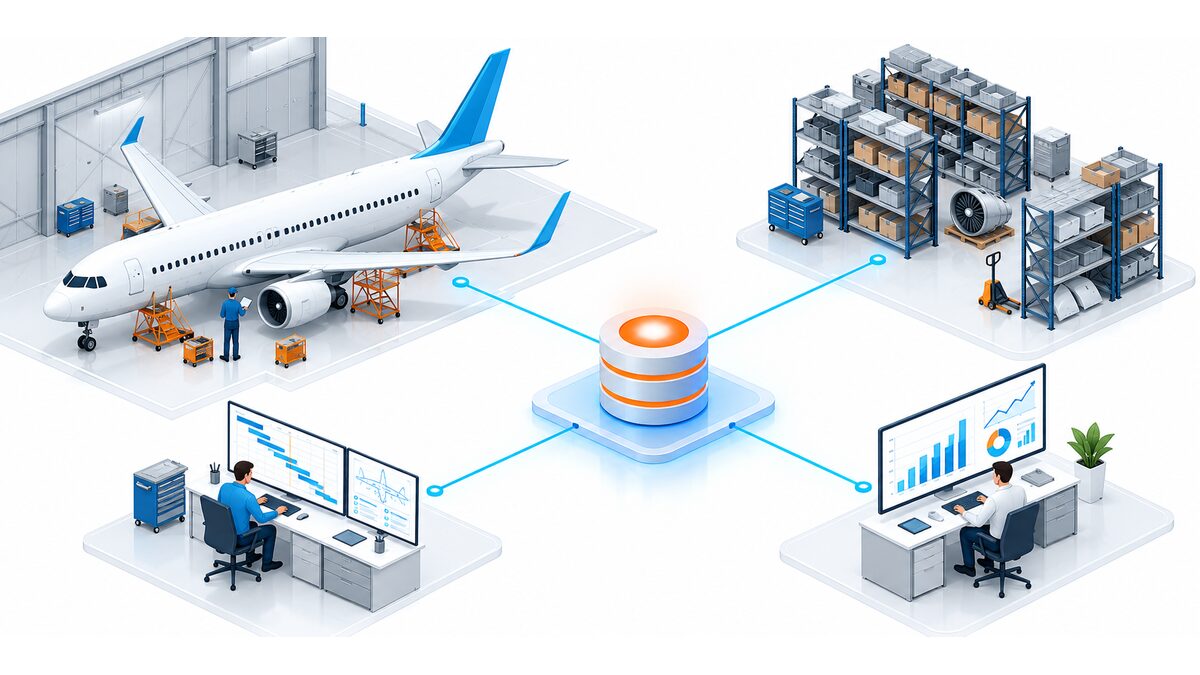
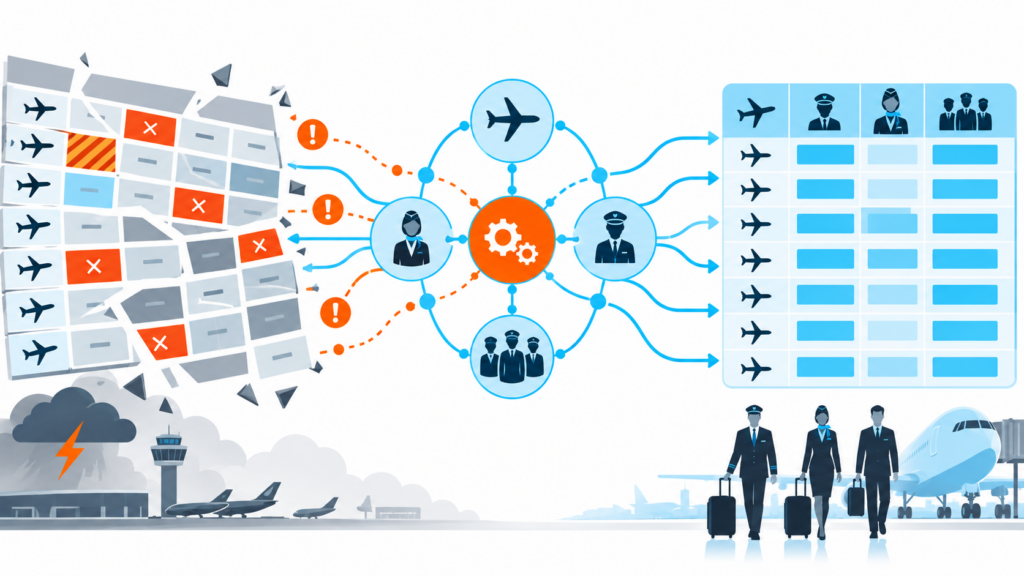
CRM focuses primarily on people, but technology can improve the information available to those people. Flight operations systems can connect crew schedules, qualifications, dispatch information, aircraft status, weather, and disruption data. When accurate information reaches the right people quickly, crews can make decisions with a clearer understanding of operational conditions.
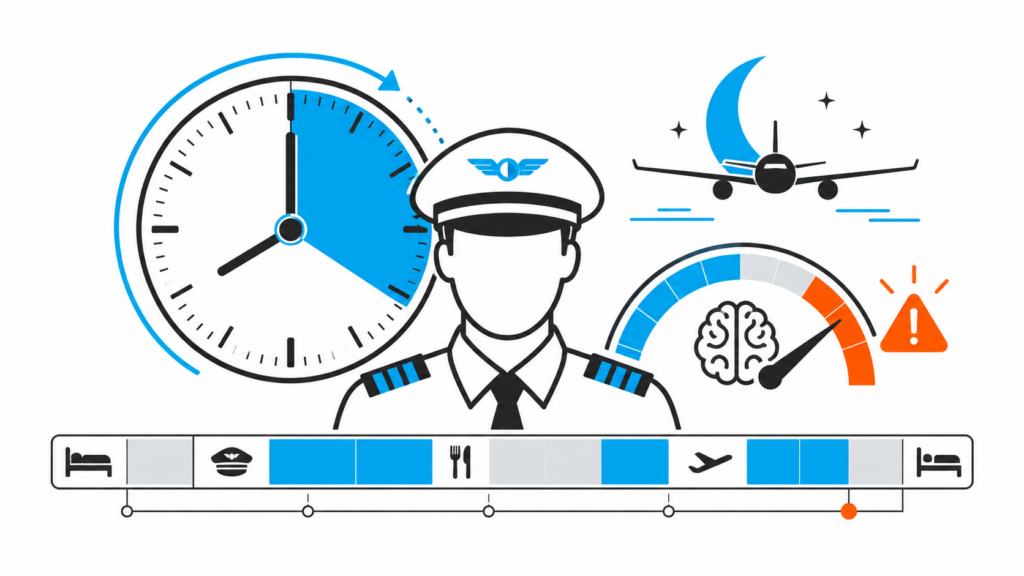
Crew management systems can also help airlines manage qualifications, duty periods, rostering, fatigue considerations, and operational changes. Technology does not replace CRM skills. Instead, it provides information and coordination tools that crews and operations teams can use while applying communication, judgment, teamwork, and situational awareness.
CRM Extends Beyond The Cockpit
Early CRM programs focused heavily on pilots, but modern aviation recognizes that safe operations involve more than flight deck personnel. Cabin crews, dispatchers, maintenance teams, controllers, and operations staff may all provide information that affects a flight. Coordination between these groups can become especially important during abnormal situations.
For example, an aircraft technical problem may require pilots to communicate with maintenance while dispatch evaluates diversion options and cabin crew prepare passengers. Each group has different information and responsibilities. CRM principles help these resources work together instead of operating as isolated departments during time-sensitive situations.
Conclusion
So, what is crew resource management? It is an aviation safety approach that develops communication, teamwork, situational awareness, decision-making, leadership, workload management, monitoring, and error management. CRM helps flight crews use all available resources effectively rather than relying only on individual technical ability.
Modern aviation increasingly combines these human skills with connected operational technology. Aero Next Gen helps aviation organizations evaluate crew management, flight operations, safety, analytics, and other aviation technologies. Strong systems can improve access to information, while effective CRM helps aviation professionals use that information safely and efficiently.