Pilots need more than technical knowledge to operate safely. They must communicate clearly, divide tasks, monitor changing conditions, make sound decisions, and work effectively with other people. If you are asking what is CRM training, it is Crew Resource Management training designed to improve these nontechnical skills and help aviation professionals use all available resources more effectively.
Understanding what is CRM training also means recognizing its role in human performance. CRM training develops communication, teamwork, situational awareness, decision-making, leadership, workload management, monitoring, and error-management skills. Airlines use these principles to strengthen coordination during routine operations, abnormal events, and emergencies.
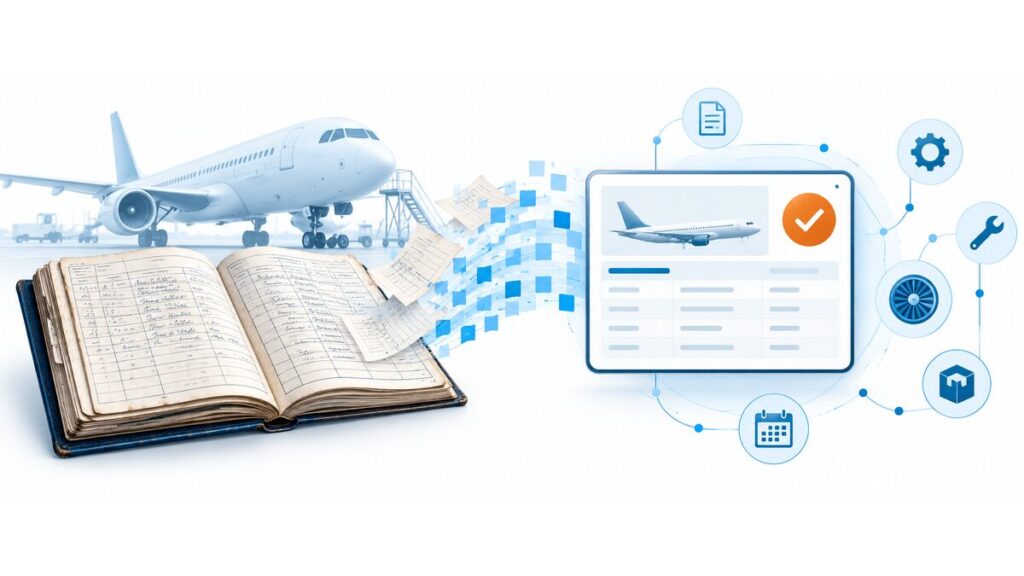
CRM Training Focuses On Human Factors
Technical training teaches pilots how to operate aircraft systems, follow procedures, and manage aircraft performance. CRM focuses on how people communicate, coordinate, and make decisions while performing those technical tasks. Human factors such as fatigue, distraction, workload, communication problems, and incorrect assumptions can influence flight safety even when an aircraft operates normally.
This human-performance focus helps explain what is CRM training in practical aviation. The goal is not to turn pilots into psychologists or remove every possibility of human error. Instead, training gives crews practical techniques for identifying threats, communicating concerns, sharing information, and preventing small mistakes from developing into larger operational problems.
Communication Forms A Major Part Of CRM
Effective flight crews exchange information constantly. Pilots discuss weather, aircraft status, fuel, navigation, air traffic instructions, procedures, and changing operational conditions. CRM training teaches crewmembers to communicate information clearly and confirm that important messages have been understood.
Another important part of what is CRM training is assertive communication. A first officer who notices a problem should feel able to raise the concern, even when questioning a more experienced captain. Strong CRM does not remove the captain’s authority. Instead, it creates an environment where important safety information can reach the person responsible for making the final decision.
Situational Awareness Helps Crews Stay Ahead
Situational awareness means understanding the aircraft’s current condition, surrounding environment, flight progress, and possible future developments. Crews need to monitor aircraft position, weather, traffic, system status, fuel, and upcoming operational requirements. Missing one important change can affect several later decisions.
This is why what is CRM training cannot be explained only as teamwork training. CRM also teaches pilots to monitor the wider situation, cross-check each other, and recognize when attention becomes too narrow. If one pilot becomes focused on troubleshooting a technical problem, another can continue monitoring the aircraft and external environment.
Workload Management Reduces Task Saturation
Flight crews can face several demands at the same time. During a difficult approach, pilots may need to communicate with air traffic control, review weather, change aircraft configuration, monitor traffic, and complete checklists. A technical problem can add even more workload during an already demanding phase of flight.
When explaining what is CRM training, workload management is therefore essential. Crews practice prioritizing tasks, distributing responsibilities, and delaying nonessential work when necessary. The pilot flying can concentrate on controlling the aircraft while the pilot monitoring handles communications, checklists, and supporting tasks. This division helps prevent one person from becoming overloaded.
Decision-Making Becomes More Structured
Pilots frequently make decisions with limited time and incomplete information. Weather may deteriorate, fuel conditions may change, or an aircraft system may develop a problem. CRM training encourages crews to define the problem, gather useful information, consider available options, select an action, and continue monitoring the result.
Modern operations also provide information from dispatchers, maintenance teams, cabin crews, and digital systems. Aero Next Gen’s crew resource management resource explains how CRM gives crews practical tools for communication, situational awareness, workload management, and decision-making. These skills help crews turn available information into coordinated action.
Leadership And Teamwork Support Each Other
CRM does not remove hierarchy from the flight deck. Captains still have authority and responsibility for the aircraft. However, effective leadership includes setting priorities, assigning tasks, listening to concerns, and encouraging relevant input from other crewmembers. Strong leaders create clear direction without preventing others from contributing.
This relationship between leadership and teamwork is another major part of what is CRM training. Crewmembers need to understand their responsibilities while continuing to monitor the overall operation. A strong team can challenge an incorrect action respectfully, support the captain’s decisions, and adapt when circumstances change without creating confusion over authority.
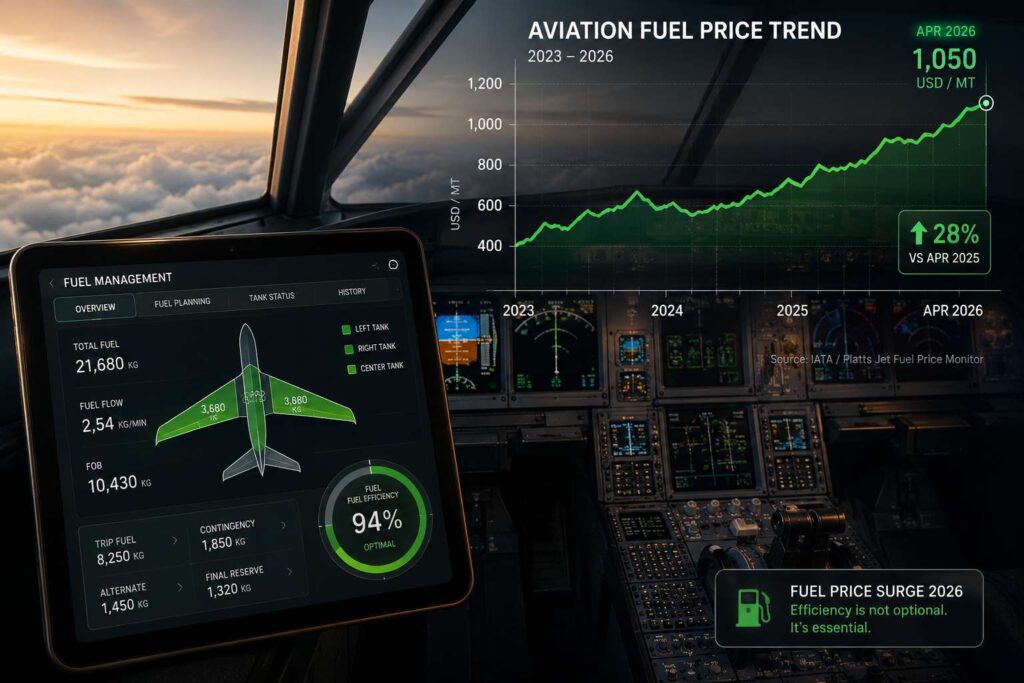
Error Management Adds Another Safety Barrier
Even experienced professionals can make mistakes. A pilot might select the wrong setting, mishear an instruction, enter incorrect information, or overlook a checklist item. CRM recognizes that human error can occur and focuses on detecting problems before they create serious consequences.
Error management provides one of the clearest answers to what is CRM training. Pilots practice monitoring each other, cross-checking important actions, and speaking up when something appears incorrect. One crewmember can identify another person’s mistake and correct it early. This creates an additional safety barrier instead of relying on perfect individual performance.
CRM Training Uses Practice And Feedback
Classroom instruction introduces CRM concepts, but crews also need practical experience. Simulator exercises can expose pilots to equipment failures, poor weather, changing priorities, communication problems, or high workload. Instructors can then evaluate how effectively the crew communicates, divides tasks, monitors the situation, and makes decisions.
The FAA’s Crew Resource Management Training guidance describes CRM training as involving initial awareness, recurrent practice and feedback, and continuing reinforcement. This is important when defining what is CRM training because CRM should develop over time rather than being treated as a single classroom course.
CRM Training Extends Beyond Pilots
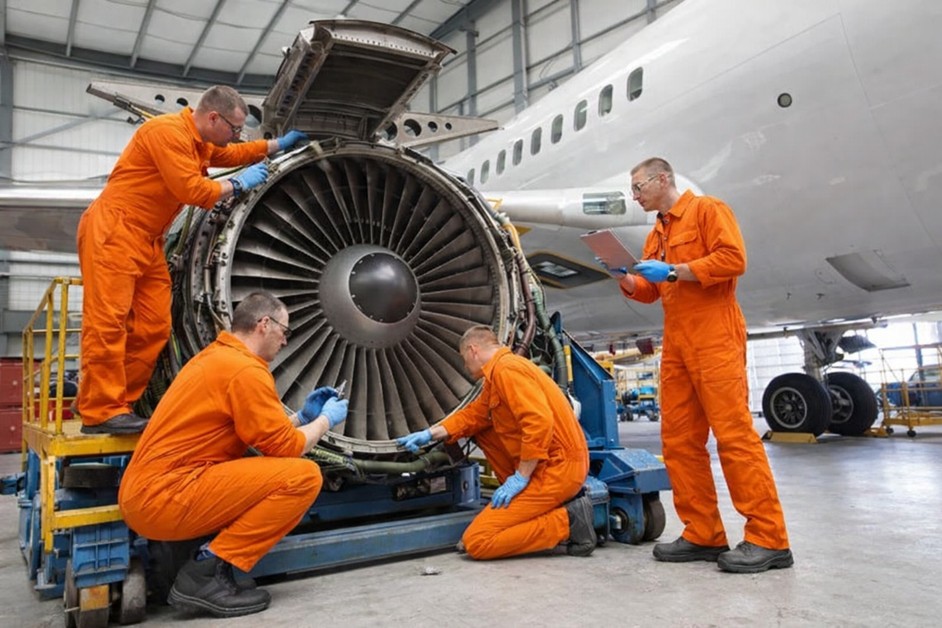
CRM originally focused heavily on cockpit crews, but safe flight operations involve many other people. Cabin crew, dispatchers, maintenance personnel, and air traffic controllers can all provide information or resources that influence operational decisions. Coordination between these groups becomes especially important when normal plans change.
Understanding what is CRM training therefore requires looking beyond two pilots in a cockpit. An aircraft technical problem may require communication between pilots, dispatch, maintenance, cabin crew, and air traffic control. Strong CRM principles help these groups share information efficiently while keeping responsibilities clear during time-sensitive situations.
Technology Supports CRM Skills
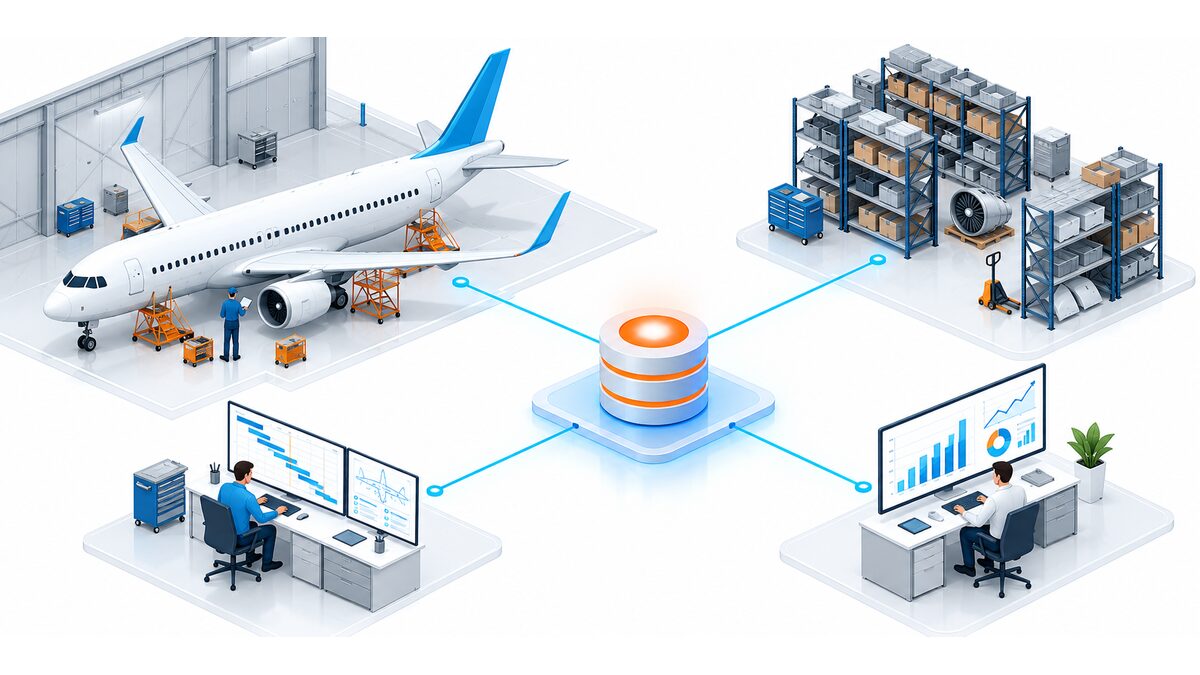
Digital systems can support CRM by giving crews better access to operational information. Flight operations platforms may bring together weather, aircraft status, crew information, schedules, flight plans, and disruption data. Reliable information can reduce uncertainty and help teams make decisions more efficiently.
However, technology does not replace what is CRM training designed to achieve. Software can display information, but people still need to interpret it, communicate concerns, decide what matters most, and coordinate their actions. Effective aviation operations combine useful technology with professionals who know how to manage information and work together.
CRM Training Requires Continuous Development
CRM skills can weaken if organizations treat training as a one-time requirement. Crews need opportunities to practice communication, monitoring, teamwork, and decision-making throughout their careers. Recurrent scenarios can expose pilots to different challenges and provide feedback on behaviors that may need improvement.
This continuous approach is central to what is CRM training in modern aviation. Aircraft technology, operating environments, and organizational procedures can change, but the need for strong human coordination remains. Regular reinforcement helps CRM become part of normal crew behavior rather than something pilots think about only during formal training.
Conclusion
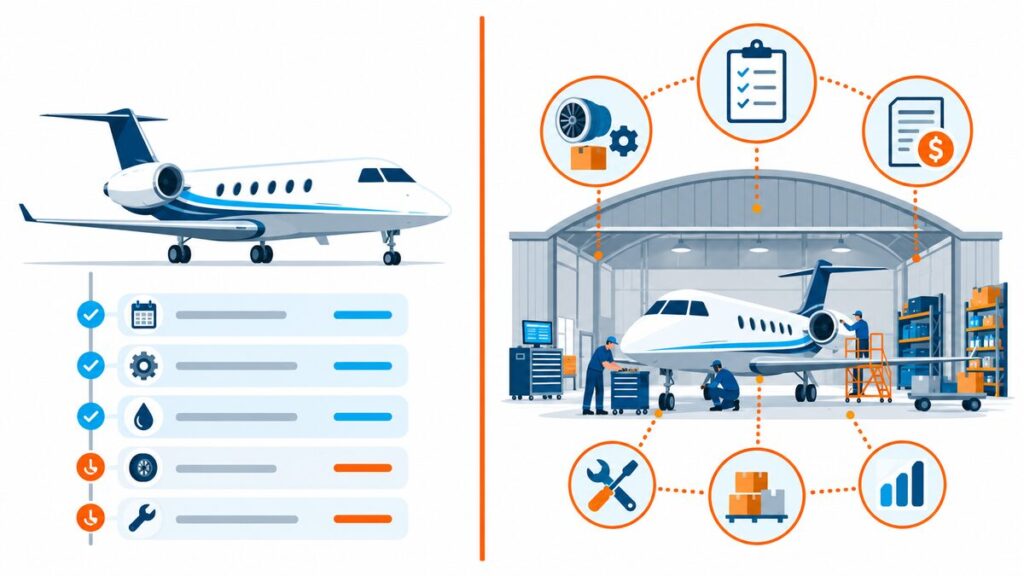
So, what is CRM training? It is structured aviation training that improves communication, teamwork, situational awareness, decision-making, leadership, workload management, monitoring, and error management. It complements technical skills by preparing crews to manage the human factors that influence flight operations and safety.
As aviation becomes increasingly digital, what is CRM training remains important because technology cannot replace effective human coordination. Aero Next Gen helps aviation organizations evaluate crew management, flight operations, safety, analytics, and other technology solutions that can support stronger operational visibility and better decision-making.