Businesses often need vehicles to move employees, equipment, parts, passengers, or supplies as part of their daily operations. If you are asking what is fleet vehicle, it generally refers to a vehicle that a company, government agency, or other organization owns, leases, or manages as part of a larger group of vehicles. The vehicle serves an operational or business purpose rather than primarily personal transportation.
Understanding what is fleet vehicle is particularly useful in aviation because airlines, airports, MRO facilities, FBOs, and ground-handling companies operate many different vehicles. Maintenance vans, service trucks, passenger vehicles, crew transportation, airport utility vehicles, and other equipment can all become part of an aviation ground fleet.
A Fleet Vehicle Is A Business Asset
A fleet vehicle does not need to be a special model or type. A normal sedan, pickup truck, van, or SUV can become a fleet vehicle when an organization manages it for business purposes. The company may purchase the asset directly, lease it, or obtain it through another fleet arrangement.
This distinction helps explain what is fleet vehicle in practical terms. The important factor is how the vehicle is used and managed. Organizations normally control maintenance, fuel, driver access, insurance, operating policies, mileage, and replacement decisions instead of leaving those responsibilities to an individual owner.
Fleet Vehicles Come In Different Forms
Companies select vehicles according to the work they need to perform. Passenger cars may transport employees, vans can carry equipment, pickup trucks may support technicians, and buses can move larger groups. Heavy-duty trucks and specialized equipment may serve more demanding operational roles.
The U.S. General Services Administration fleet program provides a useful example of organized vehicle management. Its fleet services cover purchasing, leasing, maintenance, fuel, and other vehicle-management activities. This shows why what is fleet vehicle involves both the physical asset and the systems used to manage it.
Aviation Uses Fleet Vehicles Every Day
Airports and aviation organizations depend on vehicles to support aircraft and employees on the ground. Maintenance personnel may travel between hangars in service vans. Operations teams may use airport vehicles for airfield inspections, while airlines can use vehicles to move crews between facilities.
This aviation connection broadens what is fleet vehicle beyond traditional corporate transportation. The asset may never transport a customer on a public road but still provide essential operational support. Reliable ground vehicles can help maintenance, airport, and airline teams move people and equipment where they are needed.
Ground Support Assets Can Be Managed As Fleets
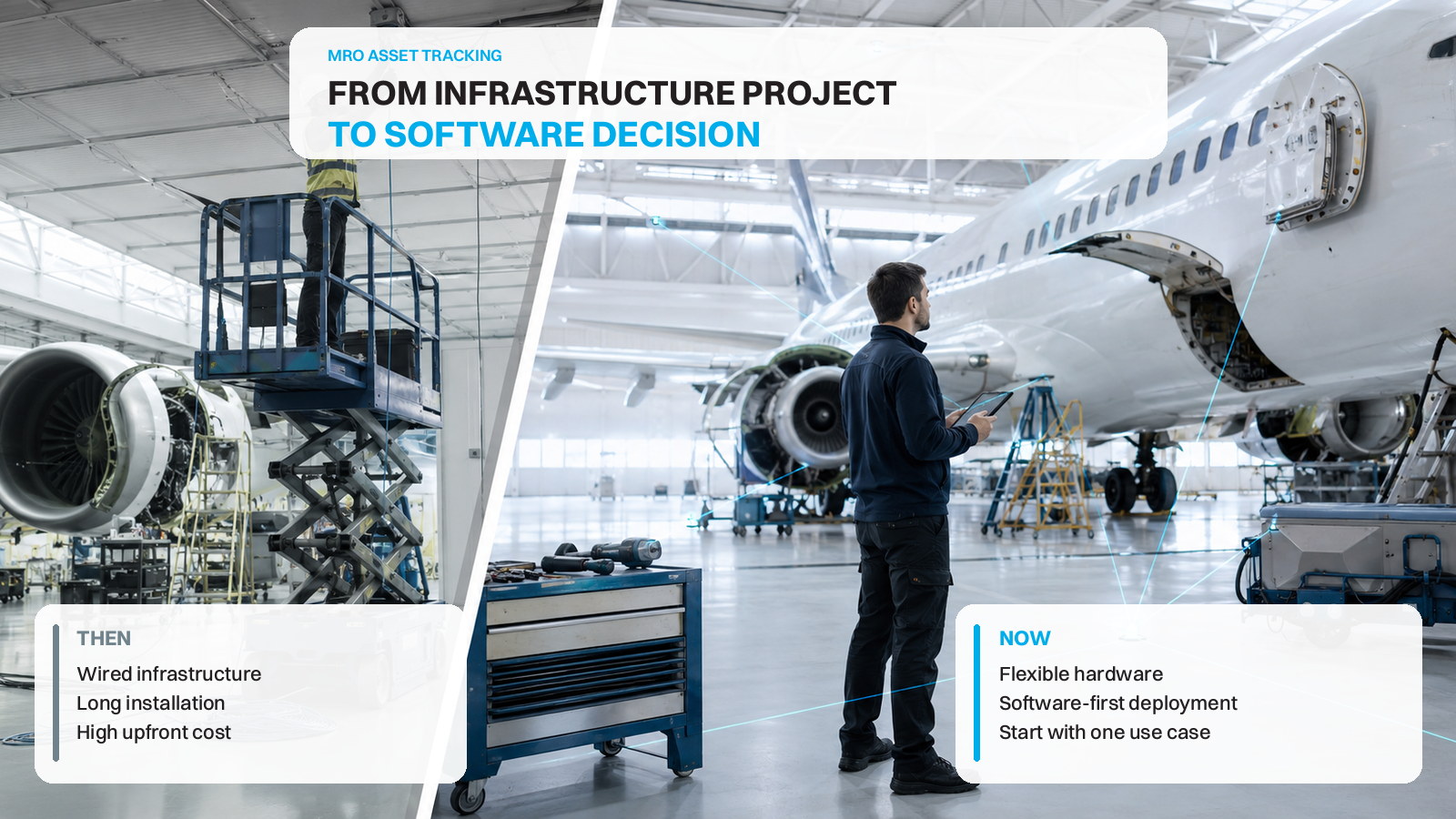
Aviation facilities also operate specialized ground-support equipment. Tugs, tractors, service units, loaders, and other mobile assets may not always fit the traditional definition of a road vehicle, but organizations often manage them using similar fleet principles.
For aviation teams researching what is fleet vehicle, this broader approach is useful. Managers need to know whether ground assets are available, where they are located, and when they require maintenance. Treating mobile equipment as a managed fleet can improve visibility and reduce time spent searching for critical resources.
Maintenance Keeps Fleet Vehicles Available
Fleet vehicles require preventive maintenance and repairs throughout their working lives. Common tasks can include oil changes, tire replacement, brake servicing, battery work, inspections, fluid checks, and repairs. Specialized aviation vehicles may require additional servicing based on their equipment and operating environment.
Maintenance is therefore an important part of what is fleet vehicle management. A service van or airport vehicle has little operational value if it frequently breaks down. Maintenance histories can help managers identify recurring problems, schedule service at appropriate intervals, and determine whether an aging vehicle remains reliable enough to keep.
Tracking Improves Fleet Visibility
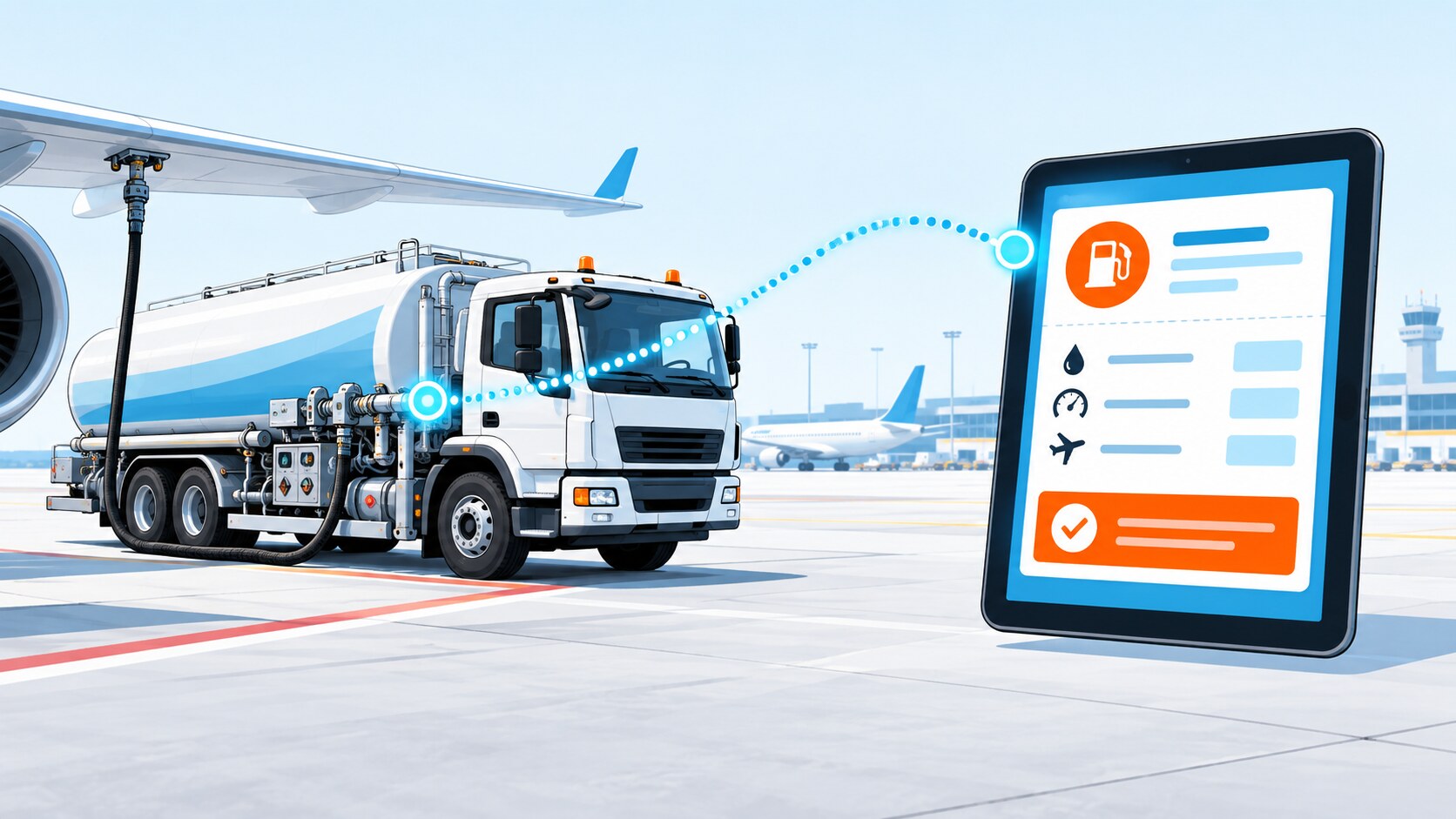
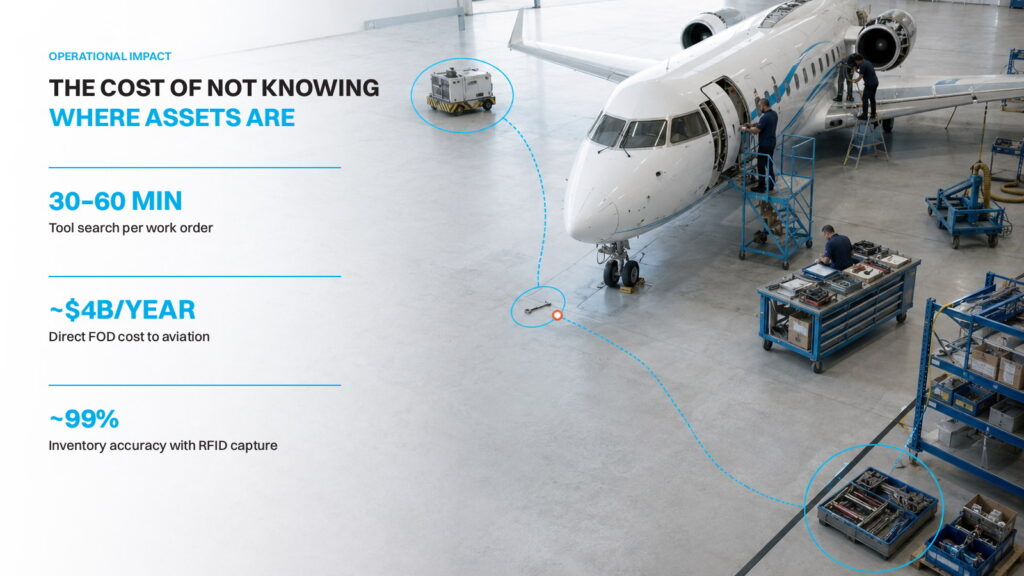
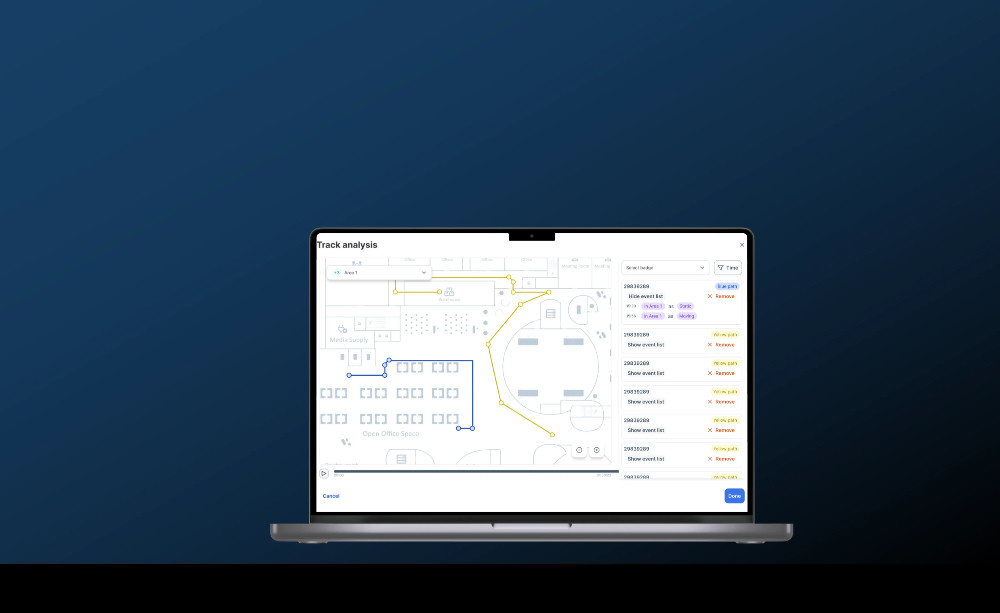
Companies need to understand where vehicles are and how often they are being used. GPS, telematics, sensors, RFID, and other technologies can provide information about movement, operating time, mileage, and availability. Managers can use that information to coordinate assets more effectively.
Aero Next Gen’s guide to fleet tracking explains how location and utilization monitoring can extend across aircraft, vehicles, tools, and ground-support equipment. This adds another layer to what is fleet vehicle because organizations can make management decisions using actual utilization and location data rather than manual estimates.
Utilization Helps Determine Fleet Size
Every fleet vehicle creates costs whether it is being used or not. Organizations may pay for acquisition, leasing, maintenance, insurance, registration, storage, and administration. Vehicles that spend most of their time parked can therefore create unnecessary expense.
Understanding utilization is another part of what is fleet vehicle management. Fleet managers can compare mileage, operating hours, assignments, or days in service to identify underused assets. They can then decide whether vehicles should be reassigned, removed, or replaced with equipment that better matches operational demand.
Fuel Is Part Of Fleet Operating Cost
Fuel can become a significant expense when an organization operates many vehicles. Managers may monitor fuel purchases and consumption by vehicle, driver, department, or location. Large changes in consumption can sometimes indicate operating changes, excessive idling, inefficient driving, or mechanical problems.
For organizations considering what is fleet vehicle from a financial perspective, fuel is only one part of total operating cost. Maintenance, tires, repairs, insurance, depreciation, and downtime also matter. Looking at these expenses together provides a clearer picture of how much each fleet asset actually costs the organization.
Fleet Vehicles Need Clear Management Policies
Companies often establish policies covering who can use fleet vehicles, how they should be operated, where they can travel, and how incidents should be reported. Policies may also address fuel cards, inspections, mileage reporting, maintenance requests, and driver responsibilities.
Clear policies become more important as the number of vehicles increases. This helps answer what is fleet vehicle from a management perspective because a fleet is not simply a collection of company-owned cars. Organizations need consistent processes to maintain accurate records and ensure that employees use assets appropriately.
Replacement Planning Manages Vehicle Lifecycle
Fleet vehicles do not remain economical forever. Age, mileage, repair frequency, downtime, fuel consumption, and resale value can all influence replacement decisions. Keeping an unreliable asset for too long can create higher repair costs and disrupt operations when breakdowns occur unexpectedly.
Lifecycle planning is therefore another important element of what is fleet vehicle management. Organizations can compare maintenance history, utilization, condition, and total operating costs before deciding when to replace an asset. Planned replacement also gives managers more control over budgets than waiting for vehicles to fail.
Digital Systems Can Support Fleet Management
A larger fleet can generate information across maintenance records, fuel transactions, tracking systems, finance platforms, and driver reports. When each source remains separate, managers may struggle to understand current vehicle status and total cost.
Digital fleet systems can bring this information together. When explaining what is fleet vehicle in a modern organization, management technology has become increasingly relevant. The goal is not simply to collect more data but to provide managers with useful information about maintenance, availability, utilization, costs, and asset performance.

Conclusion
So, what is fleet vehicle? It is a vehicle that an organization owns, leases, or manages as part of a group of business assets. Cars, vans, trucks, buses, service vehicles, and specialized equipment can all become fleet vehicles when they support organizational operations and are managed through consistent fleet processes.
For aviation businesses, what is fleet vehicle can also include the vehicles and mobile equipment supporting aircraft, maintenance teams, airports, and ground operations. Aero Next Gen covers fleet tracking, maintenance, analytics, and other aviation technologies that can help organizations improve visibility across both aircraft and supporting operational assets.