
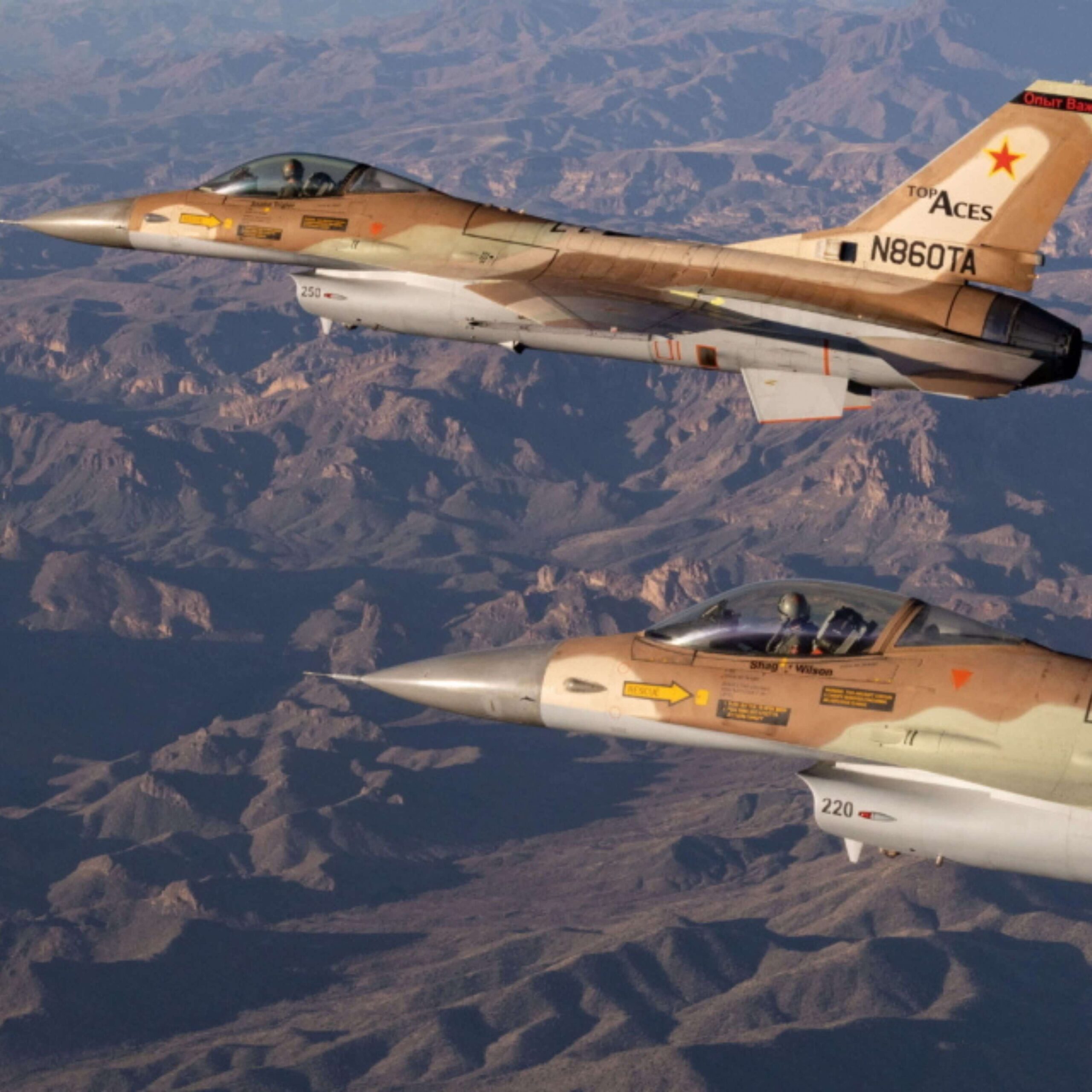
Pilots do not operate every flight under the same set of rules. Weather, airspace, aircraft equipment, pilot qualifications, and the type of operation all influence how a flight is conducted. If you are asking what is vfr in aviation, VFR stands for Visual Flight Rules. These rules allow pilots to operate primarily by visual reference while meeting applicable weather, visibility, cloud-clearance, and airspace requirements.
Understanding what is vfr in aviation is especially important for student pilots, general aviation operators, and anyone learning how aircraft move through the National Airspace System. VFR does not mean pilots simply fly wherever they can see. They still follow regulations, check weather, plan routes, avoid hazards, communicate when required, and maintain safe separation from terrain and other aircraft.
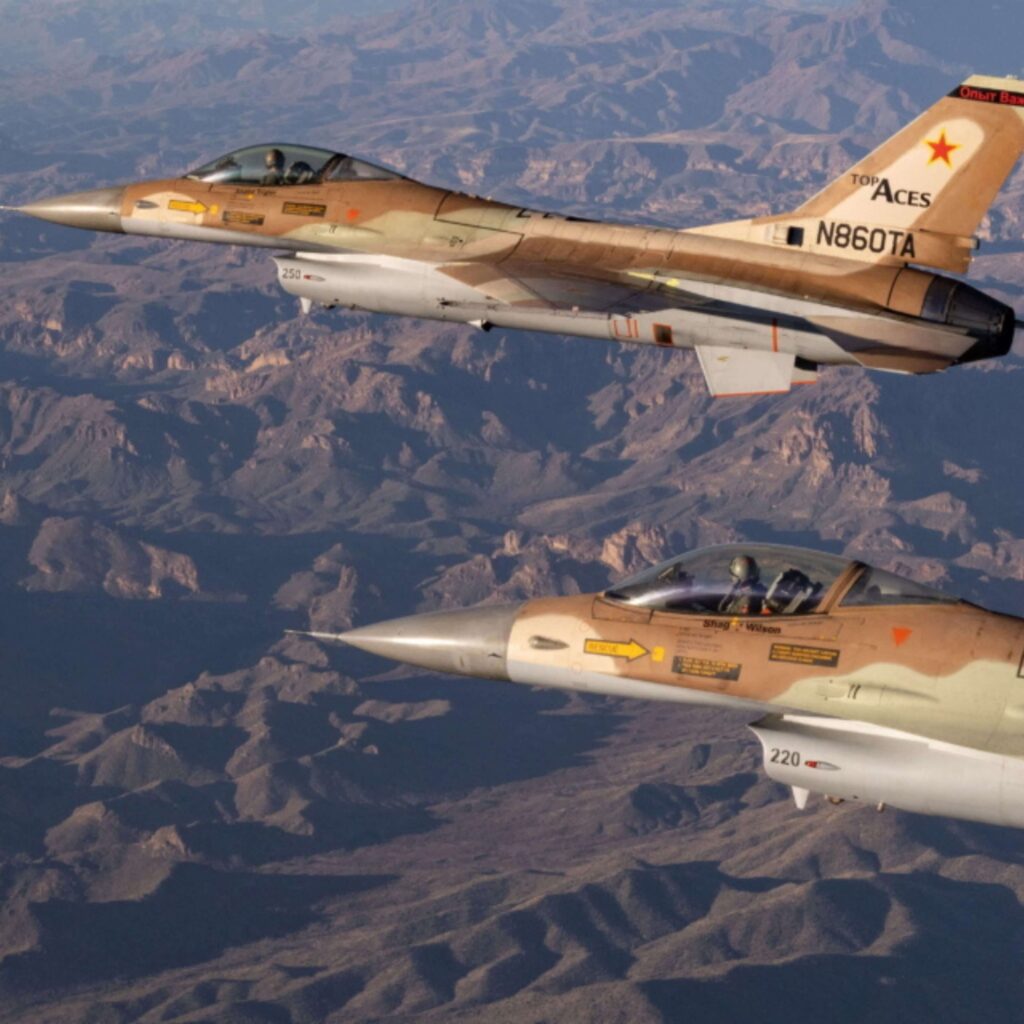
VFR Means Visual Flight Rules
Visual Flight Rules are the regulations that govern flight under visual conditions. Under VFR, pilots use outside visual references as a major part of navigation, aircraft control, terrain avoidance, and traffic awareness. Aircraft instruments still provide important information, but the flight does not depend on instrument procedures in the same way as an IFR operation.
This distinction forms the basic answer to what is vfr in aviation. VFR describes both a set of operating rules and, in common aviation use, weather conditions suitable for those operations. Pilots must determine whether current and expected conditions allow the planned flight to remain within applicable VFR requirements.
VFR Depends On Suitable Weather Conditions
Weather plays a major role in VFR operations because pilots need enough visibility and separation from clouds to maintain visual awareness. Minimum requirements vary according to airspace, altitude, and other operating conditions. Pilots therefore need to understand which rules apply to the specific airspace through which they intend to fly.
The FAA defines Visual Flight Rules as rules governing procedures for flight under visual conditions. Its Aeronautical Information Manual also explains that pilots operating under VFR remain responsible for meeting applicable visibility and cloud-clearance requirements. This weather dependency is a key part of what is vfr in aviation because poor visibility can make continued visual flight unsafe or unlawful.
Pilots Must See And Avoid Other Aircraft
VFR pilots have an important responsibility to maintain awareness of surrounding traffic. Looking outside the cockpit, scanning for aircraft, monitoring position, and anticipating traffic around airports all contribute to collision avoidance. Air traffic services can help in some situations, but pilots cannot assume that controllers will always provide separation from every other VFR aircraft.
This responsibility helps explain what is vfr in aviation from a safety perspective. Pilots need to divide attention between aircraft instruments and the outside environment. Good visual scanning, radio awareness, traffic displays when available, and knowledge of local traffic patterns all support safer operations without replacing the pilot’s responsibility to remain alert.

Airspace Rules Affect VFR Operations
The National Airspace System contains several classes of controlled and uncontrolled airspace. Each can have different communication, equipment, entry, weather, and operational requirements. A VFR flight may pass through several types of airspace during one trip, so pilots need to understand the rules before departure.
Airspace knowledge is therefore another important part of what is vfr in aviation. A pilot operating near a major airport may need specific communication or clearance before entering certain airspace, while another flight in less complex airspace may operate with fewer ATC requirements. Route planning must account for these differences before the aircraft leaves the ground.
VFR Flight Planning Still Requires Preparation
Flying visually does not remove the need for detailed preflight planning. Pilots should review weather reports and forecasts, aeronautical charts, notices, airport information, fuel requirements, terrain, airspace, and possible alternatives. They should also consider whether conditions could deteriorate before the flight reaches its destination.
This planning requirement is sometimes overlooked when people first ask what is vfr in aviation. A clear sky at the departure airport does not guarantee suitable conditions along the entire route. Weather systems, mountains, reduced visibility, strong winds, or changing ceilings can make a planned visual flight more difficult than expected.
VFR And IFR Follow Different Operating Rules
VFR and IFR are two major frameworks for conducting flights. IFR stands for Instrument Flight Rules and allows appropriately qualified pilots and equipped aircraft to operate using instrument procedures, including in conditions where outside visual references may be limited. IFR operations also involve different clearance, routing, and air traffic control requirements.
The comparison makes what is vfr in aviation easier to understand. VFR relies more heavily on visual conditions and pilot responsibility for maintaining visual separation where applicable, while IFR relies heavily on instruments, published procedures, clearances, and ATC coordination. Neither system is automatically better because the appropriate choice depends on the flight, pilot qualifications, aircraft equipment, and conditions.

Air Traffic Control Can Still Support VFR Flights
VFR does not mean pilots never communicate with air traffic control. Depending on the airspace and operation, communication may be required. Pilots can also request services such as traffic advisories and flight following when available, giving them additional information about nearby traffic and operational conditions.
However, ATC assistance does not remove core VFR responsibilities. Understanding what is vfr in aviation includes recognizing that pilots must still maintain appropriate weather conditions, terrain clearance, and visual awareness. Controllers can provide valuable support, but the pilot in command remains responsible for the safe operation of the aircraft.
Technology Supports Modern VFR Flying
Modern pilots have access to far more information than earlier generations of aviators. GPS navigation, electronic flight bags, moving maps, weather information, ADS-B traffic displays, digital charts, and aircraft avionics can improve situational awareness and make route planning easier.
These technologies have changed how pilots practice what is vfr in aviation, but they do not remove the need for basic visual flying skills. Pilots can become overly focused on screens if they are not careful. Digital tools should support visual awareness and decision-making rather than pull attention away from traffic, terrain, weather, and aircraft control.

VFR Is Important In General Aviation
Visual flying is common throughout general aviation. Student pilots develop many foundational skills during VFR training, while private pilots frequently use VFR for recreational, business, training, and short-distance flights. It provides a practical framework for operating aircraft when weather and airspace conditions are suitable.
For readers researching what is vfr in aviation, this connection with general aviation is important. Aero Next Gen’s aviation overview explains how general aviation includes personal flying, business aviation, flight training, charter operations, and other missions outside scheduled airline service. VFR remains a fundamental part of many of these operations.
Pilots Need To Know When VFR Is No Longer Suitable
One of the most important pilot decisions is recognizing when conditions no longer support safe visual flight. Weather can deteriorate gradually, making it tempting to continue even when visibility or cloud clearance becomes increasingly restrictive. Pilots should establish realistic limits and be prepared to change the plan when conditions become unsuitable.
This decision-making element is central to what is vfr in aviation. Safe flying involves more than meeting the minimum legal requirement at a specific moment. Pilots should consider experience, terrain, daylight, weather trends, aircraft capability, available alternatives, and their own proficiency when deciding whether a VFR flight should begin or continue.

Conclusion
So, what is vfr in aviation? VFR means Visual Flight Rules, a framework that allows pilots to operate primarily through visual reference when weather and airspace conditions meet applicable requirements. It involves weather evaluation, visual traffic awareness, airspace knowledge, route planning, navigation, pilot judgment, and compliance with aviation regulations.
As aviation becomes more technologically connected, what is vfr in aviation still depends heavily on pilot awareness and sound decision-making. Aero Next Gen covers the wider aviation ecosystem, including flight operations, avionics, tracking, maintenance, safety, and digital technologies that support modern aircraft and the organizations operating them.