
Aircraft need regular inspections, repairs, component work, and major maintenance throughout their operating lives. If you are asking what is mro, MRO stands for maintenance, repair, and overhaul. In aviation, the term covers the technical work and supporting processes used to keep aircraft, engines, and components safe, serviceable, and available for operation.
Understanding what is mro also means looking beyond the technician working directly on an aircraft. Modern MRO involves planning, engineering, parts, inventory, technical records, quality, compliance, labor, facilities, and software. Airlines, fleet operators, and independent repair organizations coordinate these functions, so required maintenance can be completed without creating unnecessary aircraft downtime.

MRO Means Maintenance, Repair, And Overhaul
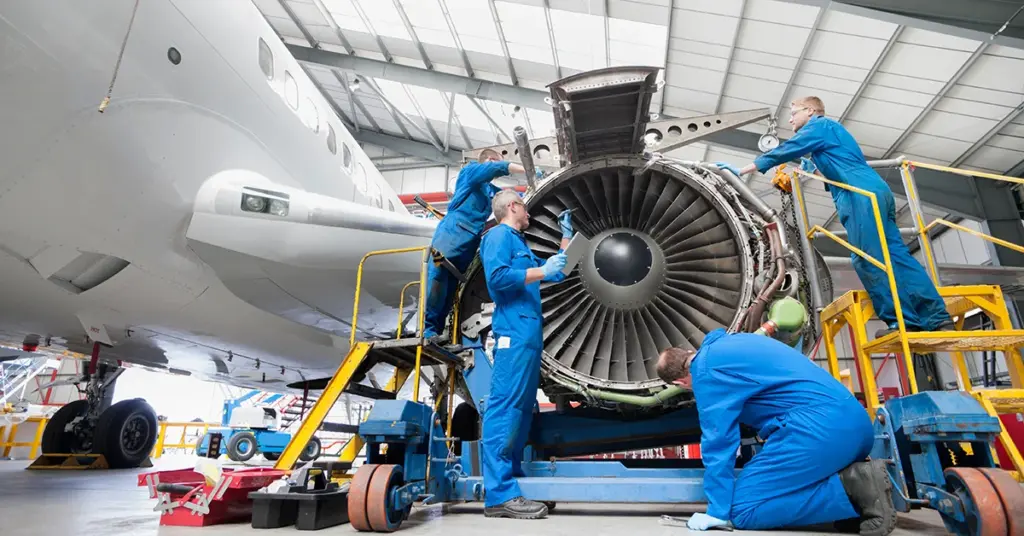
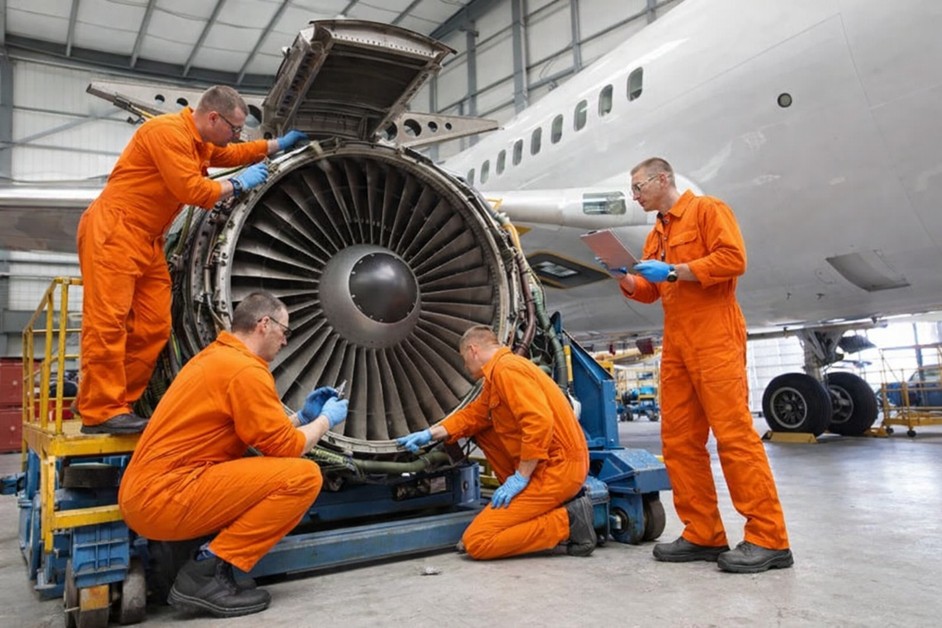
Maintenance includes scheduled inspections, servicing, adjustments, lubrication, component changes, and other tasks intended to keep aircraft operating correctly. Some work takes place between flights, while larger maintenance events may keep an aircraft in a hangar for days or weeks. Operators use approved maintenance programs and technical information to determine when specific tasks become due.
Repair focuses on correcting defects or damage, while overhaul involves more extensive restoration. An engine, landing gear assembly, or other component may be removed, disassembled, inspected, repaired, rebuilt, and tested before returning to service. These three activities provide the basic answer to what is mro in the aviation industry.
MRO Includes Several Types Of Aviation Maintenance
Aviation MRO covers different maintenance environments. Line maintenance supports aircraft during normal operations and may include troubleshooting, servicing, minor repairs, inspections, and component replacement. Technicians often perform this work at airports, where quick turnaround is important because the aircraft may be scheduled for another flight.
Base maintenance is more extensive and can involve deeper inspections, structural work, modifications, and larger work packages. Specialized shops may also focus on engines, avionics, wheels, brakes, landing gear, or other components. An MRO provider may therefore support an entire aircraft or concentrate on one highly specialized technical area.
MRO Organizations Support Airlines And Fleet Operators
Some airlines maintain large internal maintenance departments, while others outsource selected work to independent MRO providers. An operator might handle routine line maintenance itself but send engines, components, or heavy checks to specialist facilities. The right model depends on fleet size, aircraft type, internal skills, facilities, cost, and operational strategy.
An MRO organization can therefore provide much more than hands-on repair work. It may offer engineering support, maintenance planning, materials management, tooling, inspections, technical records, and quality functions. For operators asking what is mro, this wider network of services is often just as important as the physical maintenance performed on the aircraft.
Maintenance Planning Keeps MRO Work Organized
Aircraft maintenance requirements become due at different times based on flight hours, cycles, calendar limits, component life, or other criteria. Planning teams track these requirements and prepare work packages before the aircraft enters maintenance. They also coordinate technicians, hangar space, tools, documentation, and expected parts demand.
Good planning directly affects aircraft availability. If a required part has not arrived or a specialist technician is unavailable, a maintenance event can take longer than expected. From a management perspective, what is mro includes coordinating these resources so the required work can be completed safely while supporting the operating schedule.
Parts And Inventory Influence Turnaround Time
Technicians cannot finish maintenance without the correct parts and materials. MRO organizations may manage consumables, expendables, repairable components, serialized parts, and high-value rotables. Purchasing teams also need to consider supplier lead times, repair vendors, warranties, exchanges, and transportation between locations.
Inventory creates a difficult balance. Holding too much stock increases carrying costs, while carrying too little can delay an aircraft or component return to service. This supply-chain role is a major part of what is mro because maintenance performance often depends on whether the right part, documentation, and tooling are available when technicians need them.
Records And Compliance Are Essential To MRO
Maintenance work must be documented accurately. Technical records can include inspections, repairs, component replacements, modifications, life limits, and completed maintenance actions. Planners and technicians use this information to understand aircraft status and determine what work will be required in the future.
In the United States, FAA-certificated repair stations operate under 14 CFR Part 145 and within the ratings and limitations of their certificates. The FAA’s Part 145 information provides an important regulatory reference for repair-station activities. Compliance and documentation are therefore central to what is mro in a regulated aviation environment.
MRO Software Connects Maintenance Information
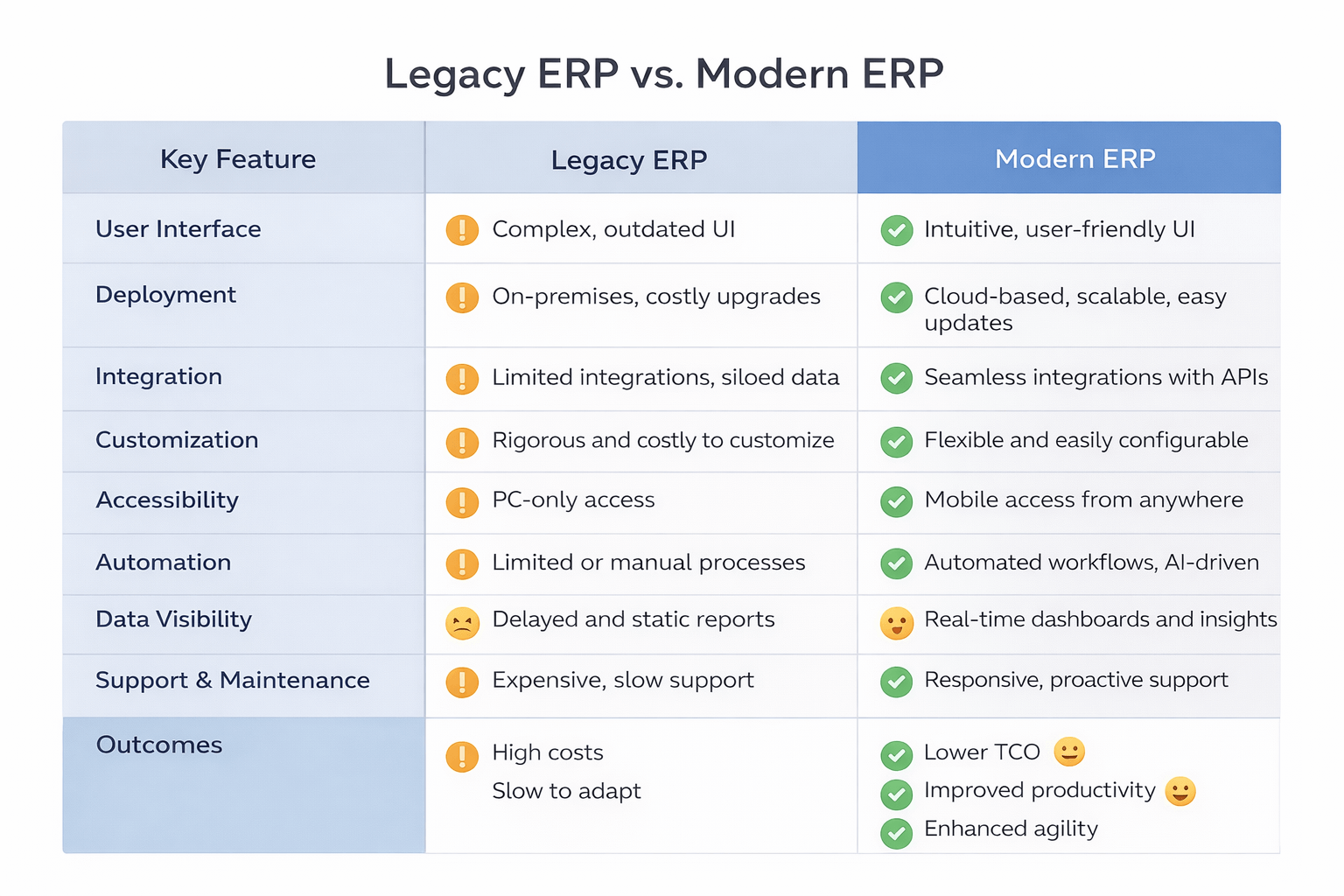
Modern maintenance organizations manage large amounts of information across work orders, aircraft status, labor, inventory, technical records, purchasing, quality, and customer requirements. Paper records and disconnected spreadsheets can make this information difficult to control as an organization grows. MRO software can bring these workflows into a more structured digital environment.
Different maintenance businesses also need different software capabilities. Aero Next Gen’s aircraft maintenance software framework for MROs explains how line, base, component, and engine MRO operations can require different systems and workflows. This technology layer has become an important part of what is mro for organizations trying to improve visibility and reduce fragmented processes.
Digital MRO Is Changing Maintenance Operations
Digital MRO uses tools such as cloud platforms, mobile applications, electronic technical records, integrations, analytics, and predictive maintenance. These technologies can help technicians access information at the point of work and give planners a clearer view of maintenance status, upcoming tasks, and potential resource constraints.
Technology does not replace skilled aviation professionals or approved maintenance procedures. It supports the people responsible for performing and managing the work. When considering what is mro today, digital capability is increasingly important because airlines and maintenance organizations need reliable information to coordinate complex operations across departments and locations.
MRO Performance Depends On Coordination
Technicians perform the physical maintenance, but several other teams affect the final result. Engineering may provide technical support, planning organizes work packages, purchasing sources parts, quality oversees processes, and operations manages aircraft schedules. A delay or information gap in one department can affect the entire maintenance event.
Successful MRO is not one department working alone. It is a connected process that combines people, technical expertise, parts, facilities, records, and systems so maintenance can move efficiently from planning through completion and return to service. Strong coordination also makes it easier for managers to identify bottlenecks before they increase turnaround time.

Conclusion
So, what is mro? In aviation, MRO means maintenance, repair, and overhaul. It includes inspections, repairs, major component work, planning, engineering, inventory, technical records, compliance, labor, and the systems that support these activities. Together, these functions help keep aircraft, engines, and components safe, serviceable, and available.
As aviation maintenance becomes more digital, what is mro also includes the technology used to connect maintenance information and improve operational visibility. Aero Next Gen helps aviation organizations understand MRO technologies, software, and service options so they can evaluate solutions against real operational requirements rather than treating maintenance technology as a generic IT purchase.