Aviation organizations depend on software for maintenance planning, fleet management, inventory, technical records, flight operations, compliance, finance, and many other daily activities. These platforms cannot remain unchanged forever. If you are asking what is software maintenance, it is the ongoing process of correcting, updating, adapting, and improving software after deployment so it continues to work reliably and securely.
For airlines, MROs, fleet operators, OEMs, and aviation distributors, software maintenance can directly affect operational continuity. An outdated integration may stop maintenance data from reaching another system. A security vulnerability may expose sensitive information. A poorly tested update can interrupt a critical workflow. Effective software maintenance helps aviation organizations keep their technology useful as operational requirements, security threats, regulations, and connected systems change.
Why Aviation Software Requires Ongoing Maintenance
Aviation software rarely operates in isolation. An MRO platform may exchange information with inventory, finance, technical records, customer portals, or aircraft data systems. Flight operations software may connect dispatch, crew, weather, and scheduling information. When one application changes, another system may also require an update. Regular maintenance helps these connections continue working as the wider technology environment evolves.
Aero Next Gen’s aviation software adoption analysis highlights the problems created by fragmented legacy systems and disconnected tools across airlines, MROs, OEMs, and parts organizations. Software maintenance cannot solve every integration challenge, but it can prevent existing systems from becoming harder to support as operations grow.
Corrective Maintenance Fixes Software Problems
Corrective maintenance addresses defects that appear after software enters normal use. An aviation team may discover that a work order does not close correctly, a report shows incorrect data, or an integration stops sending information. Developers investigate the cause and modify the software so the affected function works as intended.
The importance of the fix depends on the affected workflow. A minor display problem may create little operational impact. A defect that prevents technicians from accessing maintenance records or stops inventory data from updating can require immediate action. Aviation organizations should therefore prioritize software problems according to operational risk rather than simply fixing issues in the order users report them.
Adaptive Maintenance Keeps Aviation Systems Compatible
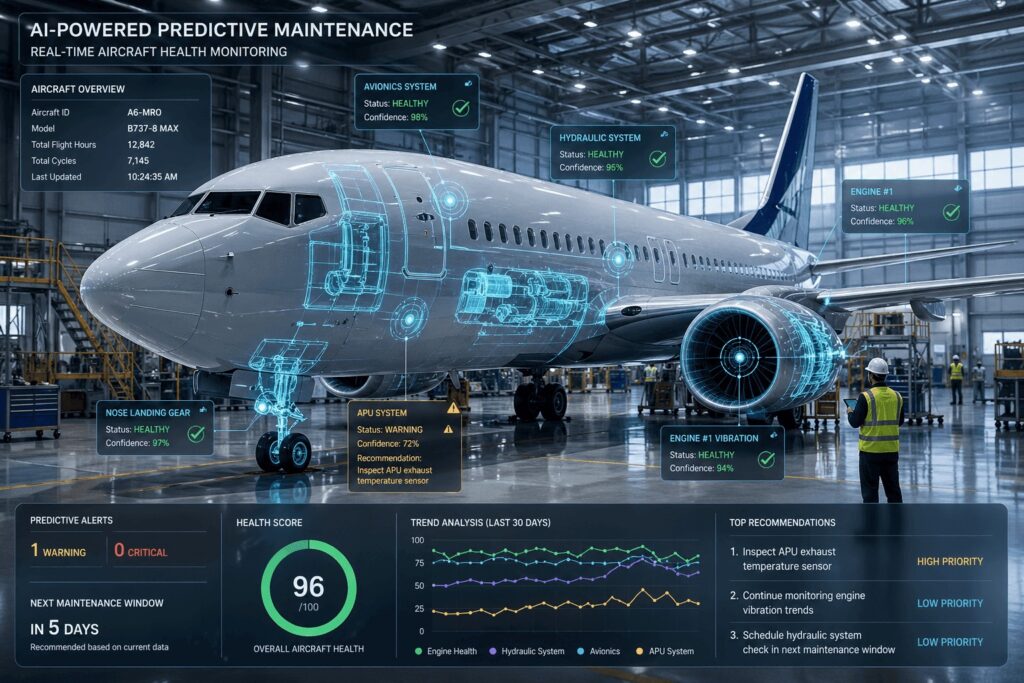
Understanding what is software maintenance also requires looking at changes outside the software itself. Adaptive maintenance modifies applications so they continue working when the surrounding environment changes. A new operating system, database version, API, security requirement, or connected platform may force developers to modify an aviation application even when the original software still works correctly.
Integration changes provide a common aviation example. An operator may connect an ERP with an MRO platform, warehouse system, electronic techlog, or customer portal. If one provider changes how its system exchanges data, the integration may need maintenance. Regular review helps organizations detect compatibility problems before they interrupt operational workflows.
Perfective Maintenance Improves Existing Workflows
Perfective maintenance focuses on making software more useful after deployment. Users may request faster workflows, better reports, simpler navigation, or improved automation. An MRO may want technicians to complete fewer steps when updating a task card. A fleet operator may need a clearer dashboard for aircraft availability or maintenance status.
These improvements can become valuable when employees repeat the same process hundreds of times. Small reductions in manual work can add up across maintenance shops, warehouses, or operations departments. However, organizations should connect each requested enhancement with a clear business problem. Adding features without a practical need can make aviation software more complicated instead of more efficient.
Preventive Maintenance Reduces Future Software Risk
Preventive software maintenance addresses weaknesses before they become major problems. Development teams may update old libraries, remove unsupported components, improve code quality, strengthen security, or simplify difficult parts of the application. The goal is to make future updates easier while reducing the chance of avoidable failures.
The National Institute of Standards and Technology guidance describes patching as preventive maintenance for technology. NIST notes that patches and updates can correct security or functionality problems and help prevent compromises, data breaches, and operational disruptions. This becomes especially important when aviation businesses depend on connected systems throughout daily operations.
Cybersecurity Is Part of Software Maintenance
Software vulnerabilities continue to appear after applications reach the market. Attackers also develop new methods for exploiting older weaknesses. Aviation companies therefore need processes for evaluating patches, security updates, dependencies, and unsupported software. Waiting until a cyber incident occurs can turn routine maintenance into a much larger operational problem.
Aero Next Gen’s aerospace and aviation cybersecurity analysis discusses how cloud ERP platforms, connected maintenance systems, digital supply chains, and fleet operations increase aviation’s dependence on secure technology. Software maintenance supports this environment by helping organizations keep important systems and components current.
Testing Updates Is Critical in Aviation Operations
Updating software can solve one problem while creating another. Aviation organizations should test important changes before deploying them across operational systems. Teams may need to check workflows, calculations, permissions, reports, integrations, and data transfers. The level of testing should reflect the importance of the affected software and the potential impact of failure.
Testing becomes especially important when several systems depend on each other. An update to an ERP may affect inventory data that an MRO platform uses. A change to authentication may affect mobile users on the maintenance floor. Organizations should understand these dependencies before major releases so they can identify problems before employees encounter them during live operations.
Legacy Systems Make Software Maintenance Harder
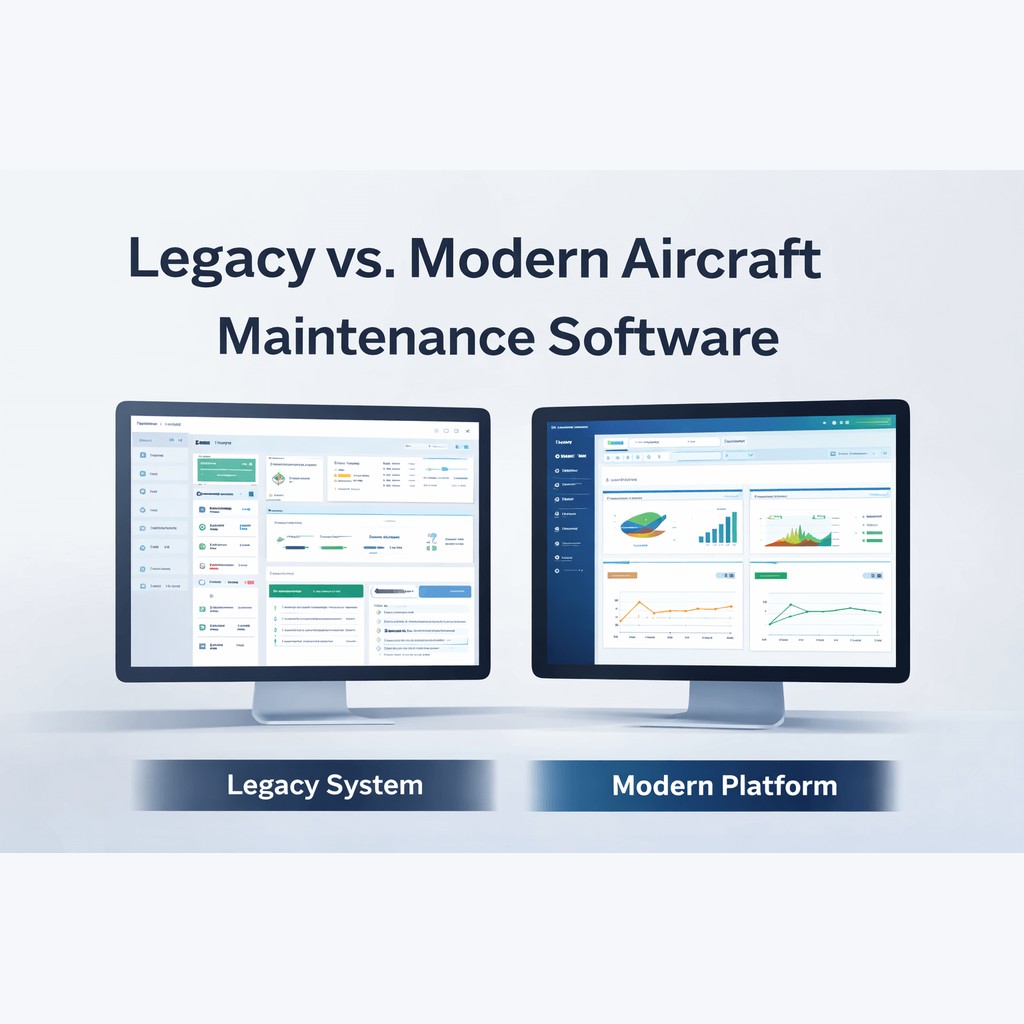
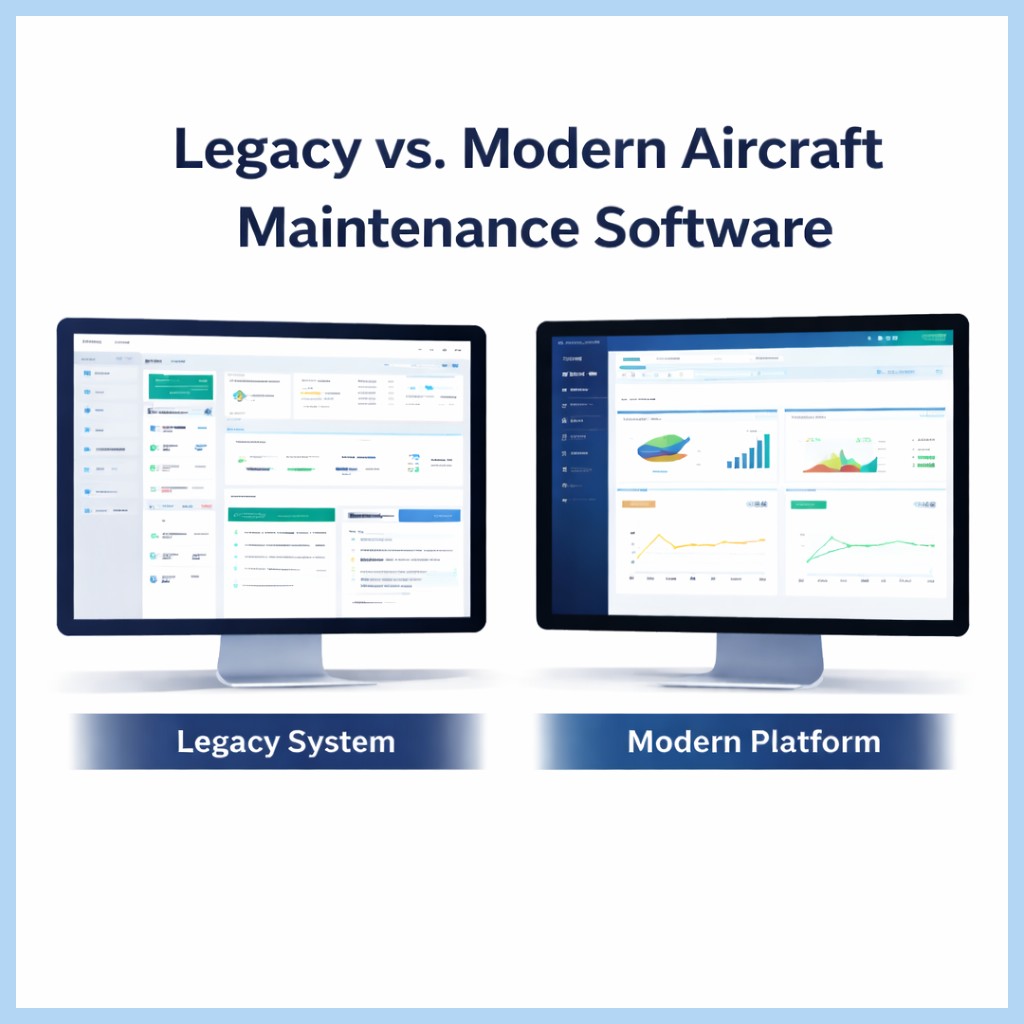
Older software can remain useful for years, but maintenance becomes difficult when vendors stop supporting the platform or the system depends on outdated technology. Heavy customization can create another challenge. An aviation company may modify an ERP so extensively that each vendor update requires additional development, testing, and integration work.
This issue helps answer what is software maintenance from a long-term aviation perspective. Maintenance is not only about keeping a system running today. Organizations also need to consider whether they can support it efficiently in the future. Aero Next Gen’s aviation and MRO technology ecosystem covers cloud ERP, cybersecurity, data management, custom software, integrations, and other technologies that companies may evaluate as legacy systems become harder to maintain.
Software Maintenance Protects Aviation Data Quality
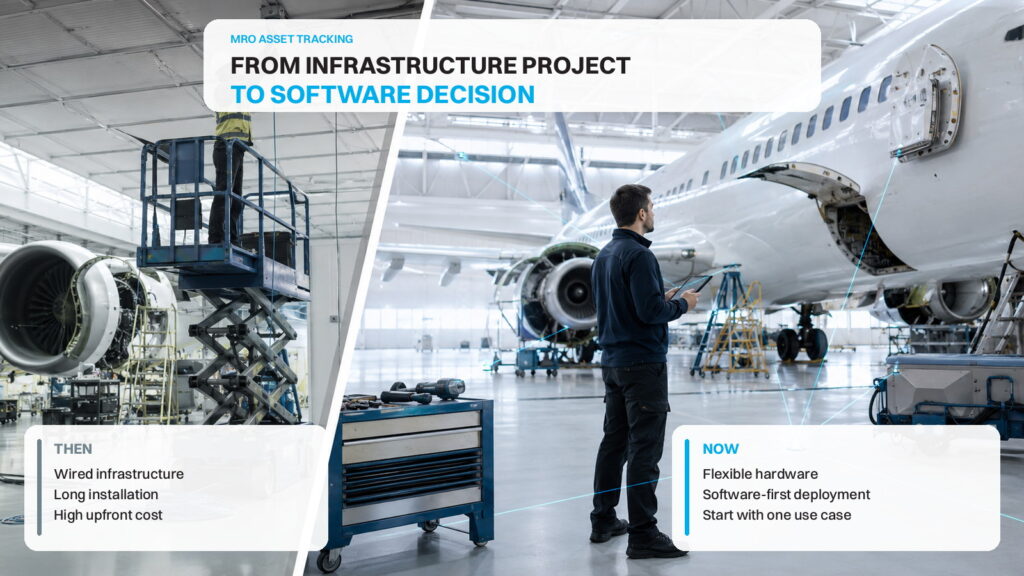
Aviation systems depend on accurate data. Maintenance records, part numbers, aircraft status, inventory quantities, supplier information, and financial records can move between several platforms. A software defect or failed integration can create duplicate, incomplete, or outdated information. Maintenance teams should therefore review data behavior as well as application performance.
Software changes also need careful data migration and validation. When organizations upgrade systems or replace older platforms, they should confirm that important records remain complete and accurate. Poor data can undermine even a modern application. Reliable software maintenance combines technical updates with controls that protect the information employees use to make operational decisions.
Software Maintenance Supports Digital Aviation Operations
When aviation teams ask what is software maintenance, they should view it as part of digital operations rather than a separate IT task. MRO, ERP, fleet, safety, and analytics platforms increasingly support work that employees once handled through paper or spreadsheets. When these systems become critical to the operation, their reliability becomes a business concern as well as a technical concern.
Aero Next Gen’s Aviation & MRO Technology Trends Report found that operators increasingly prioritize integration, analytics, automation, and cloud-based platforms. As aviation organizations connect more processes digitally, they also need stronger maintenance strategies for the software supporting those processes. Updates, testing, cybersecurity, and integration management become part of protecting operational continuity.
Planning Software Maintenance Before Buying a System
Organizations should consider maintenance before they select new software. They should ask how often the vendor releases updates, how long versions receive support, how integrations handle upgrades, and what happens when security problems appear. Companies should also understand who will test new releases and how much internal technical knowledge the system requires.
Total software cost should include these long-term requirements. A platform with a low initial price can become expensive when every update requires custom development or extensive downtime. Aviation companies should compare support models, upgrade paths, integration architecture, cybersecurity practices, and internal resource requirements alongside features and subscription costs.
Conclusion
What is software maintenance in an aviation environment? It is the ongoing work required to keep aviation software secure, compatible, reliable, and useful after implementation. It includes correcting defects, adapting integrations, improving workflows, applying security updates, testing changes, protecting data, and managing aging systems. Strong maintenance helps airlines, MROs, fleet operators, and other aviation businesses protect the technology that supports daily operations.
Aero Next Gen helps aviation organizations evaluate ERP, MRO, maintenance, cybersecurity, integration, analytics, and other technology solutions. Its aviation-specific, vendor-neutral ecosystem can help companies compare platforms according to their operational requirements. For organizations selecting new software, considering long-term maintenance from the beginning can help prevent today’s technology investment from becoming tomorrow’s legacy-system problem.