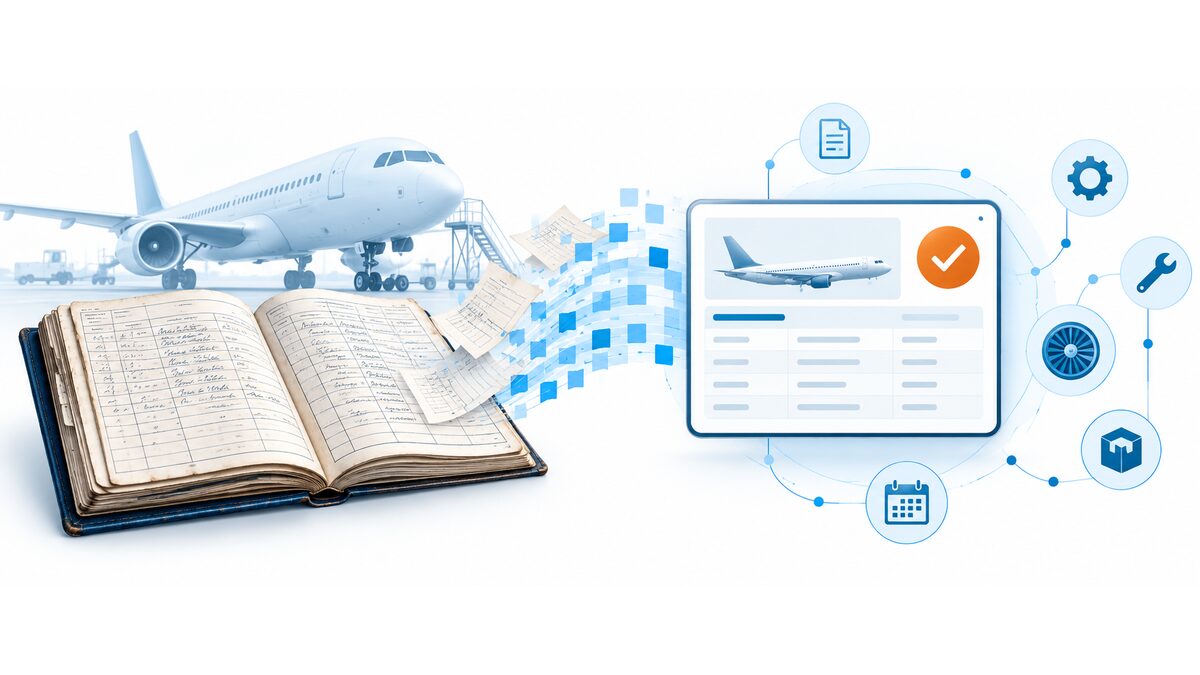
Fleet services bring together the activities needed to keep a group of aircraft or operational vehicles available, safe, efficient, and properly supported. If you are asking what is fleet services, the term generally refers to the maintenance, management, tracking, fueling, scheduling, compliance, and support functions used to operate a fleet. In aviation, those services can cover aircraft as well as ground vehicles and support equipment.
Understanding what is fleet services in aviation requires looking beyond a single task. An airline may need maintenance planning, aircraft tracking, fuel management, technical records, parts support, dispatch coordination, and fleet performance data. A business aviation operator may need fewer systems, but it still needs reliable processes that keep every asset ready for its assigned mission.
Fleet Services Cover The Full Asset Lifecycle
Fleet services can begin when an organization acquires an aircraft or vehicle and continue until that asset leaves the fleet. Teams may manage registration information, operating records, inspections, maintenance, usage, fuel, insurance, and replacement planning. Bringing these activities together helps managers understand the true condition and cost of each asset.
This lifecycle view is an important part of what is fleet services because fleet management does not stop after an aircraft enters service. Organizations need to monitor how assets age, how often they require maintenance, how much they cost to operate, and when replacement may become more economical than continued repair.
Maintenance Is A Core Fleet Service
Maintenance services keep aircraft and vehicles safe, serviceable, and available. In aviation, that work may include scheduled inspections, unscheduled repairs, component replacements, defect management, preventive maintenance, and technical record updates. Maintenance planners also coordinate labor, tooling, hangar space, and parts before planned work begins.
When aviation teams ask what is fleet services, maintenance is usually one of the largest parts of the answer. A fleet cannot support the operating schedule if too many assets are unavailable. Good maintenance coordination helps organizations complete required work while protecting aircraft availability and reducing avoidable downtime.
Tracking Improves Fleet Visibility
Fleet tracking gives managers visibility into where assets are, how they are being used, and whether they are available. Aircraft fleets may use operational data, flight tracking, and utilization information, while ground fleets can use GPS, telematics, RFID, or other tracking technologies. The specific tools depend on the asset and operating environment.
Tracking adds practical value to what is fleet services because managers need accurate information before they can allocate assets effectively. Location data can also support maintenance planning, turnaround coordination, and utilization analysis. Aero Next Gen’s aircraft maintenance tracking programs guide explains how maintenance tracking can connect aircraft status, component information, and planning data.
Fuel Management Controls A Major Operating Cost
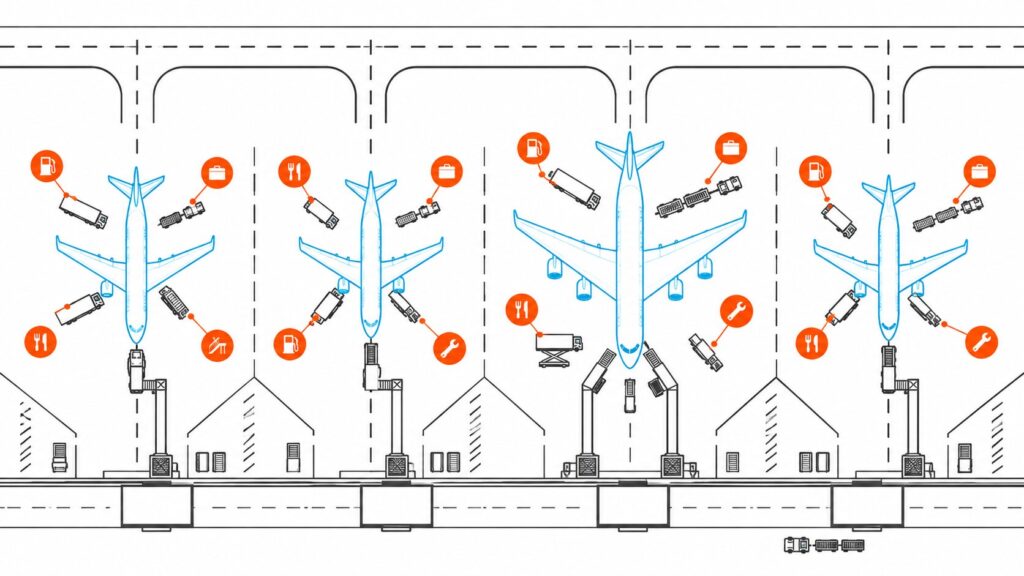
Fuel can represent a significant operating expense for aircraft and ground fleets. Fleet services may therefore include fuel purchasing, consumption monitoring, transaction records, efficiency analysis, and controls that help organizations identify unusual usage. Managers can compare fuel activity with routes, utilization, equipment condition, or operating patterns.
This cost-control role shows why fleet support matters from a financial perspective. Fleet teams are not only responsible for keeping assets moving. They also need to understand what those assets cost to operate. Fuel information becomes more useful when it can be analyzed alongside maintenance, utilization, and availability data.
Scheduling Keeps Assets Available
Fleet scheduling determines which aircraft or vehicles are assigned to specific missions, routes, or departments. Schedulers must consider asset availability, maintenance requirements, operating limitations, crew needs, and expected demand. A schedule that ignores upcoming maintenance can create conflicts later.
For that reason, what is fleet services also includes coordination between operations and maintenance. An aircraft may be technically available today but due for maintenance after a limited number of flight hours. Sharing that information early allows teams to assign assets more intelligently and reduce last-minute changes.
Compliance And Records Support Fleet Control
Aviation fleets operate under strict technical and operational requirements. Organizations need reliable records for maintenance, inspections, component histories, defects, and other regulated activities. Fleet services often include processes that keep those records accurate, accessible, and connected with the current status of each aircraft.
Compliance is another reason what is fleet services involves more than simple logistics. The FAA Flight Program Operations provides a useful example of fleet activities that combine aircraft operations, maintenance, training, and safety. Aviation operators need similarly coordinated processes that match their own regulatory and operational responsibilities.
Cost Management Supports Better Fleet Decisions
Fleet managers need to understand both direct and indirect costs. Direct expenses may include maintenance, fuel, parts, labor, and leasing. Indirect costs can include downtime, administrative work, unavailable equipment, or inefficient asset allocation. Looking at these expenses together provides a better picture of fleet performance.
Cost analysis strengthens fleet management because it helps organizations decide where improvements are needed. A frequently grounded aircraft may generate high maintenance expenses and disrupt schedules. Another asset may remain reliable but underused. Comparing cost, utilization, and availability can support stronger replacement and investment decisions.
Technology Connects Fleet Information
Fleet operations can generate information across maintenance systems, ERP platforms, tracking tools, fuel records, dispatch applications, and spreadsheets. When these systems remain disconnected, teams may spend too much time reconciling records or working with outdated information. Integrated platforms can reduce that fragmentation.
Technology therefore plays a growing role in what is fleet services. The right systems can give managers a common view of maintenance status, utilization, costs, asset location, and operational requirements. However, software should support defined workflows rather than add unnecessary complexity. Organizations need to understand their processes before selecting new tools.
Performance Measurement Improves Fleet Operations
Fleet services should produce measurable results. Organizations can track aircraft availability, utilization, maintenance downtime, fuel consumption, repeat defects, dispatch reliability, and operating cost. The most useful measures depend on the fleet and the organization’s mission, but consistent reporting helps managers identify trends.
This performance view is central to what is fleet services because individual events do not always reveal the larger problem. One maintenance delay may be unavoidable, while repeated delays may indicate a planning, supply chain, or reliability issue. Trends give managers a stronger basis for changing processes and allocating resources.
Fleet Services Require Coordination Across Departments
Maintenance, operations, finance, purchasing, safety, and management all influence fleet performance. Each department may have different priorities, but they depend on shared information. Maintenance needs future operating schedules, operations needs aircraft availability, and finance needs accurate cost information.
The broader answer to what is fleet services is therefore coordination. Effective fleet support connects people, processes, and data so decisions in one department do not create unnecessary problems elsewhere. Clear responsibilities and consistent information help the entire organization work from the same operational picture.

Conclusion
So, what is fleet services? It is the combination of maintenance, tracking, scheduling, fueling, records, compliance, cost control, and operational support used to manage a fleet throughout its working life. In aviation, these services help airlines, operators, MROs, and other organizations keep aircraft and support assets available for safe and efficient use.
As aviation becomes more connected, what is fleet services increasingly includes digital platforms that bring maintenance, operations, tracking, and business information together. Aero Next Gen helps aviation organizations evaluate software and service providers for fleet management, MRO, ERP, tracking, analytics, and other operational needs.