
Modern aircraft depend on electronic systems for communication, navigation, flight monitoring, weather awareness, surveillance, and aircraft control. If you are asking what is avionics, the term combines “aviation” and “electronics” and refers to the electronic systems installed in aircraft or used to support aircraft operations. These systems help pilots understand aircraft condition, determine position, communicate, and manage increasingly complex flights.
Understanding what is avionics also means recognizing how important electronics have become to modern aviation. Older aircraft relied heavily on mechanical and analog instruments, while newer aircraft can combine digital displays, satellite navigation, flight management computers, automated controls, and advanced communication systems. Avionics now supports everything from basic flight instruments to highly integrated airline cockpits.

Avionics Covers Aircraft Electronic Systems
Avionics is a broad category rather than one individual device. It can include communication radios, navigation equipment, flight displays, weather radar, transponders, autopilots, flight management systems, surveillance equipment, and engine monitoring systems. The exact equipment depends on the aircraft type, age, mission, and operating requirements.
This broad range is important when explaining what is avionics because aircraft electronics often work together. A navigation system may provide information to a flight management system, which can then interact with cockpit displays and an autopilot. Modern avionics increasingly depends on connected systems exchanging accurate information rather than separate instruments working independently.
Navigation Systems Help Aircraft Determine Position
Navigation is one of the most important avionics functions. Aircraft can use GPS, radio navigation aids, inertial navigation systems, and other technologies to determine position and follow planned routes. Navigation information can appear directly on cockpit displays or feed into other systems that assist pilots with flight planning and guidance.
When considering what is avionics, navigation technology demonstrates how electronics support both accuracy and workload management. Modern systems can calculate routes, display waypoints, provide course guidance, and help crews understand their position relative to airports and airspace. Pilots still need to monitor this information and confirm that the aircraft is following the intended route.
Communication Systems Connect Aircraft And Ground Teams
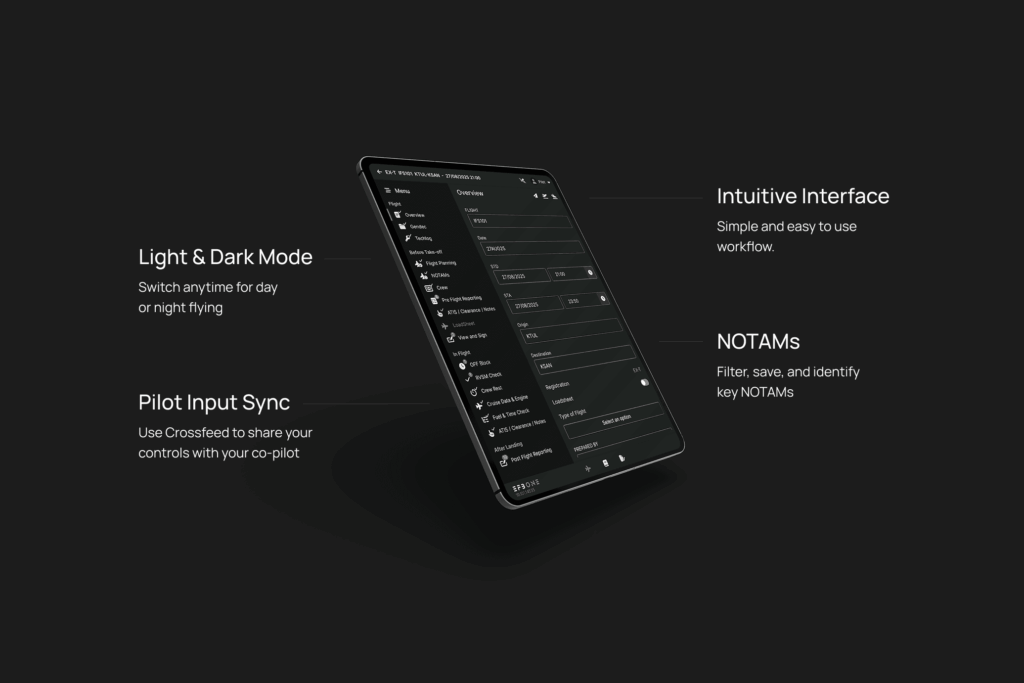
Aircraft crews need reliable communication with air traffic controllers, airline operations, and other aviation personnel. Avionics communication equipment can include VHF radios, HF radios, satellite communications, data links, and other systems. The equipment available varies according to aircraft type and where it operates.
Communication provides another practical answer to what is avionics because aviation depends on information moving between aircraft and ground organizations. Modern data-link systems can supplement traditional voice communication by transmitting certain operational messages electronically. These technologies can reduce radio congestion while giving pilots and operations teams another method for exchanging information.
Flight Displays Present Critical Information
Aircraft cockpits contain instruments and displays that show pilots information about altitude, airspeed, attitude, heading, navigation, engine performance, and aircraft systems. Traditional cockpits used many individual analog gauges, while modern glass cockpits can combine large amounts of information on electronic displays.
The development of electronic flight displays has changed what is avionics in modern aircraft. Instead of scanning numerous separate instruments, pilots can access integrated information through primary flight displays and multifunction displays. This can improve information presentation, although pilots still need training to understand display modes, automation states, and system limitations.
Flight Management Systems Support Complex Operations
A flight management system, commonly called an FMS, brings several navigation and aircraft-performance functions together. Pilots can enter route information, performance data, and other flight details. The system can then help calculate navigation guidance and support efficient management of the planned flight.
Flight management systems show why what is avionics has become closely connected with software. Modern avionics hardware depends heavily on software, databases, sensors, and digital interfaces. Aero Next Gen’s flight operations technology resources cover the wider digital environment that supports flight planning, operations, and aircraft movement outside the cockpit.
Autopilot And Automation Reduce Pilot Workload
Autopilot systems can control selected aircraft functions according to pilot commands and information from other avionics. Depending on the aircraft, automation may control heading, altitude, speed, navigation tracking, or parts of an approach. Advanced systems can reduce repetitive workload during long or demanding phases of flight.
However, what is avionics should not be confused with complete aircraft autonomy. Pilots remain responsible for monitoring aircraft performance and understanding what automated systems are doing. Effective use of automation requires strong system knowledge because incorrect settings, unexpected modes, or misunderstood information can create additional workload instead of reducing it.
Surveillance Systems Improve Traffic Awareness
Avionics also supports aircraft surveillance and traffic awareness. Transponders provide aircraft information to air traffic systems, while technologies such as ADS-B can broadcast position, altitude, velocity, and other information. Some cockpit systems can also display nearby traffic to help pilots maintain awareness of the surrounding environment.
Surveillance is another important part of what is avionics because safe airspace management depends on accurate aircraft information. These systems support both pilots and air traffic organizations. As airspace becomes busier, reliable surveillance and communication technology helps controllers manage traffic while giving crews better awareness of other aircraft.
Weather Avionics Helps Crews Identify Hazards
Weather can change flight conditions quickly, so aircraft may carry avionics designed to help crews identify hazards. Weather radar can detect precipitation and help pilots assess storm activity. Other systems may provide information about lightning, turbulence, winds, or weather conditions along the planned route.
Understanding what is avionics therefore includes systems that support operational decision-making. Weather equipment does not remove the need for forecasts, pilot judgment, or dispatch information. Instead, it provides another source of information that crews can combine with external weather services and operational guidance when evaluating changing flight conditions.

Avionics Maintenance Requires Specialized Skills
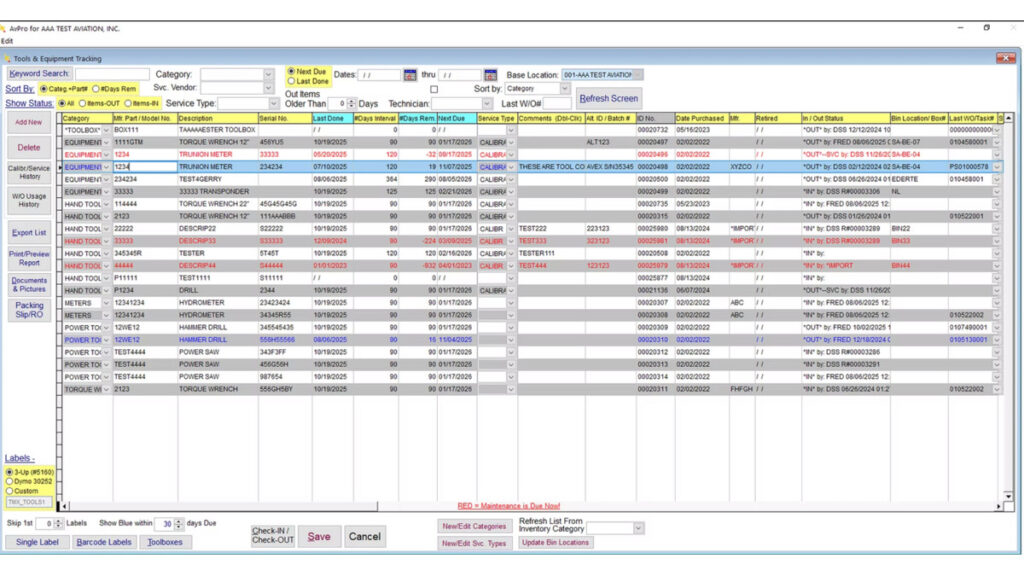
Avionics systems need inspection, troubleshooting, testing, repair, software updates, and configuration management. Technicians may work with wiring, antennas, sensors, displays, computers, communication equipment, and digital data networks. A fault in one system can sometimes affect several connected functions, making accurate diagnosis important.
Maintenance is a major part of what is avionics for MRO organizations. The FAA maintains a dedicated Avionics Section within its Aircraft Maintenance Division that develops guidance and policy related to avionics system maintenance. The FAA Aircraft Maintenance Division also supports areas such as ADS-B airworthiness and avionics-related standards.
Avionics Continues To Become More Integrated
Older aircraft often contained separate systems with limited communication between them. Modern aircraft increasingly use digital networks that allow navigation, flight controls, displays, maintenance systems, and other equipment to exchange information. This integration can reduce duplication and provide crews with a more complete operational picture.
The trend toward integration continues to expand what is avionics. Modern systems increasingly combine hardware, embedded software, databases, connectivity, and data processing. This also makes cybersecurity, software configuration, data integrity, and system compatibility more important when aircraft equipment is upgraded or maintained.
Avionics Plays A Major Role In Modern Aviation
Avionics affects pilots, maintenance technicians, engineers, operators, and air traffic systems. Reliable electronics support navigation, communication, aircraft control, monitoring, surveillance, and operational awareness. Even relatively simple aircraft now use electronic systems that would have been considered highly advanced only a few decades ago.
For anyone researching what is avionics, the key point is that these systems connect aircraft electronics with the wider aviation operation. Avionics continues to evolve as aircraft become more connected and software-driven. Better displays, communication, navigation, data processing, and automation will continue shaping how aircraft are operated and maintained.

Conclusion
So, what is avionics? It is the field of aviation electronics and the collection of electronic systems used for communication, navigation, displays, surveillance, flight management, automation, weather awareness, monitoring, and other aircraft functions. These systems help crews operate aircraft safely while providing information needed throughout different phases of flight.
As aircraft become more digitally connected, what is avionics increasingly involves software, data, system integration, and maintenance as well as traditional electronics. Aero Next Gen covers aviation technologies and service providers across flight operations, maintenance, analytics, digital systems, and other areas that support modern aircraft and aviation organizations.