
Managing maintenance across several aircraft is more complex than maintaining one asset at a time. Airlines, charter operators, corporate flight departments, and other fleet operators need to coordinate inspections, repairs, component limits, parts, technicians, records, and aircraft schedules across the entire fleet. If you are asking what is fleet maintenance management, it is the organized process of planning, tracking, controlling, and improving maintenance activities across a group of aircraft or operational assets.
Understanding what is fleet maintenance management also means looking at the relationship between maintenance and aircraft availability. Every aircraft has different flight hours, cycles, defects, and upcoming requirements. Maintenance managers need a fleet-wide view so they can complete required work without removing too many aircraft from service at the same time.

Fleet Maintenance Management Coordinates The Whole Fleet
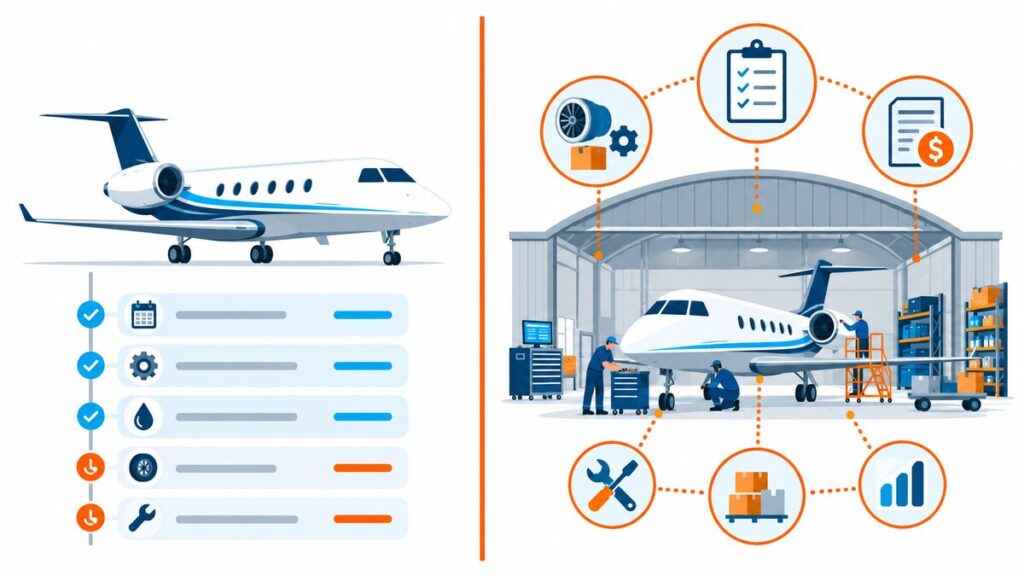
Aircraft maintenance focuses on the technical condition of individual aircraft. Fleet maintenance management adds another layer by coordinating maintenance requirements across multiple assets. Managers need to know which aircraft are available, which are approaching scheduled work, which have open defects, and which may need additional resources.
This coordination is central to what is fleet maintenance management because decisions about one aircraft can affect the rest of the operation. If an aircraft becomes unavailable unexpectedly, another aircraft may need to cover its planned flights. Maintenance teams therefore need to work closely with operations, scheduling, materials, and other departments.
Maintenance Planning Helps Protect Aircraft Availability
Maintenance planning allows teams to prepare for inspections and other scheduled work before an aircraft enters the hangar. Planners monitor flight hours, cycles, calendar limits, component requirements, and maintenance forecasts. They can then arrange technicians, parts, tooling, facilities, and documentation before the work begins.
Planning provides an important answer to what is fleet maintenance management because fleet operators must balance maintenance requirements with operational demand. Scheduling several major maintenance events during the same period can reduce fleet capacity. Staggering work can help maintain enough aircraft availability while still completing required maintenance on time.
Scheduled And Unscheduled Maintenance Need Different Responses
Scheduled maintenance includes work that operators can anticipate, such as inspections, component changes, and recurring maintenance tasks. Advance notice gives planners time to prepare resources and coordinate the maintenance event with the operating schedule. Good planning can reduce unnecessary delays once the aircraft arrives for maintenance.
Unscheduled maintenance is less predictable. Aircraft may develop defects between inspections or crews may report technical problems during operations. This is where what is fleet maintenance management becomes especially important. Managers need enough flexibility to respond to unexpected work without losing visibility into the maintenance already planned across the rest of the fleet.
Parts And Inventory Affect Maintenance Performance
Aircraft can remain grounded even when technicians understand the problem if the required part is unavailable. Maintenance management therefore depends heavily on inventory, purchasing, supplier lead times, repair vendors, logistics, and component availability. Fleet managers need visibility into upcoming demand as well as current stock.
Parts planning is another major part of what is fleet maintenance management. Holding too many expensive components increases inventory costs, while carrying too little stock can increase aircraft downtime. Maintenance forecasts can help materials teams prepare for likely demand and reduce the risk that routine work is delayed by missing parts.
Maintenance Records Support Better Fleet Decisions
Reliable records show what maintenance has been completed and what work will be required in the future. Aircraft records may include inspections, repairs, component replacements, life-limited parts, modifications, and recurring requirements. Managers depend on this information when determining whether an aircraft is ready for operation.
The FAA’s Air Carrier Maintenance Programs guidance describes maintenance programs as including systems for required maintenance records and continuing oversight. This regulatory context matters when explaining what is fleet maintenance management because accurate records support both maintenance planning and continued operational control.
Maintenance Costs Need Fleet-Level Visibility
Maintenance costs can include labor, replacement parts, inspections, component repairs, overhaul work, tooling, facilities, and aircraft downtime. Looking at individual invoices does not always show whether an aircraft is becoming more expensive to operate over time. Managers need a broader view of cost trends across the fleet.
Cost visibility adds another dimension to what is fleet maintenance management. An older aircraft may remain technically serviceable but require frequent repairs and longer maintenance visits. Comparing maintenance cost, reliability, downtime, and utilization can help operators decide whether continued investment, modification, or eventual replacement makes better financial sense.
Performance Metrics Reveal Maintenance Problems
Managers need measurable information to determine whether maintenance processes are supporting the operation effectively. Common measures can include aircraft availability, maintenance delays, turnaround time, repeat defects, unscheduled removals, labor utilization, and maintenance cost. Trends are often more useful than individual events.
Performance measurement helps explain what is fleet maintenance management as a continuous improvement process. One delay may result from an unusual event, but repeated delays can point to a planning, inventory, reliability, or workflow problem. Tracking consistent measures gives managers evidence they can use to improve maintenance processes.
Software Can Centralize Fleet Maintenance Information
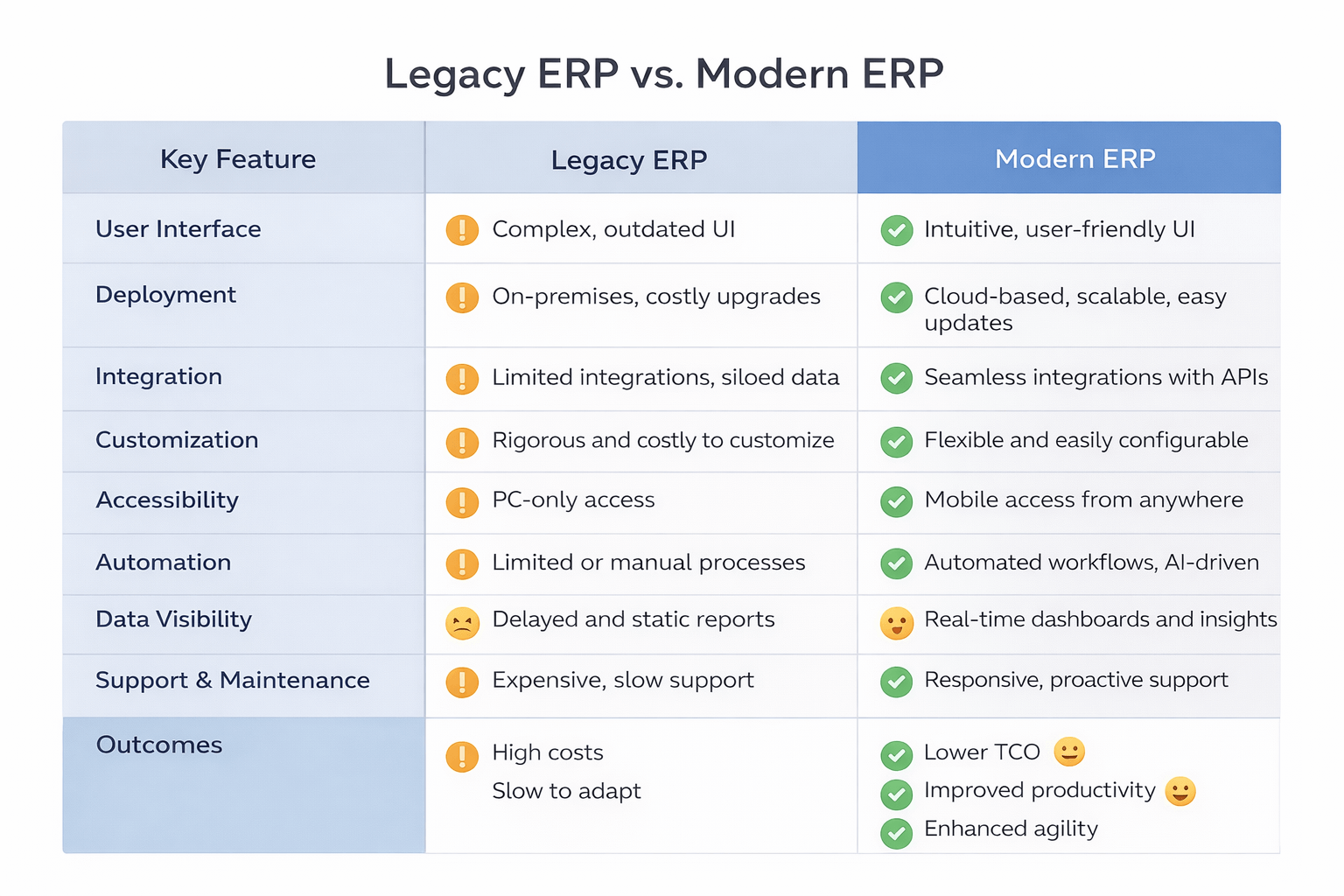
Fleet complexity can make spreadsheets, paper records, and disconnected applications difficult to manage. Teams may need to track maintenance status, work orders, parts, labor, aircraft utilization, component history, and upcoming requirements across several systems. This fragmentation can make it harder to see the current condition of the fleet.
Software therefore plays an increasing role in what is fleet maintenance management. Organizations replacing spreadsheets or evaluating a new maintenance, M&E, or ERP platform can take the free ERP Finder quiz to identify aviation-focused providers that better match their operation. The goal should be to select software around actual maintenance workflows rather than choosing a system only because it has the longest feature list.

The Right System Depends On The Operation
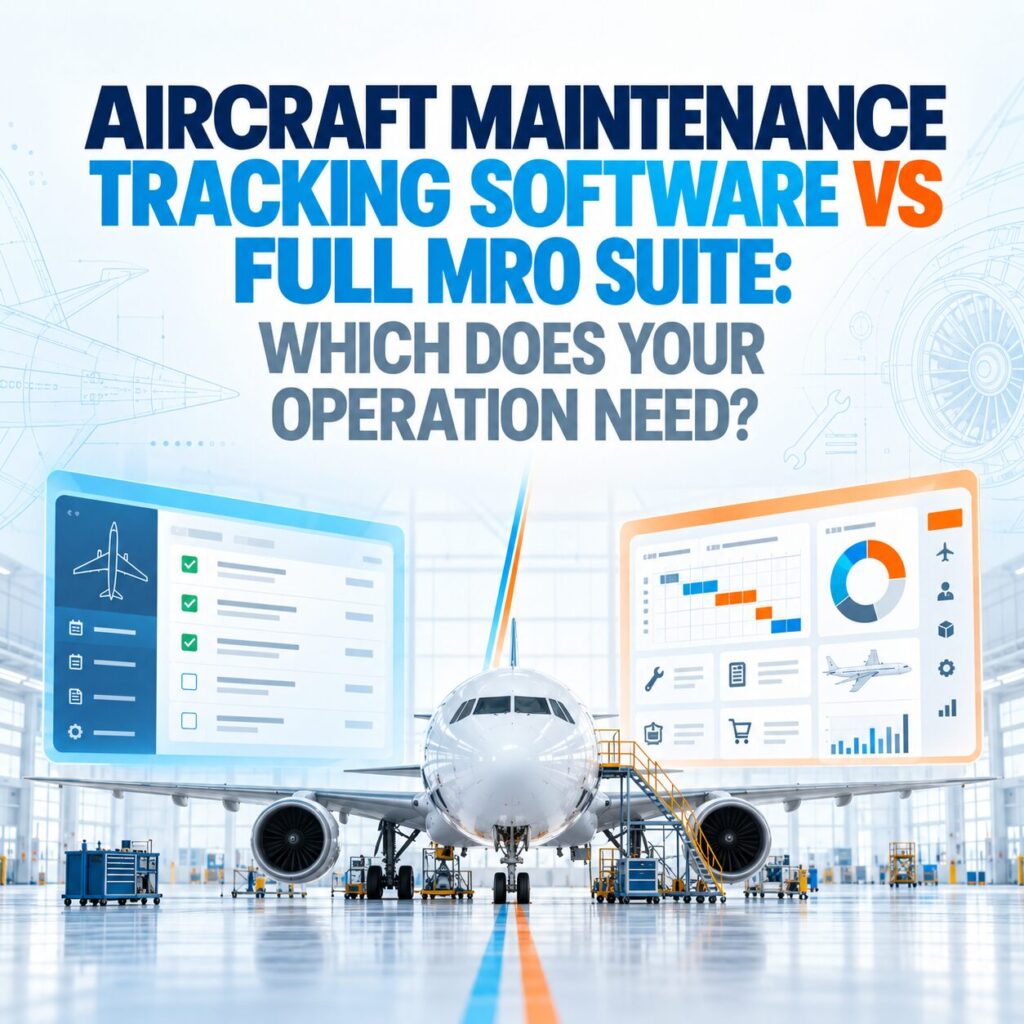
A small flight department does not necessarily need the same system as a large airline or MRO. Some organizations mainly need aircraft maintenance tracking, while others require work orders, inventory, purchasing, labor, finance, customer management, and broader ERP capabilities. Fleet size alone does not determine the right platform.
This distinction matters when evaluating what is fleet maintenance management technology. Companies should first map their maintenance processes, data requirements, integrations, reporting needs, and operational problems. A system should remove unnecessary manual work and improve visibility without introducing modules and complexity the organization will never use.
Fleet Maintenance Management Requires Department Coordination
Maintenance does not operate independently from the rest of an aviation business. Operations teams need aircraft availability information, materials teams need maintenance forecasts, finance needs cost data, and management needs reliable performance reporting. Problems arise when each department works from different records or receives updates too late.
This coordination is another important part of what is fleet maintenance management. A strong process connects people, maintenance requirements, resources, and operational information. When teams work from the same picture, they can prepare earlier, respond to disruptions faster, and make better decisions about aircraft availability and maintenance priorities.
Conclusion
So, what is fleet maintenance management? It is the coordinated process of planning, tracking, controlling, and improving maintenance across an entire fleet. It includes scheduled maintenance, unscheduled repairs, parts management, records, cost control, performance measurement, software, and coordination between maintenance and operations.
As aviation operations become more connected, what is fleet maintenance management increasingly depends on reliable data and systems that give teams a fleet-wide view. Aero Next Gen helps aviation organizations evaluate maintenance, M&E, ERP, tracking, analytics, and other technology options based on the requirements of their actual operations.