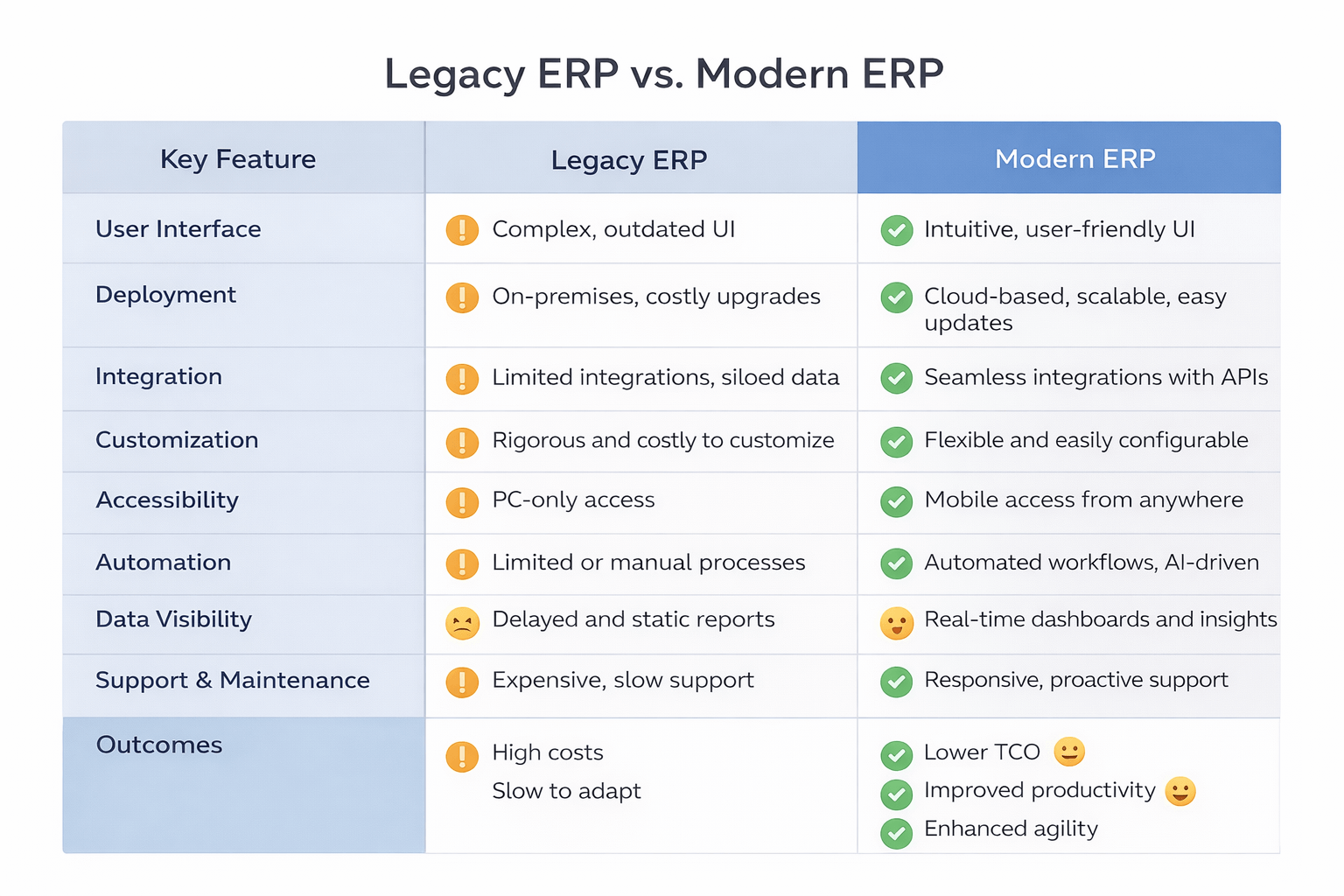

Aircraft need scheduled inspections, repairs, component work, and major restoration throughout their operating lives. If you are asking what does mro stand for, MRO means maintenance, repair, and overhaul. These three activities form a major part of the aviation maintenance industry and help keep aircraft, engines, and components safe, serviceable, and available for operation.
Understanding what does mro stand for also requires understanding how the three terms differ. Maintenance focuses on keeping equipment operating correctly, repair addresses faults or damage, and overhaul involves more extensive restoration. Airlines, fleet operators, and aviation maintenance organizations combine these activities with planning, engineering, parts, records, and quality processes.

M Stands For Maintenance
The first letter in MRO represents maintenance. Aviation maintenance includes scheduled inspections, servicing, lubrication, adjustments, component changes, and other tasks designed to keep aircraft operating correctly. Maintenance requirements may depend on flight hours, cycles, calendar intervals, aircraft condition, or an approved maintenance program.
This first element provides an important part of the answer to what does mro stand for. Maintenance is largely preventive and planned, although technicians may also respond to findings discovered during inspections. Strong maintenance programs help operators identify developing problems before they create larger technical or operational disruptions.
R Stands For Repair
The second letter represents repair. Repairs become necessary when an aircraft, engine, system, or component develops a defect or suffers damage. Technicians first identify the problem and then use approved technical information to determine the correct repair or replacement action.
When explaining what does mro stand for, repair differs from routine maintenance because it usually addresses a specific fault. A damaged structural area may require repair, while a failed component may need replacement or specialist work. The complexity can range from a relatively simple correction to extensive technical work involving engineering support.
O Stands For Overhaul
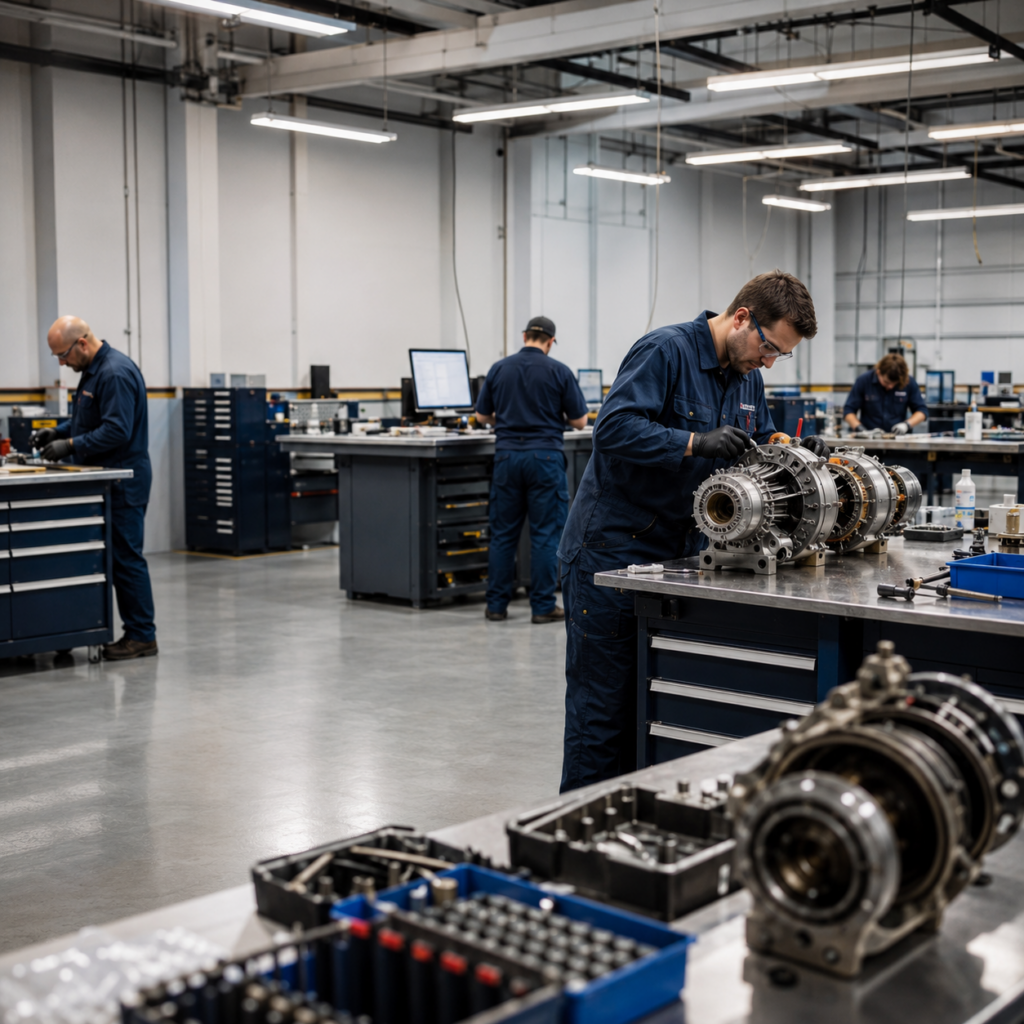
The final letter in MRO represents overhaul. Overhaul usually involves more extensive work than routine maintenance or a typical repair. An engine, landing gear assembly, or other major component may be removed, disassembled, cleaned, inspected, repaired where necessary, rebuilt, and tested before returning to service.
Overhaul is therefore central to what does mro stand for in aviation. These events can require specialist technicians, dedicated facilities, tooling, test equipment, engineering support, and replacement parts. They also require careful planning because long turnaround times can affect aircraft availability and fleet schedules.

Maintenance, Repair, And Overhaul Work Together
Although the three terms have different meanings, they are closely connected. Routine maintenance may uncover a defect that requires repair. A detailed inspection may reveal that a component needs removal and overhaul. Information collected during repairs can also influence future maintenance planning.
This relationship is why what does mro stand for should not be treated as three completely separate activities. Aviation organizations need processes that connect inspections, defects, repairs, component histories, parts, and planning. The complete MRO environment allows maintenance teams to manage an aircraft throughout its operational life.
MRO Work Can Happen In Different Facilities
Not all aviation maintenance takes place in the same environment. Line maintenance usually supports aircraft close to normal flight operations. Technicians may perform inspections, servicing, troubleshooting, and smaller repairs at an airport so the aircraft can return to service quickly.
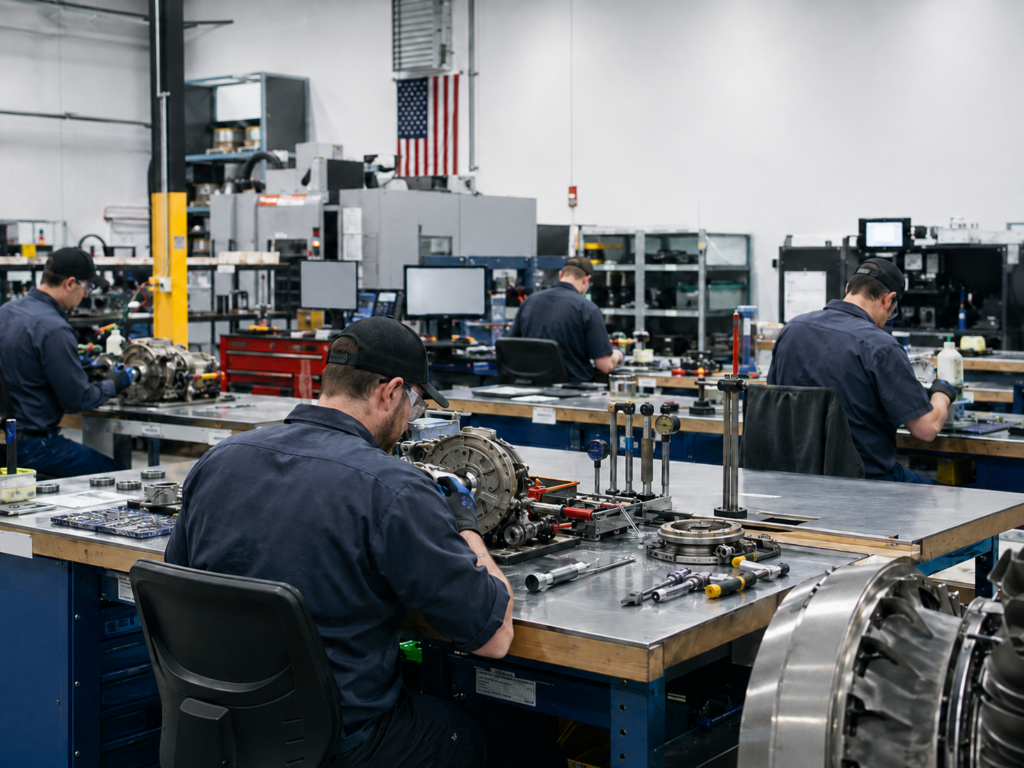
Heavy maintenance and specialist overhaul work usually require more extensive facilities. Dedicated shops may focus on engines, avionics, landing gear, wheels, brakes, or other components. Aero Next Gen’s guide to what an MRO is in aviation provides additional context on the organizations and facilities that perform these different types of maintenance work.
MRO Requires More Than Technicians
Skilled technicians are essential, but aviation MRO also depends on planners, engineers, materials teams, quality personnel, records specialists, and managers. Each group supports part of the maintenance process. A maintenance event can slow down even when technicians are ready if parts, tooling, documentation, or engineering support are unavailable.
This broader operational structure adds another dimension to what does mro stand for. MRO may literally mean maintenance, repair, and overhaul, but successful execution requires coordination across several departments. Maintenance performance often depends as much on information and planning as it does on the physical work performed on the aircraft.
Parts And Inventory Support MRO Operations
Maintenance organizations need access to the correct parts, materials, and components. Some items are inexpensive consumables, while others are high-value repairable components. Purchasing and inventory teams must consider supplier lead times, stock levels, repair vendors, warranties, and transportation between facilities.
Parts availability directly affects aircraft downtime. A technician may identify a problem quickly but still be unable to complete the job if the required component is unavailable. This supply-chain dependency helps explain what does mro stand for from an operational perspective because effective MRO connects technical maintenance with materials management.
MRO Operates Within Regulatory Requirements
Aviation maintenance takes place within a regulated environment. Maintenance organizations must follow applicable requirements, approved procedures, technical data, and recordkeeping standards. In the United States, certificated repair stations operate under 14 CFR Part 145 and perform work within the scope of their approved ratings.
The FAA’s repair station information provides guidance and resources for Part 145 repair stations. Regulatory oversight is important when explaining what does mro stand for because aviation maintenance is not simply commercial repair work. Organizations must demonstrate that their processes, personnel, records, and approved capabilities meet applicable aviation requirements.
Digital Systems Support Modern MRO
Modern MRO organizations manage large amounts of information. Teams track aircraft status, maintenance tasks, defects, components, labor, inventory, technical records, purchasing, and customer requirements. Trying to manage these activities through disconnected spreadsheets or paper records can become difficult as an operation grows.
Digital MRO platforms can centralize this information and help departments work from the same operational picture. When considering what does mro stand for today, technology has become an important supporting layer. Maintenance, repair, and overhaul remain physical aviation activities, but software increasingly helps organizations plan, document, coordinate, and analyze that work.
MRO Helps Protect Aircraft Availability
Aircraft availability matters because an aircraft that remains in maintenance cannot perform its planned mission. Airlines and operators therefore need to schedule inspections and major work carefully. They also need enough technicians, parts, tooling, and facility capacity to complete maintenance without unnecessary delays.
This operational impact provides another useful answer to what does mro stand for. MRO is not only about meeting maintenance requirements. Effective MRO management also aims to return aircraft and components to service efficiently while maintaining technical standards. Strong planning helps organizations balance maintenance needs with fleet availability.
Conclusion
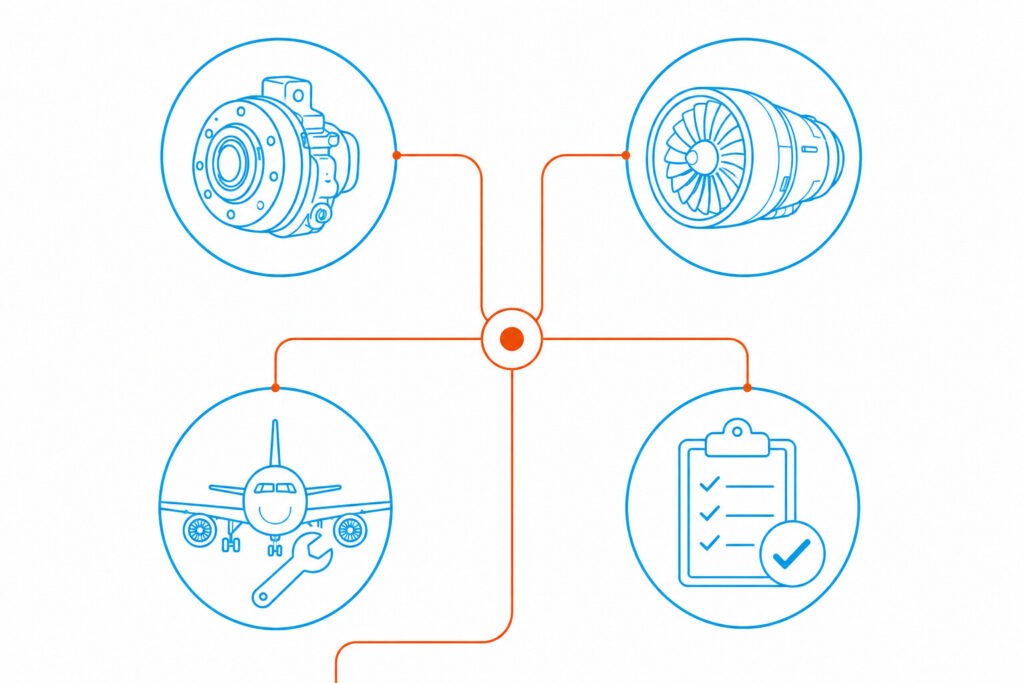
So, what does mro stand for? MRO stands for maintenance, repair, and overhaul. Maintenance helps keep aircraft operating correctly, repair addresses defects or damage, and overhaul restores major equipment through more extensive inspection and rebuilding. Together, these activities support aircraft safety, reliability, airworthiness, and availability.
As aviation maintenance becomes more connected, understanding what does mro stand for also means recognizing the planning, records, inventory, people, and technology behind the physical work. Aero Next Gen helps aviation organizations understand MRO technologies and service options across maintenance, software, analytics, inventory, and other operational areas.