Aircraft move passengers, cargo, medical supplies, business travelers, and essential goods around the world every day. If you are asking what is the aviation, aviation refers to the activities, industries, people, systems, and technologies connected with aircraft and flight. It includes much more than pilots flying airplanes from one airport to another.
Understanding what is the aviation means looking at the entire ecosystem behind flight. Airlines, airports, aircraft manufacturers, MRO organizations, air traffic controllers, maintenance technicians, ground crews, regulators, software providers, and many other groups work together. Modern aviation combines physical aircraft with complex operational systems that help flights remain safe, efficient, and properly coordinated.
Aviation Covers A Wide Industry
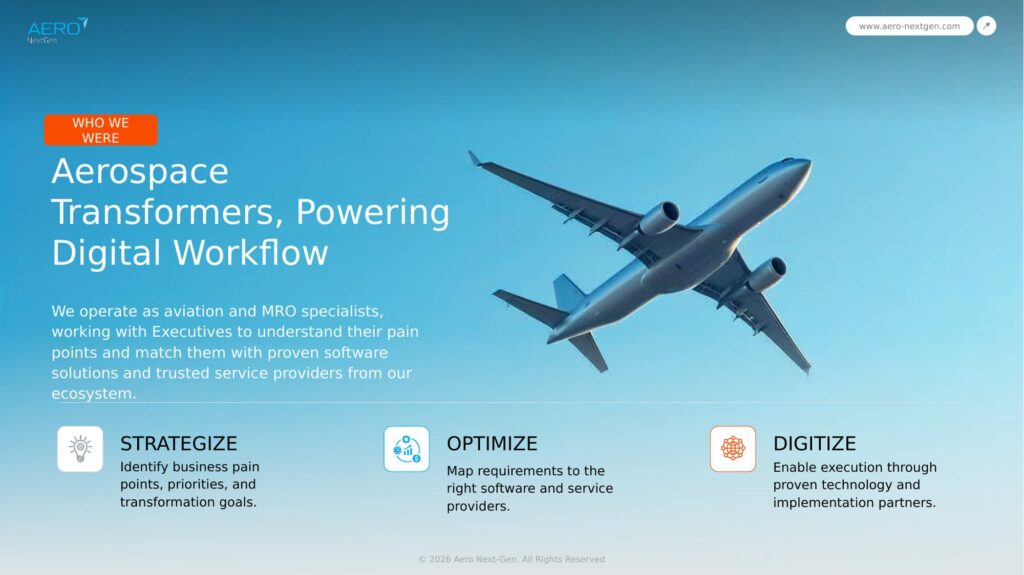
Aviation includes nearly every activity connected with designing, building, operating, maintaining, and supporting aircraft. Commercial airlines form one major part of the industry, but aviation also includes private flying, cargo operations, business aviation, helicopters, flight training, charter services, maintenance organizations, and airport operations.
This wider scope is important when explaining what is the aviation. A passenger may mainly see the aircraft and airport, while an operator sees flight planning, maintenance, crew scheduling, fuel, technical records, ground services, safety, and regulatory requirements. All these activities contribute to the same aviation ecosystem.
Commercial Aviation Connects People And Markets
Commercial aviation includes airlines and operators that transport passengers or cargo as a business. Passenger airlines connect cities through domestic and international routes, while cargo carriers move products, equipment, mail, and time-sensitive materials between regions and countries.
For businesses asking what is the aviation from an economic perspective, commercial flight is one of its most visible functions. Airlines depend on aircraft availability, trained crews, maintenance support, airports, fuel, and operational planning. Delays in any one area can affect several flights because airline operations are closely connected.
General Aviation Includes Many Other Operations
Not every aircraft belongs to an airline. General aviation covers a wide range of civilian flying outside scheduled commercial airline operations. Private flights, corporate aviation, flight schools, medical transport, agricultural aviation, aerial surveying, and many charter services fall within this broad category.
This variety helps explain what is the aviation beyond major passenger airports. A small training aircraft and a long-range business jet may serve very different purposes, yet both require maintenance, pilots, operating procedures, records, and access to aviation infrastructure. The needs of each operator depend on its aircraft, mission, and operating environment.
Aircraft Maintenance Keeps Aviation Operating
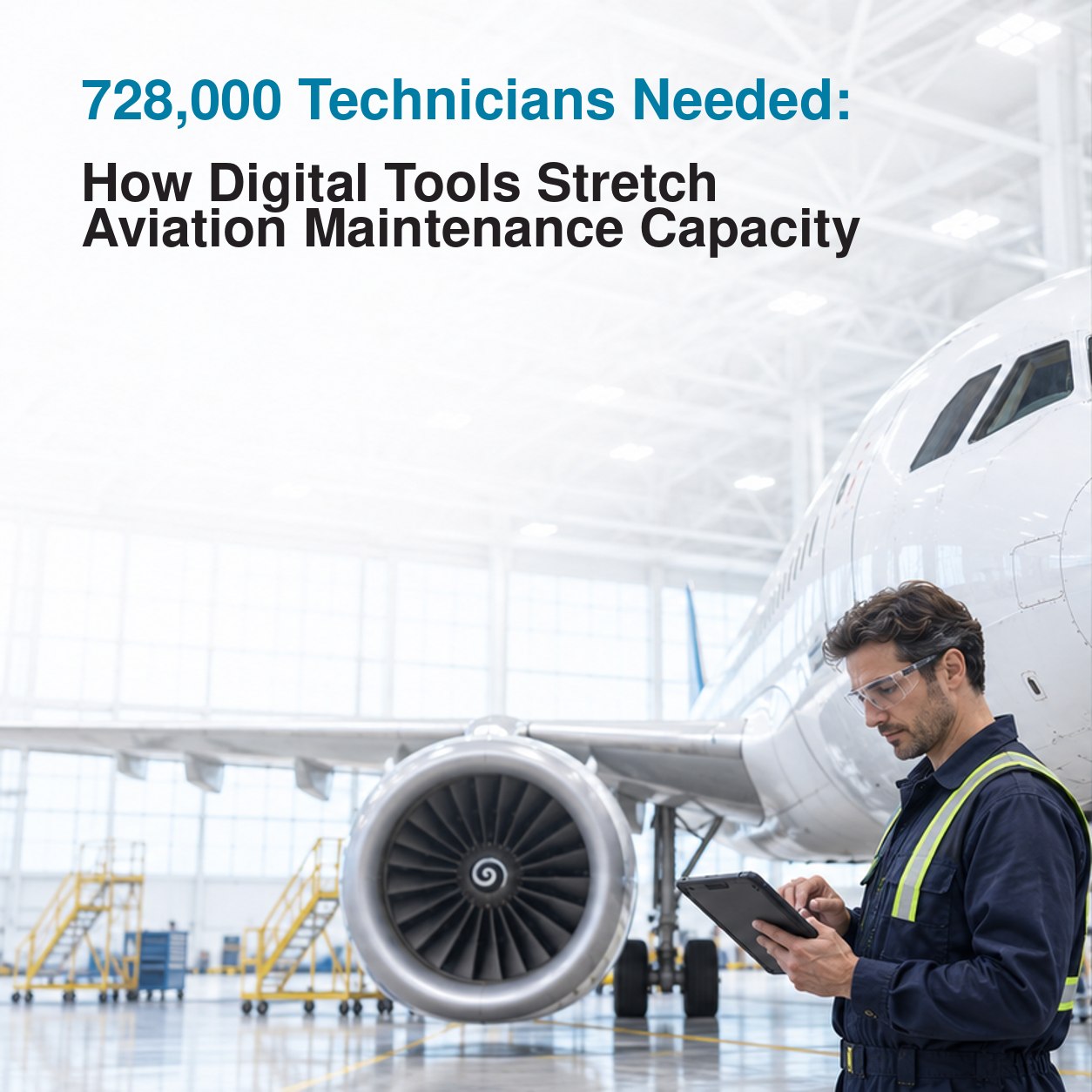
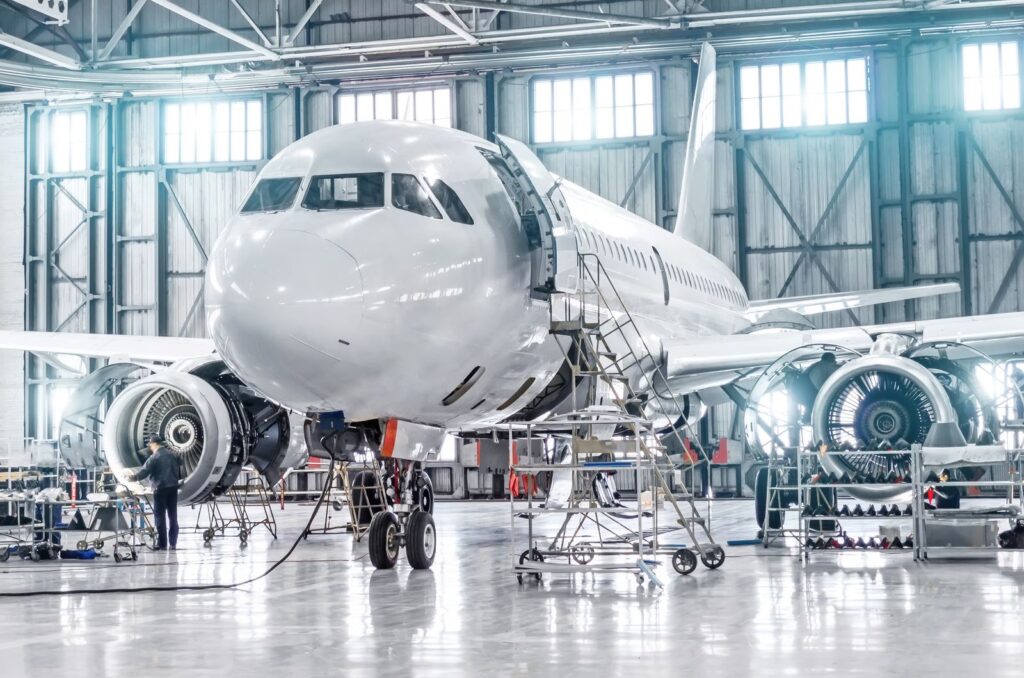
Aircraft require scheduled inspections, servicing, repairs, component replacements, and technical oversight throughout their operating lives. Maintenance technicians work on engines, structures, avionics, landing gear, electrical systems, flight controls, and many other areas. Maintenance planners also monitor when future work becomes due.
Maintenance is therefore a major part of what is the aviation. An aircraft cannot support an airline or fleet if it remains unavailable because required work has not been completed. MRO organizations help operators manage maintenance, repair, overhaul, parts, technical records, and other activities that support continued aircraft operation.
Air Traffic Management Organizes Aircraft Movement
Thousands of aircraft can operate within the same airspace on a busy day. Air traffic controllers coordinate departures, arrivals, routes, altitudes, and aircraft separation. Navigation, surveillance, communication, weather, and airport systems provide information that supports this movement.
The Federal Aviation Administration regulates civil aviation in the United States and operates the country’s air traffic control and navigation system. Its responsibilities also include aviation safety, aircraft operating standards, maintenance standards, and airspace management. These functions show why what is the aviation involves infrastructure and regulation as well as aircraft.
Safety Connects Every Part Of Aviation
Aviation safety depends on several layers working together. Pilots need training and operating procedures, aircraft require proper maintenance, controllers need accurate traffic information, and organizations need processes for identifying and managing risk. No single department can provide aviation safety on its own.
This safety structure is central to what is the aviation because decisions across the organization can affect operational risk. Maintenance planning, crew scheduling, training, aircraft condition, weather, and communication all matter. Strong aviation organizations create systems that allow problems to be identified and addressed before they develop into larger events.
Technology Has Become Essential To Aviation
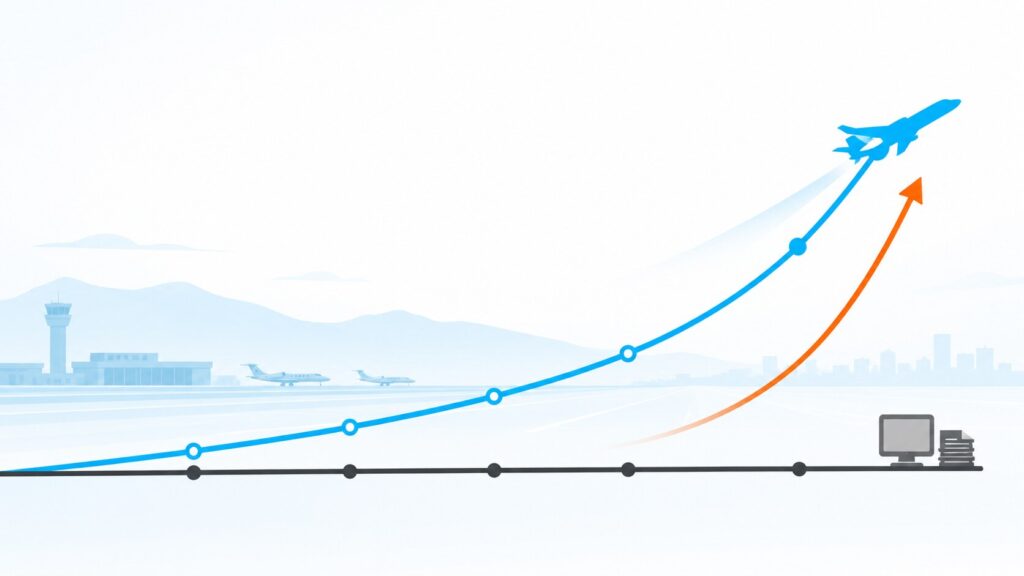
Modern aviation depends heavily on software and digital information. Airlines and MROs use systems for maintenance planning, flight operations, crew management, inventory, finance, technical records, fleet tracking, safety, and analytics. These platforms help departments coordinate information that was once managed through paper records or separate spreadsheets.
Aero Next Gen’s aviation technology ecosystem covers areas such as ERP, predictive maintenance, MRO systems, flight operations, tracking, cybersecurity, analytics, and other specialized technologies. For readers researching what is the aviation today, digital systems have become an important part of how modern aviation organizations manage increasingly complex operations.
Fleet Management Supports Aircraft Availability
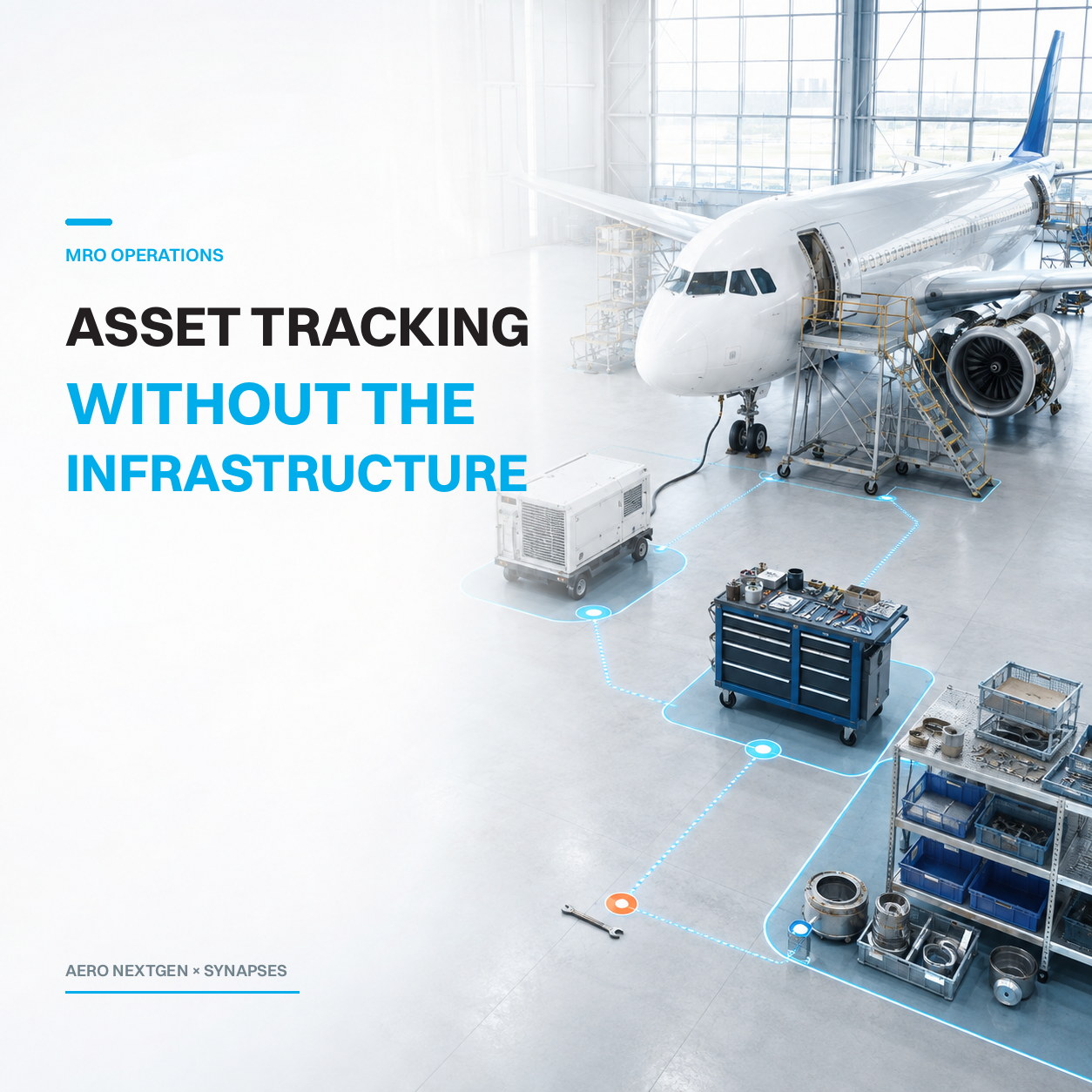
Aircraft operators need to know which assets are available, which are flying, and which are approaching maintenance requirements. Fleet management combines information about utilization, aircraft status, maintenance schedules, costs, and future operational demand. This helps organizations use their aircraft more effectively.
Fleet management also expands the answer to what is the aviation from a business perspective. Organizations must balance aircraft usage with maintenance needs and long-term costs. Using one aircraft too heavily can accelerate upcoming maintenance, while underusing another may create unnecessary ownership expense.
Aviation Creates Many Different Careers
Pilots are among the most visible aviation professionals, but the industry supports a much wider range of careers. Aircraft mechanics, engineers, dispatchers, controllers, planners, airport staff, safety specialists, quality personnel, and supply chain teams all contribute to aviation operations.
Technology has expanded these opportunities further. Software specialists, cybersecurity professionals, data analysts, implementation consultants, and digital transformation teams increasingly support airlines and MRO organizations. Understanding what is the aviation therefore includes recognizing the broad workforce required to keep aircraft and aviation businesses operating.
Aviation And Aeronautics Are Closely Connected
Aviation and aeronautics are related terms, but they are not identical. Aviation generally refers to aircraft operations and the industries supporting flight. Aeronautics focuses more heavily on the science and engineering behind aircraft, including aerodynamics, propulsion, structures, aircraft design, and flight performance.
The distinction helps clarify what is the aviation as a practical industry. Aeronautical research may lead to improved engines, aircraft structures, or flight technology, while aviation organizations use those developments in real operations. Engineering innovation and operational aviation continually influence each other as aircraft technology advances.
The Future Of Aviation Will Be More Connected
Aircraft and aviation organizations are generating increasing amounts of digital information. Operators can use data from maintenance systems, aircraft sensors, flight operations platforms, tracking technologies, and business systems to gain better visibility into performance and emerging problems.
This trend will continue changing what is the aviation in the years ahead. Artificial intelligence, predictive maintenance, automation, connected aircraft, electronic records, and integrated operational platforms may help organizations reduce manual work and make faster decisions. Human expertise will remain essential, but aviation professionals will increasingly work alongside advanced digital systems.

Conclusion
So, what is the aviation? Aviation is the complete ecosystem connected with aircraft and flight. It includes airlines, general aviation, airports, maintenance, MRO, fleet management, air traffic control, manufacturing, safety, regulation, engineering, and technology. Each area contributes to keeping aircraft moving safely and efficiently.
As the industry becomes more digital, understanding what is the aviation also means understanding the systems that support modern operations. Aero Next Gen helps aviation organizations understand technologies across MRO, maintenance, fleet operations, ERP, analytics, tracking, safety, and other areas that increasingly shape how the industry operates.