Home / Technologies / Technical Records Digitization
Aircraft records digitization turns boxes of logbooks, task cards and certificates into indexed, searchable digital records. Audits take hours instead of weeks, lease transitions stop dragging and the history behind every aircraft is safe from loss. We help operators, lessors and MROs find records specialists and platforms that understand aviation documentation.
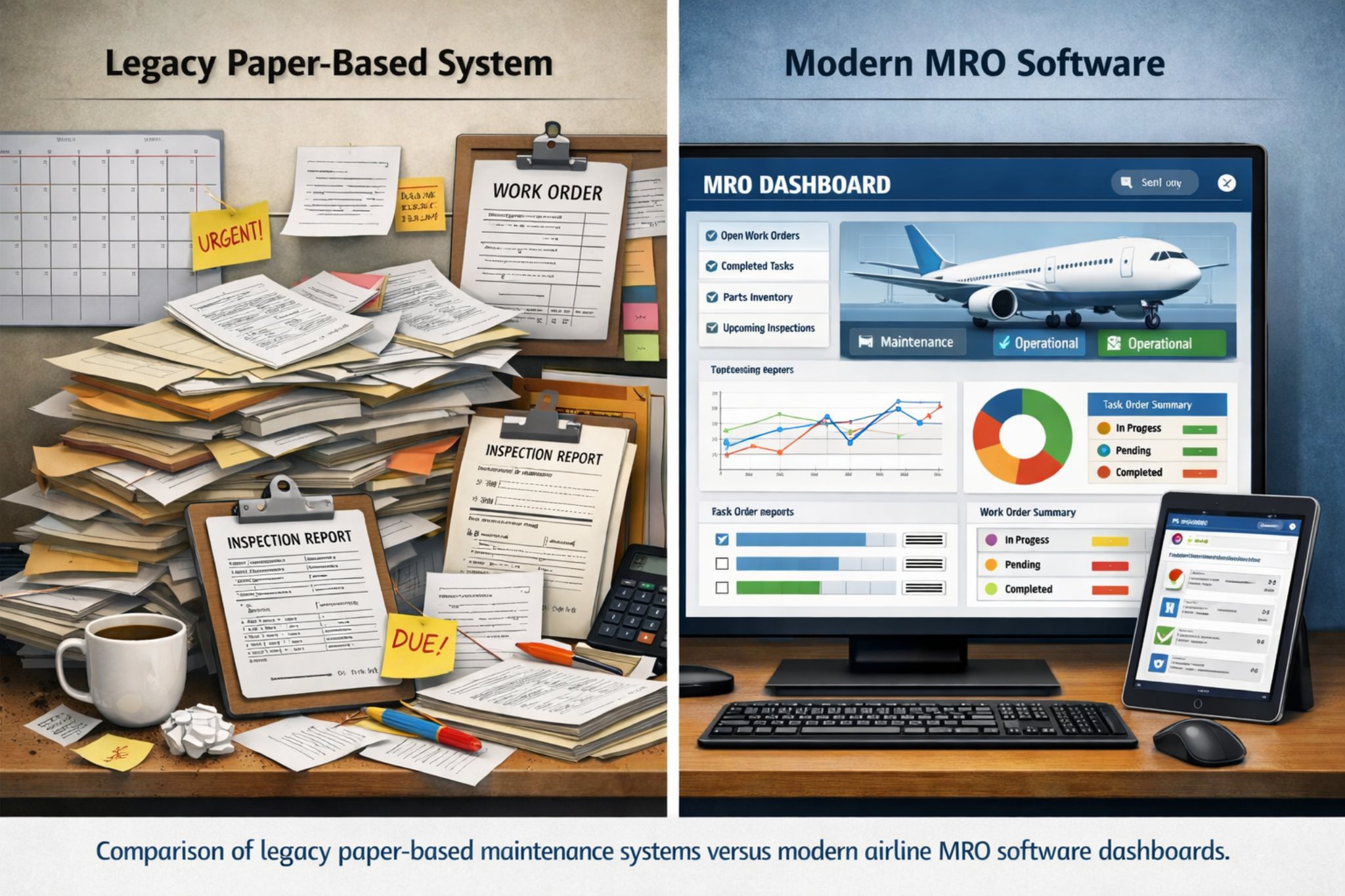
Illustrative dashboard, sample values
Aircraft records digitization is the process of scanning, indexing, validating and storing aircraft maintenance records, including logbooks, task cards, airworthiness directive and service bulletin compliance, component histories and certificates, in a secure digital system. Done well, it makes records searchable, audit-ready and transferable, and it often uses AI to read and classify documents at scale.
An aircraft’s value depends heavily on its records. Missing back-to-birth traces, incomplete AD compliance or illegible task cards can delay a lease return for weeks or knock real money off an asset’s value. Yet many operators still keep decades of records on paper, spread across stations, warehouses and vendors.
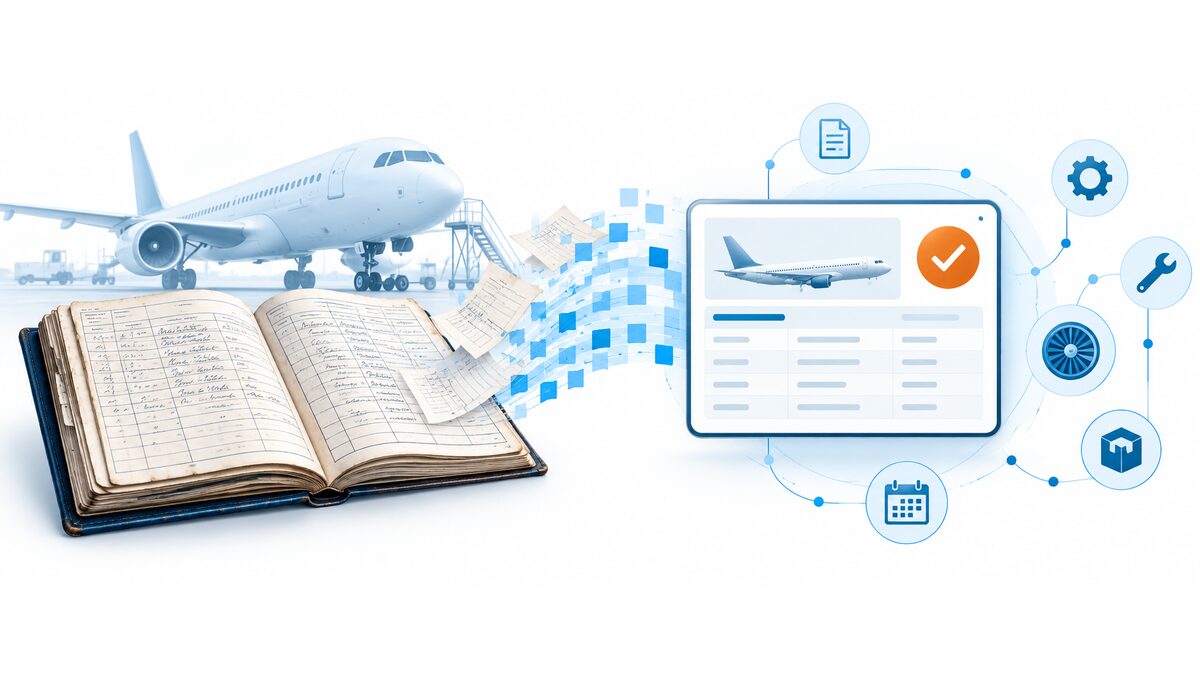
Digitization changes that. Records are scanned, indexed by aircraft, component and task, and checked for completeness. AI tools read handwritten and typed entries and flag gaps. The result is a single, secure archive where an auditor, lessor or engineer can find what they need in minutes, and where records are protected from fire, flood and loss.
From boxes to searchable history: every page indexed by aircraft, component and task.
These six capabilities turn paper archives into a usable, trusted records system.
High-volume scanning of logbooks, task cards, certificates and work packages, including damaged documents.
Records organized by aircraft, component, task, AD and SB, often accelerated by AI.
Validation against maintenance programs, ADs and back-to-birth requirements, with gaps flagged.
Encrypted, backed-up storage with access control and retention policies.
Records packaged for lease returns, sales and audits in the format the other party expects.
Language models that read entries, extract part and serial numbers and code tasks automatically.
Older fleets, busy secondary markets and supply chain scrutiny all depend on records.
Aircraft are staying in service longer and changing hands more often, which means more records to manage and more transitions where those records are scrutinized. Every gap found late is a delay and a cost.
The 2023 discovery of parts sold with falsified paperwork also put records under a spotlight. Operators, lessors and regulators want verifiable histories, and that starts with records that are complete, legible and searchable.
Average age of the global fleet in 2025, about a year and a half older than in 2024.
Engines found worldwide with parts sold under falsified paperwork by a single supplier in 2023.
Commercial aircraft in service in early 2026, with roughly 41,000 forecast by 2036.
These are the benefits operators, lessors and MROs report most once records are digital.
“An aircraft is only worth what its records can prove.”
The Aero NextGen advisory principle
Engineers and auditors find any record in minutes, from any location, instead of requesting boxes from storage.
Records gaps are found and closed early, so redeliveries and sales are not delayed by paperwork.
Complete, verifiable records support residual value and smoother remarketing.
Organized, searchable records reduce audit preparation and the risk of findings.
Secure digital archives eliminate the risk of losing irreplaceable records to fire, flood or misplacement.
Structured digital history feeds reliability analysis and predictive maintenance.
Records matter to everyone, for different reasons. Pick your operation to see where digitization usually helps first.

Operators digitize historic records and shift new work to digital, so continuing airworthiness, audits and redeliveries all run from one archive.
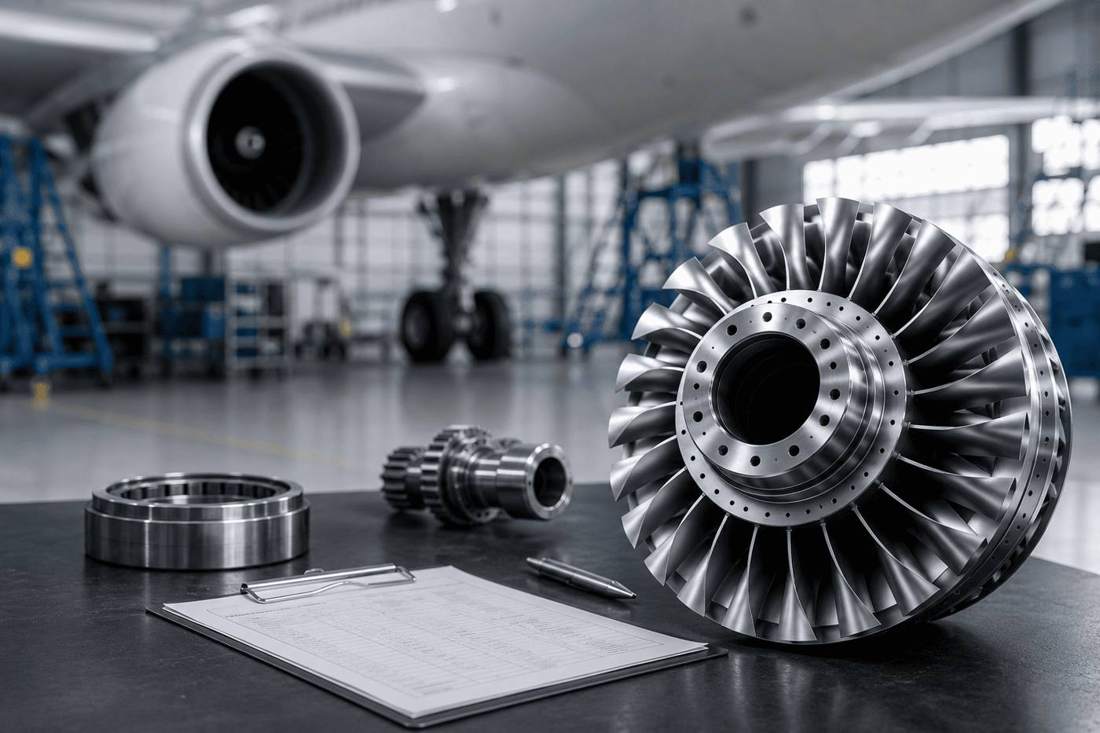
Lessors use digitized records to monitor asset condition across operators, prepare transitions and support remarketing and valuations.

MROs digitize work packages and release documents, so customers receive complete digital records and the shop can answer queries instantly.
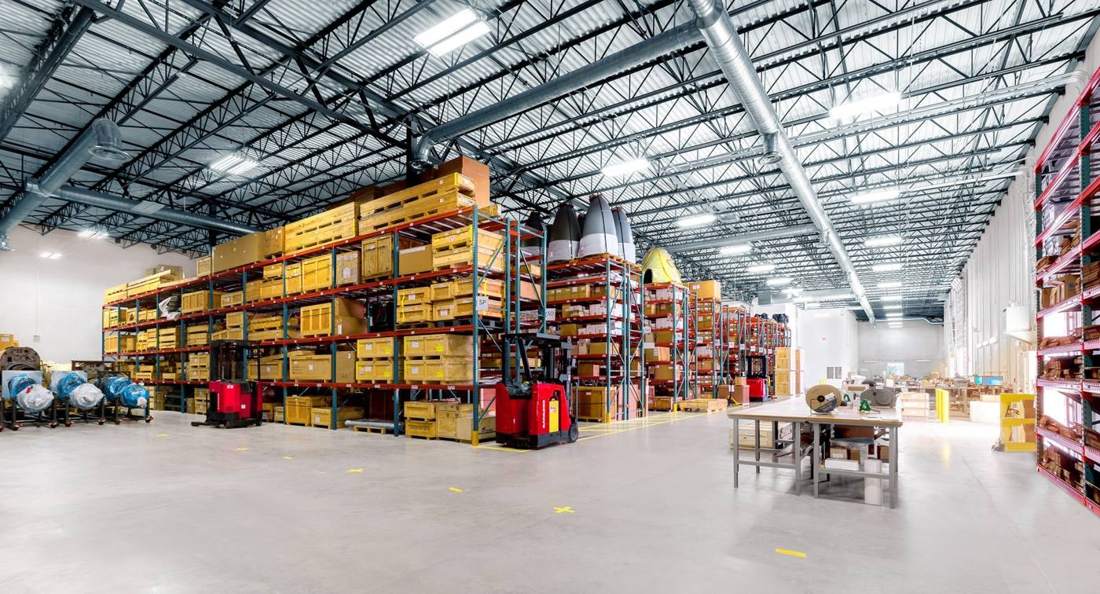
Distributors digitize trace documents and certificates for every part, so buyers can verify provenance quickly and accreditation audits run smoothly.
Here is what changes when decades of paper become an indexed, validated digital archive.
| Area | Paper records | Digitized records |
|---|---|---|
| Finding a record | ✕ Request boxes, wait days | ✓ Search, find in minutes |
| Completeness | ✕ Gaps found during transitions | ✓ Gaps flagged early |
| Access | ✕ One location at a time | ✓ Anywhere, with access control |
| Protection | ✕ Vulnerable to loss and damage | ✓ Secure, backed-up archive |
| Transitions | ✕ Weeks of manual review | ✓ Prepared packs ready to share |
| Analysis | ✕ Impossible at scale | ✓ Ready for reliability analytics |
The fix: a digitization program scans, indexes and centralizes records from every station, warehouse and vendor into one archive.
The fix: completeness checks against the maintenance program and ADs find gaps months before redelivery, when they are cheaper to close.
The fix: indexed digital records let auditors and engineers find what they need in minutes.
The fix: pair digitization with digital task cards and an electronic techlog so new records are born digital.
Digitization pays back through faster transitions, fewer audit hours and protected value.
Transition delays are often the largest records cost. Use the calculator to see what a few days saved per transition could be worth, then add audit and retrieval savings.
Records programs succeed when they are prioritized by business need, not by box order.
Start with aircraft facing redelivery, sale or audit, then work through the rest of the fleet.
Define how records will be classified: by aircraft, component, task, AD and SB.
Scan with a specialist partner or in-house, protecting fragile originals.
Check completeness against requirements and chase missing documents early.
Move to digital task cards and electronic techlogs so the backlog does not grow again.
Not sure which records partner fits your fleet? The Solution Finder scopes it in about three minutes and matches you with vetted vendors.
Scanning companies are everywhere. Records partners who understand ADs, back-to-birth and transitions are not.
Ask whether the partner understands AD and SB compliance, back-to-birth and lessor return conditions.
Check how AI is used to classify records and how accuracy is verified.
Originals and digital files must be handled securely with full chain of custody.
Digital records should link to your maintenance tracking or records system.
Ask for examples of transition packs delivered to major lessors.
Compare per-page scanning, indexing, validation and storage costs.
Records management continues after scanning. Ask about ongoing services.
A sample of providers listed under technical records digitization, shown alphabetically. A listing is not an endorsement; the Solution Finder matches you on fit.

Monica Badra
Founder and CEO, Aero NextGen
Aero NextGen was founded by Monica Badra, who has spent more than a decade inside aviation translating real business needs into the right technology. That experience shapes how we approach aircraft records digitization: start with the aircraft where records cost you most, and make sure new records are born digital.
We are vendor-neutral. We do not resell software, and our matching is based on your operation, your systems and your budget. Our perspective on digital MRO and aviation technology has been featured across the industry press.
The questions aviation leaders ask us most before they start. Have one we did not cover? The Solution Finder routes it to the right expert.
It is scanning, indexing, validating and storing aircraft maintenance records in a secure digital system so they are searchable, audit-ready and transferable.
Logbooks, task cards, AD and SB compliance, component histories, back-to-birth traces, certificates and major repair and modification records.
Yes, when the system meets the authority’s requirements for integrity, security and retrievability. Confirm your approach with your quality team and regulator.
AI reads typed and handwritten entries, classifies documents and extracts part and serial numbers, speeding up indexing and gap detection across huge archives.
Many organizations retain originals for key documents. Your retention policy should follow regulatory and lessor requirements.
Gaps are found early and records are packaged in the format lessors expect, shortening transitions and protecting value.
Move new work to digital task cards and an electronic techlog.
Start with the free Solution Finder. It maps your records and transition pain points and matches you to the right digitization partners.
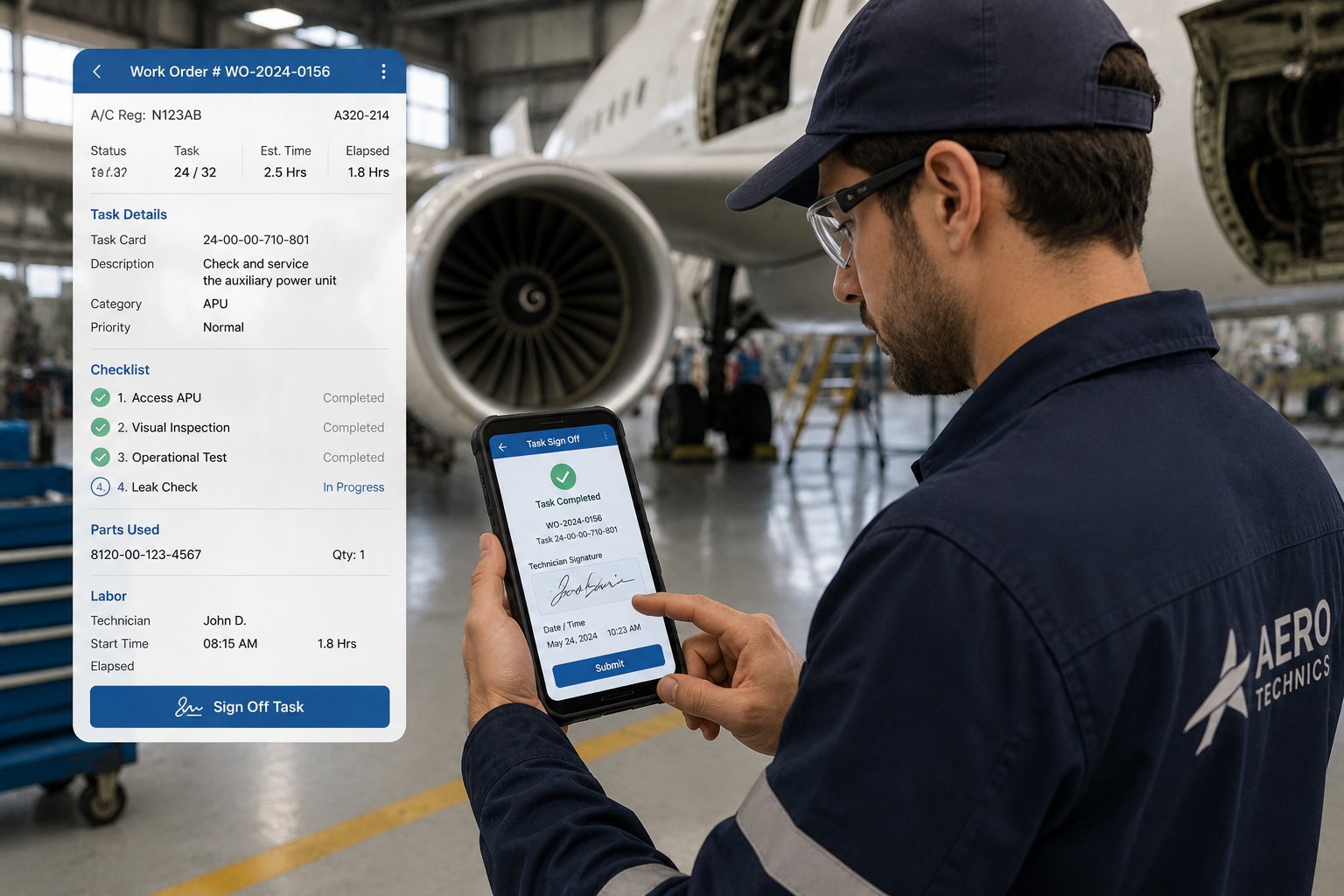
Replace paper task cards, photos and pick tickets with digital tools.
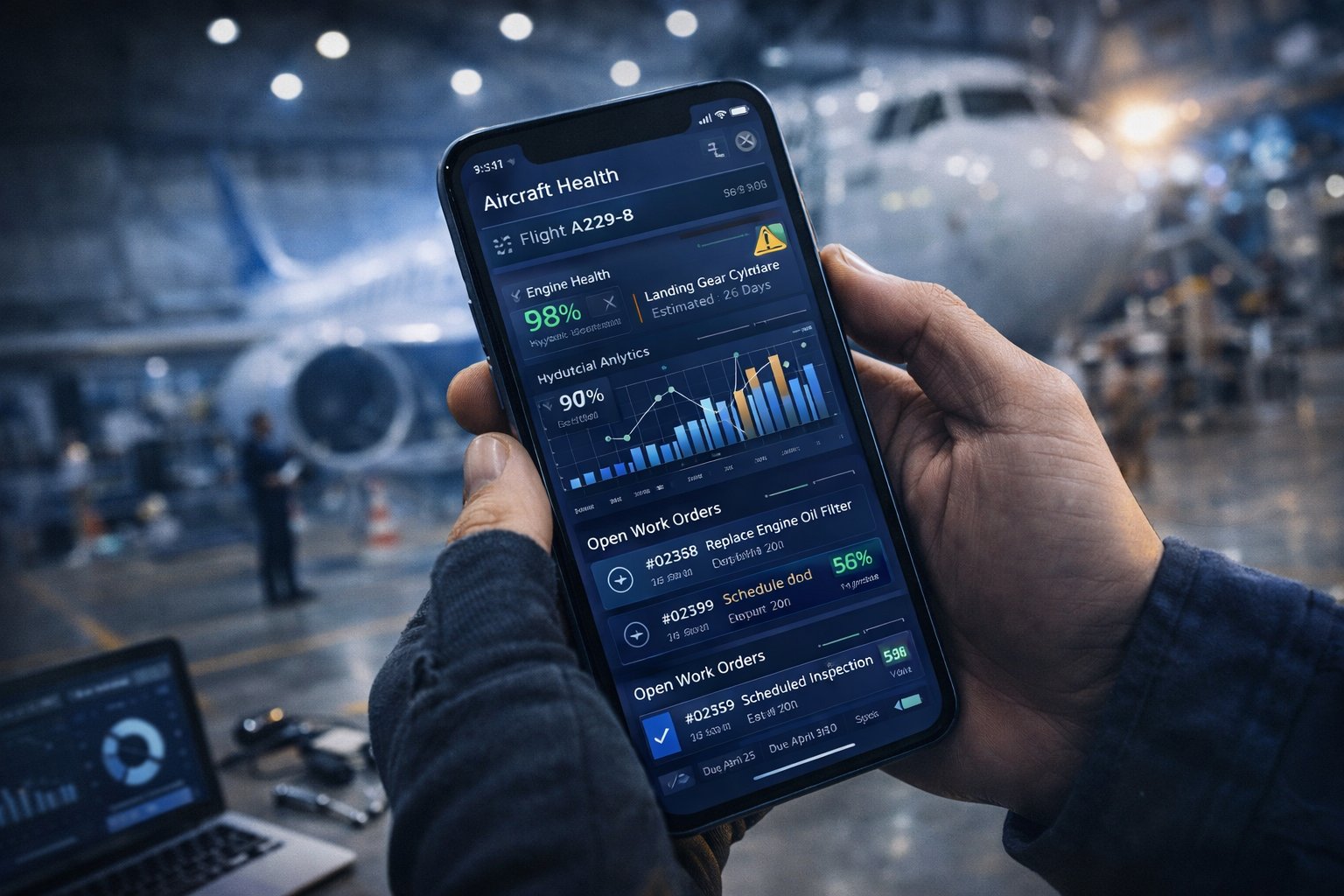
Replace paper techlogs with compliant digital defect records.
Back-to-birth chain of custody for every serialized part.
Clean, standardized records are the foundation every system depends on.
Scan, index and validate your aircraft records so audits and transitions take hours, not weeks. Start with the free Solution Finder to find the right records digitization partner.