
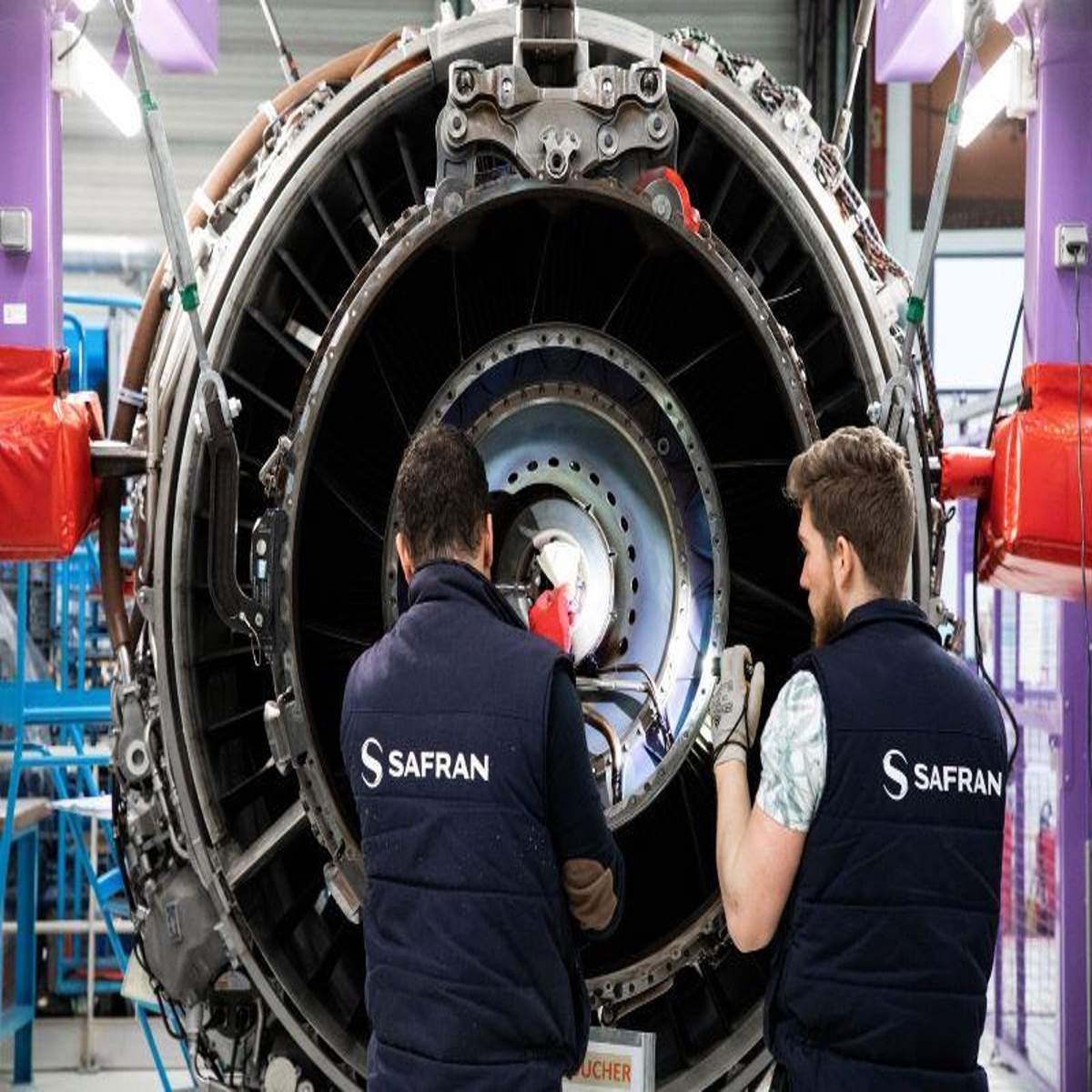
Modern aircraft must be strong enough to handle repeated flight loads while remaining light enough to fly efficiently. If you are asking what are aeroplanes made of, the answer includes aluminum alloys, carbon-fiber composites, titanium, steel, plastics, glass, rubber, fabrics, and several other specialized materials. Manufacturers choose each material according to the strength, weight, temperature, corrosion resistance, and flexibility required in a particular part of the aircraft.
Understanding what are aeroplanes made of also means recognizing that no single material is ideal for an entire aircraft. Wings need a different balance of properties than engines, windows, landing gear, or cabin interiors. Modern aircraft therefore combine metals, composites, polymers, and other materials to create structures that can withstand demanding operating conditions without adding unnecessary weight.
Aluminum Has Long Been A Major Aircraft Material
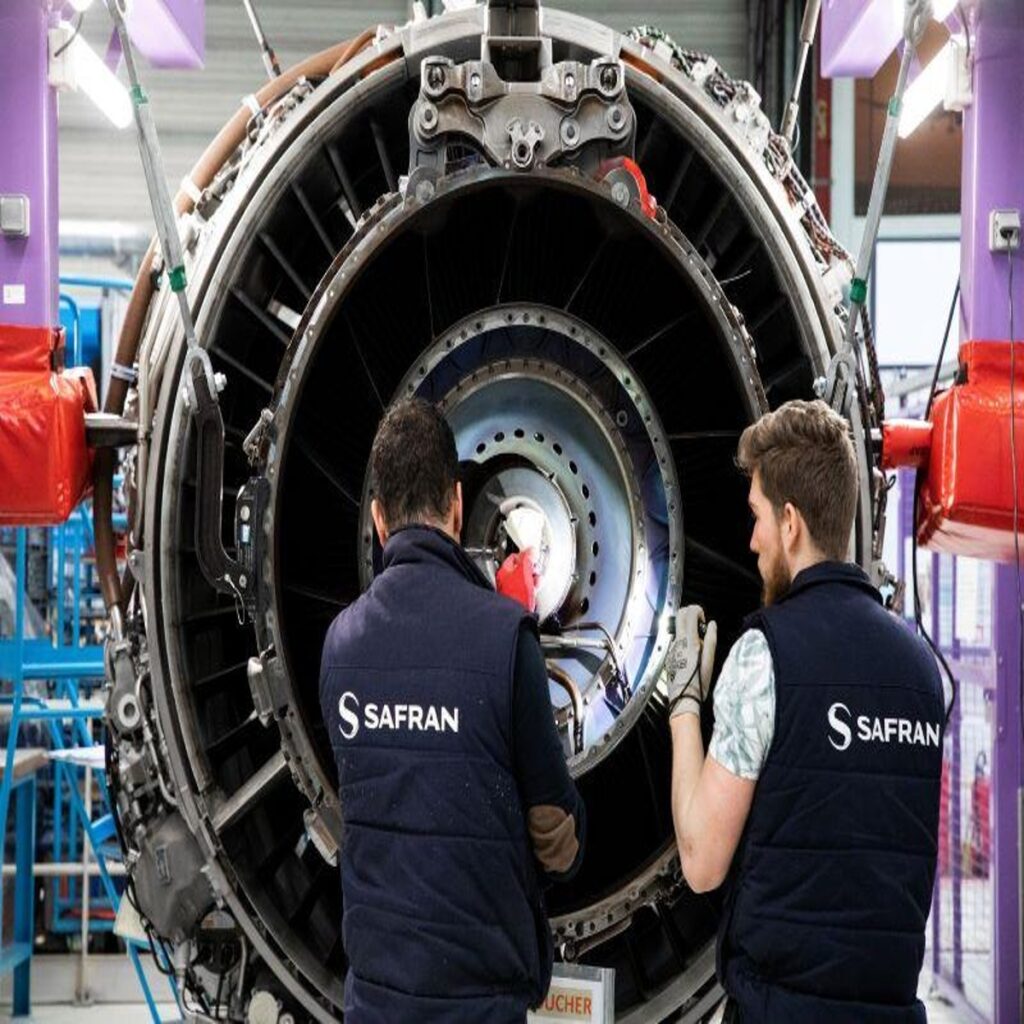
Aluminum alloys have played a major role in aircraft construction for decades. Aluminum is relatively light, can provide good structural strength, and is easier to shape and manufacture than many heavier metals. Manufacturers have traditionally used aluminum in fuselage skins, wing structures, ribs, frames, and many other aircraft components.
This is one of the most important points when answering what are aeroplanes made of. Aluminum helped manufacturers create strong aircraft without the excessive weight associated with some earlier materials. Although modern commercial aircraft increasingly use composites, aluminum remains important across general aviation, commercial fleets, cargo aircraft, and many existing aircraft designs.
Composite Materials Reduce Weight
Composite materials combine two or more materials to create properties that the individual materials cannot provide as effectively on their own. Carbon fiber reinforced with resin is one of the most familiar examples in modern aviation. Fiberglass and other fiber-reinforced materials are also used in aircraft structures and components.
The FAA’s advanced composite materials guidance explains that composites can provide lighter weight, high strength, corrosion resistance, flexibility, and heat resistance. This makes composites increasingly important when discussing what are aeroplanes made of, particularly for newer aircraft that use them in major fuselage and wing structures.
Titanium Handles Demanding Conditions
Titanium offers an excellent combination of strength, relatively low weight, corrosion resistance, and the ability to tolerate high temperatures. These characteristics make it valuable in areas where aluminum may not provide enough strength or temperature resistance. Aircraft manufacturers use titanium selectively because it is more expensive and difficult to manufacture.
When considering what are aeroplanes made of, titanium is especially important around engines, structural attachment points, landing gear areas, and other highly loaded components. Modern aircraft with extensive composite structures can also use titanium because of its compatibility with certain composite materials and its ability to provide strong connections between major structural sections.
Steel Provides Strength Where Weight Is Less Critical
Steel is heavier than aluminum or many composite materials, so manufacturers generally avoid using it across large aircraft surfaces. However, its exceptional strength makes it valuable for components that experience heavy loads or require significant resistance to wear.
Landing gear components, bearings, fasteners, engine parts, and other highly stressed items may use different types of steel. This illustrates why what are aeroplanes made of cannot be answered by naming one dominant material. Engineers place stronger, heavier materials only where their properties justify the additional weight.
Aircraft Engines Use Specialized Materials
Aircraft engines operate under extreme conditions. Internal components may experience high temperatures, rotational forces, vibration, and pressure. Engine manufacturers therefore use specialized metals and alloys capable of maintaining their strength under conditions that ordinary structural materials could not tolerate.
This engine environment adds another layer to what are aeroplanes made of. Titanium alloys, nickel-based superalloys, steel, aluminum, and advanced ceramic or composite materials can appear in different engine sections. The exact choice depends on temperature, mechanical loading, weight, and the function of the individual component.
Windows And Interiors Use Different Materials
Aircraft windows need to be strong, lightweight, transparent, and capable of handling pressure differences. Passenger aircraft commonly use multiple layers of specially designed transparent materials rather than ordinary household glass. Cockpit windows may have more complex layered construction because they must provide clear visibility while handling demanding operating conditions.
Cabin interiors further expand the answer to what are aeroplanes made of. Seats, overhead bins, wall panels, flooring, insulation, and interior fittings can use plastics, fabrics, composites, foams, metals, and fire-resistant materials. Manufacturers must consider weight and durability while also meeting applicable safety and flammability requirements.

Rubber And Flexible Materials Have Important Roles
Aircraft also contain materials that are designed to flex rather than carry major structural loads. Tires use specialized rubber compounds capable of handling high loads, rapid acceleration, braking forces, and repeated takeoffs and landings. Seals, hoses, gaskets, and vibration-control components can use rubber or other flexible materials.
These less visible components are still important when explaining what are aeroplanes made of. An aircraft depends on thousands of parts, and material selection must match each part’s operating environment. A material suited to a wing structure would not necessarily work for a hydraulic seal, electrical insulation, or aircraft tire.
Some Aircraft Still Use Fabric And Wood
Although metals and composites dominate modern aircraft production, wood and fabric still appear in certain aircraft. Some older aircraft, homebuilt designs, restored aircraft, and lightweight general aviation aircraft use wooden structural components or fabric coverings. Modern aircraft fabrics can use durable synthetic materials rather than the natural fabrics used in early aviation.
The continued use of these materials shows how broad the answer to what are aeroplanes made of can become. Aircraft design depends heavily on mission, size, age, performance, and construction method. A lightweight recreational aircraft can use a very different material combination from a modern long-range commercial airliner.
Material Choice Affects Aircraft Maintenance
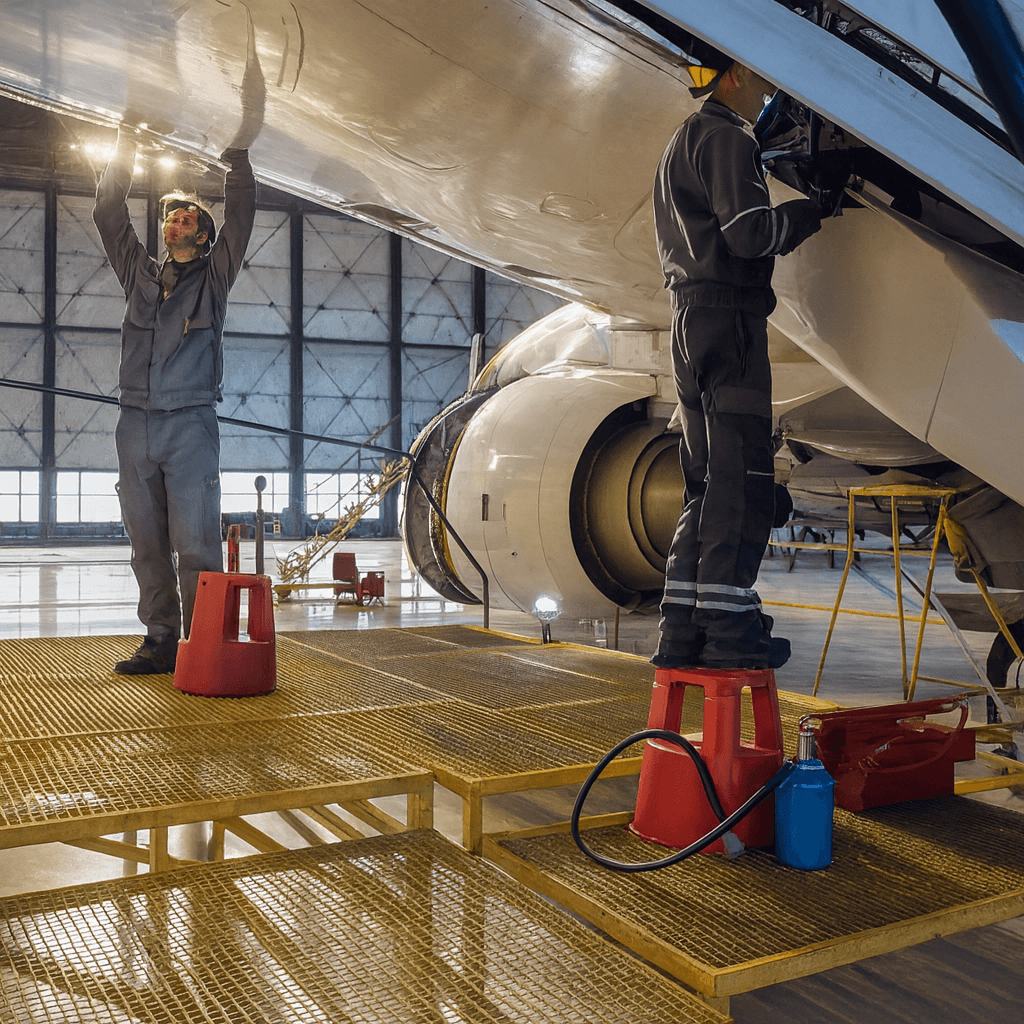
Different aircraft materials require different inspection and repair techniques. Aluminum structures may experience corrosion, cracking, or deformation. Composite structures can suffer internal damage that is not always obvious from the surface. Technicians therefore need the correct procedures, tools, and inspection methods for each material.
Material knowledge is an important part of aircraft maintenance because technicians must determine whether damage is acceptable, requires monitoring, or needs repair. When asking what are aeroplanes made of, it is therefore useful to consider the entire operating life of the material, not only how manufacturers use it during aircraft production.
Modern Aircraft Use More Composite Structures
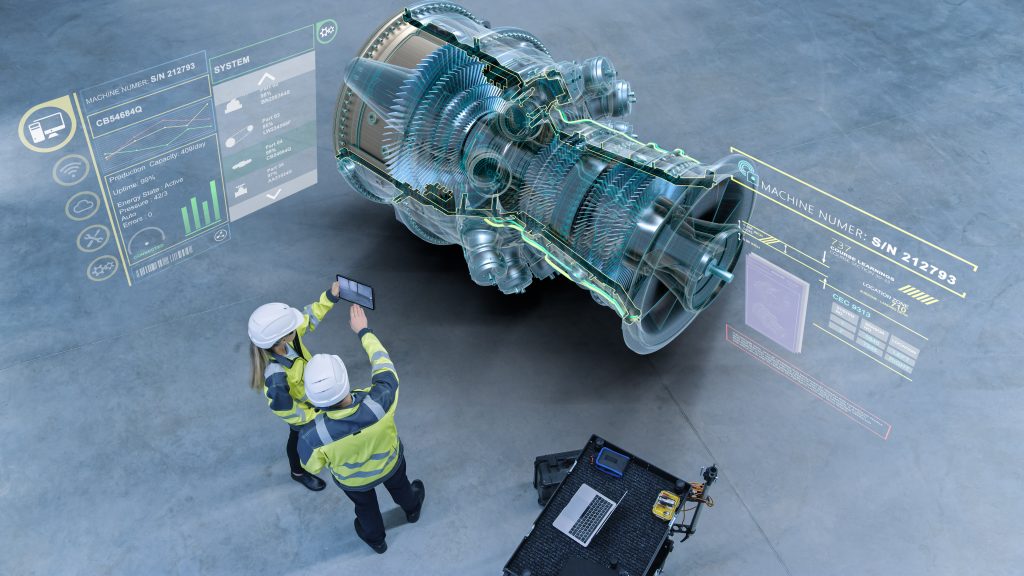
Aircraft manufacturers continue increasing the use of composite materials in major structures. Carbon-fiber composites can reduce structural weight while providing high strength and resistance to corrosion. Lower structural weight can support improved efficiency because the aircraft carries less material mass throughout every flight.
This trend continues to change what are aeroplanes made of. However, it does not mean metals are disappearing. Modern aircraft often combine composites, aluminum, titanium, steel, and other materials in carefully selected locations. Engineers choose the combination that provides the required strength, durability, manufacturability, maintainability, and overall aircraft performance.
Engineers Choose Materials For Specific Jobs
Aircraft material selection always involves tradeoffs. A material may offer excellent strength but cost too much for widespread use. Another may be lightweight but difficult to inspect or repair. Engineers also consider fatigue, corrosion, temperature, manufacturing processes, expected service life, and how the material interacts with surrounding components.
This engineering process is the best way to understand what are aeroplanes made of. Aircraft are not simply metal machines or composite machines. They are carefully engineered combinations of materials, with each one selected according to the job it must perform and the conditions it will experience throughout the aircraft’s life.
Conclusion
So, what are aeroplanes made of? Modern aircraft combine aluminum alloys, carbon-fiber composites, titanium, steel, plastics, rubber, transparent materials, fabrics, and other specialized materials. Each material serves a different purpose based on factors such as strength, weight, temperature resistance, corrosion resistance, flexibility, cost, and maintainability.
As aircraft designs evolve, the answer to what are aeroplanes made of continues to change through advanced composites, new alloys, and emerging manufacturing technologies. Aero Next Gen covers the wider aviation technology and maintenance ecosystem where aircraft engineering, MRO, digital systems, and new technologies come together throughout an aircraft’s operational life.