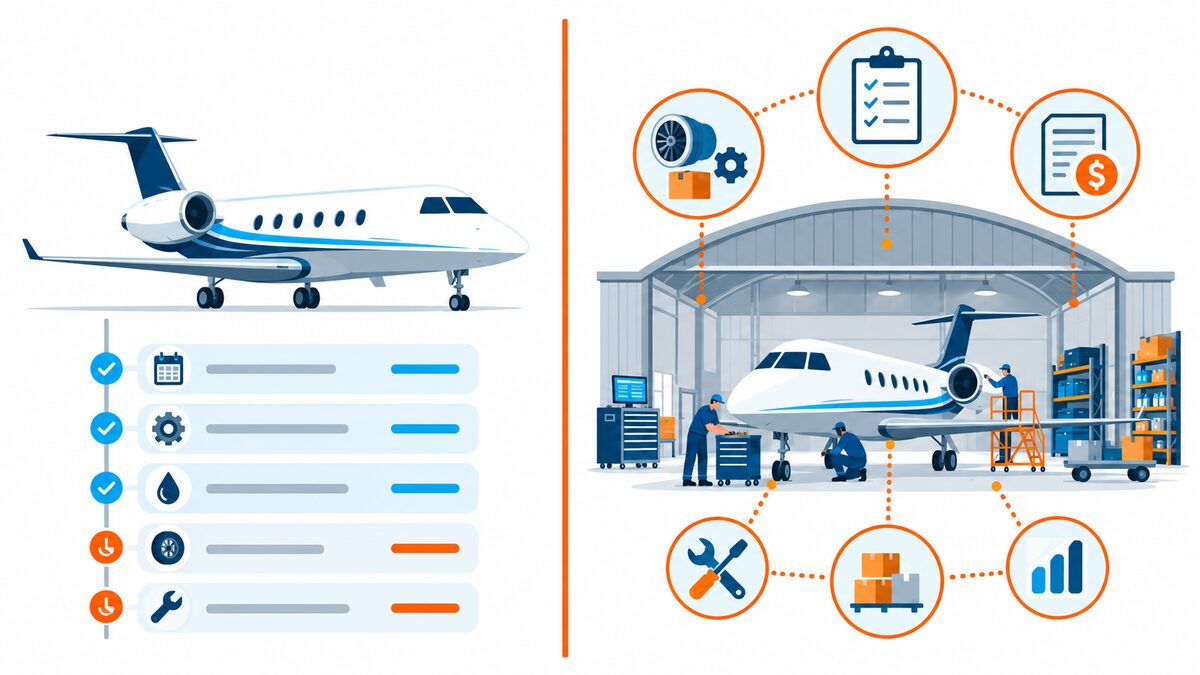
Aircraft need regular inspections, servicing, repairs, and component replacements throughout their operating lives. If you are asking what is aircraft maintenance, it is the process of inspecting, servicing, repairing, and managing aircraft so they remain safe, airworthy, and ready for operation. Maintenance covers aircraft structures, engines, avionics, landing gear, flight controls, electrical equipment, and many other systems.
Aircraft maintenance involves much more than fixing something after it fails. Airlines, fleet operators, and maintenance organizations plan work before many problems occur. They track flight hours, cycles, inspection requirements, component limits, technical records, and parts. Strong planning helps teams complete required work while reducing unnecessary aircraft downtime.
Why Aircraft Maintenance Matters
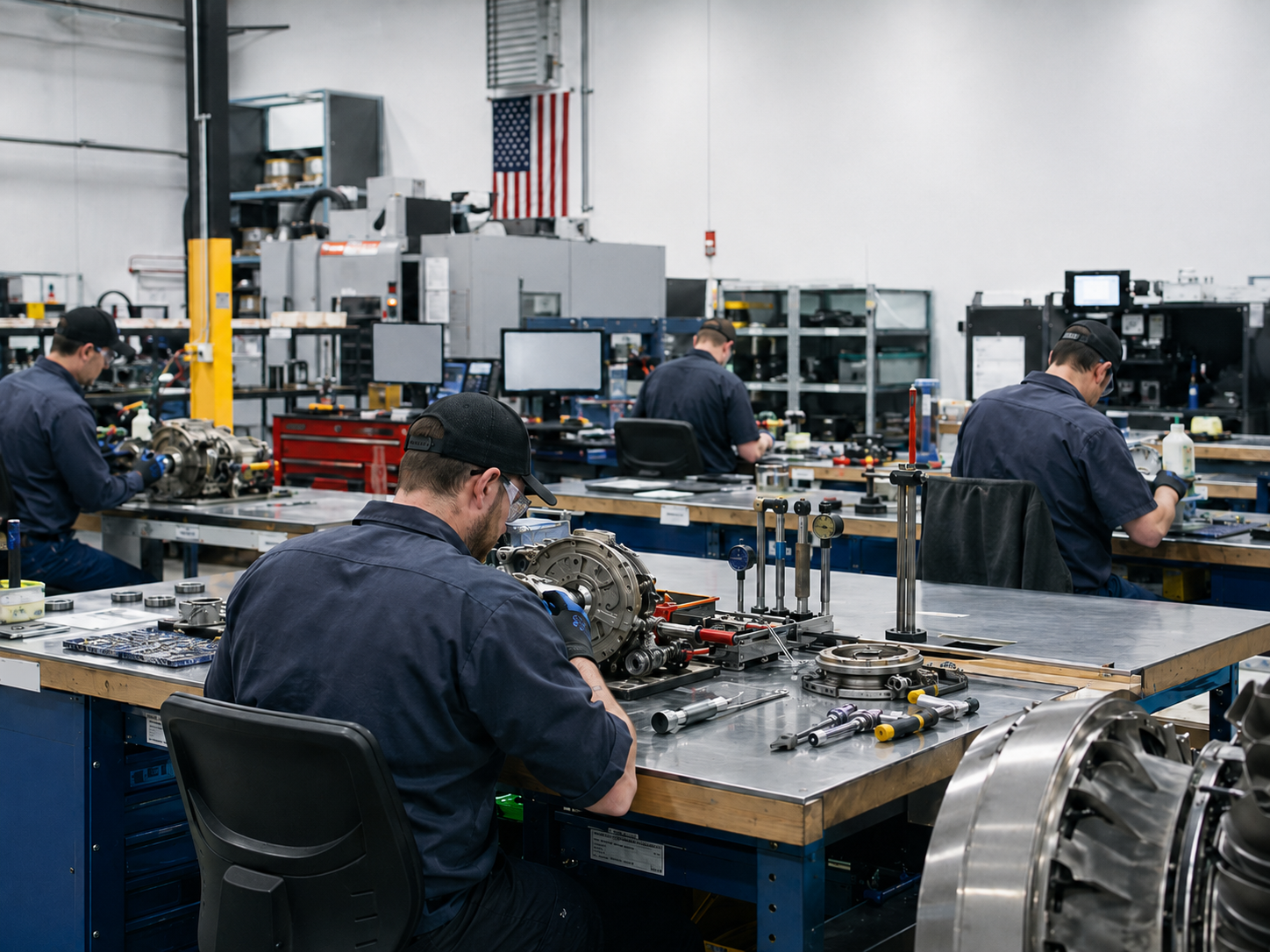
Aircraft operate in demanding environments. Engines experience high temperatures, structures handle repeated loads, and mechanical systems work through thousands of flight cycles. Regular maintenance helps technicians identify wear, damage, leaks, corrosion, and other problems before they become more serious.
Maintenance also affects aircraft availability. Operators need aircraft ready for scheduled flights, but they must complete required inspections and repairs first. The FAA states that aircraft owners and operators hold primary responsibility for keeping their aircraft in an airworthy condition. Its guidance on owner and mechanic responsibilities also highlights the importance of maintenance documentation and communication with maintenance providers.
Scheduled Maintenance Follows Planned Requirements
A major part of what is aircraft maintenance involves scheduled work. Operators complete many maintenance tasks at defined intervals. These intervals may depend on flight hours, flight cycles, calendar dates, or specific component requirements. Maintenance planners monitor these limits and schedule work before an aircraft reaches them.
Scheduled maintenance can range from routine servicing to major inspections. Larger events may require hangar space, several technicians, specialized tools, parts, and engineering support. Good planning gives teams time to prepare these resources before the aircraft enters maintenance. This preparation can reduce delays and help the operator return the aircraft to service more efficiently.

Unscheduled Maintenance Addresses Unexpected Problems
Not every maintenance event follows a schedule. Pilots may report a technical fault after a flight, or technicians may find damage during an inspection. Components can also fail without enough warning to include the work in the original maintenance plan. These situations create unscheduled maintenance requirements.
Unexpected work often creates more operational pressure because the organization did not plan to remove the aircraft from service. Maintenance teams need to identify the cause, determine the correct repair, locate parts, and estimate downtime. Accurate records and good communication can make this process faster by giving technicians useful information about previous faults and repairs.
Aircraft Inspections Help Identify Problems Early
Inspections give technicians a structured way to evaluate aircraft condition. They may examine engines, structures, flight controls, landing gear, electrical systems, and other equipment. Depending on the task, mechanics can use visual checks, measurements, system tests, or specialized inspection methods to find defects.
Inspection requirements vary according to aircraft type, operation, and maintenance program. The goal is not simply to identify obvious damage. Technicians also look for early signs of wear or deterioration that could affect future operation. Finding a problem earlier can give maintenance teams more time to plan the repair and obtain the necessary parts.
Preventive Maintenance Helps Reduce Future Problems
Understanding what is aircraft maintenance also means recognizing the role of preventive work. Maintenance teams do not always wait for a component to fail. Regular servicing, inspections, adjustments, and approved preventive tasks can help address developing issues before they cause larger disruptions.
Preventive maintenance can also make planning easier. Teams can prepare labor, tools, and materials instead of responding to every problem as an emergency. Operators must still follow approved maintenance programs and technical requirements. However, proactive planning can reduce avoidable delays around those requirements and give managers a clearer view of future maintenance demand.
Predictive Maintenance Uses Aircraft Data
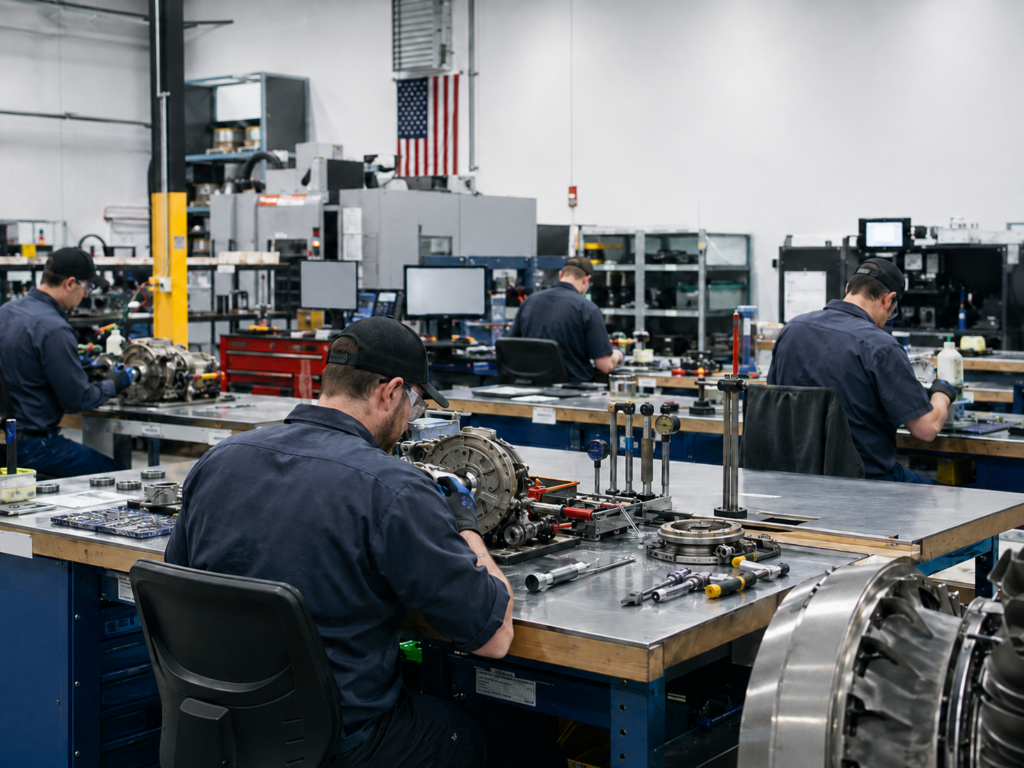
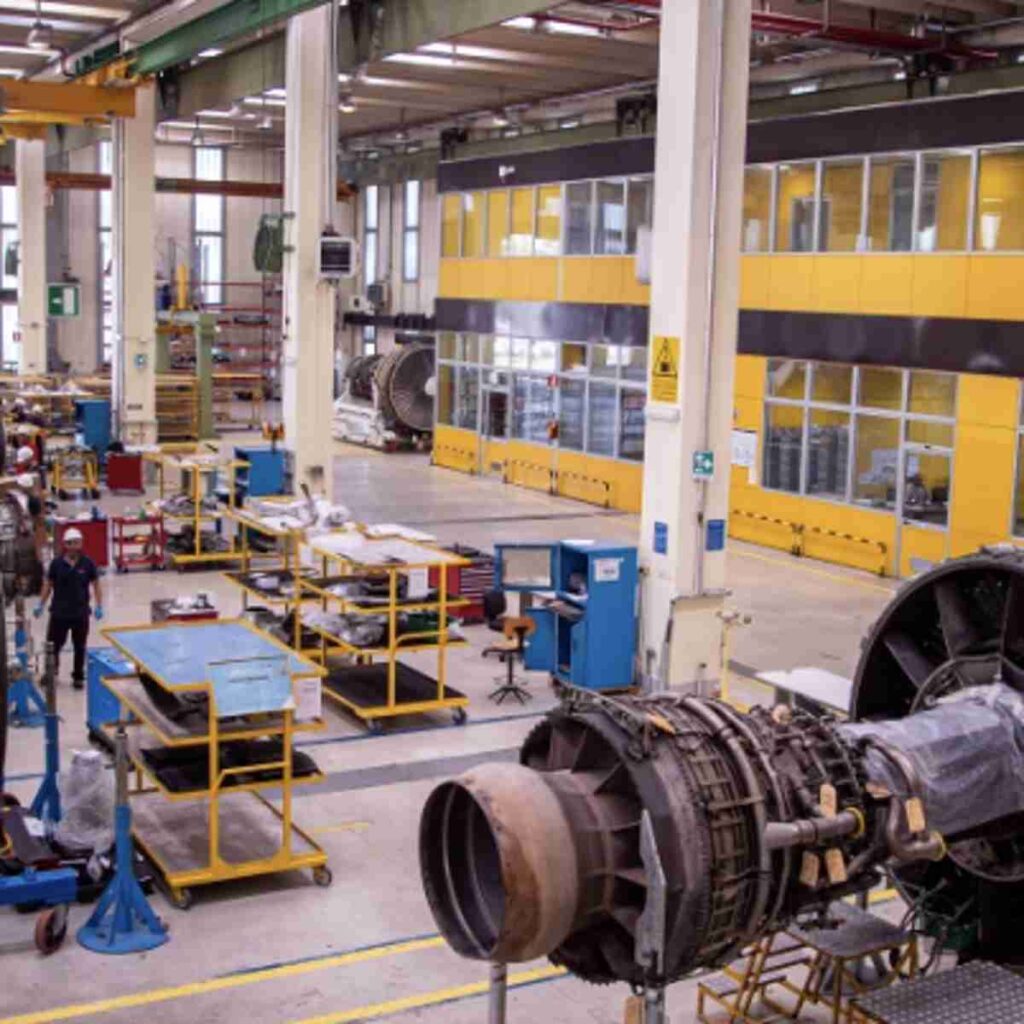
Modern aircraft generate large amounts of operational and condition data. Predictive maintenance uses historical and real-time information to identify patterns that may suggest a developing problem. Maintenance teams can use those insights alongside inspections, maintenance programs, and technical judgment when planning future work.
Aero Next Gen’s predictive maintenance for aviation and MRO resource explains how AI, machine learning, historical data, and real-time monitoring can support earlier fault detection and maintenance scheduling. These tools do not replace technicians. Instead, they can provide additional information that helps maintenance professionals act before some failures create larger operational problems.
Maintenance Records Support Aircraft Airworthiness
Aircraft maintenance creates important records. These records may include inspections, repairs, alterations, component changes, aircraft time, and return-to-service information. Future technicians and operators depend on this history when evaluating aircraft condition and determining upcoming maintenance requirements.
The FAA’s active AC 43-9D maintenance records guidance covers record-making and recordkeeping requirements under 14 CFR Parts 43 and 91. The FAA issued the current AC on September 22, 2025. Accurate documentation therefore forms an important part of aircraft maintenance rather than a separate administrative task.
Parts and Inventory Affect Maintenance Performance
Technicians cannot complete many maintenance tasks without the correct parts, tools, and materials. A team may identify a fault quickly but still face extended aircraft downtime when a required component is unavailable. Maintenance planning therefore needs close coordination with purchasing, stores, and supply chain teams.
Operators must also balance availability with inventory costs. Holding excessive stock ties up money, while carrying too little can delay repairs. Maintenance forecasts can help purchasing teams understand future demand. Better visibility gives organizations more time to source critical parts before scheduled work begins.
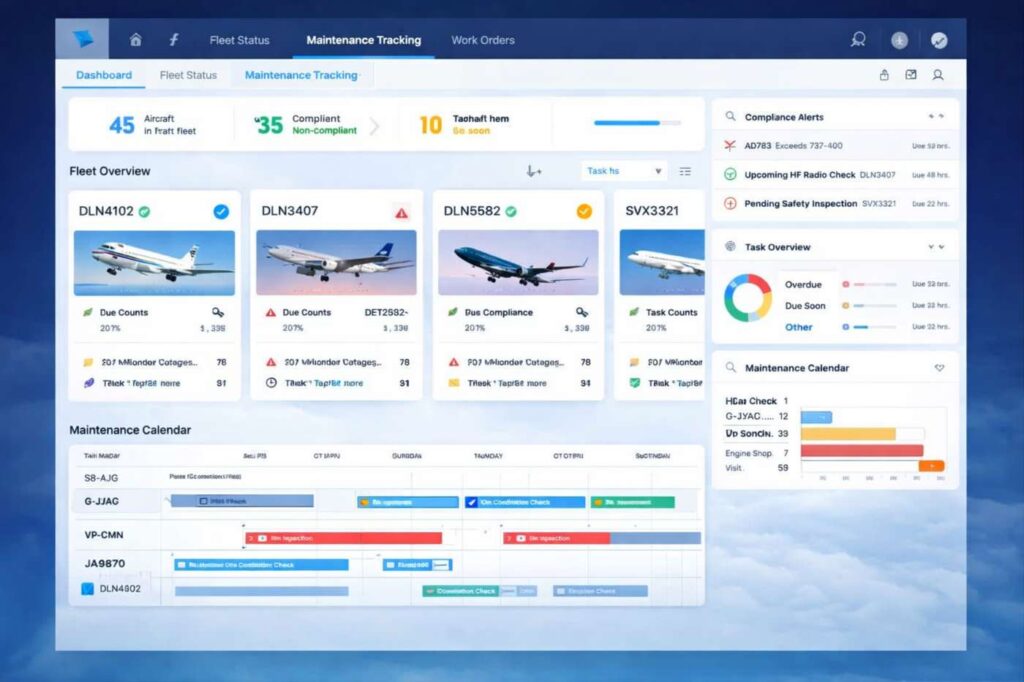
Maintenance Software Improves Operational Visibility
Modern maintenance organizations track aircraft status, inspections, work orders, components, records, parts, and upcoming requirements. As a fleet grows, spreadsheets and disconnected systems can make this information difficult to control. Digital maintenance platforms can bring these activities together and provide planners with a clearer fleet-wide view.
Aero Next Gen’s aircraft maintenance tracking programs guide covers real-time fleet visibility, component tracking, compliance information, maintenance planning, and multi-location operations. When teams can access accurate maintenance information through a connected platform, they can spend less time reconciling separate records and more time planning required work.
Aircraft Maintenance Depends on Skilled Professionals
Software and aircraft data support maintenance, but trained professionals still perform the technical work. Aircraft mechanics inspect systems, diagnose faults, replace components, perform repairs, and document completed tasks. Engineers, inspectors, maintenance planners, materials teams, and supervisors also contribute to aircraft maintenance operations.
These groups need to communicate because one maintenance event can depend on several departments. A technician may identify a repair while purchasing locates the part and planning adjusts the schedule. Strong coordination helps prevent material, documentation, or communication problems from keeping an aircraft out of service longer than necessary.

Maintenance Planning Can Reduce Aircraft Downtime
Aircraft downtime cannot always be avoided because required maintenance takes time. However, operators can reduce delays that come from poor planning. Teams can review upcoming inspections, expected parts demand, hangar capacity, technician availability, and tooling needs before the aircraft enters maintenance.
This planning becomes especially valuable across larger fleets. Several aircraft may require maintenance during the same period, creating competition for labor, parts, and facilities. Maintenance managers can use forecasts and aircraft utilization data to prepare for these periods instead of reacting after schedules become difficult to manage.
Technology Is Changing What Aircraft Maintenance Looks Like
The answer to what is aircraft maintenance continues to evolve as aviation organizations adopt connected technology. Technicians can now use mobile devices, electronic task cards, digital technical records, analytics, and maintenance tracking software. These tools can reduce manual data entry and make technical information easier to access near the aircraft.
Technology works best when it supports a strong maintenance process. A new platform cannot correct inaccurate data or poor workflows by itself. Organizations need trained people, reliable information, clear responsibilities, and appropriate technology. When these elements work together, maintenance teams can improve planning, visibility, and coordination.

Conclusion
What is aircraft maintenance? It is the complete process of inspecting, servicing, repairing, documenting, and managing aircraft so they remain safe, airworthy, and available for operation. It includes scheduled and unscheduled work, preventive maintenance, technical records, inspections, parts management, planning, and coordination between aviation professionals.
Aero Next Gen helps aviation operators and MRO organizations compare maintenance, MRO, predictive analytics, ERP, fleet, and operational technology solutions. Its vendor-neutral approach helps aviation companies identify systems that match their actual maintenance requirements. Connecting skilled maintenance teams with reliable data and suitable technology can support stronger planning, better visibility, and improved aircraft availability.