

Aircraft require inspections, repairs, component changes, engine work, and scheduled maintenance throughout their operating lives. Airlines and aircraft owners often rely on specialized organizations to perform this work. If you are asking what is an mro in aviation, an MRO is a maintenance, repair, and overhaul organization that provides technical services for aircraft, engines, components, or other aviation equipment.
An MRO can support an airline’s entire fleet or specialize in one area, such as engines, avionics, landing gear, or components. Some airlines operate their own maintenance divisions, while others outsource part or all of the work. MRO organizations combine skilled technicians, engineering support, parts, tooling, facilities, technical records, and regulatory processes to keep aircraft ready for service.

What Does MRO Stand For?
MRO stands for maintenance, repair, and overhaul. Maintenance includes scheduled inspections, servicing, and other work that keeps aircraft operating correctly. Repair focuses on correcting damage, defects, or failed components. Overhaul involves more extensive work, often including disassembly, inspection, replacement of worn parts, rebuilding, and testing.
The term can describe both the work itself and the organization performing it. This distinction matters when explaining what is an mro in aviation. An airline may talk about its MRO requirements, meaning its maintenance needs, while an independent MRO refers to the company or facility that performs those services.
What Services Does an Aviation MRO Provide?
MRO organizations can provide a wide range of services. Some handle routine line maintenance between flights, while others perform heavy maintenance that keeps aircraft out of service for longer periods. Services may include inspections, troubleshooting, structural repairs, modifications, engine work, component replacement, cabin work, and technical record support.
The exact service mix depends on the MRO’s capabilities and approvals. One organization may specialize in complete aircraft maintenance, while another focuses only on engines or components. Large providers may operate several facilities and support many aircraft types, while smaller repair stations can focus on highly specialized work.

Line Maintenance Supports Daily Flight Operations
Line maintenance usually takes place close to normal flight operations. Technicians may inspect aircraft, correct minor defects, replace components, service fluids, or investigate issues reported by flight crews. The work often needs to fit between scheduled flights, so coordination and quick access to parts and technical information matter.
Line maintenance teams still follow approved procedures and documentation requirements even when time is limited. A small technical issue can delay a flight when teams cannot find the correct part or information quickly. Strong MRO processes help technicians complete required work without creating unnecessary disruption to the flight schedule.
Heavy Maintenance Requires More Planning
Heavy maintenance involves more extensive inspections and repairs. Teams may open areas of the aircraft that technicians do not routinely access during normal line maintenance. Work can include structural inspections, corrosion checks, major component changes, modifications, and detailed testing.
These events require careful planning because aircraft can remain unavailable for days or longer. MRO planners need to coordinate technicians, hangar space, tools, materials, engineering support, and technical documents. Unexpected findings can also add work, so the organization needs enough flexibility to respond without losing control of the schedule.
Component and Engine MROs Provide Specialized Services
Many aviation MROs specialize in components rather than complete aircraft. These organizations may repair avionics, brakes, wheels, landing gear, hydraulic equipment, instruments, or other aircraft systems. Component shops often track individual units by serial number and maintain detailed histories of inspections, repairs, and installations.
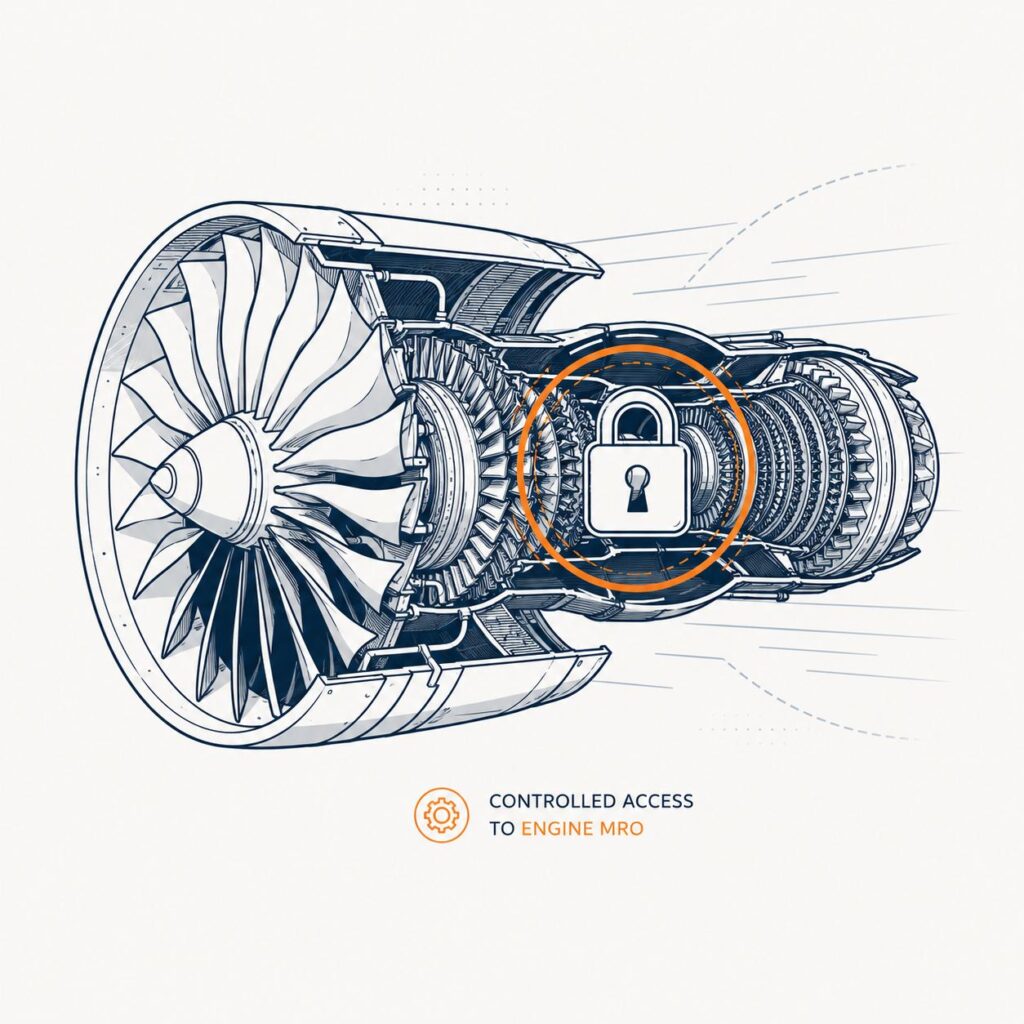
Engine MRO requires another level of specialization. Engines contain complex systems and high-value parts that need precise inspection and testing. Major engine work can involve disassembly, cleaning, inspection, repair, replacement, reassembly, and performance testing. These services require specialized equipment and highly trained technicians.
How Are MRO Organizations Regulated?
Aviation maintenance operates within strict regulatory frameworks. In the United States, facilities certificated under 14 CFR Part 145 operate as FAA repair stations. The FAA’s Part 145 repair station guidance states that these facilities perform maintenance, inspection, and alteration work on aircraft and aircraft products within their approved ratings.
The FAA also limits repair stations to the functions they are approved to perform. Ratings can cover areas such as airframes, powerplants, propellers, radios, instruments, and accessories. This structure helps explain what is an mro in aviation from a regulatory perspective. An MRO cannot simply perform every type of maintenance without the required capability and approval.
Parts and Inventory Are Critical to MRO Performance
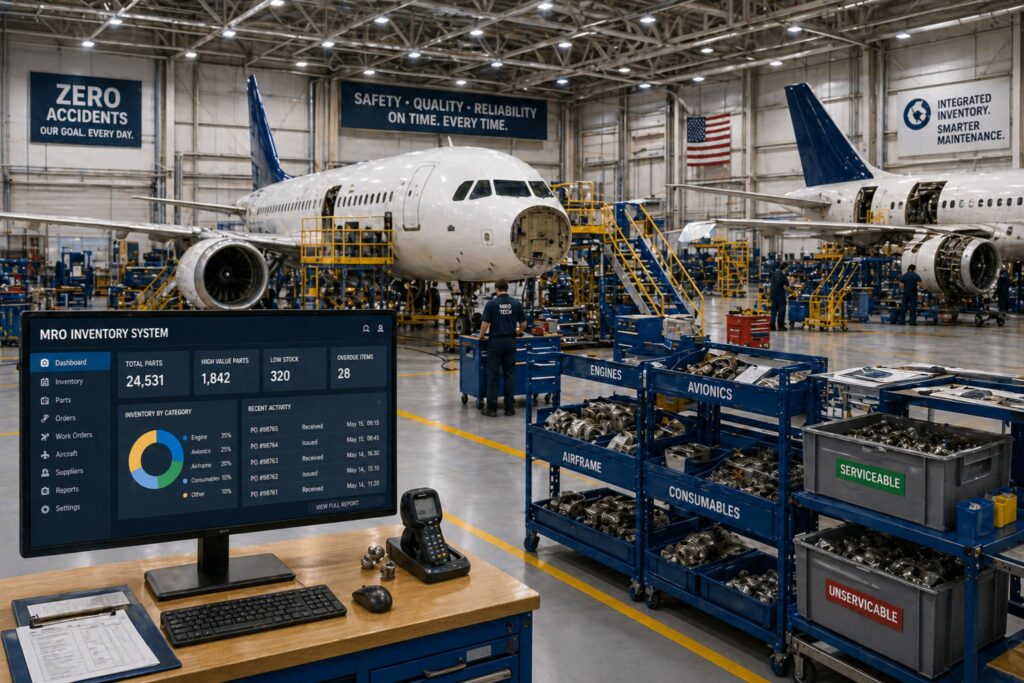
Maintenance cannot move forward without the correct parts, materials, and tools. A technician may know exactly how to repair an aircraft but still face a delay when the required component is unavailable. MRO organizations therefore need strong coordination between maintenance planning, inventory, purchasing, and suppliers.
Inventory management also creates financial pressure. Holding too many parts ties up capital, while carrying too little stock can increase aircraft downtime. MROs use demand history, scheduled maintenance, supplier lead times, and repair data to improve planning. Better material visibility can reduce time lost while technicians wait for required parts.
MRO Software Connects Maintenance Operations
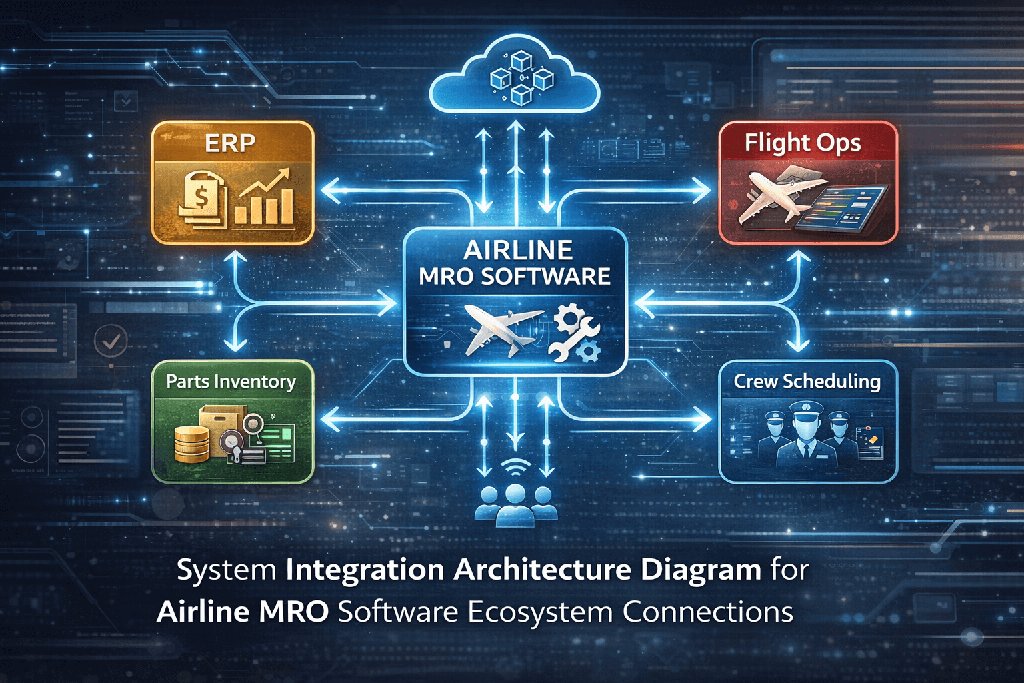
Modern MROs manage large amounts of information. Teams need to track work orders, parts, labor, aircraft status, component histories, technical records, inspections, and customer requirements. Digital platforms can bring this information together and give planners and technicians a clearer view of work in progress.
Aero Next Gen’s aircraft maintenance software framework for MROs explains how software needs can differ between line, base, component, and engine maintenance operations. A component shop may need different workflows from an organization performing heavy aircraft checks, so software selection should reflect the actual MRO environment.
Turnaround Time Matters to MRO Customers
Turnaround time measures how long an aircraft, engine, or component remains within the maintenance process before returning to the customer. Airlines and operators care about turnaround time because long maintenance events can reduce fleet availability. MROs therefore need to complete work efficiently without compromising technical standards.
Delays can come from unexpected findings, parts shortages, labor constraints, engineering approvals, or incomplete information. Strong planning helps reduce avoidable delays. Digital work orders, better inventory visibility, and accurate maintenance records can also help teams identify obstacles earlier and keep work moving through the facility.
Skilled People Remain Central to MRO Operations
Technology supports maintenance, but skilled people remain at the center of every MRO. Aircraft mechanics perform inspections and repairs, engineers support technical decisions, planners organize work, inspectors review completed tasks, and materials teams manage parts. Supervisors and managers coordinate these activities across the facility.
MRO organizations also need ongoing training because aircraft, regulations, and maintenance technology change over time. Technicians may work with new aircraft types, digital task cards, advanced diagnostic equipment, and connected maintenance systems. Strong MRO performance comes from combining technical skill with reliable processes and useful information.
Why MROs Matter to Aircraft Operators
Operators depend on MRO organizations to keep aircraft and components serviceable throughout their useful lives. Good maintenance protects aircraft availability and helps operators plan around inspections, repairs, and component requirements. It also gives fleet managers better information about upcoming maintenance demand and potential downtime.
This is why what is an mro in aviation is more than a definition of maintenance work. An MRO acts as part of the wider aviation operating system. Its technicians, planners, parts teams, software, facilities, and quality processes all contribute to keeping aircraft available for commercial, business, cargo, military, and other missions.
Conclusion
What is an mro in aviation? It is an organization that provides maintenance, repair, and overhaul services for aircraft, engines, components, and related aviation equipment. MROs can perform line maintenance, heavy checks, component repairs, engine work, inspections, and other technical services. Their work depends on skilled employees, accurate records, available parts, strong planning, and regulatory compliance.
Aero Next Gen helps MROs and other aviation organizations compare maintenance, ERP, inventory, analytics, and operational technology solutions. Its vendor-neutral approach can help maintenance organizations identify systems that match their specific workflows, whether they operate line, base, component, or engine maintenance environments.