Businesses that operate several cars, vans, trucks, service vehicles, or specialized equipment need a reliable way to manage them as a group. If you are asking what is a fleet vehicle, it is a vehicle that belongs to, is leased by, or is regularly operated by an organization as part of a managed group of vehicles. Companies use fleet vehicles to move employees, equipment, customers, parts, or supplies while supporting daily operations.
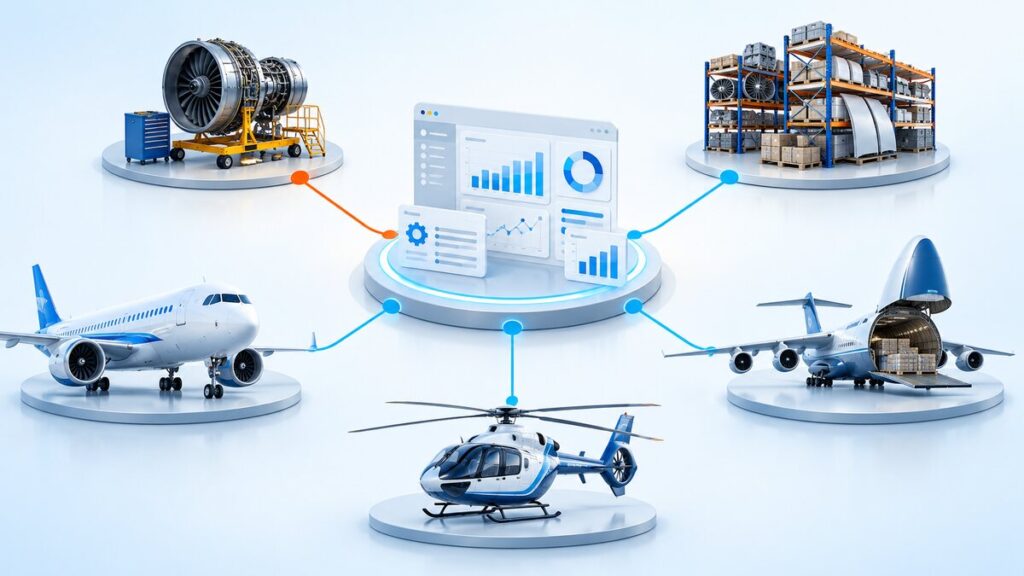
In aviation, fleet vehicles play an important supporting role alongside aircraft. Airports, airlines, MRO facilities, FBOs, and ground handling companies may operate service vans, maintenance trucks, crew vehicles, tugs, fuel vehicles, and other ground equipment. Managing these assets effectively helps organizations control maintenance, fuel, utilization, availability, and operating costs across the wider aviation operation.
How A Fleet Vehicle Differs From A Personal Vehicle
A personal vehicle usually serves one owner or household. A fleet vehicle serves an organization and supports a business or operational purpose. A company may own the vehicle outright, lease it, or use it through a fleet service agreement. The organization usually controls maintenance schedules, usage policies, fuel spending, insurance, and replacement decisions.
The U.S. General Services Administration manages one of the country’s largest vehicle fleets and provides a useful example of structured fleet operations. Its fleet management program covers vehicle purchasing, leasing, maintenance, fuel services, and fleet information systems. This shows how managing multiple vehicles requires more coordination than simply owning several individual cars or trucks.
Fleet Vehicles Come In Many Forms
Fleet vehicles can include passenger cars, pickup trucks, vans, buses, delivery vehicles, maintenance trucks, and other specialized equipment. The right mix depends on what the organization needs to accomplish. A delivery company may rely heavily on vans, while a construction business may operate pickups and heavy-duty trucks.
Aviation organizations can have even more specialized requirements. An airport may operate maintenance vehicles, passenger transport vehicles, emergency equipment, and service trucks. MRO facilities may use vehicles to move technicians, tooling, and parts between hangars or storage areas. Ground handling companies may also manage equipment that operates continuously around aircraft.
Fleet Vehicles Support Aviation Ground Operations
Aircraft are only one part of an aviation operation. Ground teams need transportation and equipment to support arrivals, departures, maintenance, fueling, baggage handling, and other activities. Fleet vehicles help move people and resources where they are needed across large airport or maintenance environments.
For aviation businesses asking what is a fleet vehicle in their own operation, the answer may include more than road vehicles. Ground support equipment can also behave like a fleet because organizations need to track its location, condition, availability, and maintenance. This makes fleet management relevant to airports, MROs, airlines, and service providers as well as traditional road transportation companies.
Fleet Maintenance Keeps Vehicles Available
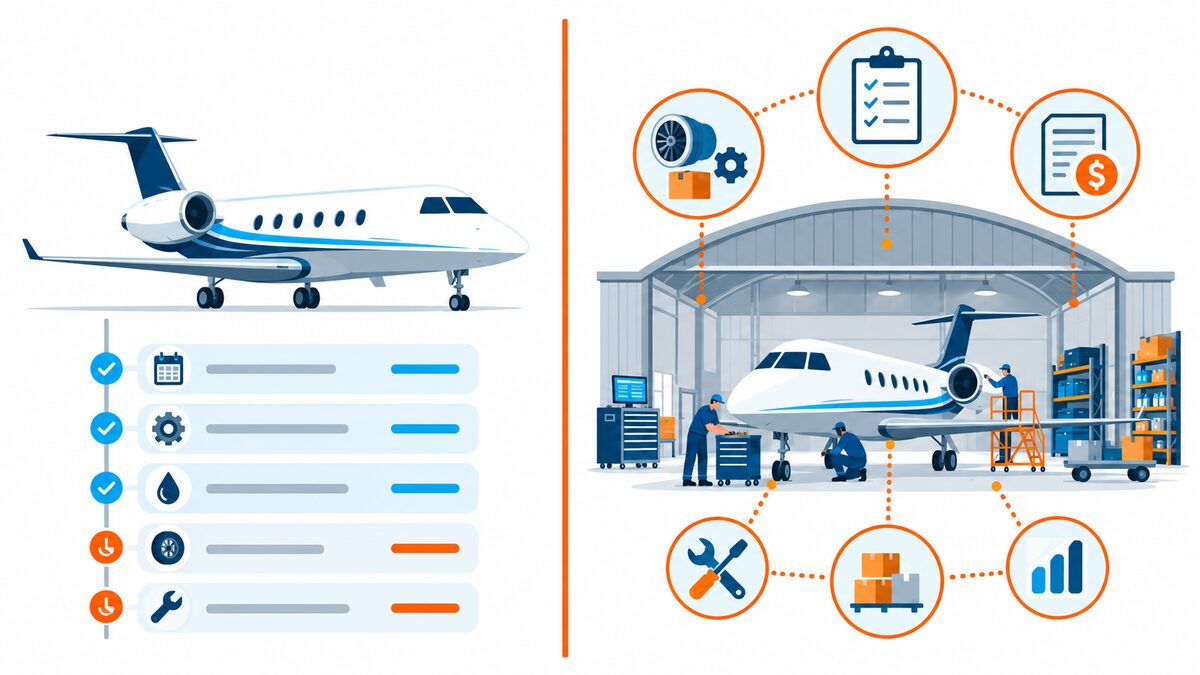
Fleet vehicles require routine maintenance just like other mechanical assets. Oil changes, tires, brakes, inspections, batteries, fluid services, and repairs all affect whether a vehicle remains ready for use. Organizations need a process for scheduling maintenance without removing too many vehicles from service at once.
Maintenance records also help managers identify recurring problems. One vehicle may require frequent repairs while another remains reliable. Over time, this information can help the organization decide when repairing an aging vehicle costs more than replacing it. Strong maintenance planning supports both availability and cost control.
Vehicle Utilization Matters To Fleet Performance
Fleet managers need to know how much each vehicle is actually being used. One vehicle may accumulate mileage quickly while another spends most of its time parked. Poor utilization can increase costs because the organization pays to own, insure, maintain, and store assets that provide little operational value.
Tracking usage also helps organizations choose the right fleet size. If several vehicles remain underused, the business may be able to reduce the fleet. If vehicles consistently operate near capacity, the organization may need additional assets. Utilization data turns fleet planning into a measurable business decision rather than a guess.
Fuel Costs Need Ongoing Attention
Fuel can become a significant expense across a large fleet. Managers may track fuel consumption by vehicle, driver, department, or location. Sudden changes can indicate inefficient operating behavior, mechanical problems, excessive idling, or changes in the type of work the vehicle performs.
Aviation organizations may need to monitor fuel across both road vehicles and specialized ground equipment. Small improvements can become meaningful when dozens or hundreds of assets operate every day. Combining fuel information with maintenance and utilization data gives managers a clearer picture of the true operating cost of each vehicle.
Tracking Technology Improves Fleet Visibility
Modern fleet systems can use GPS, RFID, Bluetooth, telematics, and other technologies to monitor where assets are and how they are being used. Managers can use this information to locate vehicles, review utilization, monitor movement, and improve operational planning.
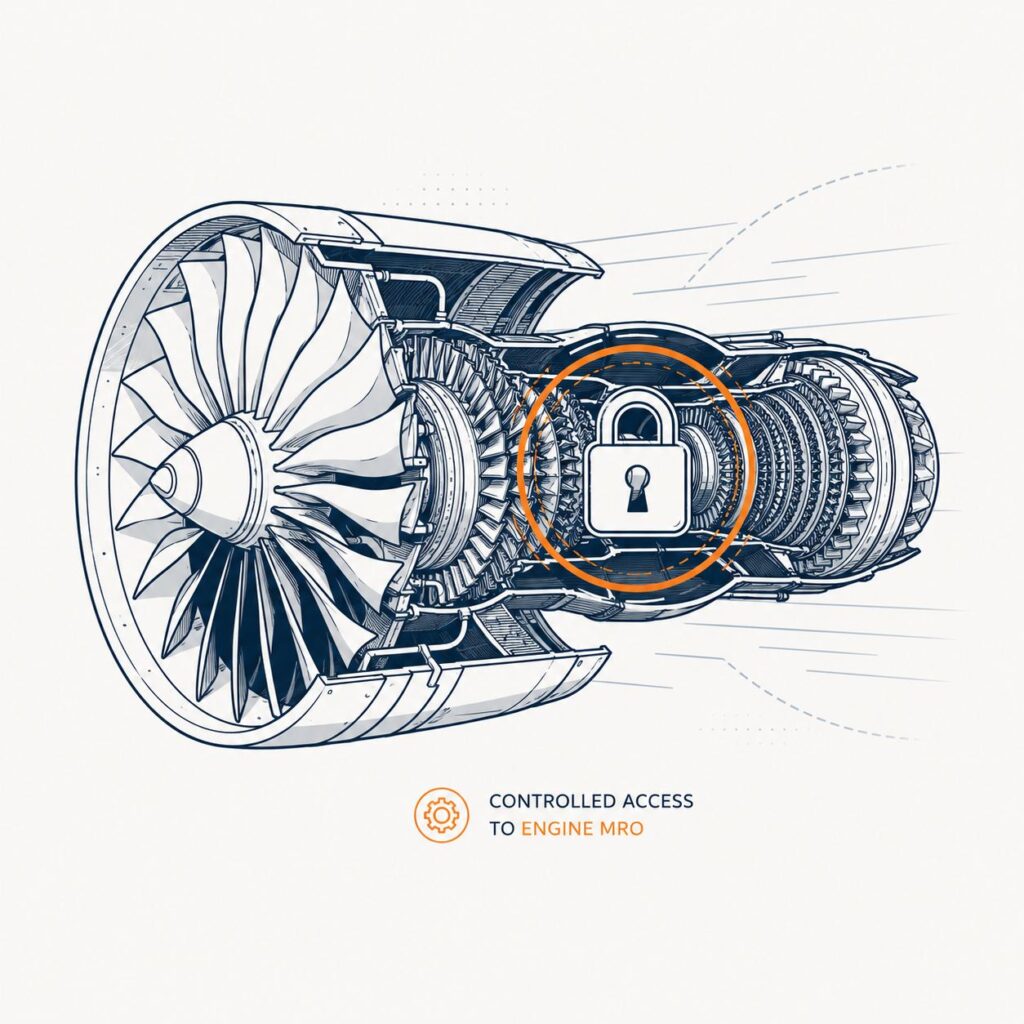
Aero Next Gen’s Synapses BlueGPS profile provides an aviation-specific example. The platform tracks tools, ground support equipment, materials, work zones, and maintenance activity through technologies such as GPS, RFID, BLE, and UWB. This type of location intelligence shows how fleet-style tracking can support complex aviation maintenance and ground operations.
Fleet Management Software Brings Data Together
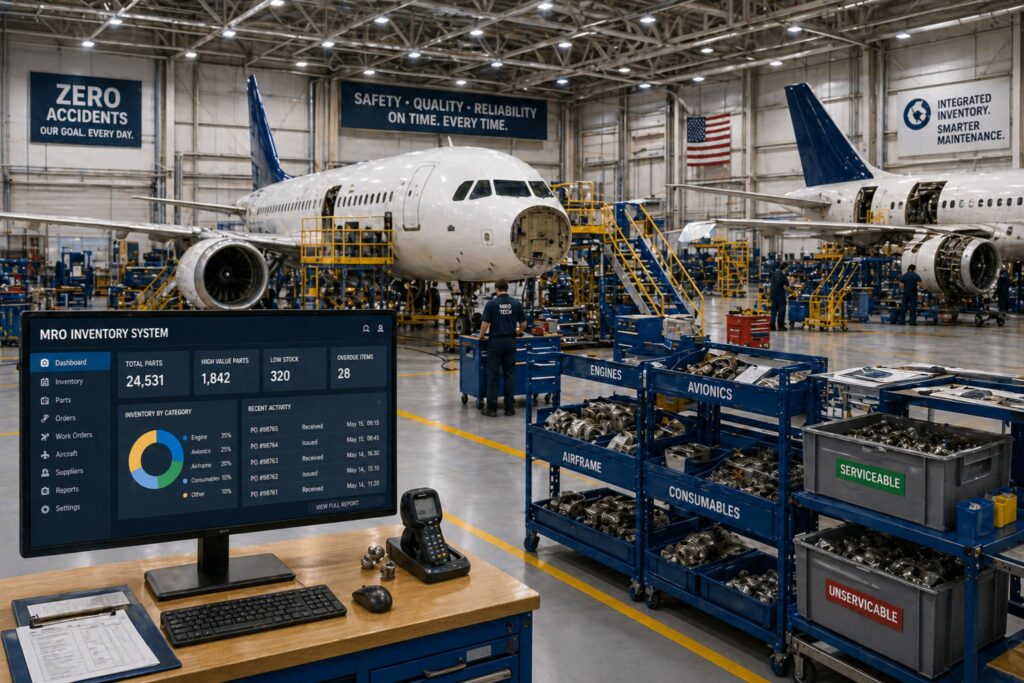
Organizations can manage small fleets with basic records, but larger operations usually need a more structured system. Fleet management software can combine vehicle details, mileage, maintenance schedules, expenses, fuel use, availability, and other information in one platform. Alerts can also help managers identify upcoming service requirements before they create downtime.
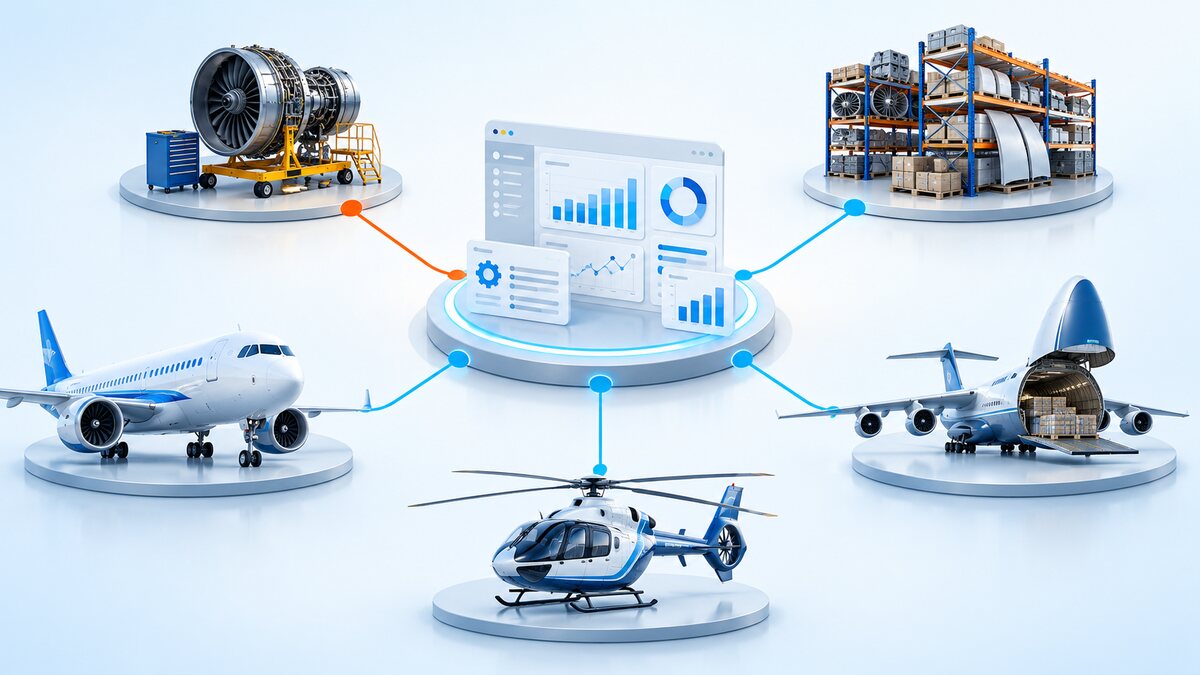
Aero Next Gen’s aviation technology ecosystem includes real-time tracking, ERP, analytics, predictive maintenance, and other technologies that help organizations connect operational information. The same principle applies to fleet vehicles. Better data allows managers to see how assets perform instead of managing each vehicle as an isolated unit.
Fleet Vehicles Create Costs Beyond Purchase Price
The purchase or lease payment represents only part of a vehicle’s cost. Organizations also need to consider maintenance, fuel, insurance, registration, tires, repairs, depreciation, and administrative expenses. Specialized vehicles can create additional costs because they may require unique parts, equipment, or training.
Understanding what is a fleet vehicle therefore also means understanding lifecycle cost. A low purchase price does not automatically make a vehicle economical. A more expensive vehicle may provide better reliability, lower maintenance expenses, or greater productivity. Fleet managers need to evaluate the complete operating picture before making replacement or acquisition decisions.
Fleet Replacement Requires Long-Term Planning
Vehicles eventually become more expensive to maintain as mileage and age increase. Breakdowns may become more frequent, while newer vehicles may offer better efficiency, safety features, or operating technology. Fleet managers need replacement criteria that consider both asset condition and business requirements.
The GSA, for example, uses defined replacement criteria across different types of fleet vehicles. Its vehicle leasing program combines acquisition, maintenance control, fuel services, accident management, and fleet data. Organizations do not need to follow federal replacement rules, but the model shows the value of managing vehicles across their full lifecycle rather than waiting for failures.
Conclusion
So, what is a fleet vehicle? It is a vehicle that an organization owns, leases, or operates as part of a managed group of assets. Fleet vehicles may include cars, vans, trucks, buses, service vehicles, and specialized equipment. Effective management requires attention to maintenance, fuel, utilization, tracking, costs, and replacement planning.
For aviation businesses, fleet visibility can extend beyond aircraft to ground vehicles, tools, and support equipment. Aero Next Gen helps aviation organizations identify technology for fleet tracking, maintenance, ERP, analytics, and other operational needs. Connecting these assets through better data can help airports, MROs, operators, and aviation service providers improve availability and make stronger long-term fleet decisions.