
Flight crews need more than technical flying skills to manage an aircraft safely. They must communicate clearly, divide tasks, monitor changing conditions, make decisions, and respond when plans no longer work. If you are asking what tool does crew resource management provide to flight crews, the answer is not one physical tool. Crew Resource Management, or CRM, provides a set of practical human-performance tools that help crews use people, information, equipment, and procedures effectively.
These tools include communication techniques, situational awareness, decision-making, workload management, leadership, teamwork, and error management. CRM helps crews apply these skills during routine flights and high-pressure situations. The goal is to improve coordination and reduce the chance that human errors develop into larger operational problems.

CRM Provides a Set of Nontechnical Tools
Crew Resource Management focuses on how people work together. Pilots already receive technical training on aircraft systems, procedures, and flight controls. CRM adds another layer by helping them coordinate those technical skills as a team. It encourages crews to share information, challenge assumptions, assign responsibilities, and make decisions with all available resources.
The FAA’s Crew Resource Management Training guidance identifies CRM as an important part of aviation training. FAA material links CRM with communication, decision-making, situational awareness, teamwork, workload management, and the effective use of available resources. These skills form the practical toolkit that flight crews apply throughout a flight.
Communication Helps Crews Share Critical Information
People searching for what tool does crew resource management provide to flight crews should know that communication is one of the most important CRM tools. Flight crews constantly exchange information about aircraft status, weather, navigation, fuel, traffic, and operating conditions. Clear communication helps both pilots maintain the same understanding of what is happening. It also gives crew members a structured way to question information when something does not appear correct.
CRM encourages inquiry, advocacy, and appropriate assertiveness. A first officer should feel able to raise a safety concern, while a captain should create an environment where useful input receives attention. Effective communication also includes listening and confirming important information. This reduces the chance that assumptions or incomplete messages influence a critical decision.
Situational Awareness Keeps the Crew Ahead
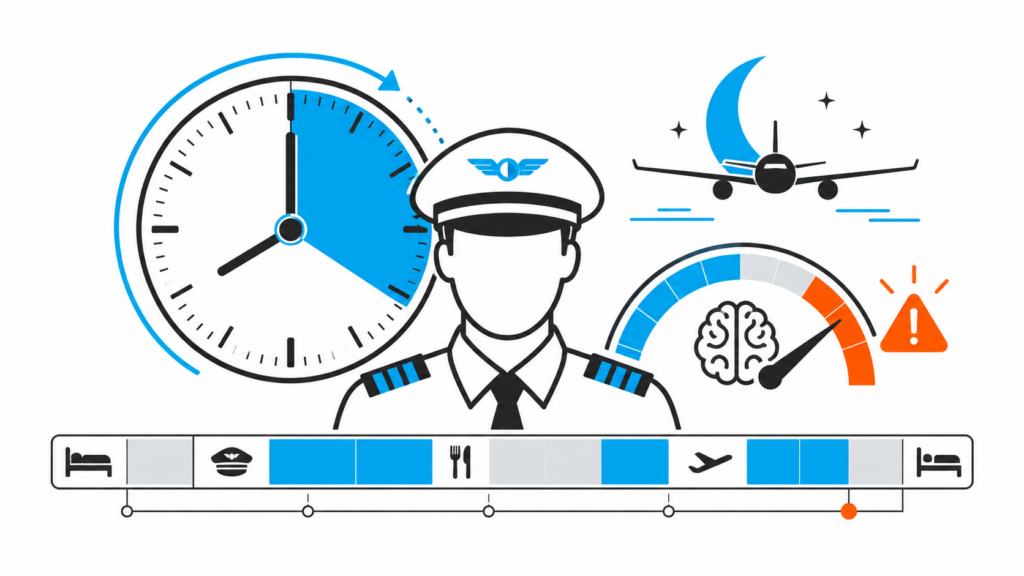
Another answer to what tool does crew resource management provide to flight crews is situational awareness. Crews need to understand the aircraft’s position, condition, flight path, weather, traffic, fuel state, and expected developments. Good situational awareness means understanding what is happening now while also considering what may happen next.
CRM helps pilots maintain this awareness by sharing observations and monitoring each other. The pilot flying may focus on controlling the aircraft while the pilot monitoring watches instruments, communications, and flight progress. When both pilots maintain a shared mental picture, the crew has a better chance of noticing an unexpected change before it becomes difficult to manage.
Decision-Making Gives Crews a Structured Process
People searching for what tool does crew resource management provide to flight crews should understand that flight crews sometimes need to make important decisions with limited time and incomplete information. Weather can deteriorate, equipment can fail, or an airport can become unavailable. CRM encourages crews to identify the problem, gather useful information, consider options, assess risk, choose a course of action, and continue monitoring the result.
The process also encourages crews to use resources outside the cockpit. Dispatchers, maintenance teams, air traffic controllers, cabin crews, and company operations staff may provide valuable information. Aero Next Gen’s flight operations software guide shows how dispatch, crew, and operational systems increasingly connect this information across an airline’s operations.
Workload Management Helps Prevent Task Saturation
Workload changes throughout a flight. A clear answer to what tool does crew resource management provide to flight crews involves knwoing that departure, approach, poor weather, technical problems, and busy airspace can create periods where several tasks demand attention at once. CRM teaches crews to prioritize tasks and divide responsibilities instead of allowing one person to become overloaded. Crews can delay nonessential work when immediate aircraft control requires more attention.
Automation can also help crews manage workload when they use it correctly. However, pilots still need to monitor aircraft behavior and understand what the automation is doing. CRM encourages crews to select the level of automation that supports the situation rather than allowing automation itself to create confusion. This balance protects both workload management and situational awareness.

Leadership and Assertiveness Strengthen Teamwork
Leadership is another important part of what tool does crew resource management provide to flight crews. The captain remains responsible for leading the flight crew, but strong leadership does not mean making every decision without input. Effective leaders communicate plans, invite relevant information, assign duties clearly, and create an environment where other crew members can raise concerns.
Assertiveness supports that leadership structure. A crew member who identifies a serious concern needs to communicate it clearly rather than remaining silent because of rank or experience differences. CRM helps crews balance authority with teamwork. The captain leads the operation, while every crew member contributes to monitoring and safe decision-making.
CRM Helps Crews Manage Threats and Errors
Flights regularly face threats that crews cannot completely remove. Therefore, to answer what tool does crew resource management provide to flight crews, it’s necessary to know that weather, congestion, equipment faults, fatigue, time pressure, and operational changes can increase workload or risk. CRM gives crews tools to recognize these threats early and adjust their plan. Good communication and situational awareness can prevent a manageable threat from becoming a larger problem.
Errors can still happen even when crews have strong training. CRM therefore emphasizes detecting and correcting mistakes. One pilot may catch an incorrect setting or notice that the aircraft is not following the expected path. Monitoring and cross-checking allow the crew to correct the error before it creates a more serious outcome. This makes error management a practical part of CRM rather than an attempt to expect perfect human performance.
Technology Can Support Crew Resource Management
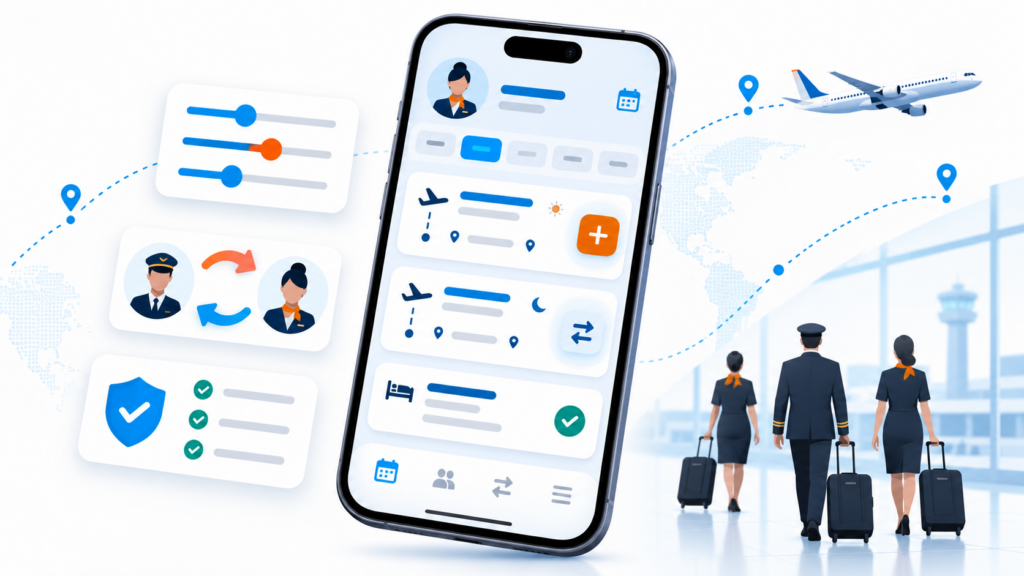
CRM remains a human-performance concept, but technology can improve access to the information crews need. Modern flight operations systems can connect schedules, crew qualifications, dispatch information, training records, and disruption management. Better information flow can reduce the amount of time crews and operations teams spend searching for updates during changing conditions.
Aero Next Gen’s crew management software evaluation framework covers areas such as rostering, fatigue risk, qualifications, disruptions, and integrations with dispatch and operations systems. These platforms do not replace CRM skills. Instead, they can give crews and operational teams better information to support communication, planning, and coordinated decisions.
CRM Skills Require Continued Training
Understanding what tool does crew resource management provide to flight crews is only useful when crews practice those tools. CRM works best when airlines integrate communication, workload management, decision-making, and situational awareness into normal and recurrent training. Scenario-based exercises can give crews opportunities to apply these skills under realistic operational pressure.
Recurrent practice also helps crews adapt as aircraft, automation, and company procedures change. A crew may understand CRM concepts in a classroom but struggle to apply them when several problems happen at once. Training helps turn CRM principles into routine behavior that pilots can use during both normal operations and unusual events.
Conclusion
What tool does crew resource management provide to flight crews? CRM provides a practical set of nontechnical tools rather than one device or checklist. These tools include communication, situational awareness, structured decision-making, workload management, leadership, teamwork, monitoring, and error management. Together, they help crews use all available resources more effectively and respond more consistently when operating conditions change.
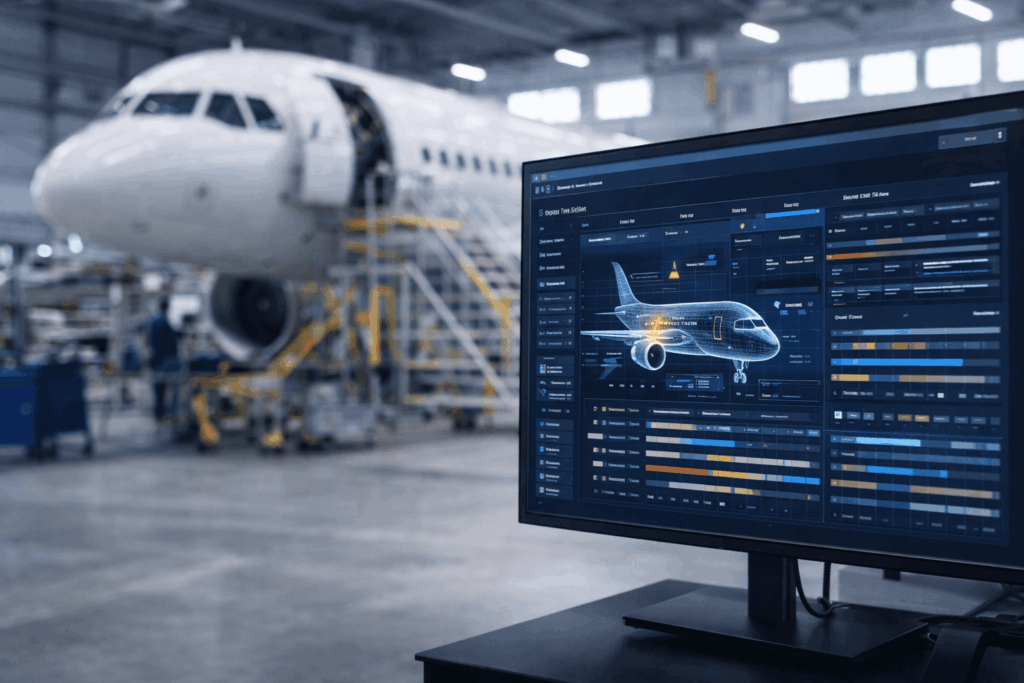
Aero Next Gen helps aviation organizations evaluate crew management, flight operations, safety, training, and other aviation technology solutions. The right systems can improve access to operational information while CRM provides the human skills needed to use that information effectively. Combining reliable technology with strong crew coordination can support better communication and more informed operational decisions.