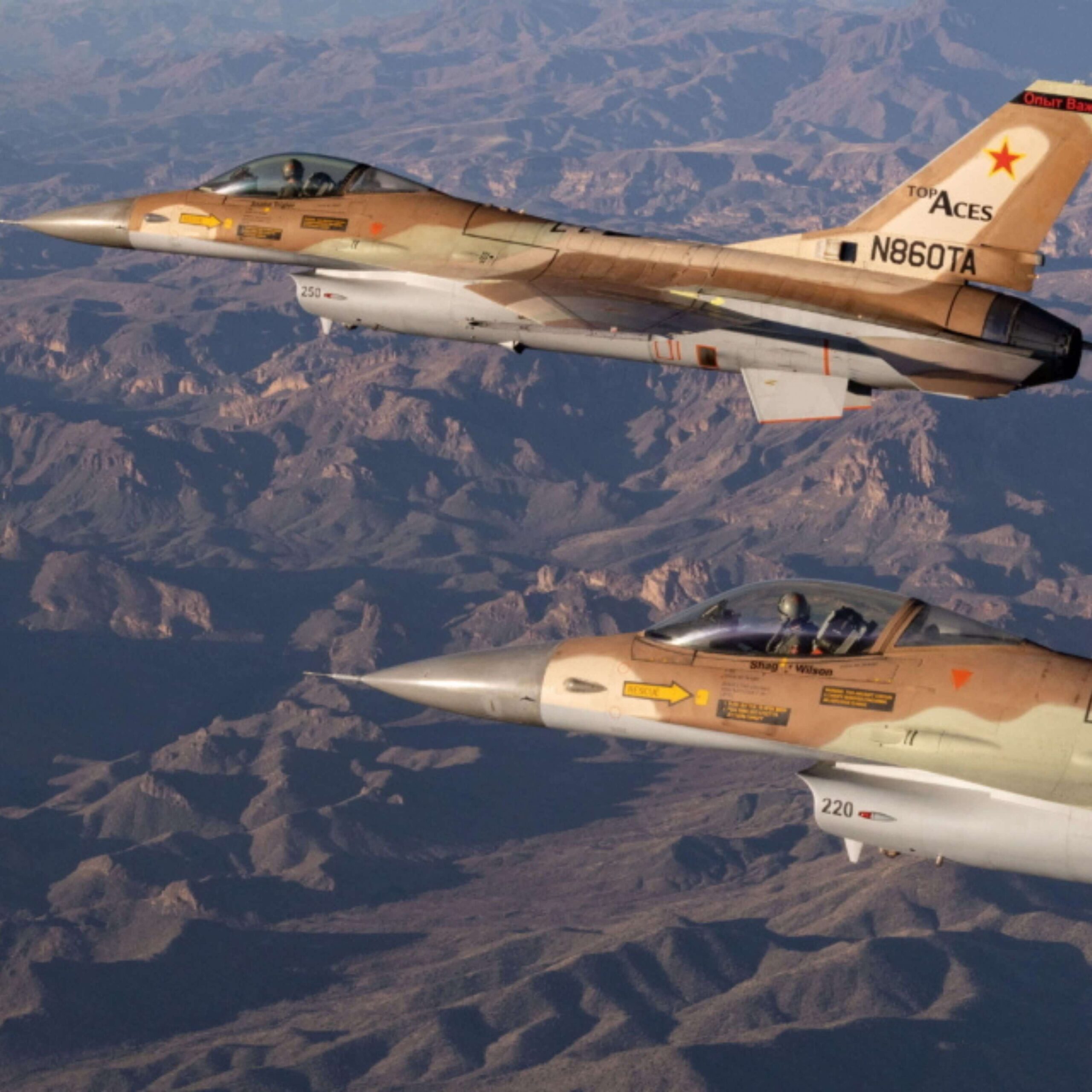
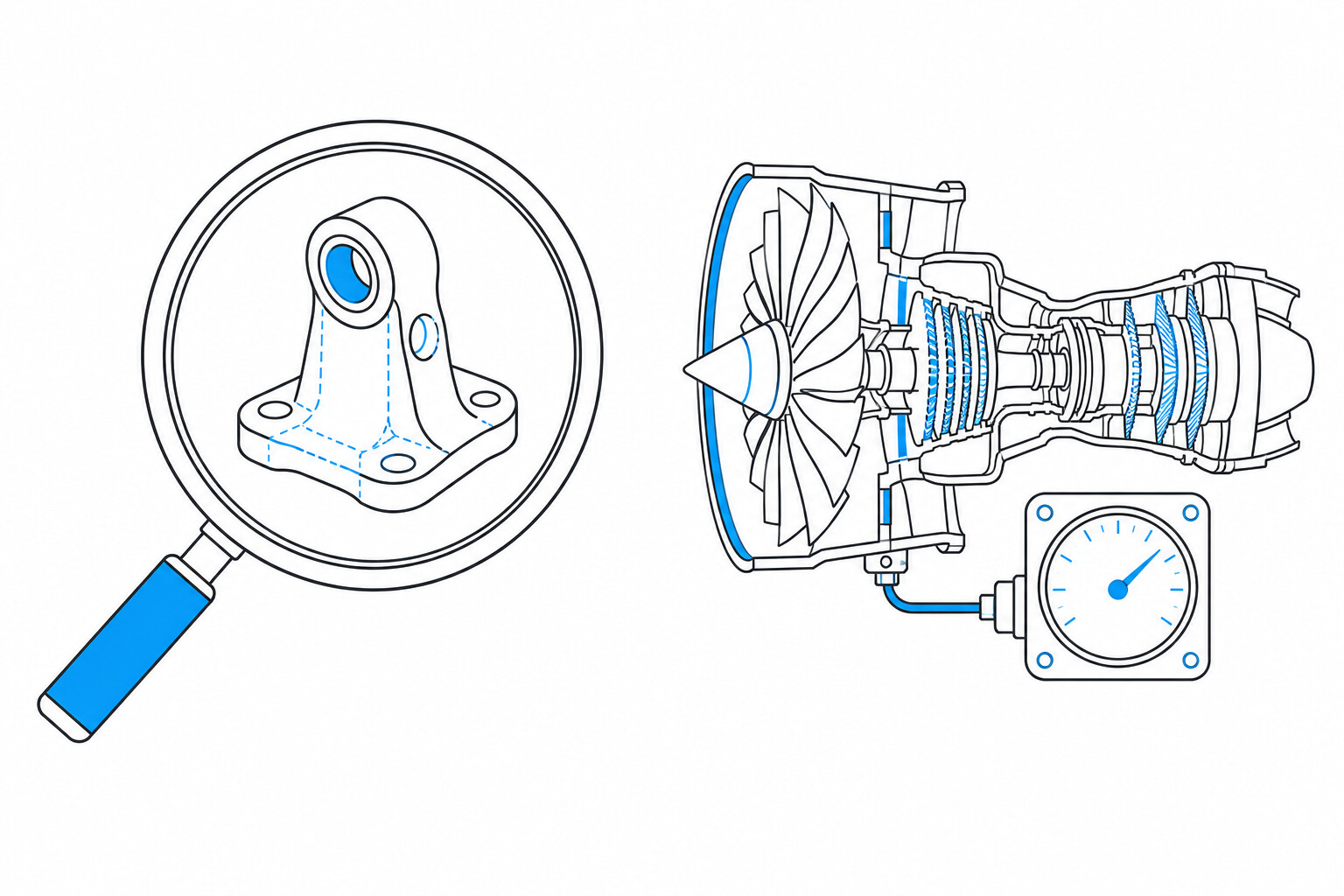
Aircraft can fly because engineers understand how air, forces, propulsion, structures, and control systems work together. If you are asking what does aeronautics mean, aeronautics is the science, engineering, and study of flight within Earth’s atmosphere. It covers how aircraft are designed, tested, controlled, powered, and improved for different types of aviation operations.
Understanding what does aeronautics mean also helps separate the term from aviation. Aviation describes the wider activity and industry surrounding aircraft and flight, while aeronautics focuses more closely on the scientific and technical principles that make flight possible. Aerodynamics, propulsion, aircraft structures, flight mechanics, controls, testing, and performance all fall within aeronautics.
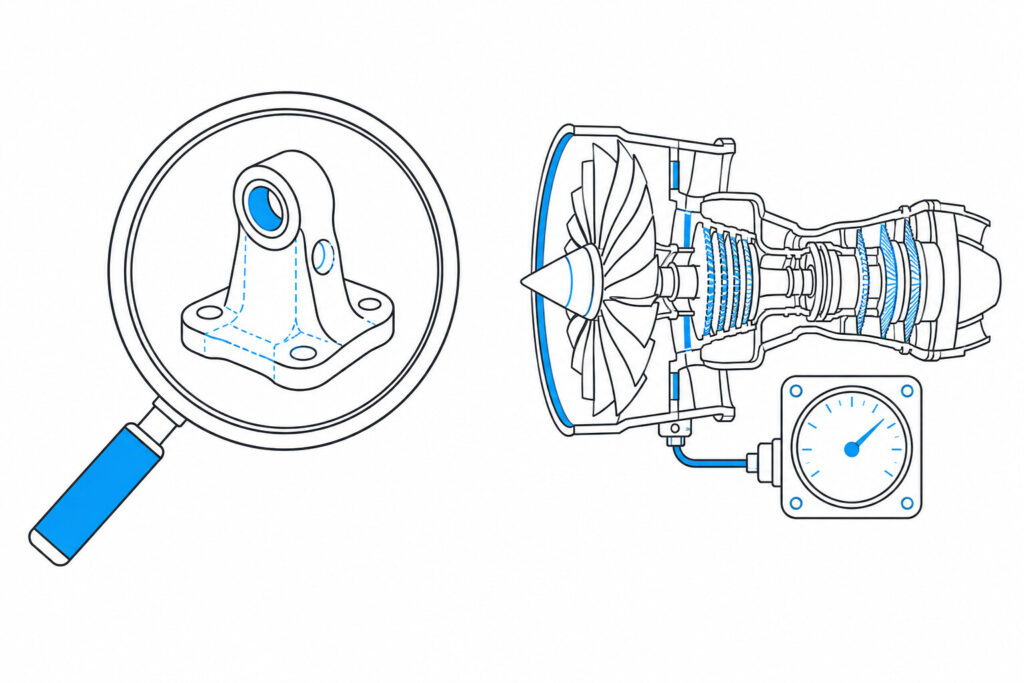
Aeronautics Is The Science Behind Flight
Aeronautics examines how objects move through the atmosphere and how engineers can design aircraft to perform safely and efficiently. It includes airplanes, helicopters, drones, and other vehicles that operate in the air. Researchers study the forces acting on these aircraft and how different designs influence their performance.
This scientific focus is central to what does aeronautics mean. NASA describes aeronautics as the study of flight and the workings of aircraft. Engineers use mathematics, physics, testing, simulation, and real flight data to understand aircraft behavior and develop designs that can meet specific operating requirements.
Aerodynamics Explains How Aircraft Move Through Air
Aerodynamics studies how air flows around an aircraft. Four major forces affect an airplane in flight: lift, weight, thrust, and drag. Wings generate lift, engines provide thrust, gravity produces weight, and aerodynamic resistance creates drag. Aircraft design must manage these forces throughout takeoff, cruise, maneuvering, and landing.
Aerodynamics provides one of the clearest answers to what does aeronautics mean because aircraft shape directly affects flight performance. Engineers study wings, fuselages, control surfaces, and other structures to manage airflow. Small changes in shape can influence efficiency, speed, stability, fuel consumption, and handling characteristics.
Propulsion Provides The Power For Flight
Aircraft need a source of power to produce thrust. Depending on the aircraft, propulsion may come from piston engines, turboprops, turbojets, turbofans, electric motors, or other systems. Engineers must match the propulsion system with the aircraft’s size, mission, range, speed, and operating environment.
Propulsion is therefore another important part of what does aeronautics mean. Engineers study how engines generate thrust, consume fuel, manage heat, and perform at different altitudes and speeds. Improvements in propulsion can increase range, reduce fuel use, lower emissions, and allow aircraft to perform missions that older designs could not support.
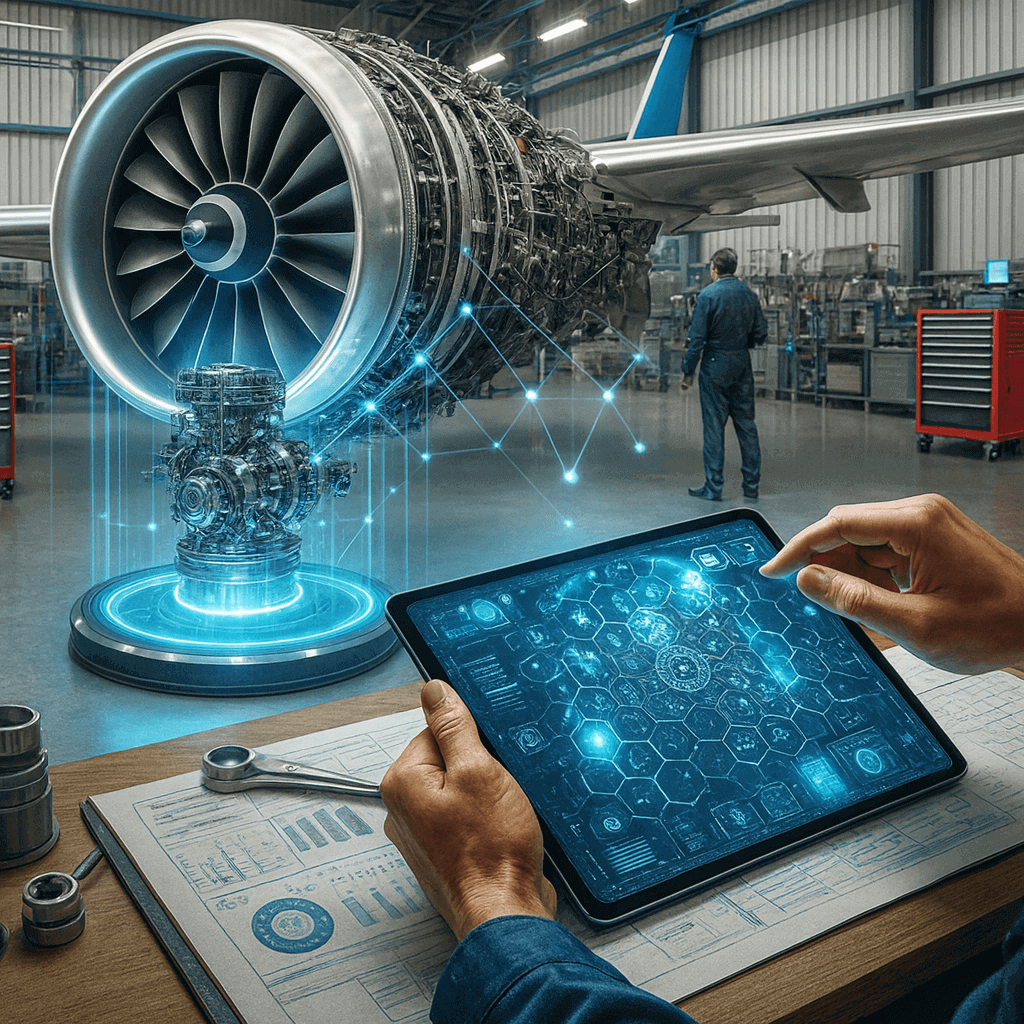
Aircraft Structures Must Handle Flight Loads
Aircraft structures need to remain strong enough to withstand flight loads while remaining as light as practical. Wings, fuselages, tails, landing gear, and other components experience forces during takeoff, turbulence, maneuvering, landing, and normal operation. Engineers calculate these loads when designing the aircraft.
Materials science also plays an important role in what does aeronautics mean. Aluminum alloys, titanium, composites, and other materials may be selected according to strength, weight, corrosion resistance, temperature, and manufacturing requirements. Better materials can reduce aircraft weight while maintaining the structural performance required for safe operation.
Flight Controls Determine How Aircraft Respond
Pilots control an aircraft through systems that influence pitch, roll, and yaw. Traditional aircraft use control surfaces such as elevators, ailerons, and rudders. Modern aircraft may also use sophisticated electronic flight-control systems that translate pilot commands into precise control-surface movements.
Flight stability and control add another layer to what does aeronautics mean. Engineers need to understand how an aircraft responds to pilot input, wind, turbulence, changes in speed, and different configurations. The aircraft should remain controllable throughout its intended operating envelope while providing predictable handling characteristics.
Aeronautics And Aviation Have Different Meanings
People often use aeronautics and aviation as though they mean the same thing, but there is an important difference. Aeronautics focuses on the science, engineering, design, testing, and performance of flight. Aviation covers the broader world of operating and supporting aircraft.
Aero Next Gen’s guide to what aviation means covers airlines, maintenance, airports, air traffic management, fleet operations, and aviation technology. This distinction helps clarify what does aeronautics mean because aeronautical research creates technologies that aviation organizations eventually use in real operations.
Testing Turns Aeronautical Theory Into Evidence
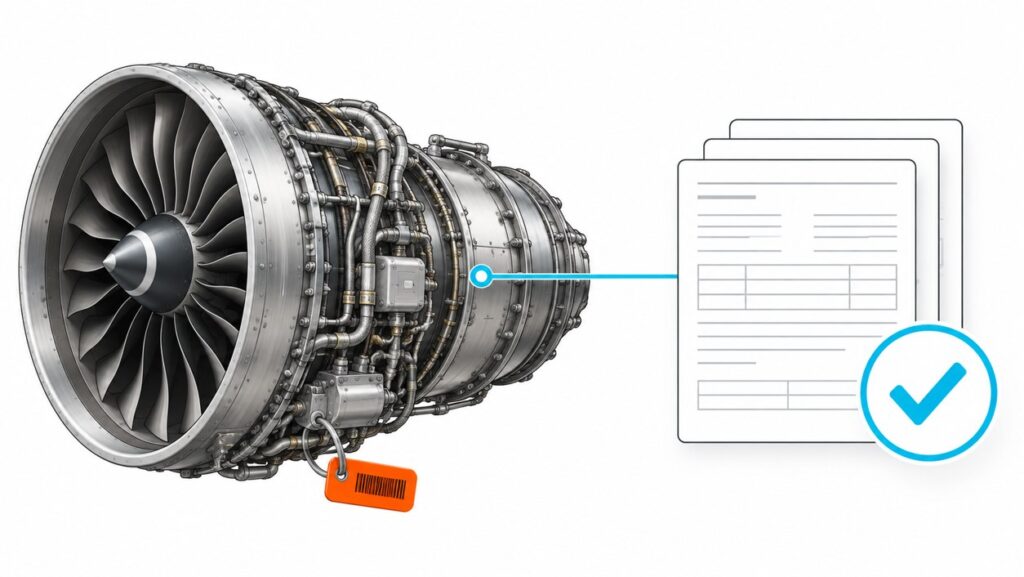
Engineers cannot rely only on calculations when developing aircraft. Wind tunnels allow researchers to study airflow around models and components. Computer simulations can predict performance under different conditions, while ground testing examines structures, engines, systems, and individual components before flight.
Flight testing provides another important part of what does aeronautics mean. Test aircraft collect real-world information about performance, stability, handling, systems, and operating limits. NASA’s aeronautics research includes work on efficient aircraft, high-speed flight, propulsion, air traffic technology, and future aircraft concepts.
Aeronautics Influences Aircraft Maintenance
Aeronautical engineering continues to matter after an aircraft enters service. Maintenance teams need technical information about aircraft structures, systems, engines, operating limits, and approved repair methods. Engineers may also investigate defects, unusual damage, reliability problems, or modifications discovered during an aircraft’s operating life.
This connection expands what does aeronautics mean beyond aircraft design. Knowledge gained through engineering and testing supports inspections, repairs, component limits, structural maintenance, and reliability programs. Maintenance experience can also provide valuable information that manufacturers use when improving future aircraft or components.
Digital Technology Is Expanding Aeronautics
Modern aircraft generate large amounts of data from engines, avionics, sensors, flight-control systems, and other equipment. Engineers can analyze this information to study performance, identify unusual behavior, improve maintenance planning, and better understand how aircraft operate under real-world conditions.
Digital tools have therefore become part of what does aeronautics mean today. Computer modeling, artificial intelligence, advanced analytics, digital twins, and simulation can help engineers evaluate designs before physical prototypes are built. These technologies can shorten development cycles and provide new ways to study aircraft performance.
Aeronautics Supports Many Aviation Careers
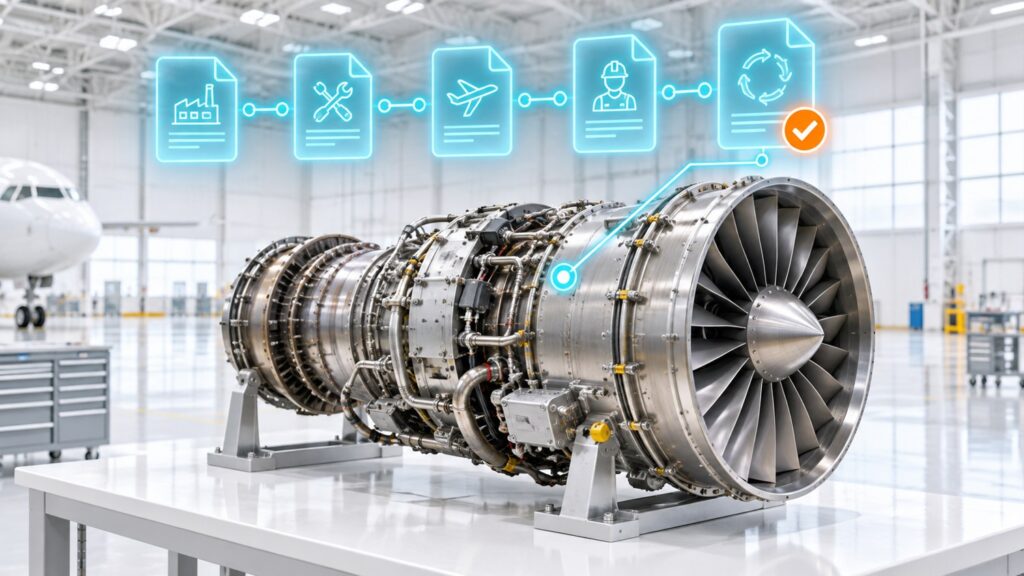
Aeronautical engineers work across aircraft design, propulsion, structures, aerodynamics, flight controls, testing, certification, research, and manufacturing. Other specialists may focus on computational modeling, materials, systems engineering, avionics, or aircraft performance. Their work can support both new aircraft programs and existing fleets.
For students researching what does aeronautics mean as a career field, the discipline offers several technical paths. Aeronautics can connect engineering with commercial aviation, military aircraft, drones, research organizations, manufacturers, and maintenance operations. Many roles require a strong foundation in mathematics, physics, engineering, and problem-solving.
The Future Of Aeronautics Will Shape Aviation
Aeronautical research continues to investigate quieter aircraft, more efficient airframes, advanced propulsion, high-speed flight, automation, and new types of air vehicles. These developments could change how aircraft are designed and how operators manage fuel use, maintenance, performance, and future missions.
This future perspective completes the answer to what does aeronautics mean. Aeronautics is not only the study of how existing aircraft fly. It is also the scientific and engineering work that helps create the next generation of flight. New research can eventually influence aircraft manufacturers, airlines, MROs, airports, and the wider aviation industry.
Conclusion
So, what does aeronautics mean? It means the science and engineering of flight, including aerodynamics, propulsion, aircraft structures, flight controls, performance, testing, and related technologies. Aeronautics explains how aircraft work and provides the technical foundation needed to design, improve, operate, and maintain them.
As aircraft become more connected and technologically advanced, what does aeronautics mean will increasingly include digital modeling, data analysis, advanced materials, automation, and new propulsion concepts. Aero Next Gen covers the wider aviation technology ecosystem where these advances connect with aircraft operations, maintenance, MRO, and digital transformation.