Businesses often operate groups of cars, vans, trucks, buses, or specialized equipment instead of relying on individually owned vehicles. If you are asking what are fleet vehicles, they are vehicles owned, leased, or otherwise managed by an organization for business or operational purposes. Companies use them to transport employees, carry equipment, deliver goods, provide services, and support daily operations.
Understanding what are fleet vehicles is also useful in aviation. Airlines, airports, MRO organizations, FBOs, and ground-handling companies can operate large fleets of road vehicles and specialized ground equipment. Maintenance vans, crew vehicles, service trucks, passenger buses, and other assets help support aircraft before, during, and after flight operations.
Fleet Vehicles Serve Business Purposes
A fleet vehicle differs from a typical personal vehicle mainly because an organization manages it as a business asset. The company may purchase or lease the vehicle and control who uses it, when it receives maintenance, how fuel expenses are handled, and when the asset should eventually be replaced.
This provides the basic answer to what are fleet vehicles. They are not defined only by the type of vehicle. A standard sedan can become part of a fleet when a company manages it alongside other business vehicles. The same principle applies to vans, trucks, buses, and specialized equipment.
Fleet Vehicles Include Many Different Types
Fleet vehicles can include passenger cars, SUVs, pickup trucks, cargo vans, buses, heavy-duty trucks, and specialty vehicles. The right mix depends on the organization’s work. A delivery company may operate hundreds of vans, while a service company may rely on pickup trucks equipped with tools and replacement parts.
This variety matters when explaining what are fleet vehicles because no single vehicle type defines a fleet. The GSA Fleet management program covers vehicle purchasing, leasing, maintenance, fuel services, and other fleet-management activities across different vehicle categories. It provides a useful example of how organizations manage vehicles as coordinated business assets rather than as separate individual vehicles.
Aviation Uses Specialized Fleet Vehicles
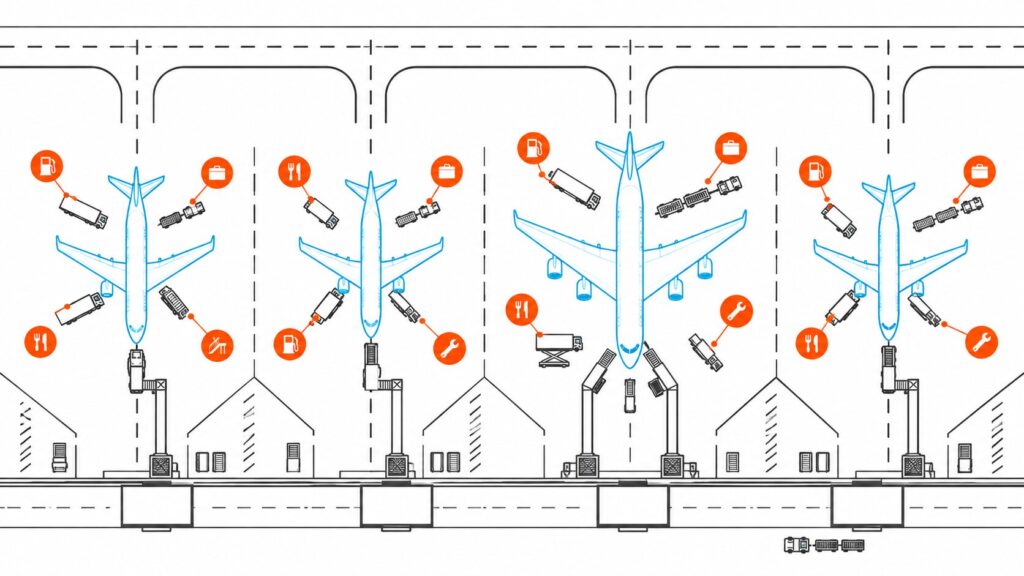
Aviation facilities often require vehicles designed for specific ground tasks. Maintenance teams may use service vans and trucks to move technicians, equipment, and parts. Airports can operate passenger buses, emergency vehicles, utility trucks, inspection vehicles, and other equipment across large airfield environments.
For aviation organizations asking what are fleet vehicles, the definition can therefore extend well beyond ordinary company cars. Aircraft ground-support operations depend on a wide range of mobile assets. Some operate on public roads, while others remain primarily on ramps, hangars, maintenance areas, or airport property.

Ground Support Equipment Can Function Like A Fleet
Ground support equipment includes assets used to service aircraft while they are on the ground. Depending on the operation, this can include tugs, tractors, loaders, service vehicles, and other powered equipment. Although not every item is legally classified as a road vehicle, organizations often manage these assets using similar fleet principles.
This broadens what are fleet vehicles in an aviation environment. Managers still need to know where equipment is located, whether it is available, when it requires maintenance, and how much it costs to operate. Treating mobile ground assets as a coordinated fleet can improve visibility across airport and maintenance operations.
Fleet Maintenance Keeps Vehicles Available
Fleet vehicles need regular maintenance to remain reliable. Common requirements can include oil and fluid services, tire replacement, brake work, batteries, inspections, repairs, and other preventive maintenance. Specialized vehicles may require additional servicing based on their equipment or operating conditions.
Maintenance is therefore an important part of what are fleet vehicles from a management perspective. A vehicle has little value if it is regularly unavailable when employees need it. Maintenance schedules and repair histories can help managers identify recurring problems and determine whether an aging asset remains economical to operate.
Fleet Tracking Improves Asset Visibility
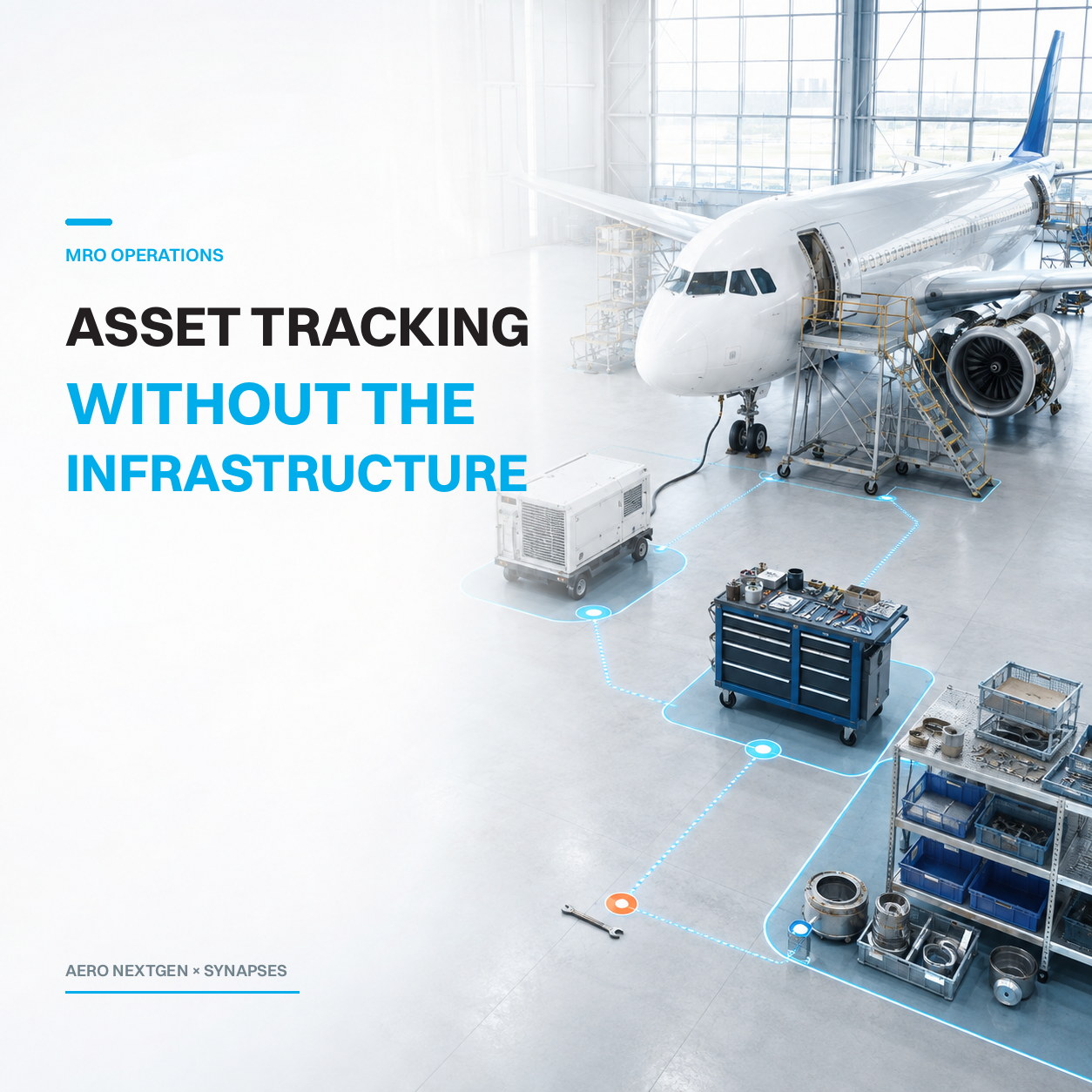
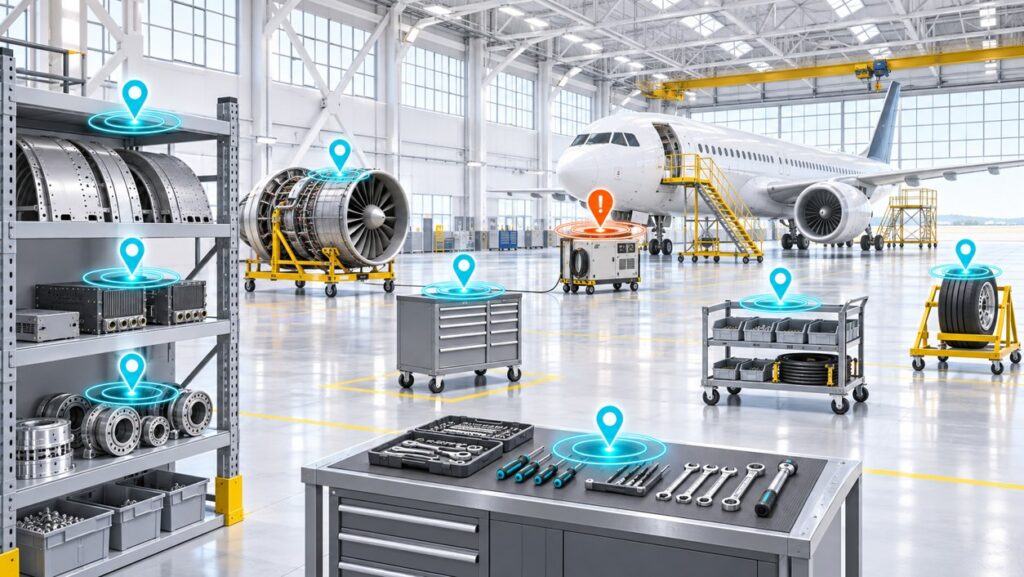
Organizations need to know where fleet vehicles are and how they are being used. GPS, telematics, RFID, sensors, and other technologies can provide location and utilization information. Managers may use this data to monitor movement, mileage, operating hours, availability, or equipment assignment.
Aero Next Gen’s guide to fleet tracking explains how tracking can extend across aircraft, vehicles, tools, and ground-support assets. This technology adds another dimension to what are fleet vehicles because organizations can manage them using real operational data rather than relying only on manual updates.
Utilization Shows Whether The Fleet Is Right-Sized
Owning or leasing more vehicles than an organization needs creates unnecessary costs. Each asset can require insurance, maintenance, fuel, storage, administration, and eventual replacement. Low utilization may indicate that some vehicles provide little value relative to their total operating expense.
This is why what are fleet vehicles should also be considered from a utilization perspective. Managers can compare mileage, operating hours, assignments, or days in use across the fleet. Consistently underused vehicles may be candidates for reassignment or removal, while heavily used assets may indicate that more capacity is required.
Fuel And Operating Costs Need Monitoring
Purchase price represents only one part of fleet-vehicle cost. Organizations also pay for fuel, maintenance, tires, repairs, insurance, registration, and administrative support. Specialized vehicles can create additional costs because they may require unique parts, technicians, or equipment.
Cost control helps explain what are fleet vehicles as business assets rather than simply transportation. Managers need to understand total operating cost throughout each vehicle’s life. Comparing cost with utilization and reliability can reveal which assets perform efficiently and which are becoming expensive to keep in service.
Fleet Vehicles Need Clear Usage Policies
Organizations often establish rules covering who can operate fleet vehicles, where vehicles may be used, how fuel purchases are handled, and how incidents or damage should be reported. These policies can also cover inspections, safe-driving requirements, mileage reporting, and vehicle assignment.
Clear procedures become increasingly important as fleet size grows. When considering what are fleet vehicles, organizations should recognize that effective management requires accountability as well as physical assets. Drivers, maintenance teams, fleet managers, and finance departments may all contribute information needed to keep fleet records accurate.
Replacement Planning Controls Lifecycle Costs
Every vehicle eventually reaches a point where continued maintenance becomes less attractive than replacement. Mileage, age, repair frequency, downtime, fuel efficiency, and resale value can all influence that decision. Waiting until a vehicle suffers a major failure may create unnecessary operational disruption.
Lifecycle planning is therefore part of what are fleet vehicles from a long-term management perspective. Managers can review maintenance history, operating cost, utilization, and vehicle condition before making replacement decisions. A planned replacement strategy can reduce unexpected downtime while helping organizations budget future fleet investments.
Digital Systems Can Connect Fleet Information
Large fleets can generate information across maintenance records, fuel systems, tracking tools, finance applications, and spreadsheets. When data remains separated, managers may struggle to understand the true condition and cost of individual vehicles. Centralized fleet systems can make this information easier to review.
For organizations asking what are fleet vehicles in a modern operation, digital management is increasingly part of the answer. A useful system can connect vehicle records, mileage, maintenance, expenses, utilization, and status. The goal is not simply to collect more data but to give managers information they can use to improve availability and control costs.

Conclusion
So, what are fleet vehicles? They are vehicles that organizations own, lease, or manage as part of a coordinated group for business and operational purposes. They can include cars, vans, trucks, buses, service vehicles, and specialized equipment. In aviation, fleet concepts can also extend to ground-support assets used around airports, hangars, and maintenance facilities.
Understanding what are fleet vehicles also means understanding the management behind them. Maintenance, tracking, utilization, fuel, costs, policies, and replacement planning all influence fleet performance. Aero Next Gen covers aviation technologies and operational solutions that help airlines, MROs, airports, and other organizations improve visibility across aircraft and supporting assets.