Businesses often use cars, vans, trucks, and specialized vehicles to support daily operations. If you are asking what does a fleet vehicle mean, it generally means a vehicle that an organization owns, leases, or manages as part of a group of vehicles used for business or operational purposes. The vehicle may transport employees, equipment, passengers, parts, or supplies instead of serving mainly as personal transportation.
Understanding what does a fleet vehicle mean is also useful in aviation. Airlines, airports, MRO facilities, FBOs, and ground-handling companies operate vehicles to support aircraft and employees. Maintenance vans, service trucks, crew vehicles, airport utility vehicles, and passenger transport can all become part of an aviation fleet when an organization manages them together.
Fleet Vehicle Refers To How The Vehicle Is Used
A vehicle does not need a special design to become part of a fleet. An ordinary sedan, SUV, pickup truck, or van can qualify when a company manages it for business purposes. The organization may assign it to one employee, share it between teams, or keep it available for specific operational tasks.
This provides the simplest answer to what does a fleet vehicle mean. The term describes the vehicle’s role within an organization rather than one particular model or body type. A privately owned pickup and a company pickup may look identical, but the company vehicle becomes a fleet asset because it is managed as part of the organization’s operations.
Fleet Vehicles Can Be Owned Or Leased
Organizations do not always purchase their fleet vehicles outright. Some companies own their assets, while others lease them under short-term or long-term arrangements. Leasing can allow an organization to update vehicles more regularly or avoid some of the responsibilities that come with direct ownership.
The GSA Fleet management program provides a useful example of structured fleet management through vehicle purchasing, leasing, rentals, maintenance, and other services. This helps clarify what does a fleet vehicle mean because ownership is not the defining factor. A leased vehicle can still be a fleet vehicle when an organization manages it as part of its operational assets.
Aviation Organizations Use Fleet Vehicles On The Ground
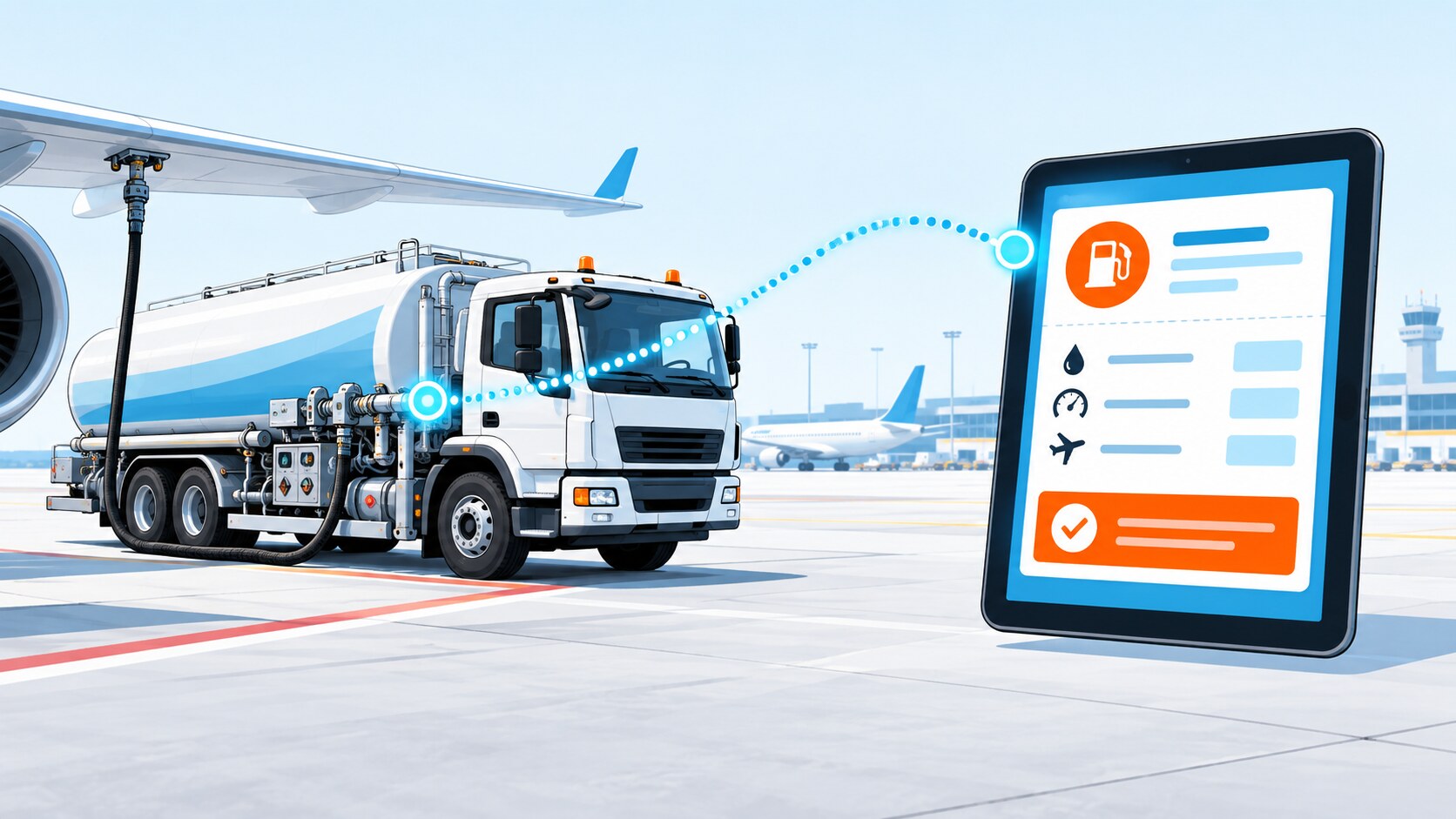
Aircraft operations depend on many activities that take place before takeoff and after landing. Maintenance teams may need vehicles to transport technicians and tools between hangars. Airport personnel can use utility vehicles for inspections, while airlines may provide vehicles for crew movement or operational support.
For aviation businesses asking what does a fleet vehicle mean, the term can therefore include vehicles that rarely leave airport property. Their value comes from supporting the wider aviation operation. A maintenance van may not carry passengers commercially, but keeping it available can still affect how quickly technicians respond to aircraft maintenance needs.
Ground Support Equipment Can Be Managed Like A Fleet
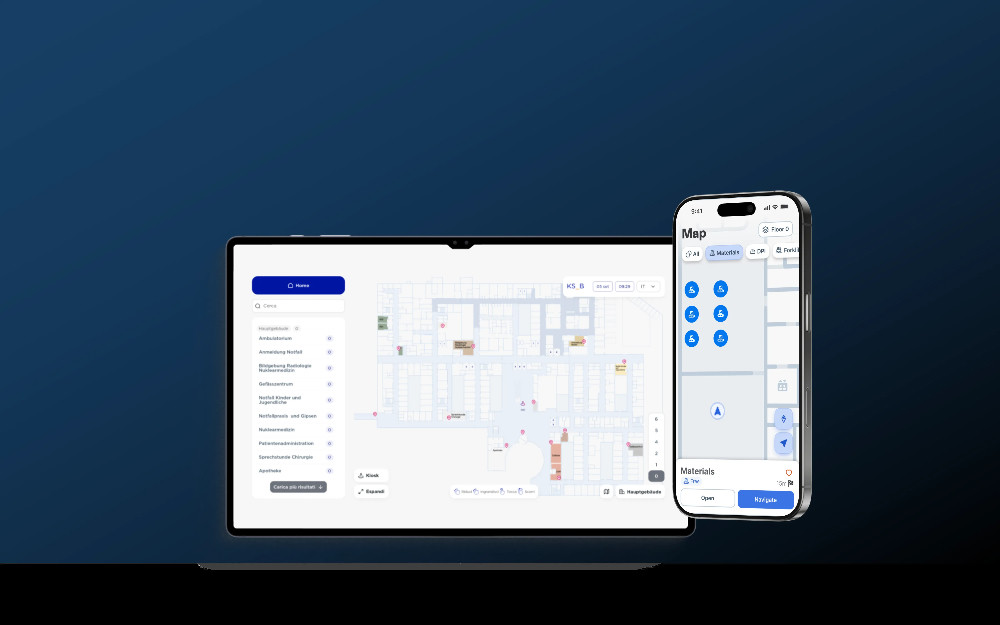
Airports and MRO facilities also operate specialized mobile equipment. Tugs, tractors, loaders, service units, and other powered assets may not always fit the normal road-vehicle definition. However, managers still need to track their condition, availability, location, maintenance, and operating costs.
This broader approach helps explain what does a fleet vehicle mean within aviation operations. Organizations often apply fleet-management principles to both road vehicles and specialized ground equipment. Managing these assets together can improve visibility and help teams understand which equipment is available for aircraft servicing, maintenance, or ground operations.
Fleet Vehicles Require Planned Maintenance
Businesses are responsible for keeping their fleet assets reliable enough to perform their assigned work. Maintenance can include oil changes, tires, brakes, batteries, inspections, fluid services, repairs, and other preventive work. Specialized equipment may have additional maintenance requirements based on its design and operating environment.
Maintenance is an important part of what does a fleet vehicle mean from a management perspective. A vehicle is not simply purchased and handed to an employee indefinitely. Organizations normally establish service schedules, maintain repair histories, monitor recurring problems, and decide when downtime or repair costs make replacement necessary.
Tracking Helps Managers Understand Fleet Use
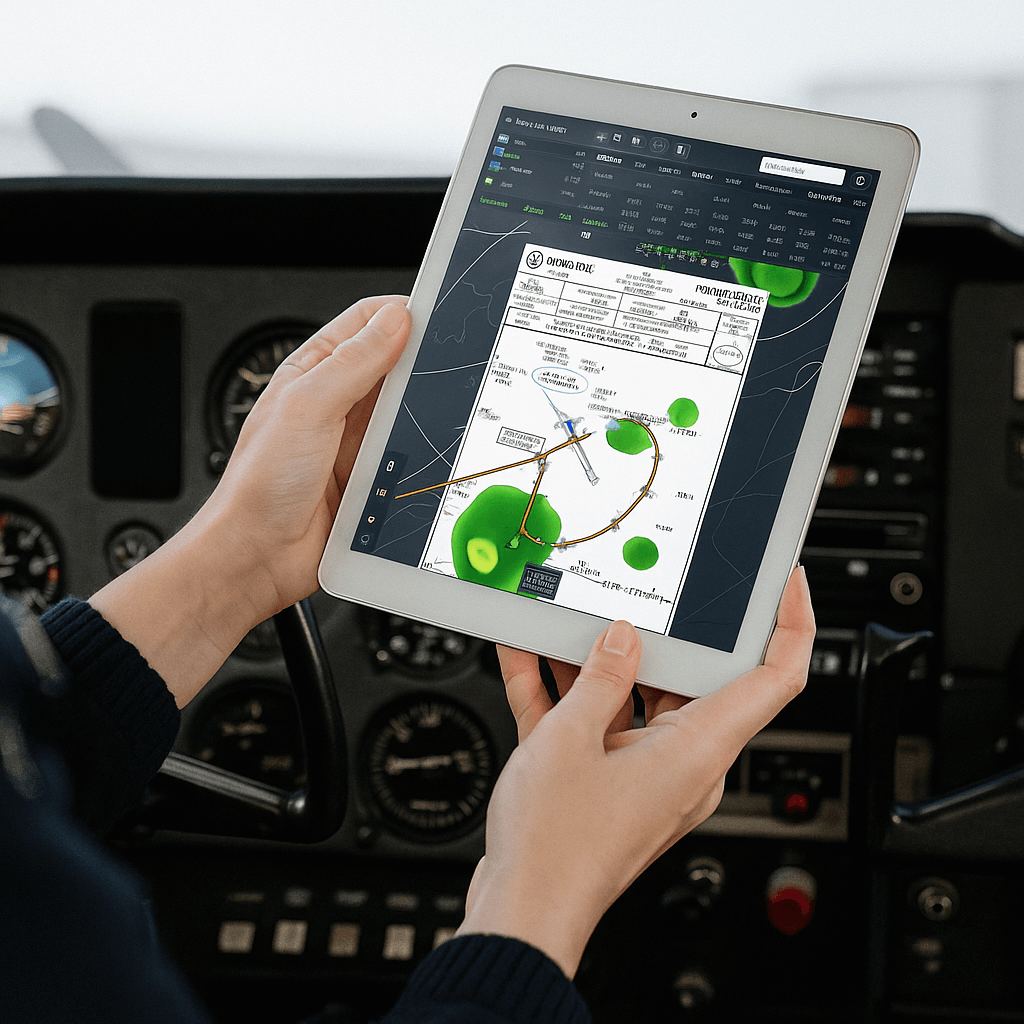
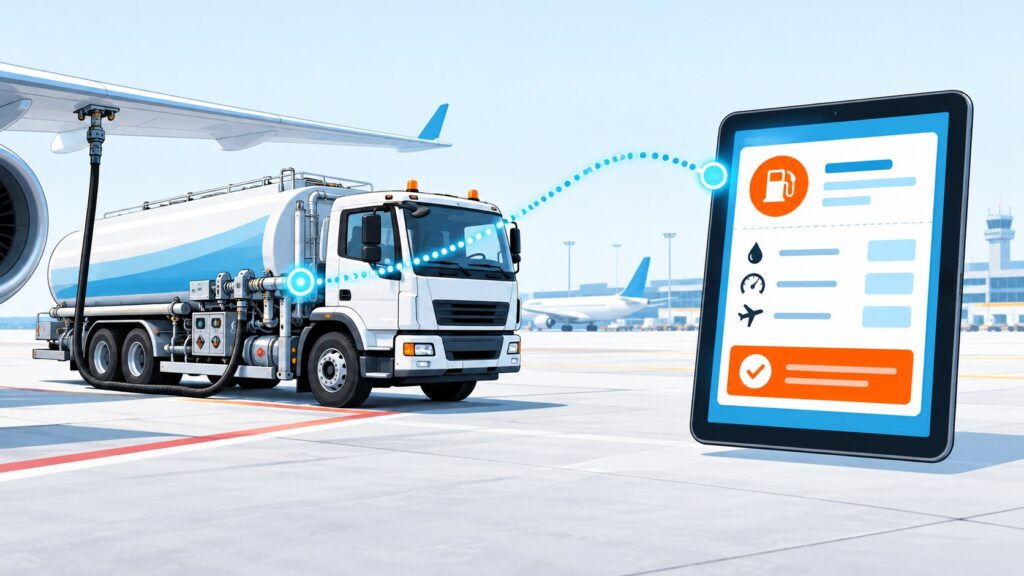
Managers may need to know where fleet vehicles are, how often they operate, and whether they are available. GPS, telematics, sensors, and other technologies can provide information about movement, mileage, operating hours, and utilization. This data can reduce dependence on manual vehicle logs.
Aero Next Gen’s guide to fleet tracking explains how tracking can extend across vehicles, aircraft, tools, and ground support assets. When discussing what does a fleet vehicle mean in a modern operation, this visibility matters because an asset’s value depends partly on how effectively the organization can manage and use it.
Fleet Vehicles Create Ongoing Operating Costs
The purchase or lease payment represents only part of the cost of a fleet vehicle. Organizations may also pay for maintenance, repairs, tires, fuel, insurance, registration, administration, storage, and eventual replacement. Vehicles can continue creating costs even when employees use them infrequently.
This cost structure adds another dimension to what does a fleet vehicle mean. Companies should treat fleet vehicles as business assets with measurable lifecycle costs. Comparing operating expense with utilization helps managers identify vehicles that provide strong operational value and those that may be costing more than their level of use justifies.
Utilization Helps Determine How Many Vehicles Are Needed
A fleet that is too small may leave employees waiting for transportation or equipment. A fleet that is too large can create unnecessary ownership and operating costs. Managers therefore need to compare the number of available vehicles with actual business demand.
When considering what does a fleet vehicle mean from a planning perspective, utilization becomes important. Mileage, operating hours, days in use, and assignments can show whether an asset is being used effectively. Consistently underused vehicles may be candidates for reassignment or removal, while highly utilized vehicles may signal that additional capacity is needed.

Fleet Vehicles Need Clear Management Policies
Businesses often establish policies that explain who can operate fleet vehicles and how employees should use them. Policies may cover permitted use, driver responsibilities, fuel purchases, vehicle inspections, accident reporting, maintenance requests, mileage reporting, and procedures for identifying damage.
These controls are another part of what does a fleet vehicle mean in practice. A fleet designation normally brings management responsibilities that do not exist with an employee’s personal car. Clear policies help organizations protect their assets, maintain consistent records, and make sure drivers understand their responsibilities.
Replacement Is Part Of The Fleet Lifecycle
Every fleet vehicle eventually reaches a point where continued operation becomes less practical. Increasing repair frequency, downtime, mileage, age, declining reliability, and changing business requirements can all influence replacement decisions. Managers should evaluate these factors before a major failure forces an urgent purchase.
Lifecycle planning completes the answer to what does a fleet vehicle mean from an asset-management perspective. Fleet vehicles are usually acquired, operated, maintained, monitored, and eventually replaced through an organized process. Planning the full lifecycle gives organizations more control over costs and helps reduce unexpected disruptions.
Conclusion
So, what does a fleet vehicle mean? It means a car, van, truck, bus, service vehicle, or similar asset that an organization owns, leases, or manages for business and operational use. The fleet designation also brings responsibilities involving maintenance, fuel, tracking, utilization, policies, operating costs, and eventual replacement.
For aviation organizations, what does a fleet vehicle mean can extend to the vehicles and mobile equipment that support airports, aircraft maintenance, crews, and ground operations. Aero Next Gen covers fleet tracking, maintenance, analytics, and other aviation technologies that can help organizations improve visibility across both aircraft and the supporting assets around them.