
Aircraft ownership and operation involve financial risks that can extend far beyond the value of the aircraft itself. Accidents may damage an aircraft, injure passengers, affect property, or create liability for an operator. If you are asking what is aviation insurance, it is specialized insurance designed to protect aircraft owners, operators, aviation businesses, and other parties against financial losses connected with aviation activities.
Aviation insurance can cover physical damage to aircraft, liability for injuries or property damage, passenger-related claims, and certain specialized operating risks. The exact protection depends on the policy, aircraft, operation, location, and coverage limits. Airlines, charter operators, aircraft owners, flight schools, and aviation businesses may all need different forms of coverage.

What Aviation Insurance Covers
Aviation insurance does not refer to one universal policy. Insurers can structure coverage around the aircraft and the risks connected with its operation. A policy may protect the aircraft itself while also providing liability protection when an accident causes injuries or property damage. Commercial operators may require additional forms of coverage based on their business activities.
This is an important part of understanding what is aviation insurance. Coverage needs can change significantly between a privately owned aircraft and a commercial airline. Aircraft value, passenger capacity, operating territory, flight purpose, and regulatory requirements can all affect the type and amount of protection an operator needs.
Hull Insurance Protects the Aircraft
Hull insurance generally covers physical loss of or damage to the insured aircraft. Depending on the policy, protection may apply while the aircraft is parked, moving on the ground, or in flight. The insured value and policy terms determine how much protection the owner receives after a covered loss.
The FAA’s Aviation Insurance Program also uses the term hull coverage in its specialized war-risk insurance program. FAA materials distinguish hull protection from liability coverage, showing how aviation insurance often separates damage to the aircraft from claims involving other people or property.
Liability Insurance Covers Legal Financial Risks
Liability coverage can protect an aircraft owner or operator when aviation activity causes bodily injury or property damage for which the insured becomes legally responsible. This may include damage to property on the ground or injuries connected with an aircraft accident. Coverage limits define how much protection the insurer provides.
Commercial aviation can involve specific insurance requirements. The FAA states that U.S. direct air carriers operating in interstate or foreign air transportation must file evidence of aircraft accident liability insurance that meets 14 CFR Part 205 requirements. Operators should therefore consider both their operational risks and any rules that apply to their type of service.
Passenger Liability Is Important for Commercial Operations
Operators that carry passengers face risks that differ from those of aircraft used only by an owner or pilot. Passenger liability coverage can help address claims involving injuries to people traveling on the aircraft. The required limits and policy structure can depend on aircraft size, type of operation, jurisdiction, and commercial activity.
Air carriers need to pay close attention to these requirements because passenger capacity can affect liability exposure. FAA insurance documentation for certain air carriers separates passenger bodily injury from other forms of liability and establishes minimum coverage requirements for applicable operations. This makes passenger exposure an important part of commercial aviation risk planning.
War Risk Coverage Addresses Specialized Threats
Standard aviation policies may treat war-related risks differently from ordinary operating risks. Depending on the policy, exclusions may apply to losses linked with war, terrorism, hostile acts, or similar events. Operators with exposure to these risks may need specialized protection or additional endorsements.
The FAA maintains an Aviation Insurance Program for certain circumstances where commercial coverage does not adequately meet specific U.S. air transportation needs. Its current program includes non-premium and temporary premium war-risk mechanisms under defined conditions. These programs are specialized and do not replace normal commercial aviation insurance.
Who Needs Aviation Insurance?
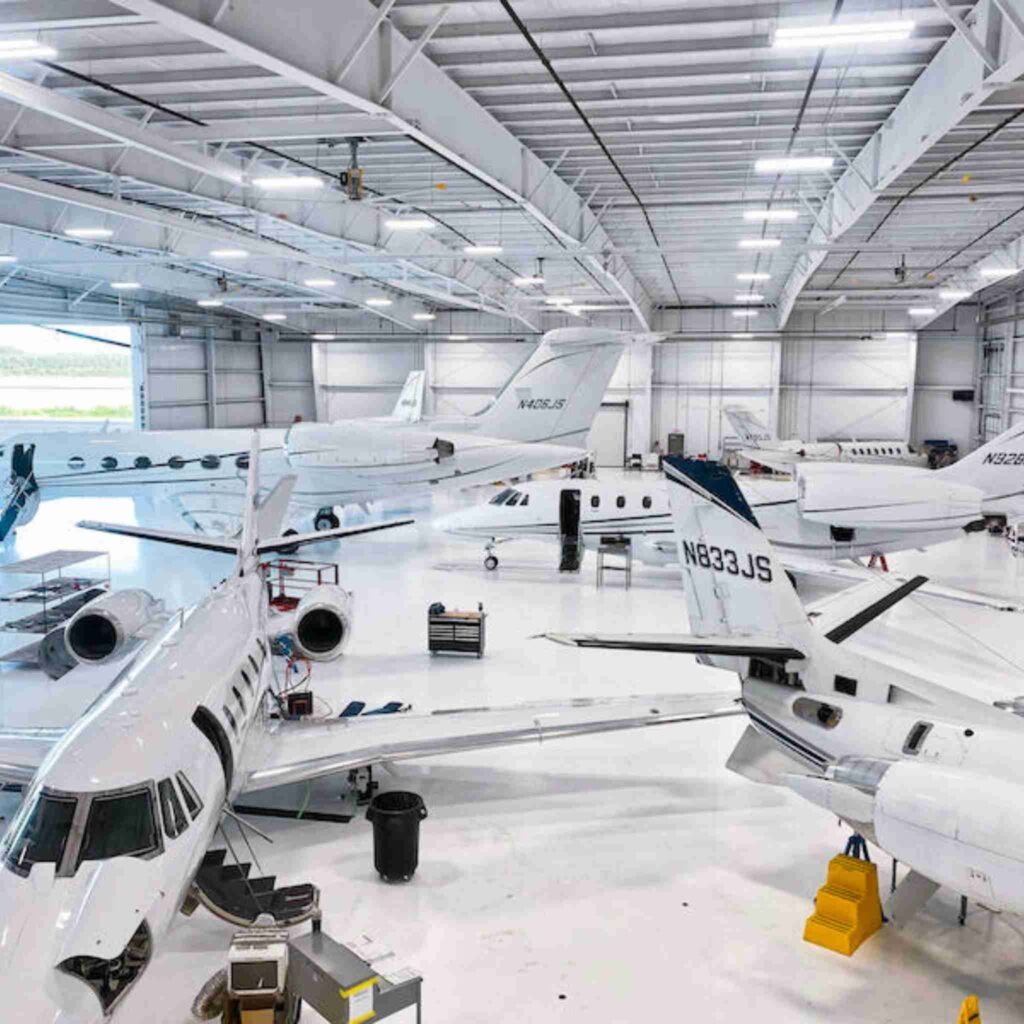
When considering what is aviation insurance, it is useful to look at the range of organizations that may need coverage. Private aircraft owners, charter operators, airlines, flight schools, corporate flight departments, FBOs, maintenance organizations, airports, and other aviation businesses can all face financial risks connected with aircraft or aviation services.
Coverage needs differ between these organizations. A maintenance facility may face risks related to aircraft in its care, while a fleet operator may focus more heavily on aircraft hull and operational liability. Aero Next Gen’s FBO software buyer’s guide also notes that insurance and liability documentation form part of the wider compliance environment for fixed-base operators.
Aircraft Value Affects Insurance Decisions
The value of an aircraft plays an important role in insurance planning. A small piston aircraft creates a different financial exposure from a large business jet or commercial airliner. Higher aircraft values generally mean that a serious loss can create a much larger financial impact for both the owner and insurer.
Operators should keep aircraft values and policy information current. Major upgrades, avionics changes, engine work, or changes in market value can affect how accurately the policy reflects the aircraft. Insuring an aircraft for an inappropriate value may create problems when a major claim occurs.
Pilot Experience and Aircraft Use Can Affect Risk
Insurance providers often look at how an aircraft will be operated. Pilot experience, training, aircraft type, annual flight activity, operating region, and mission can all influence the risk profile. A training aircraft that performs frequent takeoffs and landings creates a different operating pattern from an aircraft used mainly for private long-distance travel.
Commercial use can introduce additional exposure because the aircraft may carry passengers or cargo more frequently. Operators should provide accurate information about their activities when arranging coverage. Changes in aircraft use, pilots, or operating territory may also need to be discussed with the insurer or broker.

Maintenance Records Can Support Risk Management
Aircraft condition and maintenance practices matter throughout aviation operations. Accurate records help an operator understand inspections, repairs, component changes, and aircraft history. While insurance does not replace maintenance responsibility, strong maintenance processes can help an organization manage operational risk and provide clearer documentation when questions arise.
Digital systems can help aviation organizations maintain better visibility across maintenance, compliance, and aircraft records. Aero Next Gen’s aviation technology overview includes maintenance, ERP, tracking, analytics, safety, and compliance technologies that can help operators organize operational information. Reliable records can support both daily decision-making and wider business risk management.
Choosing Aviation Insurance Requires More Than Price
Organizations researching what is aviation insurance should evaluate more than the premium. They should review coverage limits, exclusions, deductibles, aircraft values, passenger exposure, operating territory, approved pilots, business activities, and any contractual or regulatory requirements. Two policies with similar prices may provide very different protection.
Operators should also consider how the policy fits their actual operation. An airline, charter business, maintenance provider, and private owner face different risks. Aviation insurance specialists can help interpret policy terms and determine whether the proposed coverage reflects the aircraft, operation, and financial exposure involved.

Conclusion
What is aviation insurance? It is specialized financial protection for risks connected with aircraft ownership, operation, passengers, property, and aviation business activities. Coverage can include aircraft hull damage, liability, passenger risks, and specialized protections such as war-risk insurance. The right structure depends on the aircraft, operation, regulatory environment, and level of financial exposure.
Aero Next Gen helps aviation organizations evaluate technology and service providers across fleet operations, maintenance, compliance, safety, analytics, and other aviation needs. While insurance protects against financial risk, strong operational systems can help organizations maintain better records, visibility, and control across the activities that influence day-to-day aviation risk.