
Home / Technologies / Customer Portal
MRO Customer Portal for Aviation
An MRO customer portal gives your customers real-time repair status, quote approvals, documents and invoices in one self-service place. Your team stops answering “where is my unit?” emails, approvals come back faster and every customer gets the same white-glove experience. We help MROs, repair stations and service providers choose portals that connect to the systems they already run.
- Vendor-neutral matching
- 600+ aviation-only providers
- Free 3-minute Solution Finder
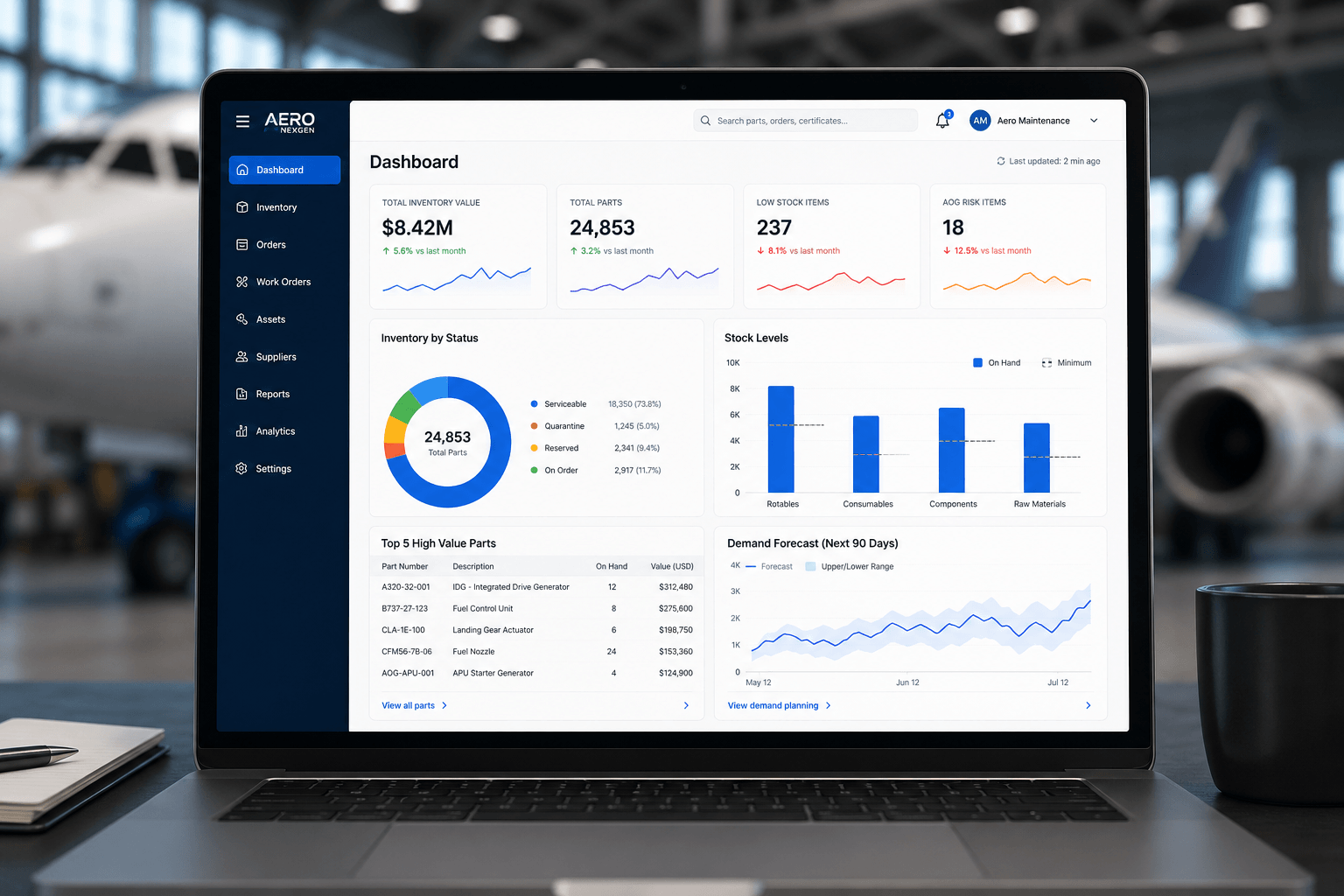
Illustrative dashboard, sample values
What is an MRO customer portal?
An MRO customer portal is a secure, self-service website or app where customers can track repairs in real time, approve quotes, manage service requests, download certificates and reports, view and pay invoices and message your team. It connects to your ERP or MRO system, so the information customers see is always current.
In many repair stations, customer service is a full-time job of answering the same questions. Where is my unit? Has the quote gone out? Can you resend the certificate? Some airline customers even require MROs to update status manually in the customer’s own system. Every one of those requests pulls a coordinator away from moving work forward.
A customer portal answers those questions before they are asked. Customers log in and see each unit’s status, milestones and estimated completion. Quotes are reviewed and approved online, with reminders. Certificates, teardown reports and invoices are a click away. Your team spends less time on status updates and more time on the customers and problems that genuinely need a person.
- Real-time status removes most "where is my unit" calls and emails.
- Online quote approval shortens one of the biggest hidden delays in turnaround.
- Documents and invoices on demand reduce admin and speed up payment.
- Integration with your ERP is what keeps the portal accurate without extra work.
On this page
Status without the phone call: customers see milestones and approve quotes on any device.
What an MRO customer portal includes
A complete portal covers the full customer relationship, from order to invoice. These are the core capabilities.
Account management
Self-service access to account details, service history and contacts for every customer user.
Real-time order tracking
Live status, milestones and estimated completion for every repair and request.
Online quote approval
Review, approve or query quotes online, with automatic reminders and audit trail.
Invoices and payments
View, download and pay invoices and see billing history and payment status.
Messaging and support
Built-in chat with customer service and technicians, linked to the right unit or order.
Documents and records
On-demand certificates, teardown and test reports, photos and compliance documents.
Why customer portals matter now
Customers expect the same visibility from their MRO that they get from a parcel delivery.
With MRO demand at record levels and capacity tight, customers are anxious about turnaround and want to see progress. Shops that can show live status and respond instantly stand out when contracts come up for renewal.
Portals also protect scarce staff time. Every status email or call a portal absorbs is time your coordinators can spend moving units through the shop.
Global MRO demand in 2025, up 8% on the year before.
Commercial aircraft in service in early 2026, with roughly 41,000 forecast by 2036.
Average age of the global fleet in 2025, about a year and a half older than in 2024.
Seven gains an MRO customer portal delivers
These are the improvements MROs report most often once customers can serve themselves.

“The best status update is the one your customer never had to ask for.”
The Aero NextGen advisory principle
Self-service account management
Customers update contacts, review history and manage users themselves, without emailing your team.
Real-time order tracking
Live visibility into every repair and request removes uncertainty and the calls that come with it.
Automated workflow
Updates, notifications and alerts go out automatically when status changes, quotes are ready or units ship.
Support when it is needed
Built-in chat with representatives and technicians, linked to the right unit, makes conversations faster and clearer.
Resources on demand
Records, reports and certificates are available instantly, which customers value during their own audits.
Better communication
One consistent channel replaces scattered emails, reducing miscommunication and errors.
Higher efficiency
Less manual updating and fewer status calls free your team for higher-value work.
How an MRO customer portal works for your side of aviation
Portals look different depending on who your customers are. Pick your operation to see where they usually help first.

For MROs and repair stations
Repair stations use portals for live repair status, quote approvals, certificates and invoices, often adding a digital twin of the customer journey for a 360 degree view.
- Unit-level status and milestones
- Online quote approval with reminders
- Certificates and teardown reports
- Invoices and payment history

For airlines and operators
Airlines offer portals to their own customers, such as third-party maintenance clients and charter clients, and use vendor portals to see repair status across all their suppliers.
- Third-party maintenance customer access
- Vendor repair status in one view
- Charter and owner trip portals
- Shared documents and approvals
For parts distributors and suppliers
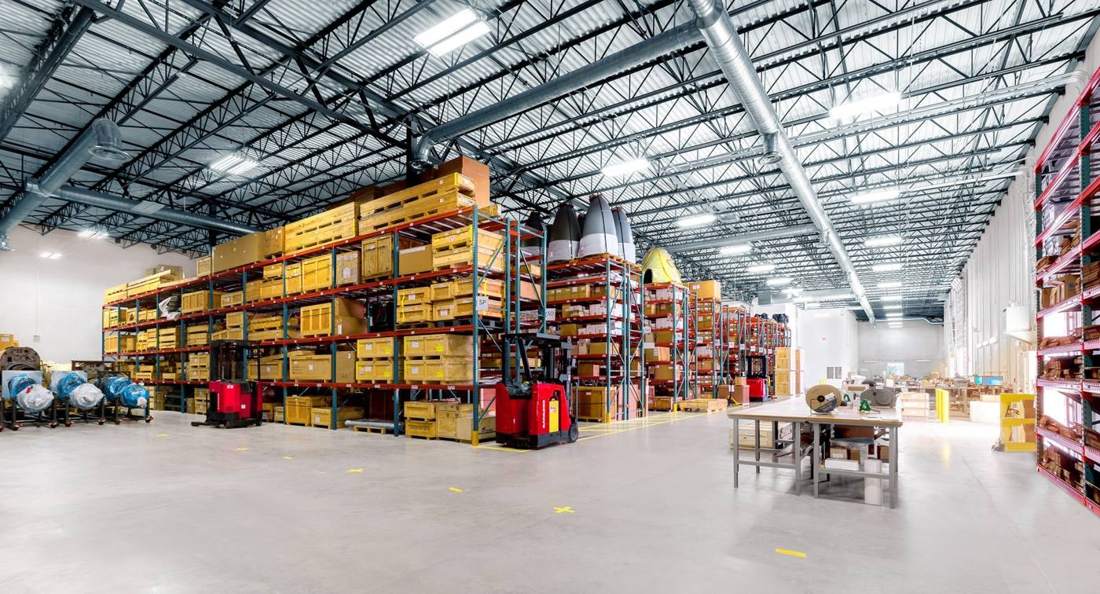
Distributors give buyers a portal to search stock, request quotes, track orders and download trace documents, which cuts email volume and speeds up repeat orders.
- Stock search and quote requests
- Order tracking and shipping updates
- Trace documents on demand
- Account-specific pricing

For OEMs and lessors
OEMs run customer support and warranty portals, while lessors use portals to share asset records and collaborate with lessees and MROs on transitions.
- Warranty and support case portals
- Service bulletins and documents
- Lessee records collaboration
- Transition document exchange
Email-based service versus an MRO customer portal
Most customer communication in MRO still runs through inboxes and phone calls. Here is what changes with a portal.
| Area | Email and phone | Customer portal |
|---|---|---|
| Repair status | ✕ Requested by email or phone | ✓ Live, self-service |
| Quote approvals | ✕ Lost in inboxes for days | ✓ Approved online with reminders |
| Documents | ✕ Resent on request | ✓ Downloadable any time |
| Invoices | ✕ PDFs and payment chasing | ✓ View and pay online |
| Communication | ✕ Scattered threads | ✓ One channel linked to each unit |
| Experience | ✕ Depends on who answers | ✓ Consistent for every customer |
"Customers cannot see repair status."
The fix: a real-time repair status portal shows progress, milestones and estimated completion, integrated with your system so updates are automatic.
"We cannot offer a white-glove journey."
The fix: a portal plus a digital twin of operations gives a 360 degree view of each customer journey, with AI insight to personalize interactions.
"Manual emails are overwhelming us."
The fix: an automated communication system sends personalized notifications through preferred channels, integrated with internal processes to cut manual email.
"Customers want updates in their own systems."
The fix: portal integrations and data feeds push status to customer systems automatically instead of someone retyping it.
What an MRO customer portal is worth
Portals pay back through staff time saved, faster approvals and stronger retention.
- Hours of status updates and document requests removed
- Days removed from quote approval cycles
- Faster payment from online invoicing
- Higher customer satisfaction and retention
Count how many status requests and document resends your team handles each week, and how long each takes. The calculator shows what that service load costs over a year.

How to get started with an MRO customer portal
A portal is only as good as the data behind it. These five stages keep the launch smooth.
Listen to your customers
Ask your top accounts what they request most often and what they wish they could see.
Check your data
Make sure status, milestones and documents in your ERP are accurate enough to show customers.
Choose and integrate
Select a portal that connects to your ERP or MRO system so updates flow automatically.
Launch with a few customers
Pilot with friendly accounts, collect feedback and refine before a full rollout.
Measure and expand
Track self-service rates, approval times and satisfaction, then add features like online payment.
Not sure which portal fits your systems? The Solution Finder scopes it in about three minutes and matches you with vetted vendors.
How to choose an MRO customer portal vendor
A good-looking portal with stale data does more harm than good. Use these criteria to find one that stays accurate.
Live ERP integration
Status, quotes, documents and invoices should come from your system automatically.
Aviation workflows
Look for repair milestones, quote approvals, certificates and teardown reports built in.
Security and access control
Customers must see only their own data, with roles for different users at each account.
Works on any device
Customers check status from phones and tablets as much as desktops.
Your brand
The portal should look like your company, not the vendor's.
Total cost
Include licenses, integration work and support in the comparison.
Customer onboarding help
Ask how the vendor helps you invite and train customer users.
Customer portal providers in the Aero NextGen network
A sample of providers listed under customer portal, shown alphabetically. A listing is not an endorsement; the Solution Finder matches you on fit.









Monica Badra
Founder and CEO, Aero NextGen
Guidance from people who have run aviation operations
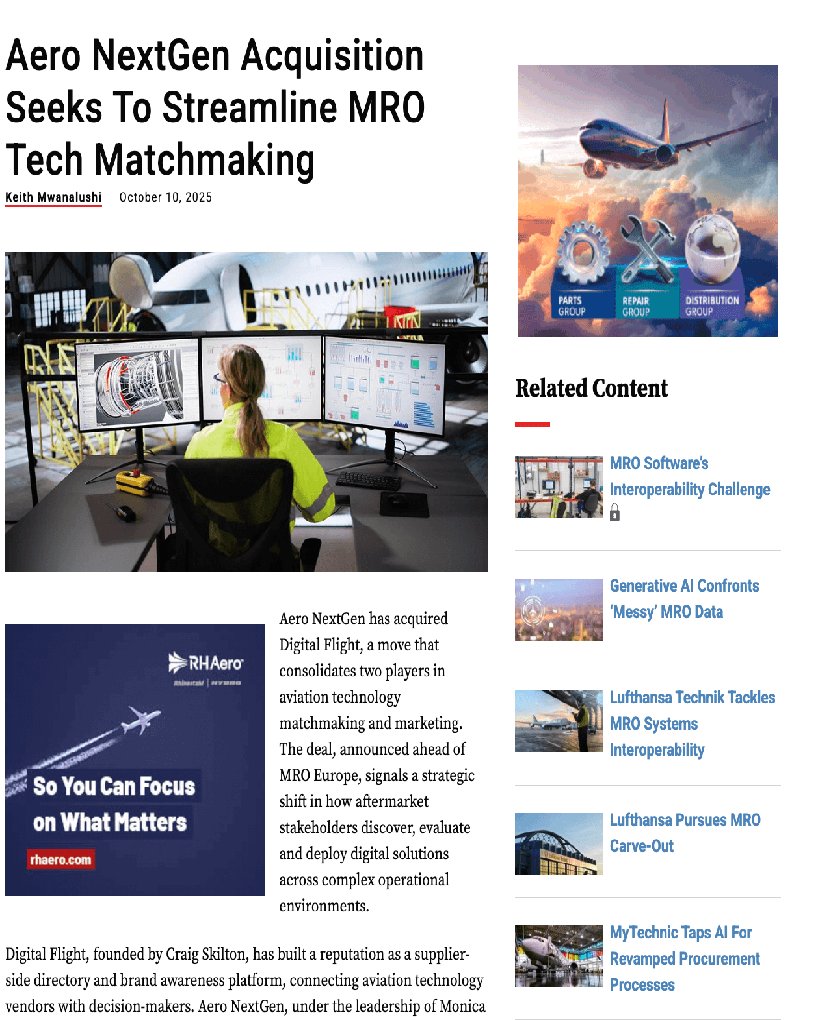
Aero NextGen was founded by Monica Badra, who has spent more than a decade inside aviation translating real business needs into the right technology. That experience shapes how we approach the MRO customer portal: show customers the truth in real time, and most of the service burden disappears.
We are vendor-neutral. We do not resell software, and our matching is based on your operation, your systems and your budget. Our perspective on digital MRO and aviation technology has been featured across the industry press.
MRO customer portal FAQs
The questions aviation leaders ask us most before they start. Have one we did not cover? The Solution Finder routes it to the right expert.
What is a customer portal for aviation MRO?
It is a self-service hub where customers track repairs, manage requests, view and pay invoices and chat with your team, all in real time and integrated with your MRO systems.
How does a customer portal improve the customer experience?
It replaces manual emails and status calls with real-time transparency, automated notifications and clear communication, creating a more consistent, white-glove experience.
What can customers do in the portal?
Track repair progress, manage service requests, view service histories, pay invoices, access documentation, chat with technicians and give feedback.
Does a portal speed up quote approvals?
Yes. Online approval with reminders removes the inbox delay, and many MROs add incentives for fast approval through gamification.
Will customers actually use it?
They do when the data is accurate and the portal saves them time. Launch with key accounts, gather feedback and keep it simple.
Do we need a new ERP first?
Not always. Many portals integrate with existing systems, but accurate, current data in your ERP is essential.
Is customer data secure in a portal?
Good portals use encryption, role-based access and audit logs so each customer only sees their own information.
How do I get started with a customer portal?
Start with the free Solution Finder. It maps your customer experience and communication gaps and matches you to the right customer portal.
Technologies that work hand in hand with a customer portal
Manage customers, pipeline and contracts with aviation-built workflows.

Reward faster approvals, loyal customers and top technicians.
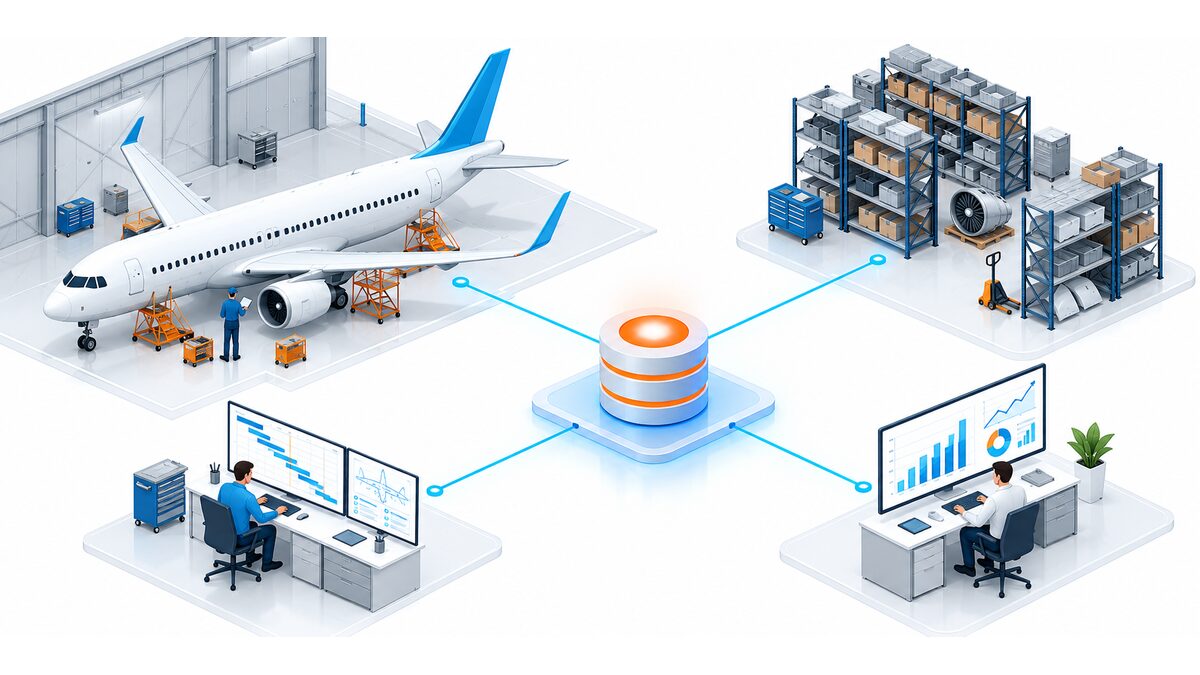
Run finance, maintenance, inventory and HR on one connected core system.
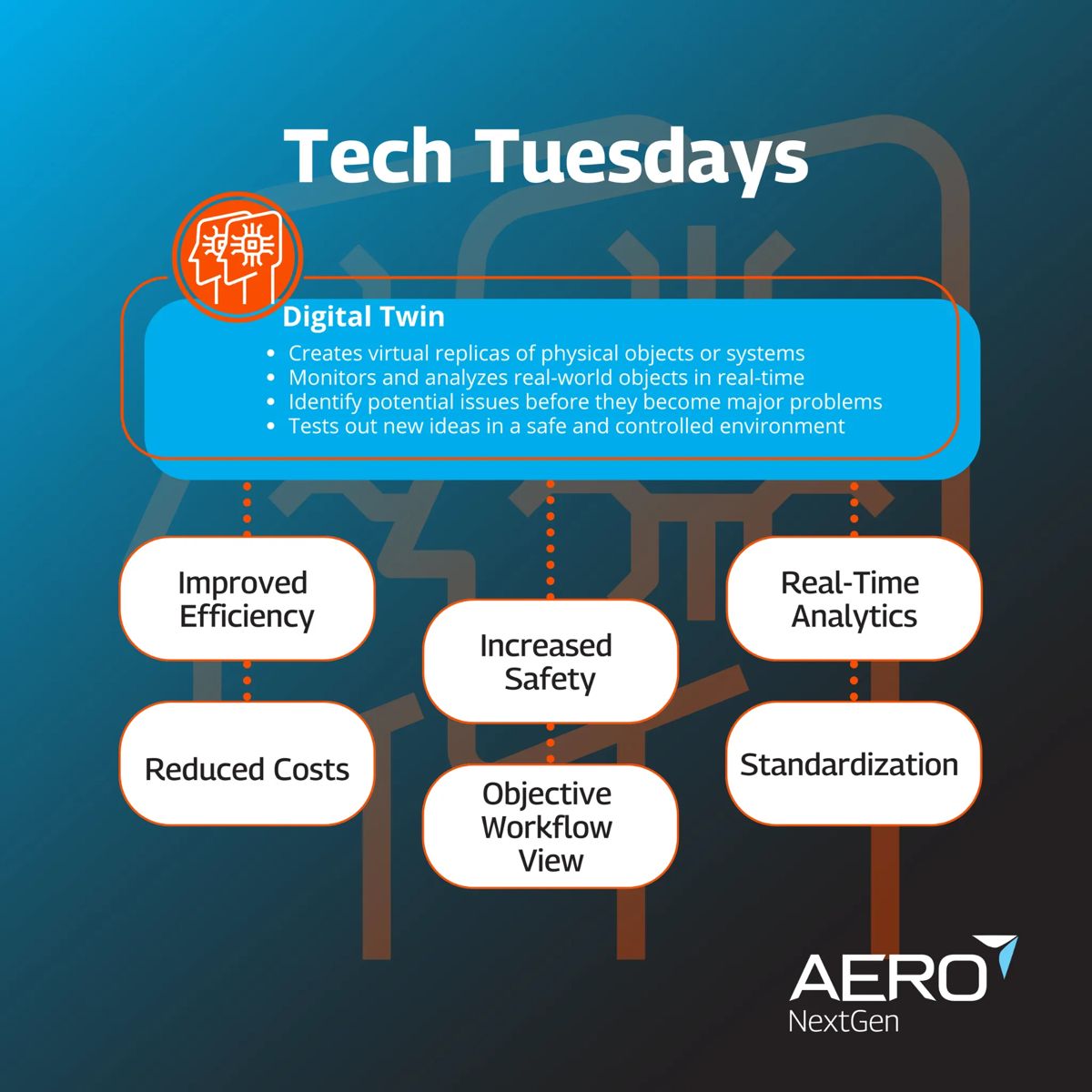
Model aircraft and processes virtually to test decisions before acting.



Give customers answers before they ask
Show live repair status, approve quotes online and share records on demand with an MRO customer portal. Start with the free Solution Finder to find the portal that fits your systems.