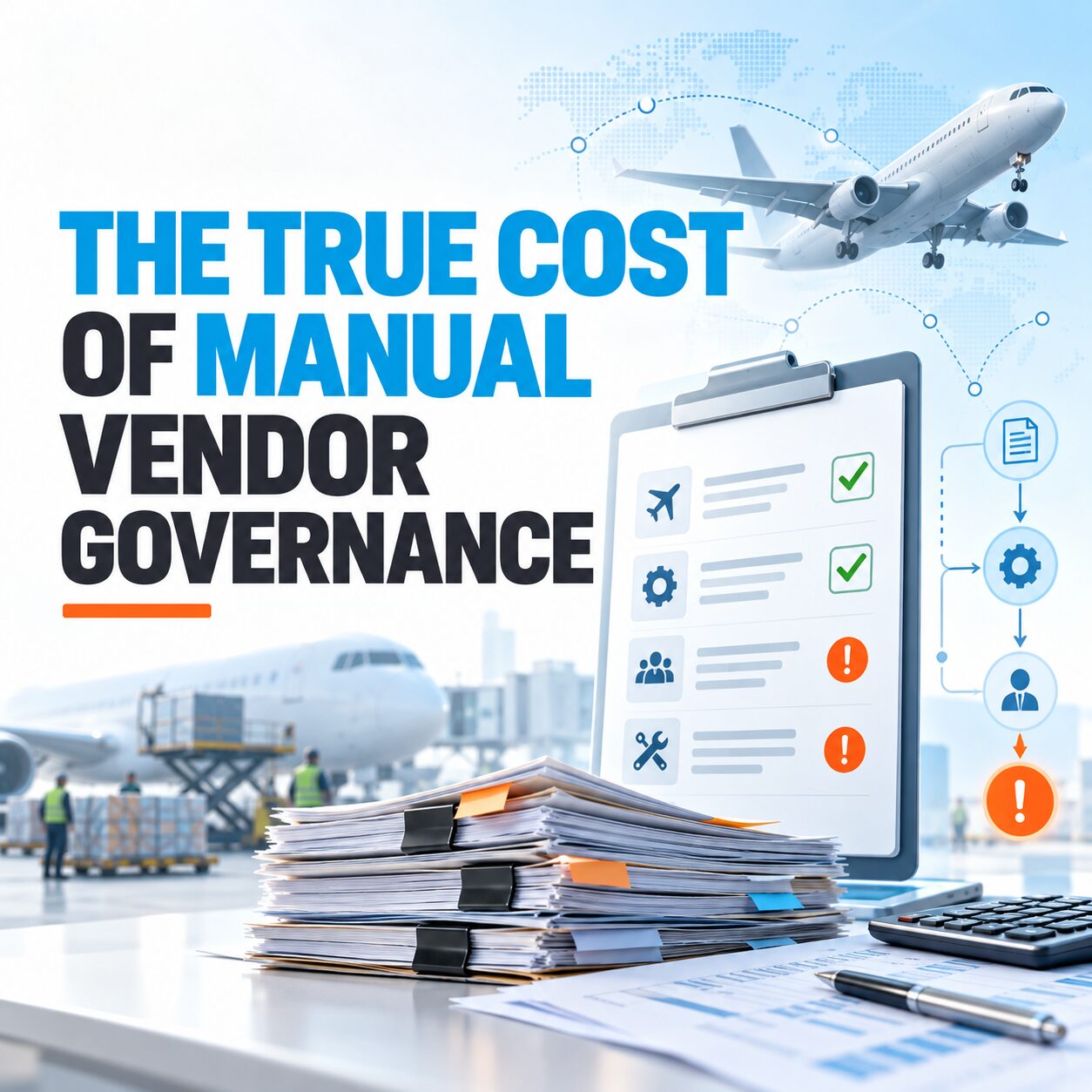
Businesses often use separate tools for finance, purchasing, inventory, sales, maintenance, and other daily operations. As the organization grows, disconnected systems can make information harder to manage. If you are asking what are ERP software, ERP stands for Enterprise Resource Planning. ERP software refers to integrated business systems that connect major departments, workflows, and data through one central platform.
These systems can help teams work from consistent information instead of maintaining separate spreadsheets and databases. Finance can track costs, purchasing can manage suppliers, and operations can monitor workflows through connected records. In aviation, ERP software may also support MRO activities, aircraft maintenance, work orders, parts, labor, compliance, and customer management.

How ERP Software Works
ERP software usually consists of connected modules that handle different business functions. Finance may use one module, while inventory, purchasing, operations, and other departments use their own areas of the same system. Because the modules share information, one transaction can update several related records without requiring employees to enter the same data repeatedly.
The U.S. Government Accountability Office describes enterprise resource planning as software that helps organizations streamline core processes such as finance, manufacturing, supply chain, sales, and procurement through a unified view of activity. Its 2025 supply chain report also notes that ERP systems can support planning, procurement, inventory management, warehouse management, and order management.
What Are ERP Software Used For?
What are ERP software used for depends on the organization and industry. A company may use ERP for accounting, purchasing, inventory, human resources, sales, asset management, reporting, and operations. The main purpose is to connect these activities so departments can share information and reduce unnecessary duplication.
A maintenance organization provides a useful example. A work order may require labor, parts, purchasing, and customer billing. When these activities exist within one ERP environment, managers can connect the operational work with its financial and material impact. This gives the organization a more complete view than separate systems can provide.

Finance Is a Core ERP Function
Financial management sits at the center of many ERP platforms. Common functions include accounts payable, accounts receivable, general ledger activity, budgeting, expenses, assets, and financial reporting. Information from other departments can flow into finance as employees complete normal business processes.
This connection can improve cost visibility. A purchase made for an aircraft maintenance job can appear in procurement, inventory, and financial records. Managers can then see how material and labor expenses relate to the work itself. Connected data reduces the need to manually reconcile several spreadsheets before reviewing financial performance.
ERP Software Connects Inventory and Procurement
Inventory and purchasing often work closely together. ERP software can track stock levels, warehouse locations, suppliers, purchase orders, material movement, and reorder requirements. More specialized systems may also track serial numbers, repairable components, exchanges, and several storage locations.
Aero Next Gen’s aviation ERP capability overview includes inventory management, purchase orders, repair orders, logistics, work orders, labor recording, accounting, and maintenance planning. These connected capabilities can help aviation organizations coordinate parts and purchasing with actual maintenance demand.
ERP Software Can Support Aviation MRO Operations
When aviation teams ask what are ERP software, they often need more than general business functions. MRO organizations may require maintenance work orders, component tracking, shop planning, labor records, repair management, customer billing, technical workflows, and inventory controls alongside standard finance and procurement functions.
Aero Next Gen’s Cloud Computing & ERP for Aviation & MRO resource describes ERP as a way to unify finance, human resources, procurement, and operations through one platform. The page also highlights workflow standardization, data accuracy, supply chain visibility, and cross-functional collaboration as important ERP benefits for aviation organizations.
ERP Can Reduce Repetitive Manual Work
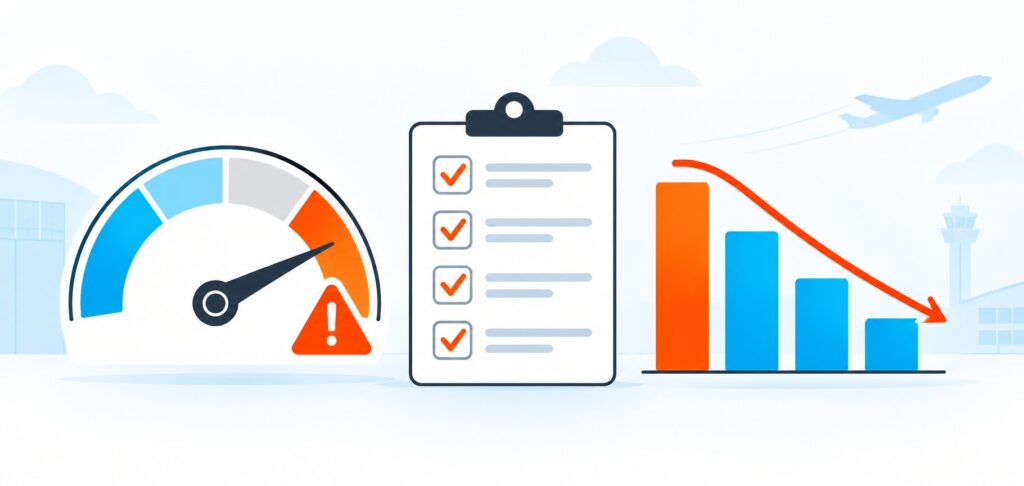
Disconnected business systems often force employees to enter the same information several times. Purchasing may create one record, finance may enter another, and operations may maintain a separate spreadsheet. This duplication takes time and increases the chance of conflicting information between departments.
An integrated ERP can allow information to move through related workflows automatically. This does not remove the need for accurate data or employee review. However, it can reduce repetitive administrative work and make information easier to access. Teams can spend more time reviewing results and solving operational problems instead of recreating the same records.
Reporting Improves With Connected Data
Managers need reliable reporting to understand business performance. ERP software can combine information from finance, purchasing, inventory, operations, sales, and other departments. Instead of waiting for several teams to prepare separate reports, managers can review connected information through one environment.
An aviation MRO may compare work order progress, labor hours, parts usage, repair costs, and customer billing. Connected reporting can make unusual delays or cost increases easier to identify. The quality of those reports still depends on accurate data, so organizations need clear rules for creating and maintaining records.
ERP Systems Need Strong Integration
ERP software does not always replace every application in a company. Aviation organizations may continue using flight operations platforms, maintenance systems, customer portals, warehouse tools, or specialized technical applications. The ERP may need to exchange data with these systems through reliable integrations.
The National Institute of Standards and Technology research on systems integration discusses how separate software systems can support connected business processes through defined interfaces and shared information. Organizations should decide which system controls each important record before building integrations. Clear data ownership can reduce conflicts between applications.

Cloud ERP Supports Connected Operations
Many modern ERP platforms use cloud infrastructure. Employees can access the system from approved internet-connected devices rather than relying entirely on applications installed on local servers. This can benefit organizations with several offices, hangars, maintenance facilities, or warehouses.
Cloud deployment still requires careful planning. Organizations need to consider cybersecurity, permissions, data ownership, integrations, and system reliability. Aero Next Gen notes that cloud ERP can help aviation organizations replace siloed tools and create a shared source of operational information across departments.
ERP Implementation Requires Careful Planning
Organizations researching what are ERP software should also consider implementation. Moving to an ERP can affect finance, inventory, purchasing, maintenance, operations, and other departments. Companies may need to clean old records, migrate historical data, configure workflows, build integrations, and train employees before the platform works effectively.
User involvement matters during this process. Employees who perform daily tasks often understand workflow problems better than people outside the department. Their input can help the organization avoid recreating inefficient processes in the new system. A successful ERP project should improve how work flows rather than simply move old spreadsheets into a larger application.
Choosing the Right ERP Software
Companies should define their operational needs before comparing ERP providers. They should identify the problems they want to solve, the workflows they need, required integrations, reporting requirements, user roles, security needs, and future growth plans. The longest feature list does not automatically make one platform the best choice.
Aviation companies also need to consider industry-specific functions. A general ERP may handle accounting and purchasing well but lack maintenance work orders, component histories, repair workflows, or aviation inventory controls. Aero Next Gen’s aviation MRO ERP guide shows why maintenance organizations need to evaluate how an ERP fits shop-floor activity, inventory, procurement, finance, and wider operational workflows.
Conclusion
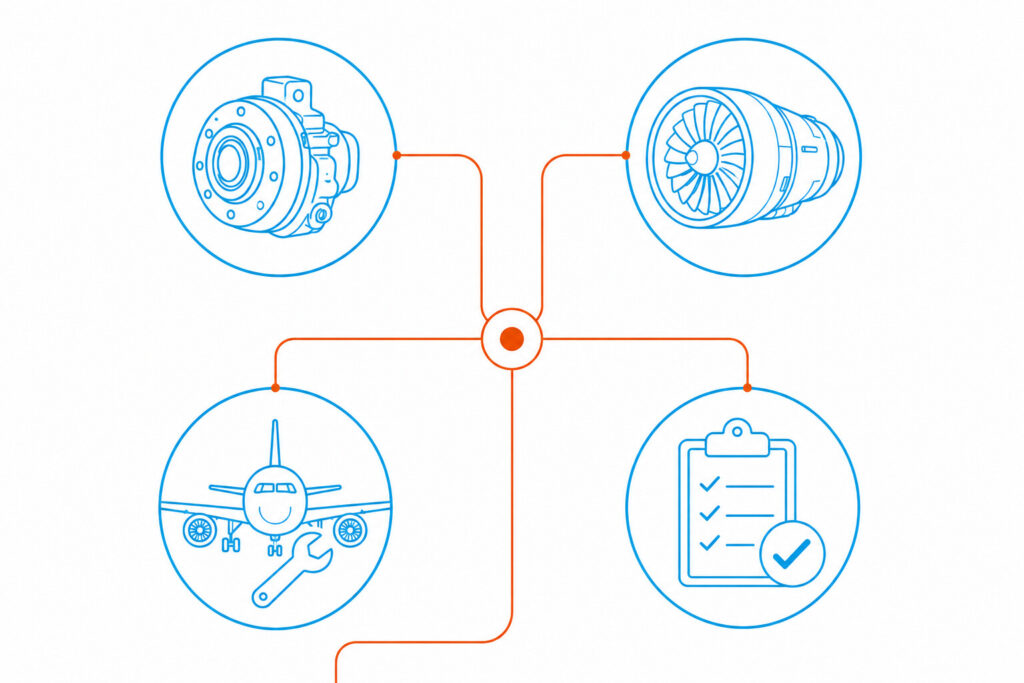
What are ERP software in practical terms? They are integrated business systems that connect departments, processes, and information through one platform. ERP software can support finance, inventory, purchasing, operations, reporting, supply chain management, and many other functions. Aviation-focused systems may extend these capabilities into MRO, maintenance planning, work orders, parts, repair management, and compliance.
Aero Next Gen helps aviation organizations compare ERP, MRO, maintenance, fleet, and operational technology solutions. Its vendor-neutral approach can help companies identify systems that match their actual requirements instead of choosing software based only on sales presentations. For organizations asking what are ERP software, the more important next question is which ERP fits the workflows, people, and aviation processes it needs to support.