Home / Technologies / Ground and Turnaround Operations
Ground handling software gives ramp, baggage and turnaround teams a live view of every aircraft on the ground: which tasks are done, which are late and who is assigned to each. Turnarounds stay on time, staff and equipment are used well and ground damage risks are reduced. We help airlines, airports and ground handlers find turnaround and ground operations tools that fit.

Illustrative dashboard, sample values
Ground handling software plans, assigns and monitors the work that happens while an aircraft is on the ground: boarding, baggage and cargo, fueling, catering, cleaning, pushback and ground equipment. It includes resource planning and rostering, real-time turnaround monitoring, baggage handling control and data that shows where delays and damage originate.
A turnaround is a tightly choreographed set of tasks performed by many teams, often from different companies, in a short window. When one task runs late, the departure slips, and every delay ripples through the day. Without real-time visibility, ramp managers find out about problems by walking the apron or listening to the radio.
Ground handling software makes the turnaround visible. Staff and equipment are planned against the schedule. Tasks are tracked in real time from mobile devices, sensors or computer vision. Managers see which turns are at risk and redeploy resources before the delay happens. Baggage systems track every bag, and incident data highlights where ground damage risks come from.
Every task on every stand, live: ramp managers see risk before it becomes a delay.
These six capabilities make up a connected ground operations platform.
Live status of every turnaround task, with alerts when a milestone is at risk.
Staff and equipment planned against the flight schedule and assigned in real time.
Bag tracking from check-in to aircraft, with transfer and loading control.
Location, availability and maintenance of ground support equipment.
Tasks, checklists and timestamps captured by ramp staff on mobile devices.
Delay codes, ground damage incidents and performance trends by station.
Ground damage and baggage mishandling cost the industry billions every year.
IATA warns that the annual cost of aircraft ground damage could reach nearly $10 billion by 2035 without preventive action, with belt-loaders, cargo-loaders, stairs and boarding bridges involved in 40% of incidents. SITA estimates mishandled baggage cost the industry about $5 billion in 2024.
Both problems start with visibility and coordination on the ramp. Ground handling software gives managers the information to plan, monitor and improve every turnaround.
Annual cost of aircraft ground damage IATA projects by 2035 without preventive action.
Estimated cost of mishandled baggage to the industry in 2024.
Share of mishandled bags that went wrong during a transfer.
These are the improvements airlines, airports and handlers report most often.

“A turnaround is a relay race. You need to see every handover.”
The Aero NextGen advisory principle
Real-time monitoring catches late tasks early so resources can be redeployed before the departure slips.
Demand-based planning puts people and equipment where they are needed, reducing idle time and overtime.
Bag tracking and transfer control reduce lost and delayed bags and the cost of recovering them.
Incident data and equipment tracking target the causes of ground damage events.
Mobile checklists and timestamps make sure every turn follows the same standard.
Delay and incident analytics show exactly where to focus improvement.
Different organizations manage different parts of the turnaround. Pick yours.
Airlines monitor turnarounds across their network and hold handlers to service levels with shared, real-time data.

Airports coordinate stands, gates, baggage systems and multiple handlers through the airport operational database and collaborative decision making.
Handlers plan staff and equipment across many airline customers and track each task for service level reporting and billing.
FBOs coordinate ramp services, fueling, hangar space and customer requests for business aircraft.
Here is what changes when turnaround coordination moves from radio calls and paper to real-time software.
| Area | Radio and clipboards | Ground handling software |
|---|---|---|
| Turnaround status | ✕ Walk the apron, call on the radio | ✓ Live view of every task |
| Staff planning | ✕ Fixed rosters, last-minute changes | ✓ Demand-based plans and assignments |
| Equipment | ✕ Searched for on the apron | ✓ Located and allocated |
| Baggage | ✕ Gaps at transfers | ✓ Tracked through each step |
| Incidents | ✕ Paper reports, rarely analyzed | ✓ Data that drives prevention |
| Service levels | ✕ Disputed after the fact | ✓ Timestamped evidence |
The fix: real-time task monitoring flags at-risk turnarounds while there is still time to recover.
The fix: demand-based planning and live assignment put staff and equipment where the schedule needs them.
The fix: bag tracking and transfer control close the gaps where most mishandling happens.
The fix: incident analytics and equipment tracking target the causes and support safer procedures.
Ground operations software pays back through fewer delays, fewer mishandled bags and less damage.
Mishandled bags are a good place to start because the cost per bag is easy to estimate. Use the calculator, then add the value of fewer delays and damage events.
These five steps help you bring visibility and control to the ramp.
Define the tasks, milestones and owners for each aircraft type and station.
Collect delay codes, mishandling rates and incidents to see where problems start.
Start where the pain is greatest: turnaround monitoring, rostering or baggage.
Roll out mobile devices or sensors so tasks are captured as they happen.
Use the data in daily briefings and weekly reviews to target improvement.
Not sure which ground operations tool fits your stations? The Solution Finder scopes it in about three minutes and matches you with vetted vendors.
Ground operations tools range from rostering to computer vision. Use these criteria to compare.
Airline, airport, handler and FBO needs differ. Choose a vendor focused on yours.
Ask how task status is captured: mobile, sensors, video or integrations.
Check rostering and resource optimization against your schedule patterns.
Look for links to the AODB, departure control, baggage systems and operations control.
Apps must work with gloves, in rain and in noise.
Include devices, sensors, licenses and integration.
Ask how the vendor supports multi-station rollouts and training.
A sample of providers listed under ground and turnaround operations, shown alphabetically. A listing is not an endorsement; the Solution Finder matches you on fit.

Monica Badra
Founder and CEO, Aero NextGen
Aero NextGen was founded by Monica Badra, who has spent more than a decade inside aviation translating real business needs into the right technology. That experience shapes how we approach ground handling software: make every handover on the ramp visible, and the turnaround takes care of itself.
We are vendor-neutral. We do not resell software, and our matching is based on your operation, your systems and your budget. Our perspective on digital MRO and aviation technology has been featured across the industry press.
The questions aviation leaders ask us most before they start. Have one we did not cover? The Solution Finder routes it to the right expert.
It plans, assigns and monitors the work done while an aircraft is on the ground, including boarding, baggage, fueling, catering, cleaning, pushback and ground equipment.
It tracks each turnaround task in real time and alerts managers when a milestone is at risk, so they can act before the departure is delayed.
By tracking bags through each step, especially transfers, where SITA data shows most mishandling occurs.
Yes. Equipment tracking, procedures and incident analytics help target the causes of ground damage events.
An airport operational database holds flight, stand, gate and resource data shared by airport users.
Often yes. Handlers need rostering and billing across many airline customers, while airlines focus on network visibility.
Ground incidents feed the safety management system, closing the loop on prevention.
Start with the free Solution Finder. It maps your ground operations pain points and matches you to the right tools.

Plan, dispatch and monitor every flight from one connected platform.

Find every tool, part and asset on the shopfloor in seconds.
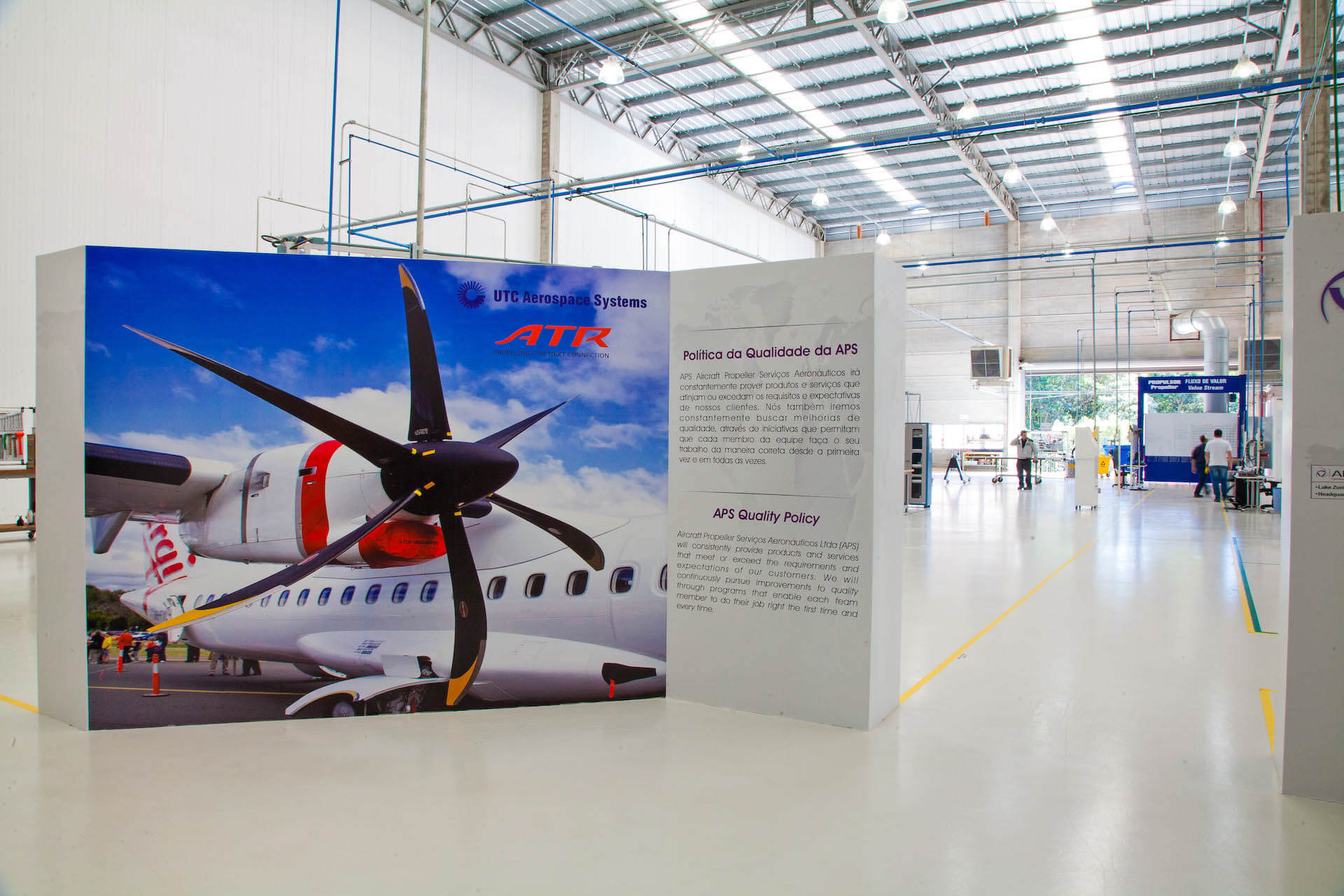
Report, assess and manage safety risk with ICAO-aligned workflows.
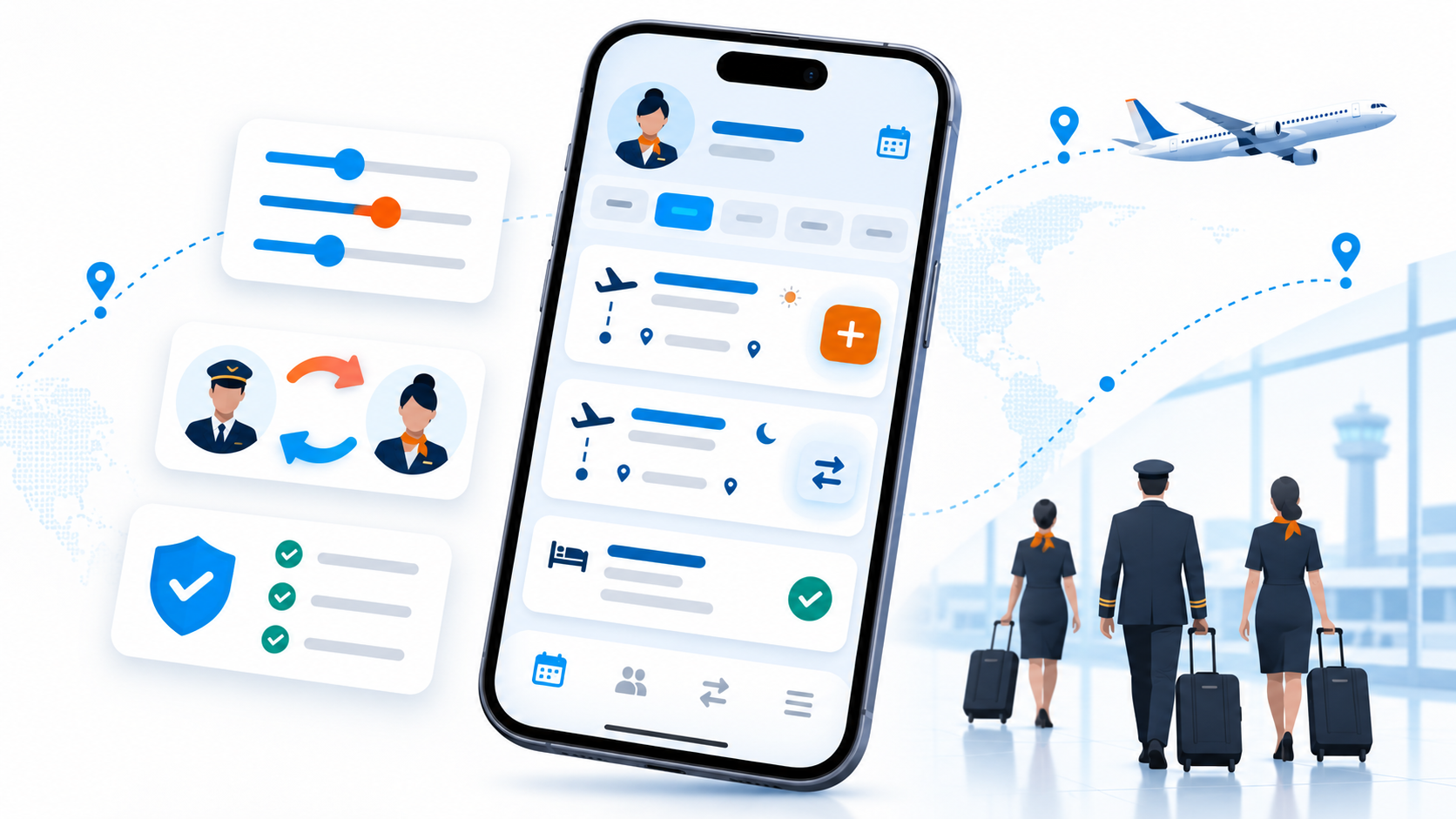
Rostering, qualifications and crew logistics without spreadsheet chaos.
Monitor every task, plan staff and equipment to demand and reduce mishandling and damage. Start with the free Solution Finder to find the right ground handling software.