
Revolutionizing Aviation MRO with ERP Solutions: A Comprehensive Guide to Shop Floor Efficiency in 2026

Introduction
The aviation Maintenance, Repair, and Overhaul (MRO) sector stands at a digital crossroads in 2026. Escalating operational complexity, global supply chain challenges, and rising customer expectations are forcing MROs to rethink how they manage shop floor efficiency. Digital transformation—anchored by next-generation ERP solutions—has become a strategic imperative, not a luxury. This article explores the evolving landscape, the real-world benefits and challenges of ERP adoption, and what MRO leaders need to know to stay competitive.
1. The State of the Industry: Why Efficiency Is Non-Negotiable
Market Pressures & Complexity
Global air traffic is projected to return to and exceed pre-pandemic levels by 2026, with over 17,000 new aircraft orders in the backlog (IATA, 2025). This surge is straining MRO capacity, driving up labor costs, and intensifying competition. At the same time, regulatory scrutiny and customer demands for transparency are at an all-time high.
Key Pain Points:
- Aircraft on Ground (AOG) events due to delayed parts or manual processes
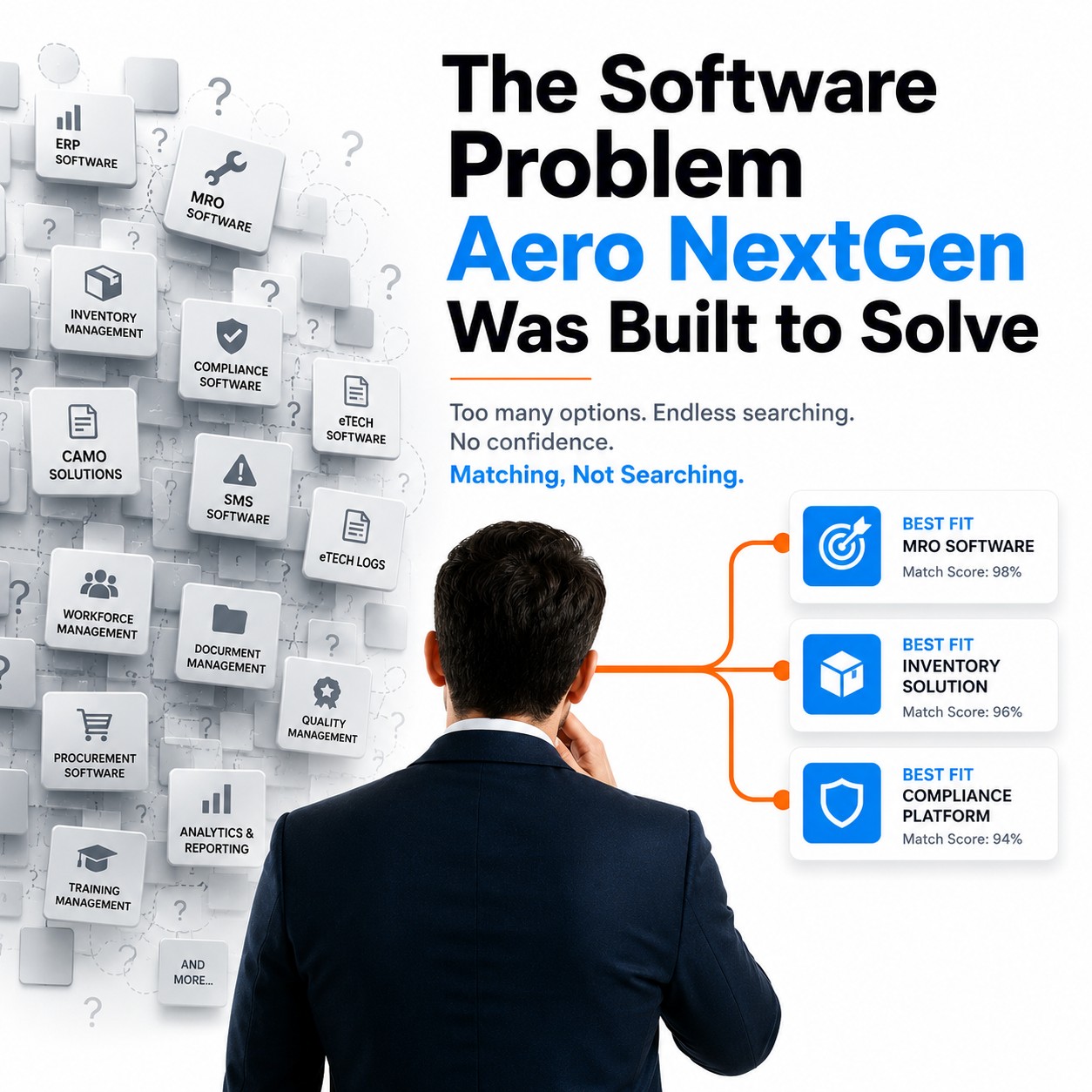
- Fragmented information across legacy systems
- Increased compliance requirements (EASA, FAA, Transport Canada, etc.)
- Difficulty scaling operations with traditional tools
Industry Insight:
According to Aviation Week’s 2025 MRO Survey, over 60% of MRO leaders cite “workflow inefficiency and manual processes” as their top operational challenge.
2. Digital Transformation: From Buzzword to Business Necessity
The Shift to Cloud & Connected Systems
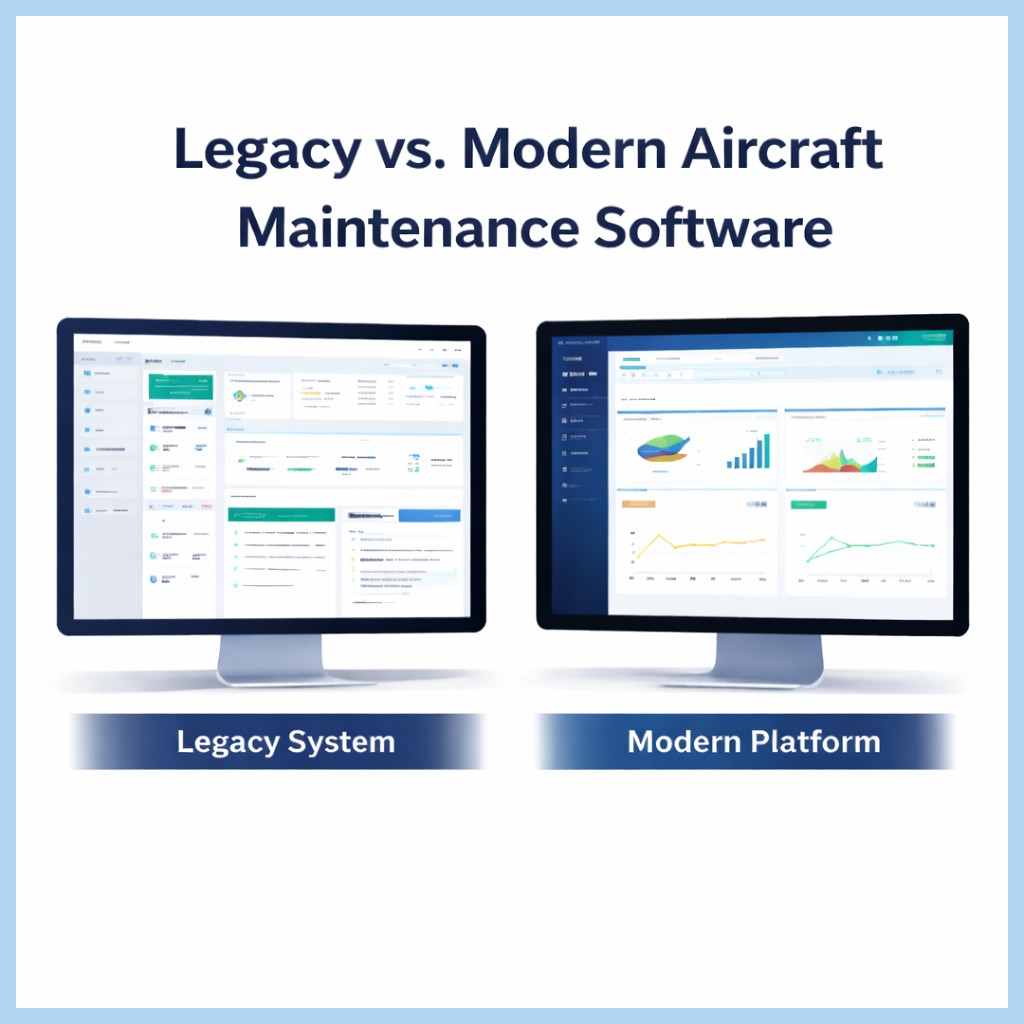
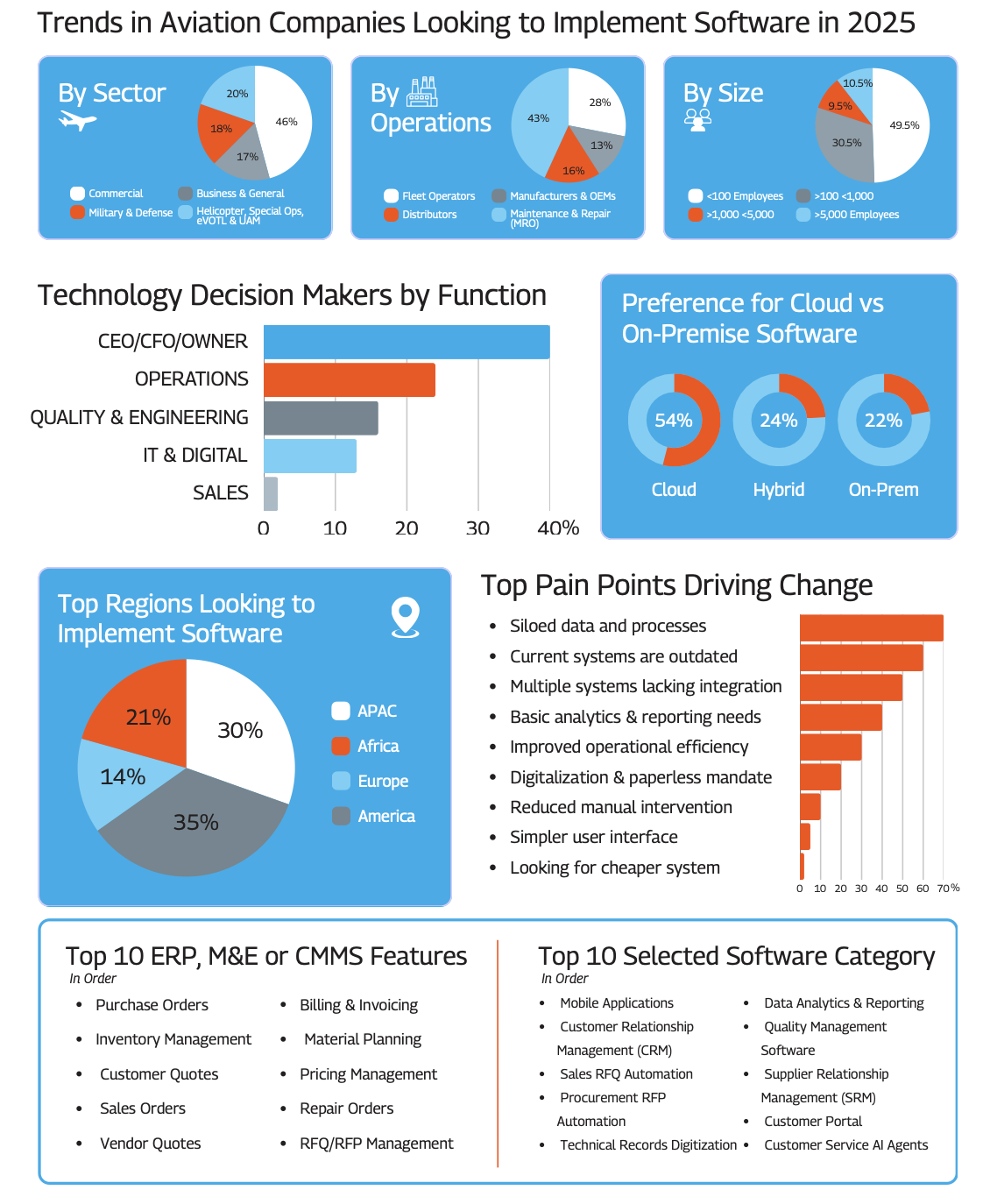
Modern MROs are moving away from on-premises, fragmented software stacks toward integrated, cloud-based ERP platforms. These systems enable real-time data sharing, remote collaboration, and seamless updates—critical for multi-site operations and regulatory compliance.
Validated Trends:
- 72% of MROs surveyed by Oliver Wyman (2025) plan to invest in new ERP or workflow automation tools within the next 24 months.
- Cloud-based ERP adoption has grown by 30% year-over-year since 2023 (AeroNextGen Whitepaper, 2025).
Why Shop Floor Efficiency Matters
- Revenue Impact: Delays in returning aircraft to service result in direct revenue losses and missed SLAs. A single AOG event can cost an airline $10,000–$150,000 per day (IATA, 2025).
- Workflow Complexity: MROs must orchestrate parts, labor, certifications, and customer communication—often across borders and time zones. Manual handoffs and siloed systems multiply errors and slowdowns.
- Competitive Advantage: Digital-first MROs are winning more contracts, as RFPs increasingly require proof of digital capability and rapid turnaround.









.webp)





.png)

.png)
.png)


%20(1).png)








.png)















.jpeg)



.png)












3. The ERP Advantage: What Modern Solutions Deliver
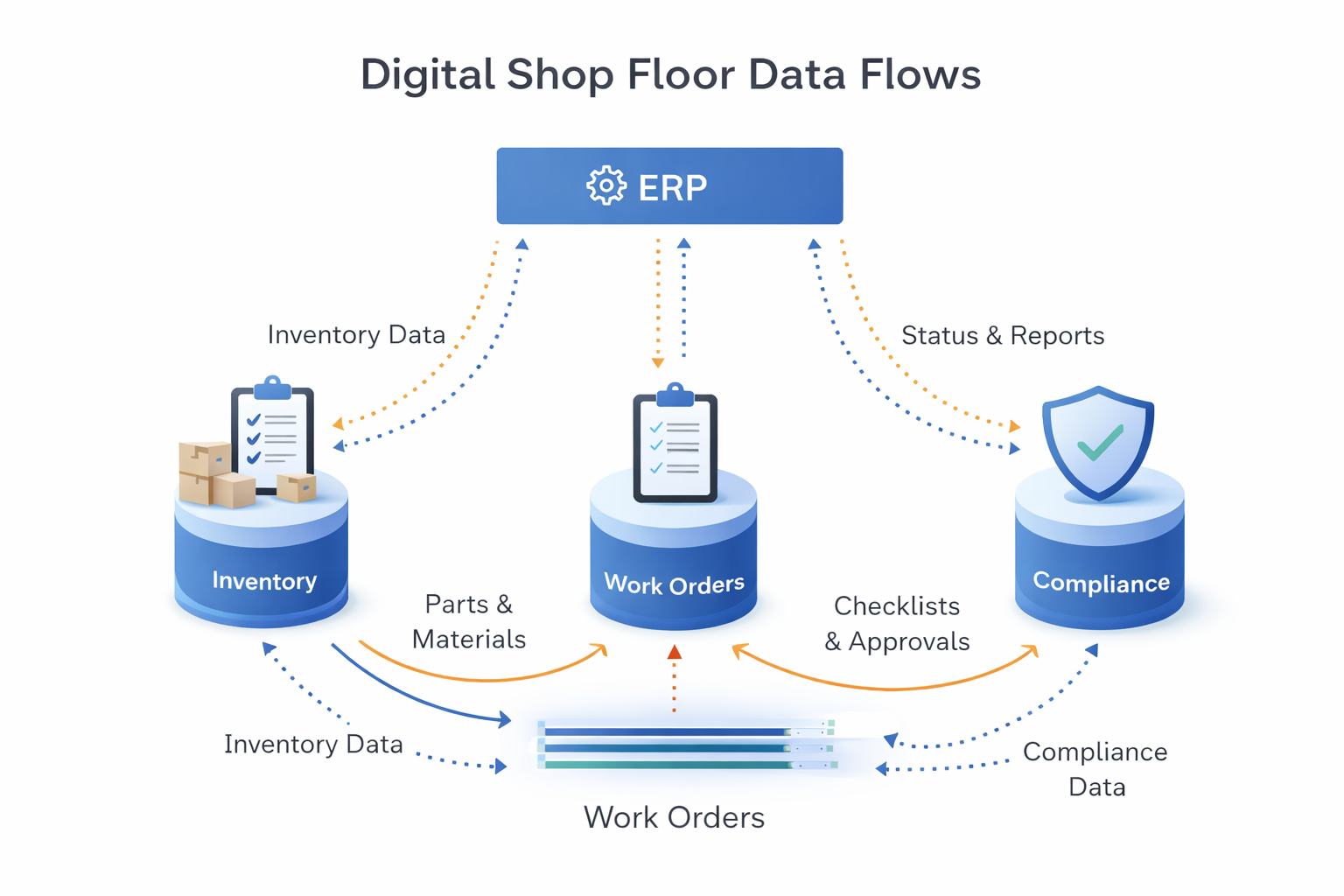
Real-Time Inventory Management
- RFID, Barcoding, and IoT: Modern ERPs integrate advanced tracking, enabling precise part location, real-time inventory levels, and automated cycle counts.
- Example: RFID-enabled platforms have reduced inventory discrepancies and stockouts by up to 40% in large MROs (Aviation Week, 2025).
- Supply Chain Integration: Direct connections to suppliers streamline procurement, reduce lead times, and help MROs adapt to ongoing spare parts shortages.
Automated Work Order Processing & Scheduling
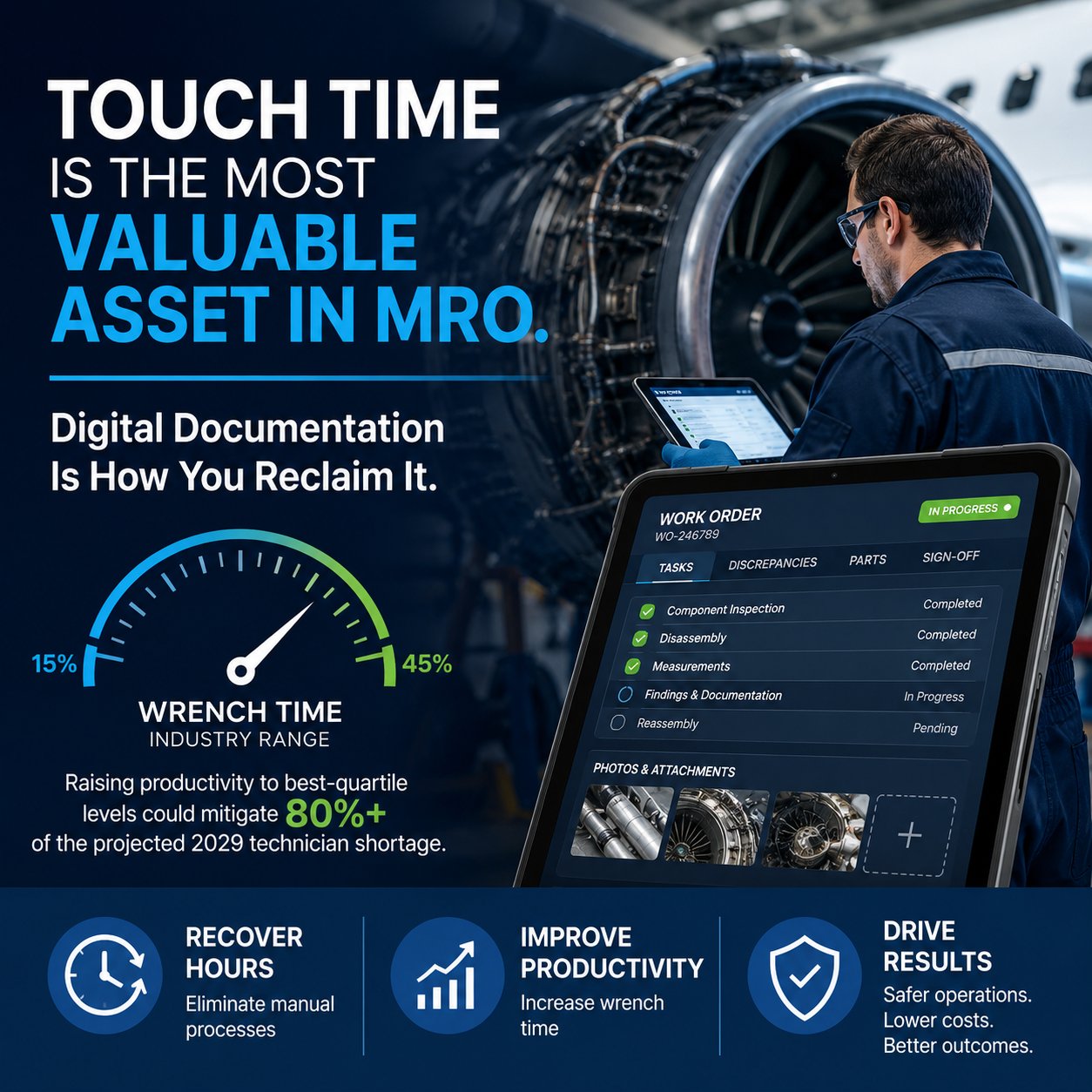
- Digital Workflows: Automated job creation, assignment, and sign-off eliminate paperwork and reduce bottlenecks.
- Smart Scheduling: AI-driven scheduling tools optimize technician assignments based on skills, certifications, and workload, increasing shop throughput.
Integrated Compliance & Reporting
- Centralized Documentation: All airworthiness directives, maintenance logs, and regulatory documents are stored and managed in a single system.
- Automated Alerts: Real-time notifications help prevent missed inspections or expiring certifications, reducing compliance risk.
Data-Driven Performance Analytics
- Dashboards & KPIs: ERPs provide actionable insights into parts usage, labor efficiency, and turnaround times.
- Predictive Maintenance: Integration with IoT and AI tools enables predictive analytics, helping MROs anticipate failures and schedule maintenance proactively.
Supplier & Customer Portals
- Collaborative Platforms: Secure, real-time portals allow for automated parts ordering, approvals, and status updates, reducing cycle times and enhancing transparency.
Customer Experience: Clients can track job status, access documentation, and communicate directly with MRO teams.
4. Implementation Realities: Challenges & Best Practices
Legacy System Migration
- Phased Rollouts: Leading MROs start with critical workflows—such as inventory or compliance—before expanding to full-scale ERP deployment. This minimizes disruption and allows teams to adapt incrementally.
- Data Cleansing: Migrating clean, structured data is essential for realizing ERP benefits and avoiding future integration headaches.
Change Management
- Training & Communication: Success depends on staff buy-in at all levels. Invest in ongoing training, clear communication, and “champions” to drive adoption.
- Cultural Shift: Moving from manual to digital workflows can be disruptive; leadership must articulate the “why” and share early wins to maintain momentum.
Integration
- Open APIs: Modern ERPs must connect with IoT sensors, AI analytics, and specialized aviation tools. Open APIs and proven integration frameworks are non-negotiable for future scalability.
- Vendor Selection: Evaluate vendors not just on features, but on aviation expertise, support, and roadmap alignment.
5. The Evolving Vendor Landscape
Major Players
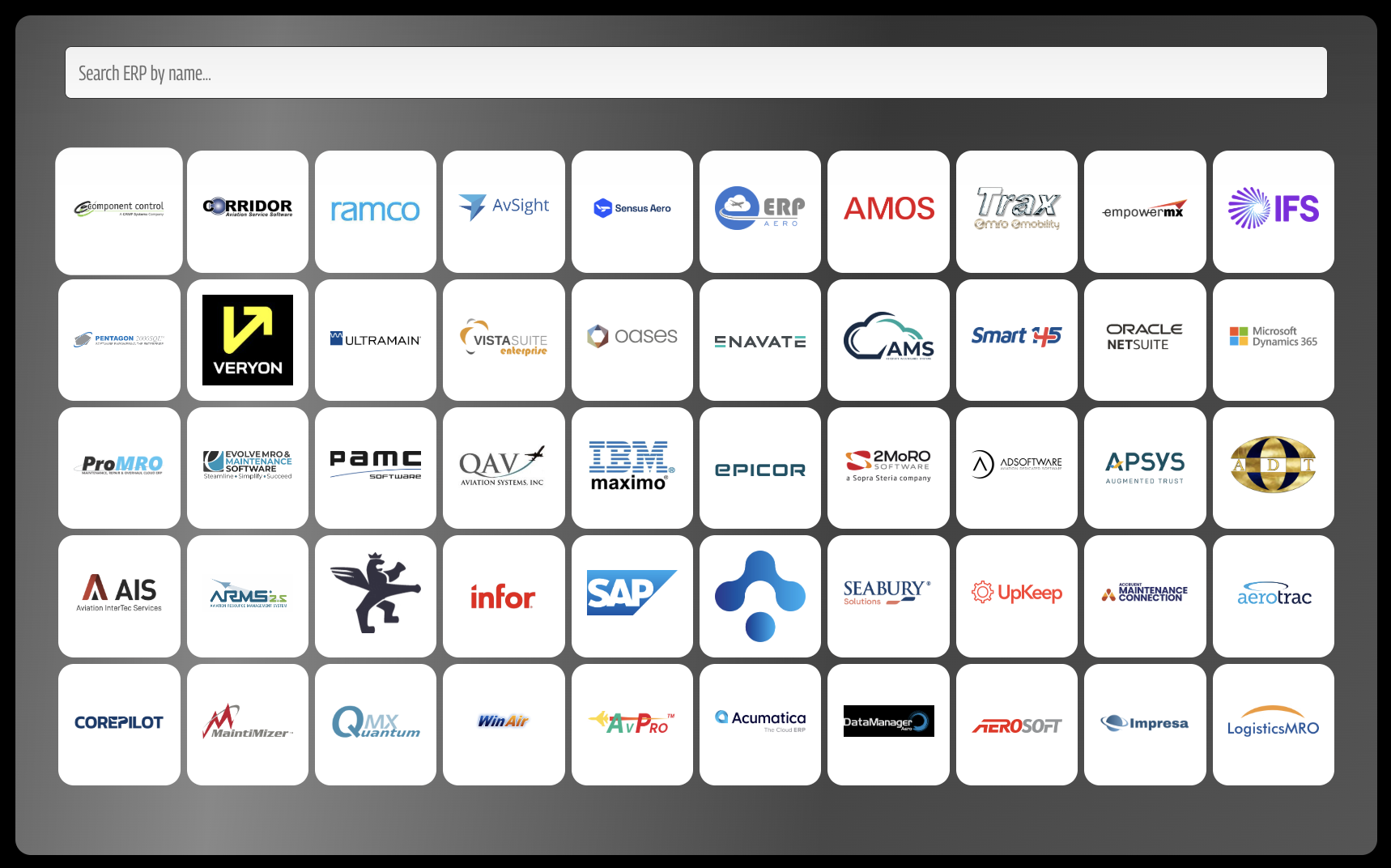
Enterprise: SAP, IFS, AMOS, Ramco, TRAX—comprehensive, robust, with ability to add complex customization.
- Mid-Market: Quantum Control, Corridor, EmpowerMX, Ultramain—balance of functionality and agility, ideal for medium-sized MROs.
Innovators: AvSight, VistaSuite, Veryon, Smart145, ERP.Aero—cloud-native, modular, and adopted by smaller or specialized MROs.
Industry Note:
The right solution depends on operational complexity, regulatory environment, and growth ambitions—not one-size-fits-all.
.png)
6. Strategic Recommendations for MRO Leaders
- Anchor Tech Investments to Pain Points: Don’t chase features; solve your biggest operational challenges first.
- Prioritize Integration & Flexibility: The pace of change in aviation tech is accelerating. Choose solutions that can evolve with you.
- Insist on Vendor Independence: Seek unbiased guidance, benchmark options, and demand transparency on costs and roadmaps.
Conclusion
Digital transformation is reshaping the aviation MRO sector. Modern ERP solutions—when strategically selected and implemented—are delivering real-world gains in efficiency, compliance, and customer satisfaction. The winners in 2026 will be those who move beyond legacy thinking to build agile, data-driven, and digitally connected shop floors.
Call to Action
Ready to benchmark your ERP options and unlock next-level shop floor performance? Take the Solution Finder Quiz for a personalized, vendor-neutral shortlist of solutions tailored to your operational reality.
About Us
Aero NextGen is an independent aviation technology brokerage, connecting MROs with vetted software and service providers to drive operational excellence. Our vendor-neutral approach ensures you get the best-fit solution—no bias, just results.
Contact us:
- Email: ask@aero-nextgen.com
- Website: https://aero-nextgen.com/
LinkedIn/Social Snippet
Sources
- Aviation Week MRO Survey, 2025
- IATA Industry Report, 2025
- Oliver Wyman MRO Survey, 2025
- AeroNextGen Whitepaper, 2025
- Aerospace Innovations Magazine, August 2025

Aviation Solutions, Find your Match
Run the survey to get a shortlist of the systems that match your operational needs – fast, simple, free.
Related Posts


.jpg)



%20(1).png)
%20(1).png)
.png)
%20(1)%20(1)%20(1).png)
.png)
.png)


%20(1).png)
.png)






%20(1)%20(1)%20(1)%20(1).png)
.png)
%20(1).png)
.png)
%20(1).png)
.png)
%20(1)%20(1).png)
.png)
.png)
.png)
%20(1)%20(1)%20(1)%20(1).png)
%20(1).webp)
.png)
.jpeg)
%20(1).webp)

.webp)
%20(1).webp)

Aero NextGen matched us to the right solution providers that helped us standardize the data in such a way that we can now put it to use. Aero Nextgen’s ability to quickly understand the business needs and translate them into tangible solutions was impressive.


Aero NextGen matched us to the right solution providers that helped us standardize the data in such a way that we can now put it to use. Aero Nextgen’s ability to quickly understand the business needs and translate them into tangible solutions was impressive.
Aero NextGen matched us to the right solution providers that helped us standardize the data in such a way that we can now put it to use. Aero Nextgen’s ability to quickly understand the business needs and translate them into tangible solutions was impressive.
We generate a tremendous amount of data. Aero NextGen matched us to the right solution providers that helped us standardize the data in such a way that we can now put it to use. Aero Nextgen's ability to quickly understand the business needs and translate them into tangible solutions was impressive.


Aero Next Gen quickly identified our challenges and matched us with the right ERP solution. Their expertise saved us time, and transformed our MRO operations.


My experience working with Aero NextGen is extremely positive. We setup a battery shop in the middle of Brexit in under 6 months with their help. Thoroughly professional. Attention to detail is second to none with innovative and creative ideas.
.png)

We have been struggling to performance manage our shopfloors for ages. Aero NextGen has connected us to solution providers that solved this for us within weeks. We are now capable of tracking capacity, productivity, utilization, and operational efficiency with instantaneously. The level of expertise has made the engagement seamless for our internal teams.


Straight to Your Inbox.
Subscribe to receive the latest trends on aviation software and services.