
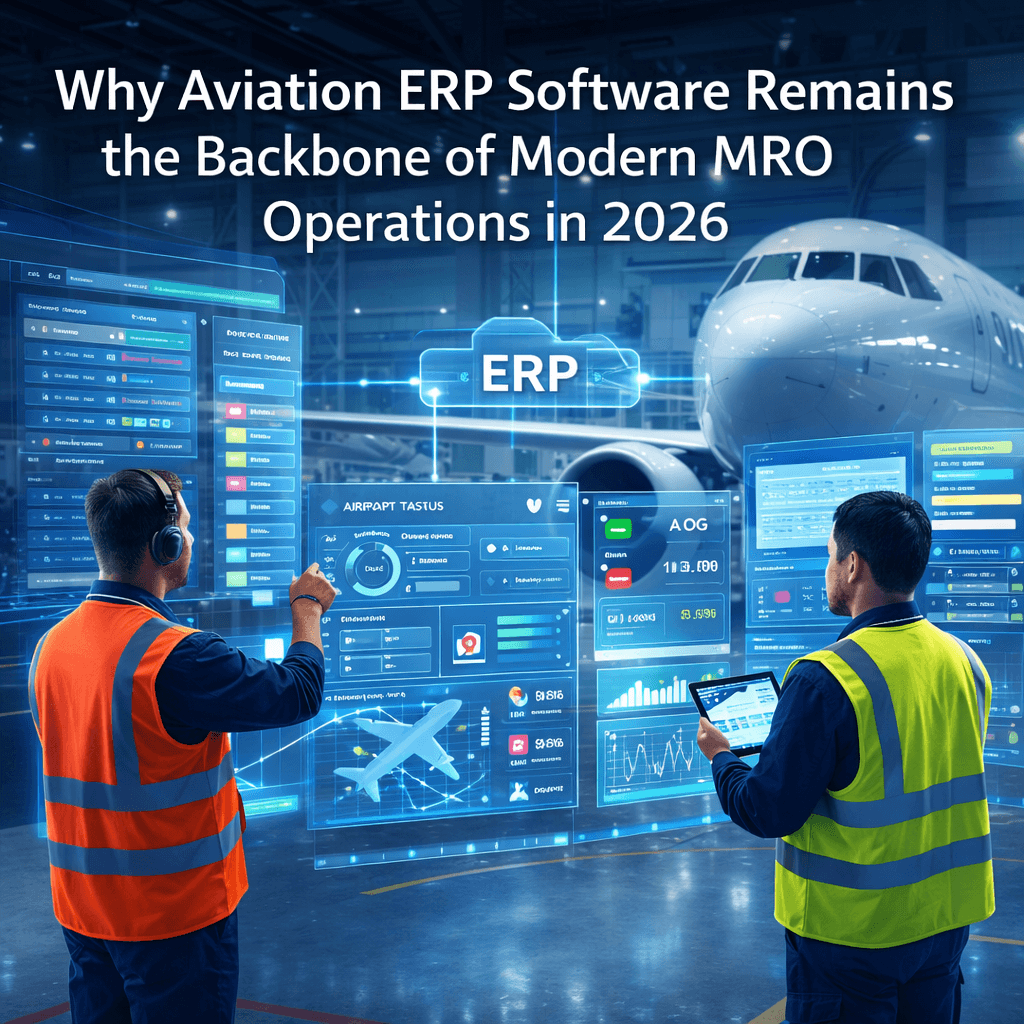
Why Aviation ERP Software Remains the Backbone of Modern MRO Operations in 2026

The aviation MRO sector handles over $100 billion in annual maintenance spend, yet **most operators still wrestle with fragmented systems that can't communicate**. In 2026, this isn't just inefficient—it's unsustainable. Aviation ERP software has evolved from a nice-to-have luxury to an operational imperative, especially as supply chain disruptions continue to challenge the industry.
Monica Badra, founder of Aero NextGen, puts it bluntly: "The MRO operators still running on spreadsheets and disconnected point solutions are actively bleeding money. Every manual handoff between maintenance, costing, quoting, and finance represents lost time and increased error rates."
The question isn't whether to implement aviation ERP software anymore. It's which solution actually delivers on its promises.
%20(1)%20(1).png)
The Integration Crisis That Aviation ERP Software Must Solve
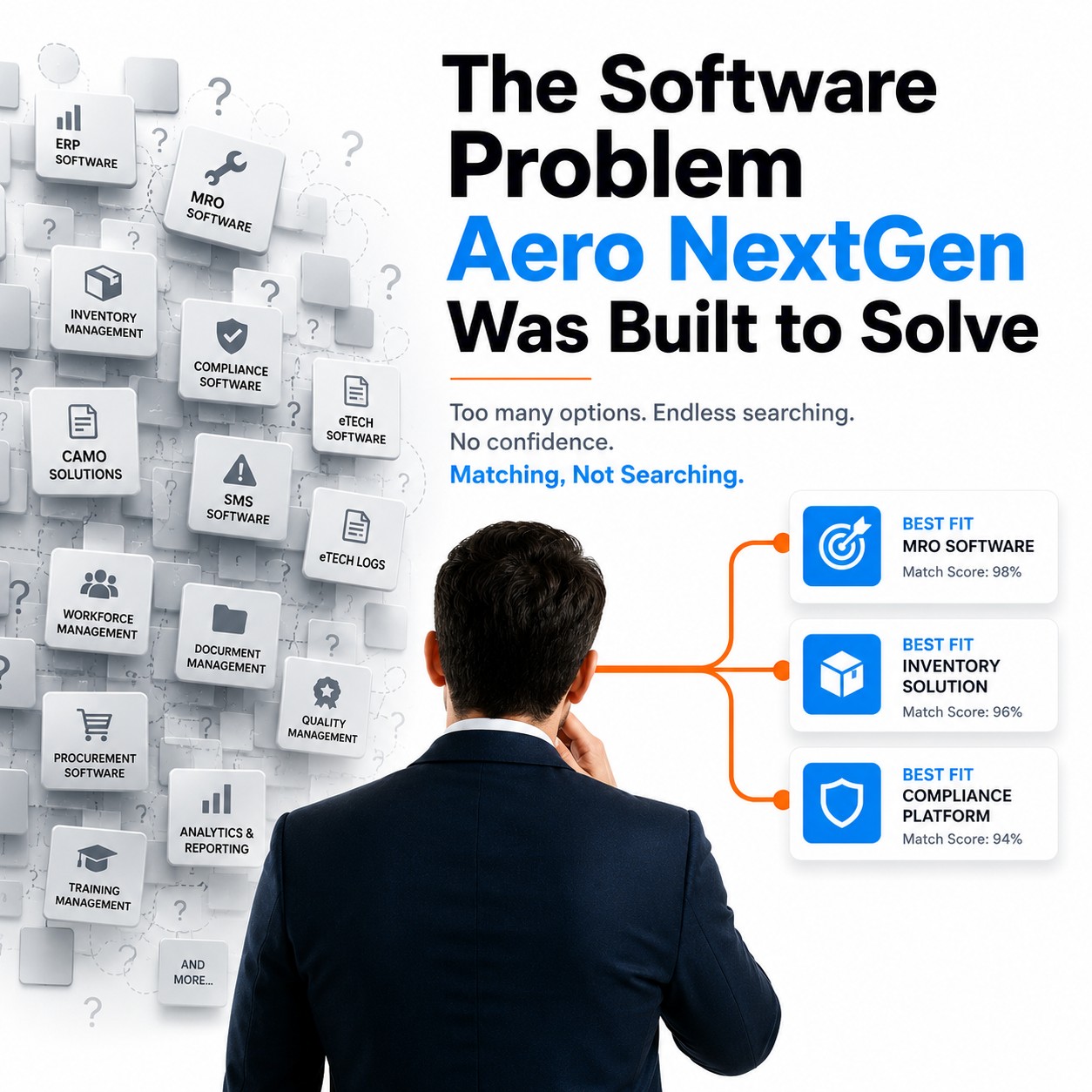
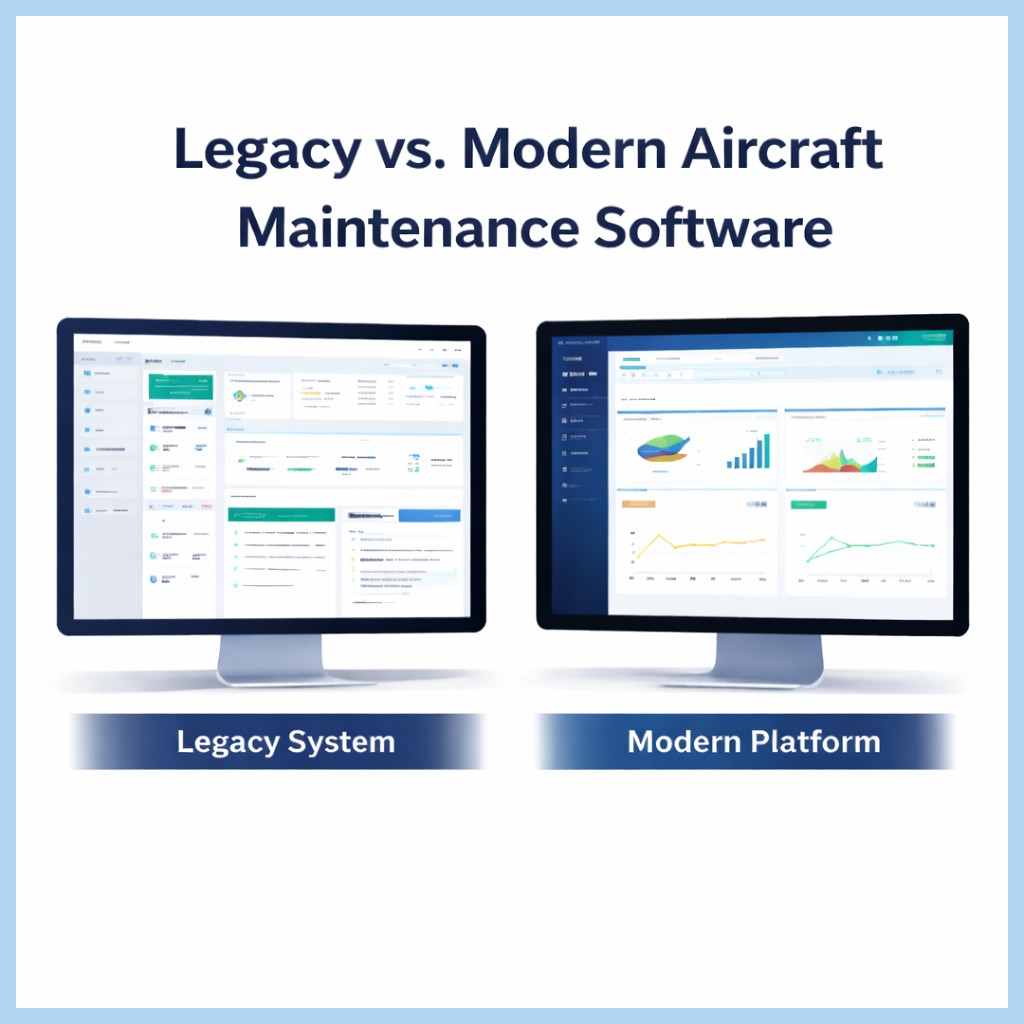
Here's the uncomfortable reality: most medium to large MRO organizations use 5-12 different software systems that don't talk to each other. Maintenance technicians log work in one system, parts inventory lives in another, and financial teams work from entirely separate databases. The result? Data re-entry, version control nightmares, and zero real-time visibility.
Aviation Week reported in early 2026 that integration challenges cost the average MRO provider between 15-20% in operational efficiency—a staggering figure when margins are already thin. The legacy approach of buying "best-of-breed" point solutions and hoping they'll somehow work together has categorically failed.
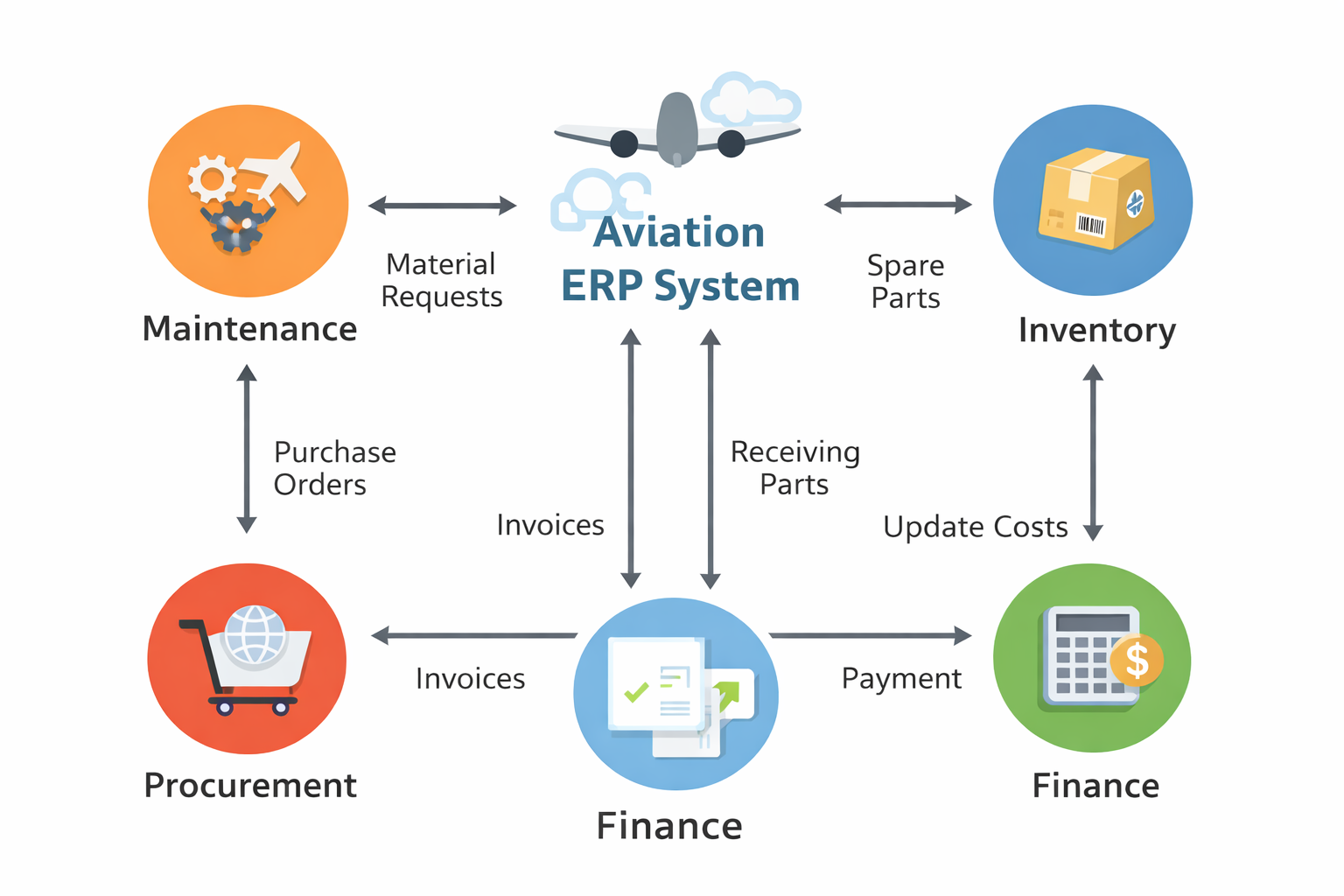
Modern aviation ERP software addresses this by providing a unified data architecture. When a technician orders a part, the system simultaneously updates inventory levels, triggers procurement workflows, adjusts project costs, and notifies finance—all automatically. This isn't revolutionary technology; it's just properly implemented architecture that the industry has resisted for too long.







.webp)




.png)

.png)
.png)


%20(1).png)








.png)












.jpeg)



.png)











What Separates Effective Aviation ERP Software From Vaporware
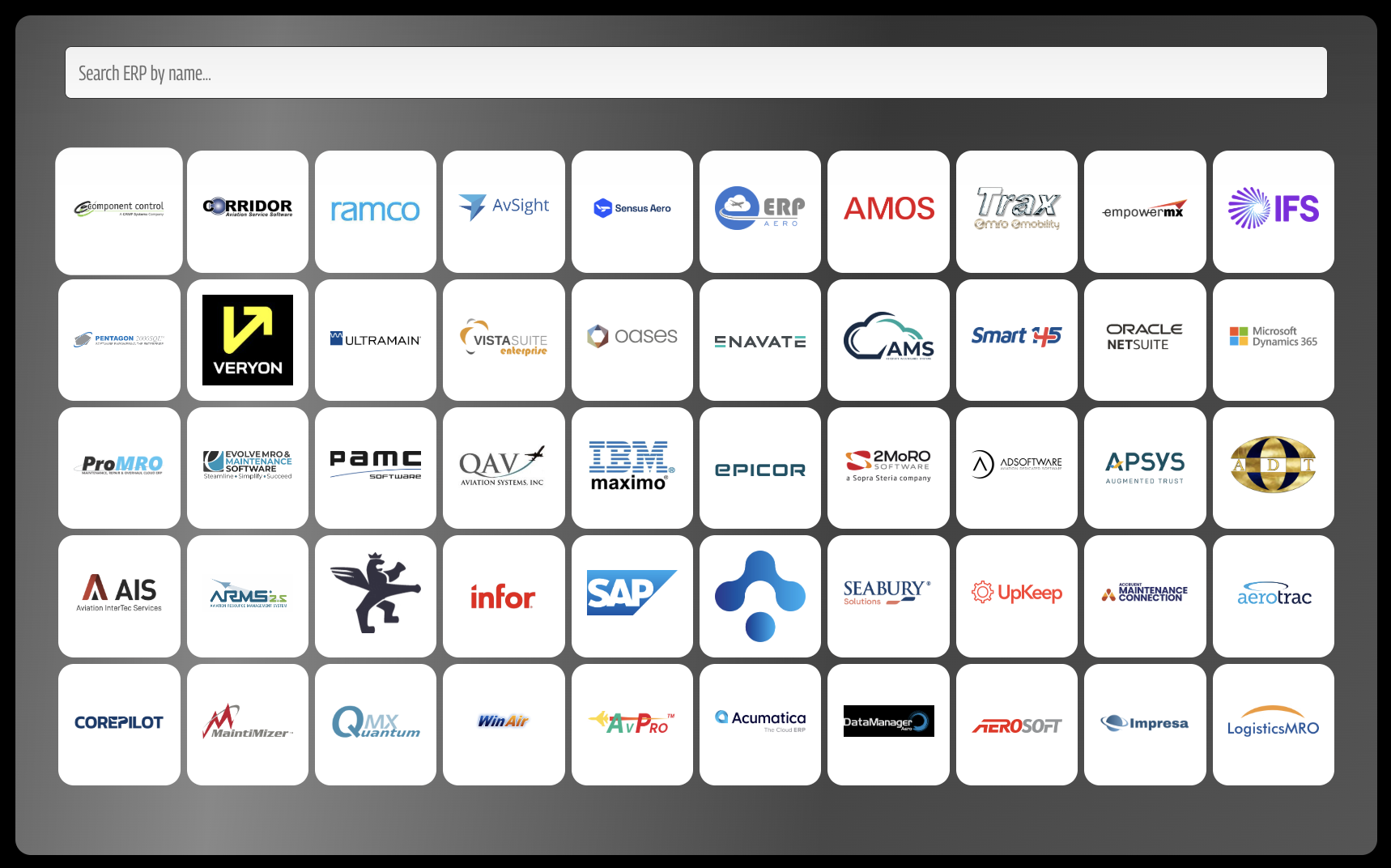
The marketplace is flooded with vendors promising "complete solutions." Most deliver incomplete implementations. Based on analyzing Aero NextGen marketplace providers, here's what actually matters:
Aviation-specific functionality isn't optional. Generic ERP systems retrofitted for aviation invariably fail because they don't understand Part 145 compliance, airworthiness directives, or component traceability requirements. Solutions must be purpose-built for aviation regulatory environments.
Real-time inventory visibility across multiple locations separates the real leaders. When an AOG situation hits, knowing you have that part—and its exact certification status—at a facility 2,000 miles away can mean the difference between a 4-hour fix and a 4-day aircraft down situation.
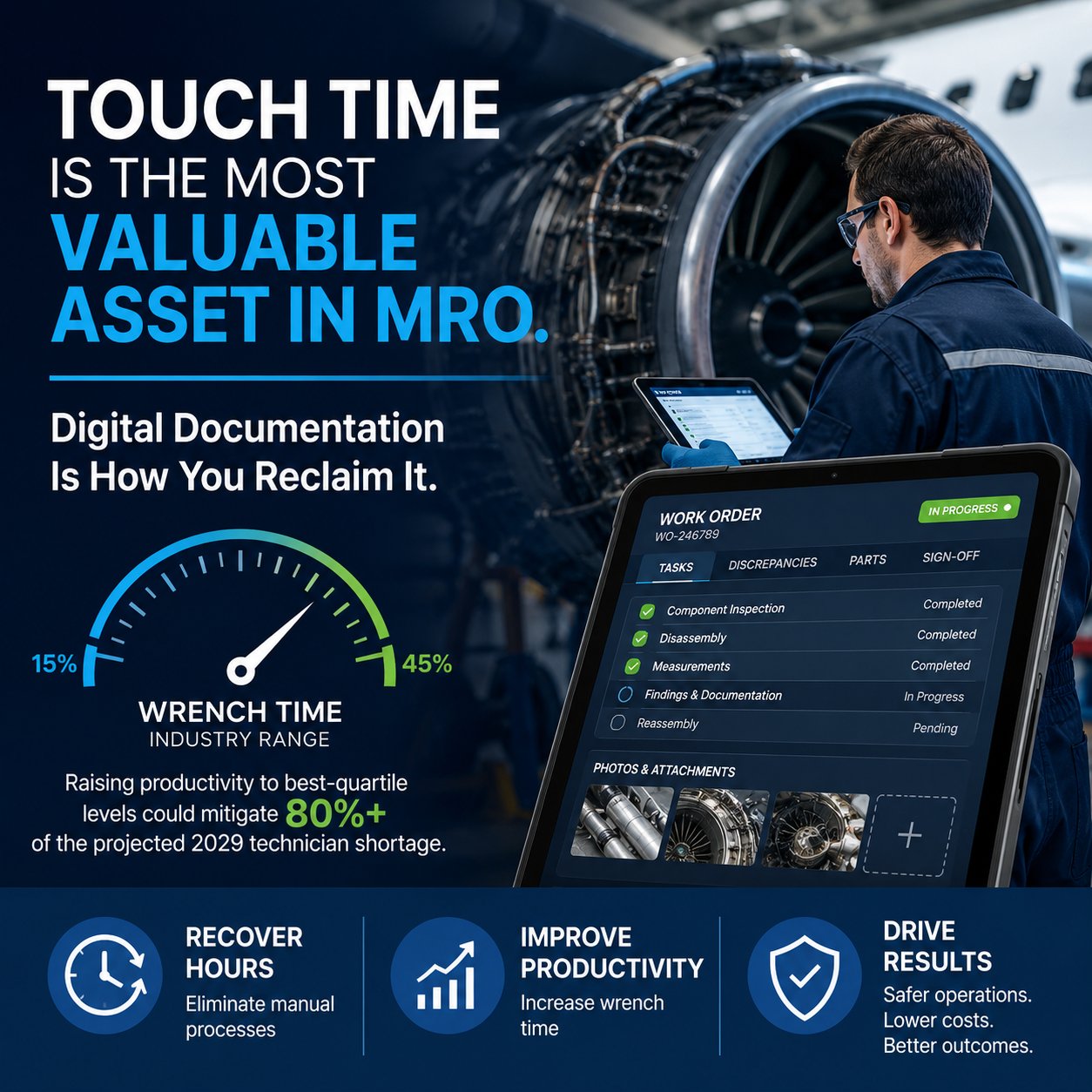
Mobile-first maintenance execution matters more in 2026 than ever. Technicians work on flight lines and in hangars, not at desktop computers. If your aviation ERP software requires going back to an office terminal to update work orders, you've already lost.
.png)
The 2026 Aviation ERP Software Landscape: Current State and Future Direction
The consolidation predicted three years ago hasn't materialized—instead, specialization has accelerated. Rather than one-size-fits-all mega-solutions, successful MRO operations in 2026 are implementing modular aviation ERP software that connects best-in-class components through robust APIs.
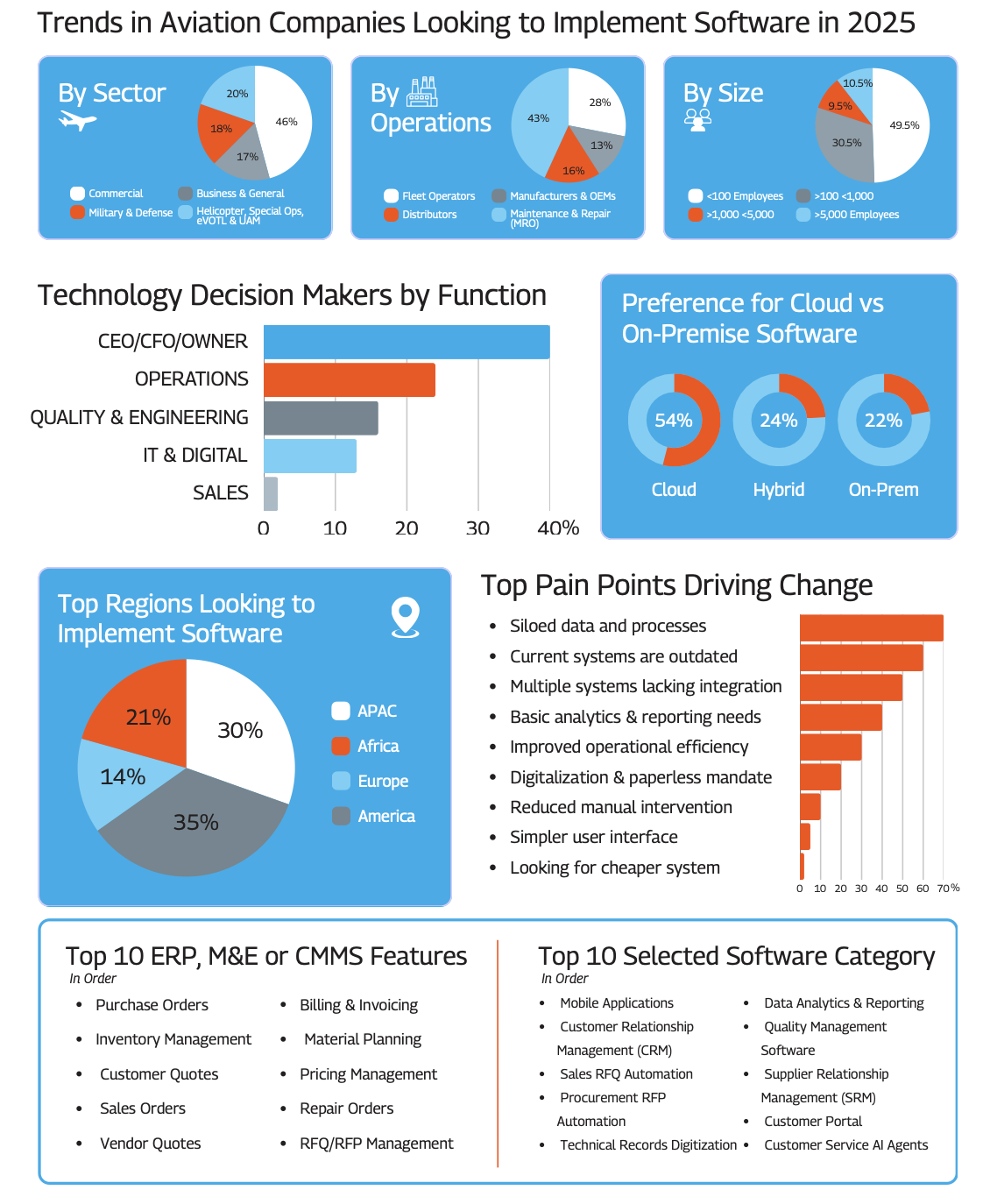
This architectural shift reflects a broader industry maturation. According to AviTrader's Q1 2026 market analysis, MRO software spending is up 23% year-over-year, but implementation timelines have actually decreased by 18%. Organizations are getting smarter about phased rollouts and focusing on quick wins rather than multi-year transformation programs that collapse under their own complexity.
The winning approach? Start with financial and inventory management as your core aviation ERP software foundation, then systematically add maintenance planning, scheduling, and analytics modules. This modular methodology reduces risk and demonstrates ROI faster—critical factors when convincing stakeholders who've been burned by previous failed implementations.
%20(1).png)
Conclusion: Choose Aviation ERP Software Based on Your Actual Workflows
The most expensive mistake in aviation ERP software selection is choosing based on feature checklists rather than how you actually work. Every vendor will claim to do everything. What matters is how well their solution maps to your specific maintenance workflows, regulatory requirements, and integration needs.
Overwhelmed by options? Aero NextGen's Solution Finder Quiz matches you with the perfect aviation software for your specific needs in under 2 minutes. Take the quiz at aeronextgen.com and discover your ideal solution today.

Aviation Solutions, Find your Match
Run the survey to get a shortlist of the systems that match your operational needs – fast, simple, free.
Related Posts


.jpg)


%20(1).png)
%20(1).png)
.png)
%20(1)%20(1)%20(1).png)
.png)
.png)

%20(1).png)
.png)






%20(1)%20(1)%20(1)%20(1).png)
.png)
%20(1).png)
.png)
%20(1).png)
.png)
%20(1)%20(1).png)
.png)
.png)
.png)
%20(1)%20(1)%20(1)%20(1).png)
%20(1).webp)
.png)
.jpeg)
%20(1).webp)

.webp)
%20(1).webp)

Aero NextGen matched us to the right solution providers that helped us standardize the data in such a way that we can now put it to use. Aero Nextgen’s ability to quickly understand the business needs and translate them into tangible solutions was impressive.


Aero NextGen matched us to the right solution providers that helped us standardize the data in such a way that we can now put it to use. Aero Nextgen’s ability to quickly understand the business needs and translate them into tangible solutions was impressive.
Aero NextGen matched us to the right solution providers that helped us standardize the data in such a way that we can now put it to use. Aero Nextgen’s ability to quickly understand the business needs and translate them into tangible solutions was impressive.
We generate a tremendous amount of data. Aero NextGen matched us to the right solution providers that helped us standardize the data in such a way that we can now put it to use. Aero Nextgen's ability to quickly understand the business needs and translate them into tangible solutions was impressive.


Aero Next Gen quickly identified our challenges and matched us with the right ERP solution. Their expertise saved us time, and transformed our MRO operations.


My experience working with Aero NextGen is extremely positive. We setup a battery shop in the middle of Brexit in under 6 months with their help. Thoroughly professional. Attention to detail is second to none with innovative and creative ideas.
.png)

We have been struggling to performance manage our shopfloors for ages. Aero NextGen has connected us to solution providers that solved this for us within weeks. We are now capable of tracking capacity, productivity, utilization, and operational efficiency with instantaneously. The level of expertise has made the engagement seamless for our internal teams.


Straight to Your Inbox.
Subscribe to receive the latest trends on aviation software and services.