
Aviation Maintenance Management: How Forward-Thinking MROs Are Solving 2026's Biggest Operational Challenges

The aviation industry has reached a critical inflection point. With global aircraft fleets projected to exceed 39,000 commercial aircraft in 2026 and a persistent technician shortage affecting nearly every major market, aviation maintenance management has never been more complex—or more critical to operational success.
Yet here's the uncomfortable truth: most MROs are still running operations with systems designed for a pre-digital era. The consequences? Grounding delays, compliance nightmares, and profit margins that keep shrinking despite record demand for maintenance services.
Monica Badra, founder of Aero NextGen, puts it bluntly: "The gap between what MRO software can do today and what most facilities are actually using is staggering. We're not talking about minor inefficiencies—we're talking about MROs leaving millions on the table because they're managing billion-dollar operations with glorified spreadsheets."

The Current State of Aviation Maintenance Management: What's Actually Happening in 2026
The maintenance landscape has fundamentally changed. According to recent industry analysis, the average aircraft now requires approximately 3,000 hours of maintenance annually, with wide-body aircraft demanding significantly more. Simultaneously, the FAA and EASA have introduced increasingly stringent digital recordkeeping requirements that legacy systems simply cannot accommodate efficiently.
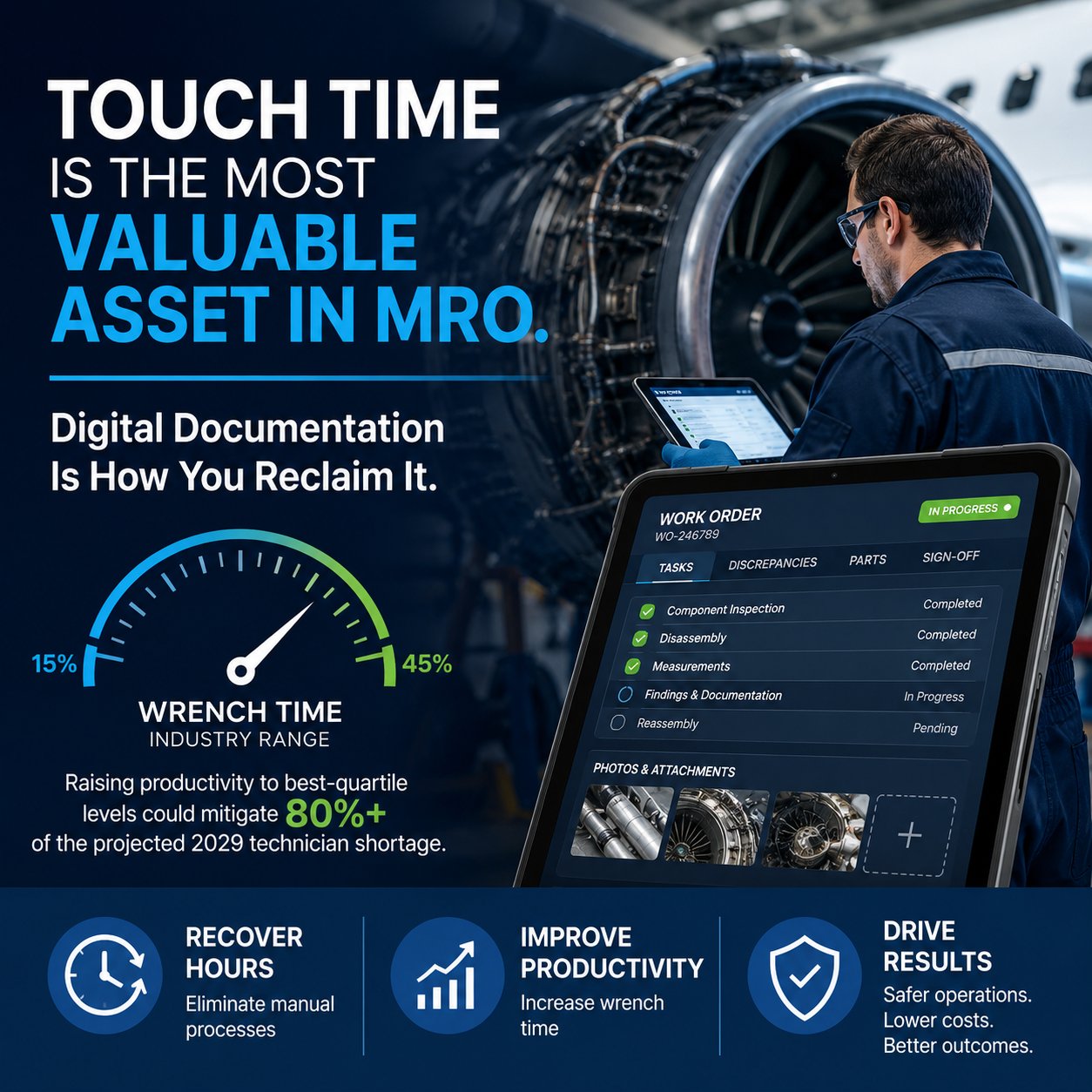
The technician shortage compounds everything. Oliver Wyman's latest workforce analysis confirms that the industry needs approximately 690,000 new maintenance technicians globally by 2027 to meet demand. This isn't just a staffing problem—it's an aviation maintenance management crisis that requires technological intervention.
Modern MROs face three simultaneous pressures: increasing regulatory complexity, aging workforce demographics, and customers demanding faster turnaround times. The only viable solution is operational software that actually works as hard as your team does.








.webp)




.png)

.png)
.png)


%20(1).png)








.png)













.jpeg)



.png)











How Advanced Aviation Maintenance Management Software Solves Real Problems
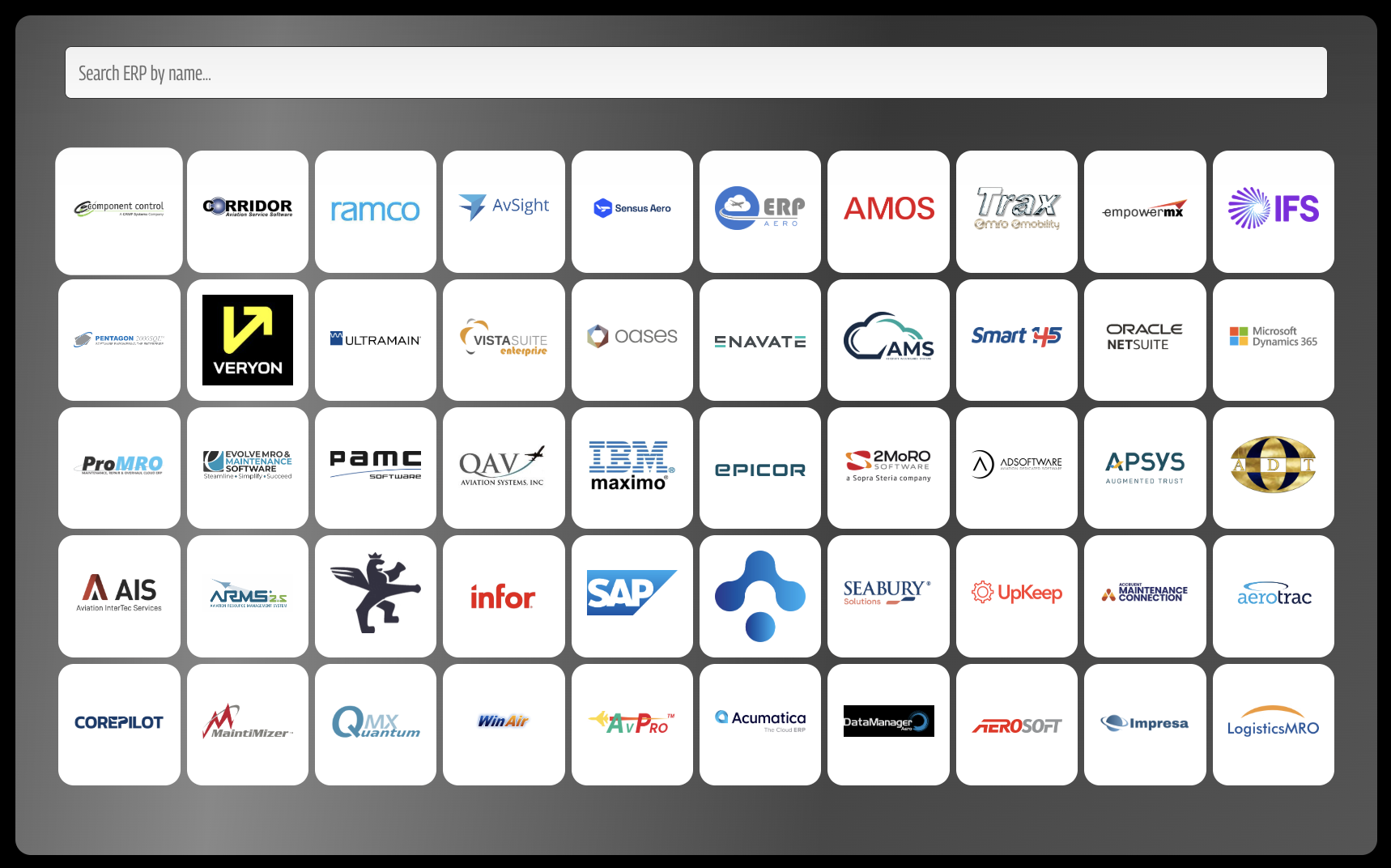
The technology exists to address these challenges comprehensively. Solutions like AMOS from Swiss Aviation, provide end-to-end maintenance management capabilities that integrate airworthiness compliance, inventory control, and planning functions into unified platforms. Similarly, Veryon platform delivers enterprise-level maintenance tracking with real-time visibility across multiple facilities.
These aren't theoretical benefits. SmartCert, available through the Aero NextGen marketplace, offers specialized solutions for compliance, traceability and vendor management that reduce administrative burden according to existing operators.
The key differentiator in 2026 is integration capability. Modern aviation maintenance management systems must connect seamlessly with procurement platforms, regulatory databases, and OEM technical publications. Standalone solutions that create data silos are no longer acceptable.
For mid-size operators, CAMP Aviate provides scalable maintenance tracking with particular strength in Part 135 operations, while other solutions are designed for operators requiring extensive customization capabilities.
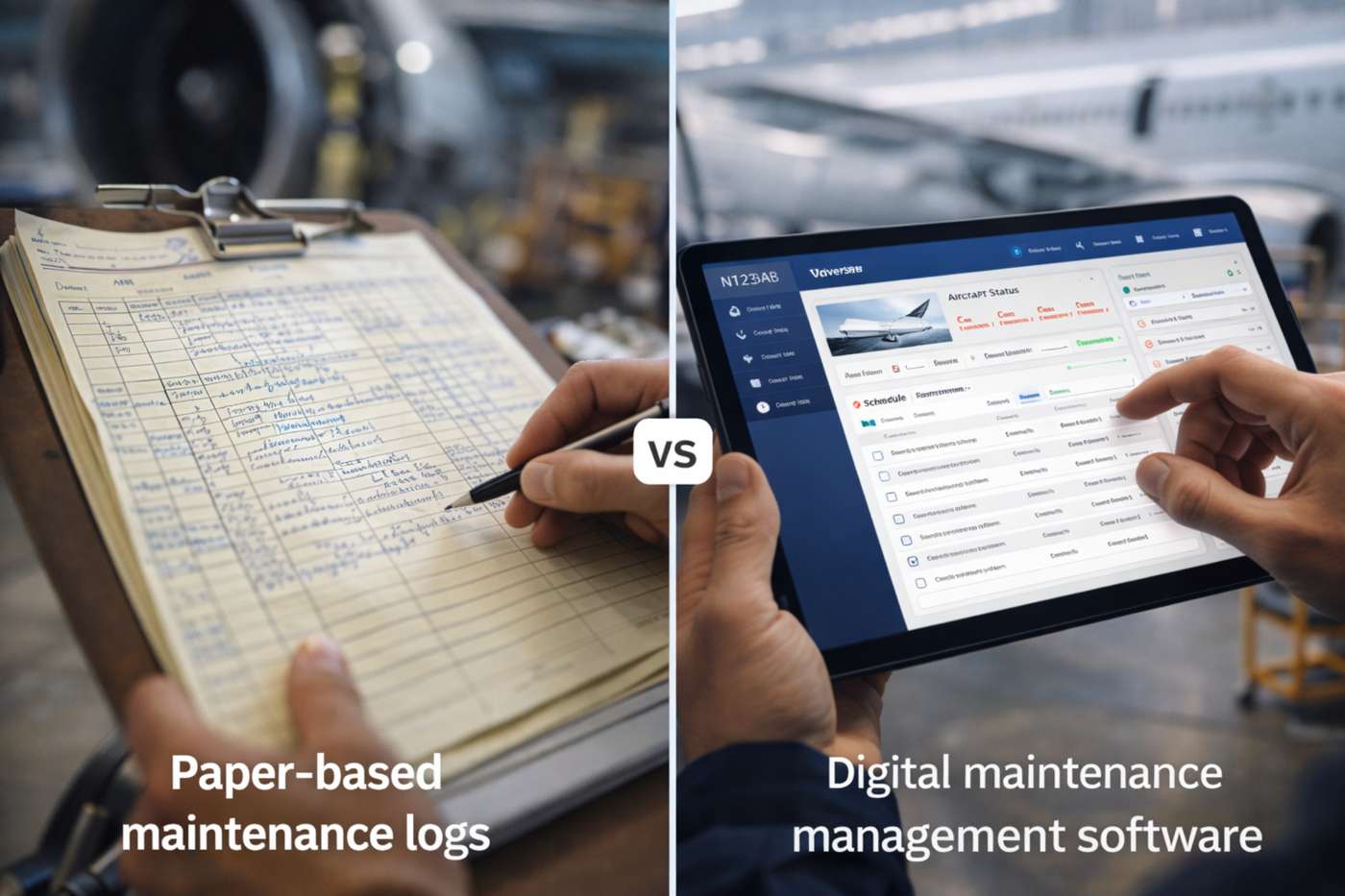
What Forward-Thinking Aviation Maintenance Management Actually Looks Like
Leading MROs have moved beyond basic digitization to true operational intelligence. This means predictive maintenance scheduling driven by actual aircraft data, not just calendar intervals. It means automated compliance verification that catches potential violations before they become grounding events. It means inventory optimization that balances carrying costs against AOG risk with mathematical precision.
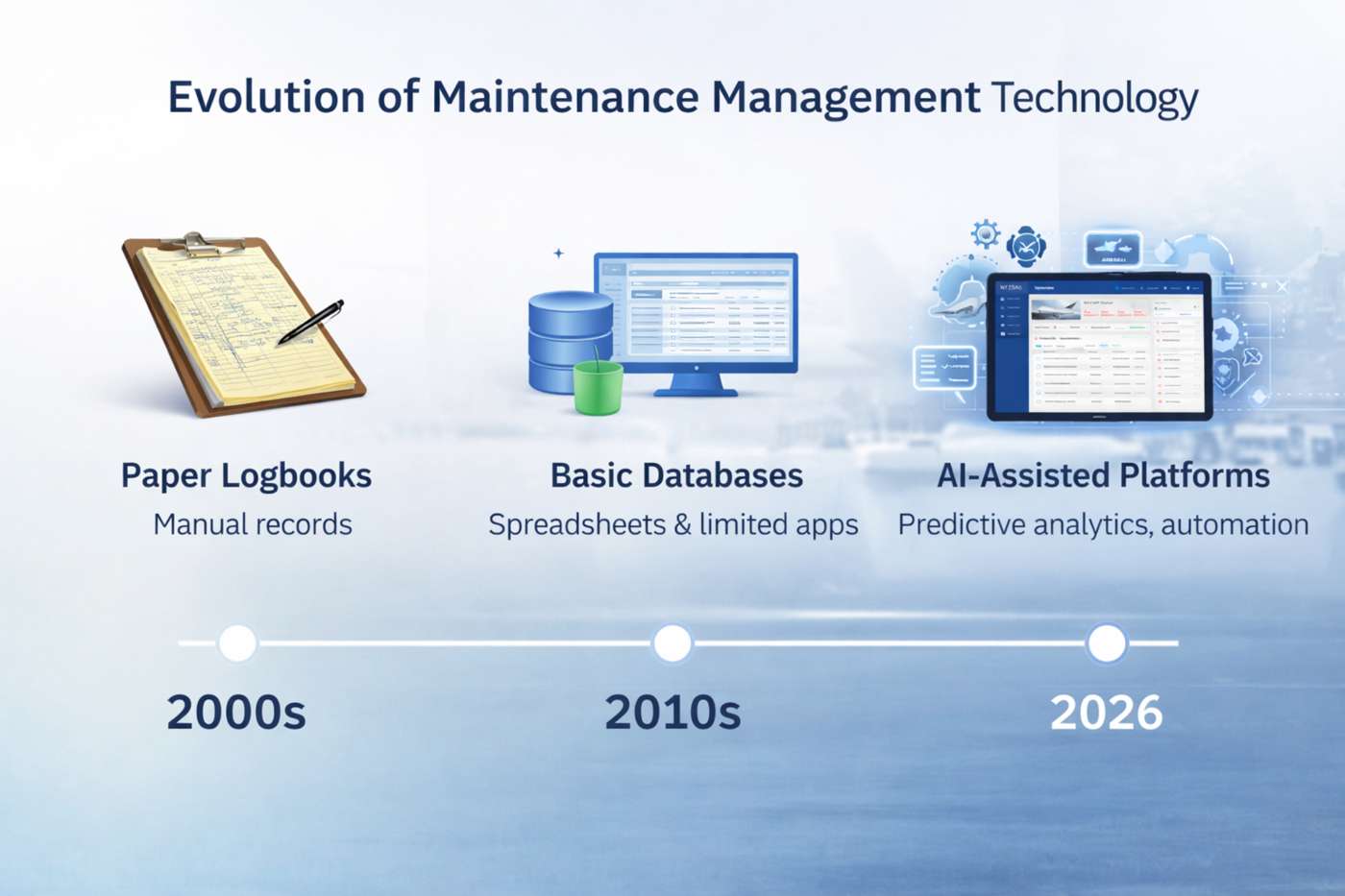
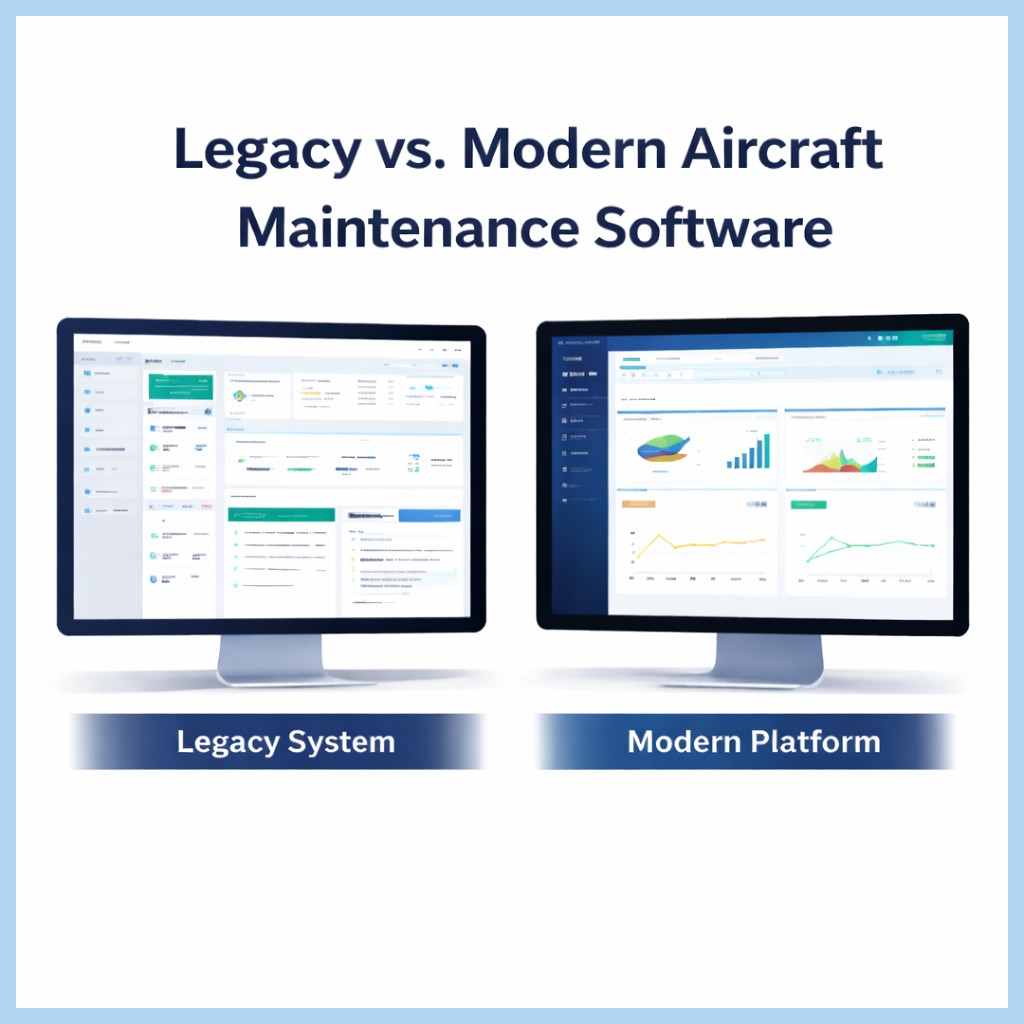
The historical context matters here. Twenty years ago, maintenance management meant paper logbooks and manual planning boards. Ten years ago, it meant basic database systems. Today, it means AI-assisted decision-making and mobile-first technician interfaces. The MROs still operating with decade-old approaches aren't just behind—they're fundamentally uncompetitive.
The Aviation Maintenance Management Decision Framework for 2026
Selecting the right system requires brutal honesty about your actual operational requirements. Fleet size matters, but so does fleet complexity. A 50-aircraft operator with 15 different aircraft types faces different challenges than a 50-aircraft single-type operator.
Integration requirements deserve primary consideration. Your maintenance system must communicate with your ERP, your parts suppliers, and increasingly, with aircraft health monitoring systems. ERP.Aero and CAMP Aviate both offer robust API architectures designed specifically for complex integration environments.
Budget considerations extend beyond license fees. Implementation timelines, training requirements, and ongoing support costs significantly impact total cost of ownership. Solutions on the Aero NextGen platform provide transparent pricing models with predictable scaling costs as operations grow.
The Aviation Maintenance Management Choice You Can't Delay
The competitive advantage in MRO operations now belongs entirely to organizations with superior operational systems. Manual processes and legacy software aren't just inefficient—they're existential risks in an environment where a single compliance failure can ground an entire operation.
The technology exists. The business case is proven. The only remaining question is whether you'll lead this transition or be forced into it by competitive pressure.
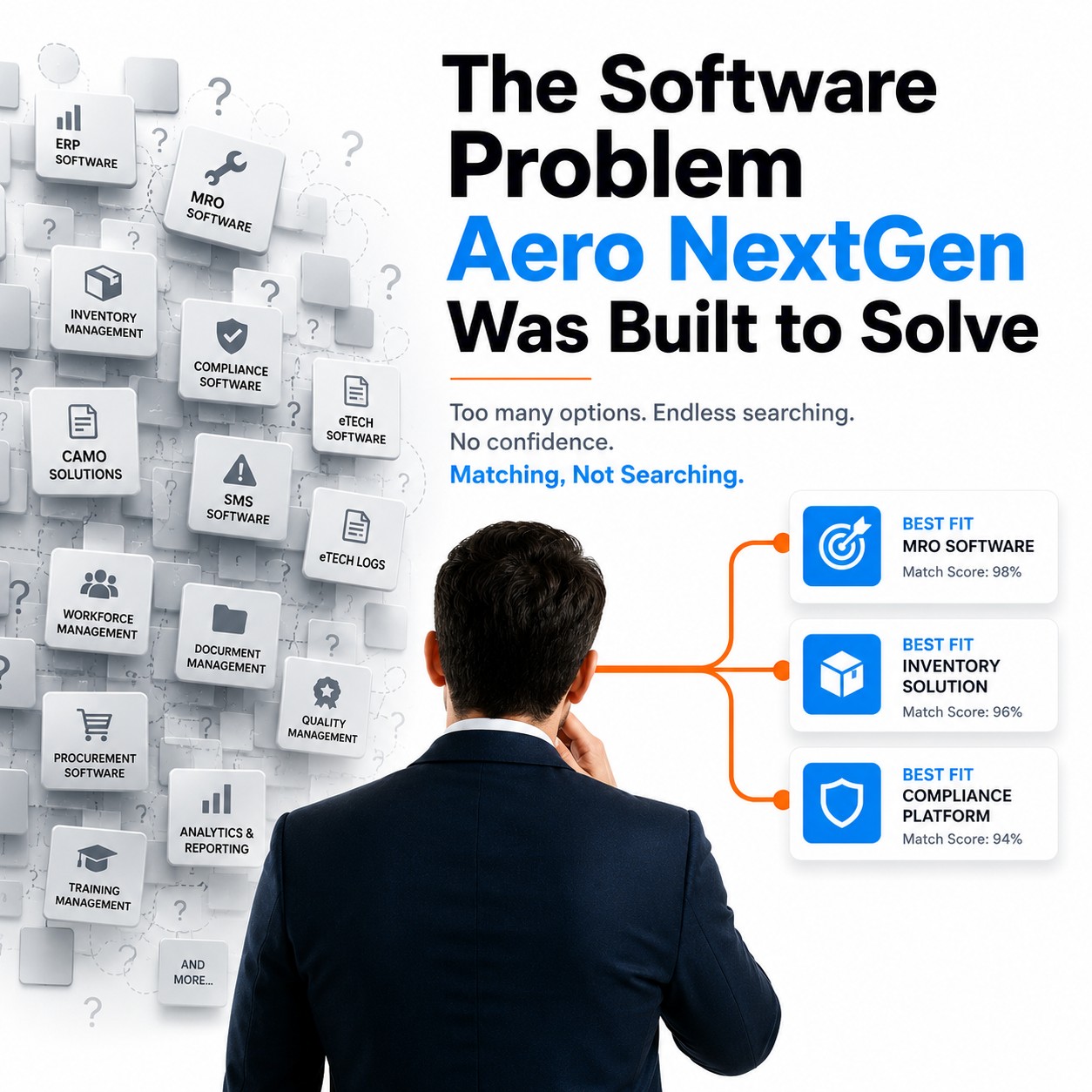
Overwhelmed by options? Aero NextGen's Solution Finder Quiz matches you with the perfect aviation software for your specific needs in under 2 minutes. Take the quiz at aeronextgen.com/ and discover your ideal solution today.

Aviation Solutions, Find your Match
Run the survey to get a shortlist of the systems that match your operational needs – fast, simple, free.
Related Posts


.jpg)


%20(1).png)
%20(1).png)
.png)
%20(1)%20(1)%20(1).png)
.png)
.png)

%20(1).png)
.png)







%20(1)%20(1)%20(1)%20(1).png)
.png)
%20(1).png)
.png)
%20(1).png)
.png)
%20(1)%20(1).png)
.png)
.png)
.png)
%20(1)%20(1)%20(1)%20(1).png)
%20(1).webp)
.png)
.jpeg)
%20(1).webp)

.webp)
%20(1).webp)

Aero NextGen matched us to the right solution providers that helped us standardize the data in such a way that we can now put it to use. Aero Nextgen’s ability to quickly understand the business needs and translate them into tangible solutions was impressive.


Aero NextGen matched us to the right solution providers that helped us standardize the data in such a way that we can now put it to use. Aero Nextgen’s ability to quickly understand the business needs and translate them into tangible solutions was impressive.
Aero NextGen matched us to the right solution providers that helped us standardize the data in such a way that we can now put it to use. Aero Nextgen’s ability to quickly understand the business needs and translate them into tangible solutions was impressive.
We generate a tremendous amount of data. Aero NextGen matched us to the right solution providers that helped us standardize the data in such a way that we can now put it to use. Aero Nextgen's ability to quickly understand the business needs and translate them into tangible solutions was impressive.


Aero Next Gen quickly identified our challenges and matched us with the right ERP solution. Their expertise saved us time, and transformed our MRO operations.


My experience working with Aero NextGen is extremely positive. We setup a battery shop in the middle of Brexit in under 6 months with their help. Thoroughly professional. Attention to detail is second to none with innovative and creative ideas.
.png)

We have been struggling to performance manage our shopfloors for ages. Aero NextGen has connected us to solution providers that solved this for us within weeks. We are now capable of tracking capacity, productivity, utilization, and operational efficiency with instantaneously. The level of expertise has made the engagement seamless for our internal teams.


Straight to Your Inbox.
Subscribe to receive the latest trends on aviation software and services.